Solar energy can be used in homes, transportation infrastructure, agriculture, portable power systems, commercial buildings, and aerospace applications. Common examples include rooftop solar panels, solar water heaters, solar street lights, solar-powered pumps, portable power stations, solar EV charging, and satellite power systems.
| Application | Typical use | Why solar works well |
|---|---|---|
| Homes | Rooftop electricity, water heating, backup power | Reduces grid electricity use |
| Transportation | Street lights, traffic lights, EV charging | Works well in distributed locations |
| Outdoor recreation | Camping and RV power | Provides electricity away from the grid |
| Agriculture | Irrigation, greenhouses, fish ponds | Useful in remote areas |
| Buildings | Rooftop and building-integrated PV | Makes use of available roof/façade space |
| Aerospace | Satellites and spacecraft | Sunlight is the primary available energy source |
| Public infrastructure | Bus stops, signs, solar benches | Can operate without extensive wiring |
1.Solar Water Heaters for Home Use
When it comes to solar water heaters, this is probably something we’re all familiar with, right? It’s that cylinder-shaped tank you often see sitting on rooftops—sometimes with rows of glass tubes attached. That’s a solar water heater.
So how does it actually work? In one word: sunlight.
Think of it like leaving a black tube out under the sun for a while—the water inside starts getting hot. Same idea here. A solar water heater uses vacuum tubes or flat-plate collectors to absorb heat from sunlight, then uses that heat to warm up water and store it in a large insulated tank. That way, when it’s time to shower at night, you’ve still got piping hot water ready to go.
But to be fair, a solar water heater only heats water—it doesn’t generate electricity. If you want to watch TV or run the air conditioner, it’s not going to help with that.
But if your goal is to cut electricity bills throughout the day and night, then keep reading—we’ll look at solar PV systems with battery storage next.
2.Solar Energy for Transportation and Public Infrastructure
Transportation solar power systems—the name might sound a bit big, but in reality, it simply means using solar energy in transport-related infrastructure along the road.
- Solar street lights: You’ve probably seen these before. When you walk in parks at night or along mountain paths, you may notice rows of streetlights with small black solar panels on top. These are solar street lights. They charge during the day by absorbing sunlight and automatically turn on at night. They’re both environmentally friendly and safe.
- Solar traffic lights: These are the traffic lights you often see at temporary construction sites or at smaller intersections. There is usually a small photovoltaic panel mounted on top, with a battery system below. These solar-powered traffic lights can still function even during power outages, helping maintain traffic control. However, they may stop working after several consecutive cloudy days, so they are usually combined with grid electricity as a backup. So don’t worry—main road traffic lights won’t suddenly go completely dark.
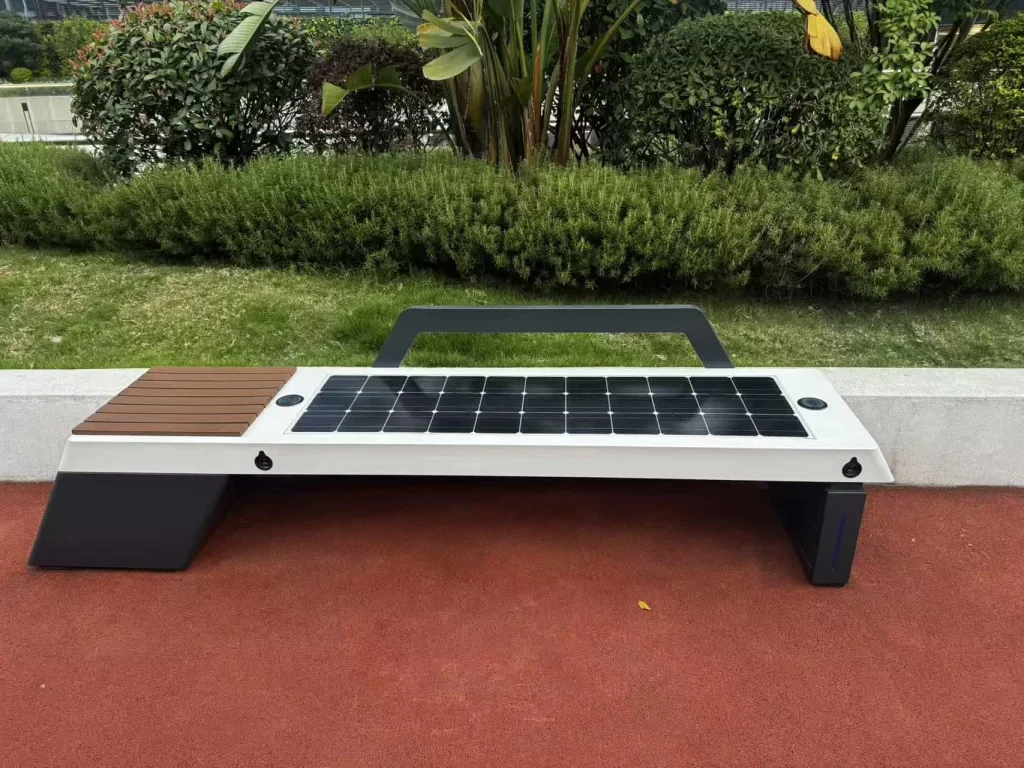
- Solar benches: These are benches that can absorb sunlight during the day to generate electricity. At night, they provide lighting, and they also offer a place for people to sit and rest when they’re tired while walking.
Solar benches are as follows:
- Solar bus stop signs: In some cities, bus stops are equipped with solar panels on top. They generate electricity during the day, and at night the signage and display screens light up automatically. This setup is very convenient and avoids the need for long-distance electrical wiring.
- Solar EV charging stations: In some more advanced highway service areas or parking lots, you may see carports with solar panels installed on the roof. Below them are electric vehicle charging stations, where the electricity generated from solar energy is used directly to charge EVs.
Have you noticed? A lot of these roadside devices absorb sunlight during the day and still stay lit at night—and that’s all thanks to the battery inside.
Without a battery, the moment the sun goes down, they stop working.
That’s why behind so many real-world solar applications, there’s usually one thing doing the heavy lifting in the background: energy storage. The solar panels collect energy during the day, and the battery stores it so it can be used later when sunlight isn’t available.
3.Home Solar + Battery Storage (Worth Paying Extra Attention To)
This is also one of the most common ways solar power shows up in everyday life: home solar power systems.
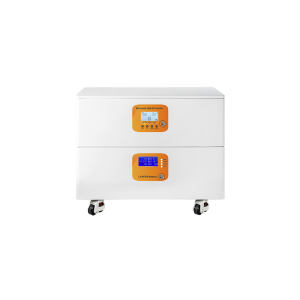
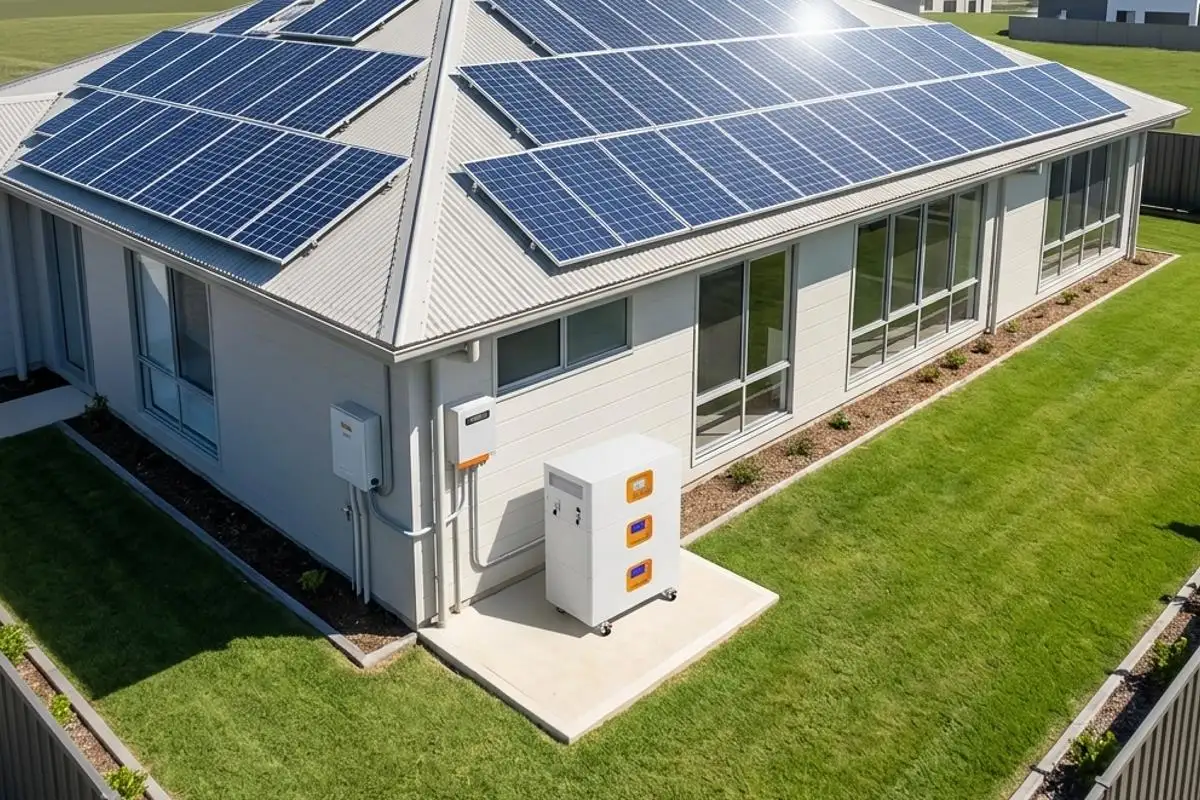
Put simply, it means installing solar panels on your rooftop and connecting them to your household appliances or an energy storage battery. During the day, the panels generate electricity to power your home, and any extra energy gets stored in the battery for use at night or whenever you need it.
If you ask me whether a home solar setup should include a battery storage system, my answer is this: if you only want to save a little on daytime electricity, you can skip the battery. But if your goal is to actually maximize savings, a solar system really needs battery storage.
Why? Just like we talked about earlier, solar panels can generate electricity during the day and power your home directly—but once night comes, solar generation basically stops working. And nighttime is often when electricity demand peaks. Homes connected to the grid can still use grid power, of course, but electricity costs are usually higher during those hours.
That’s when a home battery becomes the real game changer for saving money.
Home energy storage batteries can store the electricity generated by solar panels during the day, and they can also be charged from the grid during off-peak electricity price hours. We can choose between these two options depending on the situation. The electricity stored in the battery during the day can be used directly at night. And even during a power outage, when everyone else is worried about why the power hasn’t come back yet, you can still comfortably drink coffee at home with the air conditioner on—how nice is that!
In a previous article I wrote, I gave a detailed introduction to three types of solar power systems: grid-tied solar power systems, off-grid solar power systems, and hybrid solar power systems. If you are interested, you can go and read“Industry Secrets That Most Solar Energy Guides Won’t Tell You: How to Not Get Ripped Off.”
4.Solar Energy for Camping and Outdoor Power
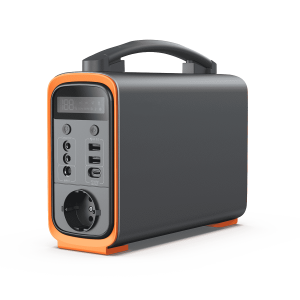
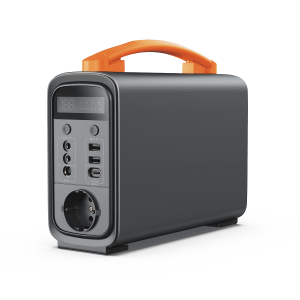
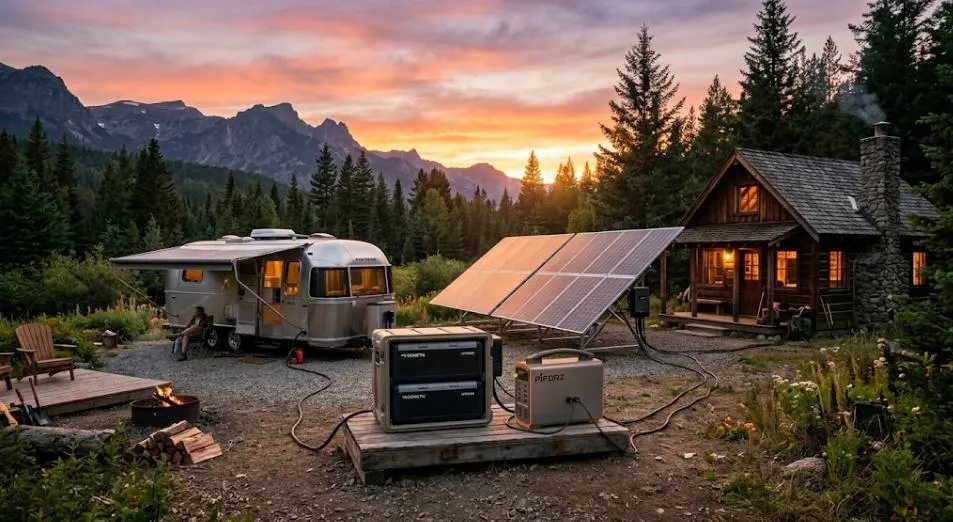
Portable solar power stations are becoming more and more common. They are basically a must-have for camping and RV life. When people are outdoors, there is no grid power, no power lines, and no wall outlets, so they usually bring a few foldable solar panels to generate electricity. But the problem is, power generation only works when there is enough sunlight during the day, and it’s usually “use it as you generate it.” At night, when there is no generation, everything just shuts down.
A portable solar power station can store the electricity generated by solar panels. It charges during the day, and at night it can be used to power phones, camping lights, drones, small fans, and similar devices. When kept at home, it can also be used as an emergency backup power source. In case of occasional power outages, it can still supply electricity to small household appliances.
5.Solar Energy in Agriculture
Farming / agricultural production:When it comes to farming, have you ever seen greenhouses with a large number of solar panels installed on the roof? That’s called a solar greenhouse (agrivoltaic system). When the sun is very strong, crops in open fields can easily get scorched or wilted. Solar greenhouses provide shade for the crops while still making full use of sunlight to generate electricity, which can then power greenhouse systems like air conditioning and ventilation equipment. It’s a win-win situation.
Fish ponds: The same principle applies. In summer, strong sunlight can heat up pond water significantly—sometimes to the point where fish may be harmed if the temperature gets too high. With shading structures, water temperature can be lowered by a few degrees, which improves fish survival and yield. In Shandong, China, there are projects where solar panels are installed above fish ponds. The electricity generated is used to run oxygenation pumps and automatic feeders, saving electricity and labor costs while increasing fish and shrimp production by about 20%.What makes this fish pond really impressive isn’t just that it generates electricity to pump water—the key is that it also stores that power in batteries, so it can keep supplying electricity to the aerators,That’s the real reason why agricultural solar can boost production by 20%!
Livestock farming: In summer, solar systems can provide shade and cooling, while in winter they help block wind and retain warmth. The electricity generated can power farm equipment, and any excess energy can be stored in batteries for later use. This truly kills two birds with one stone.
Irrigation: Solar power can be used to operate water pumps without needing long-distance power lines. In remote or mountainous areas, extending the grid can be very expensive, so solar-powered pumps are very practical. When the sun comes out, the pump draws water into elevated storage tanks, and the water can then be released for irrigation whenever needed.
6. Solar Energy in Aerospace
Solar energy in aerospace might sound very far away from everyday life, but in reality, it is already widely used in many aspects:
Satellites: Once satellites are launched into space, there are no gas stations, no electricity supply, and no way to replace batteries. So how do they survive? They rely entirely on solar energy. Satellites are equipped with batteries that charge when exposed to sunlight and power the system when they are in Earth’s shadow. For example, China’s BeiDou navigation satellites are equipped with large solar “wings” that can extend over ten meters in length, generating enough electricity to power an entire village. Without solar energy, systems like BeiDou would not be able to operate in orbit.
Space stations: Large structures like the International Space Station also rely on solar power. Its exterior is covered with flexible solar arrays that are extremely thin—almost like paper—but generate a huge amount of electricity. Astronauts use this energy for tasks such as boiling water, cooking food, conducting experiments, and maintaining communications.
Mars rovers: A typical example is the “Zhurong” Mars rover, which has been operating on Mars for years and is powered entirely by solar energy.
Deep space probes: For spacecraft that travel extremely far away where sunlight is weak, solar energy is not always sufficient. However, for missions closer to Earth—such as probes sent to the Moon, Mars, or asteroids—solar power is still widely used.
7. Solar Energy in Buildings
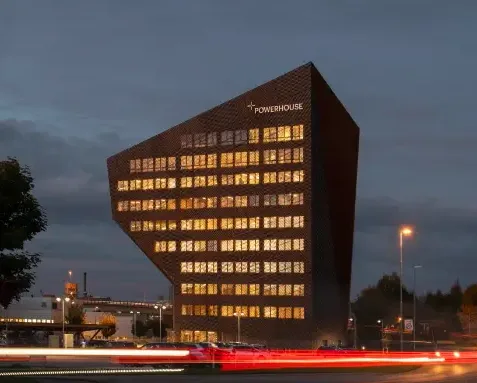
Solar buildings have already been constructed in many parts of the world. For example, in Norway, Snøhetta used photovoltaic technology to cover the angular roof and south-facing façade of the Powerhouse Telemark office building in Porsgrunn. It generates about 256,000 kWh of renewable energy each year, which is enough to offset the carbon emissions pr
This is also considered a future development trend—integrating solar power generation directly with building materials. In this way, large buildings can potentially achieve energy self-sufficiency.