As environmental awareness grows, more and more people are choosing to install solar systems to generate electricity. Solar power is a renewable energy source that can both reduce carbon emissions and lower electricity costs, while fully meeting people
’s energy needs.
According to the latest report from Research Nester, the market size of photovoltaic (PV) installation systems exceeded USD 33.05 million by 2025. In 2026, the PV installation system industry is projected to reach USD 38.31 million. From 2026 to 2035, the market is expected to grow at a compound annual growth rate (CAGR) of over 17.7%, reaching more than USD 168.63 million by 2035.
My friend, can you imagine how “staggering” this growth is? This represents an enormous market!
However, one thing to keep in mind: the solar industry is booming right now, and wherever demand grows fast, not every player in the market is trustworthy. As interest in solar continues to rise, sales tactics and questionable practices have become more common. Many people considering solar installation are now extremely cautious when dealing with installers—almost like guarding against being scammed—because they worry that one wrong decision could turn into an expensive mistake.
So how do you avoid the hidden pitfalls of going solar? While many solar energy guides stop at explaining basic concepts and industry terms, my goal is different: to share the realities of the industry and help you avoid common traps. In this guide, I’ll walk you through the essentials of solar, expose some of the most common industry scams and misleading practices, and explain how to protect yourself and your investment. Hopefully, by the end of this article, you’ll feel more confident and better prepared to make informed decisions.
What Is Solar Energy?
Sunlight is one of the most abundant energy sources on Earth. Capturing sunlight with solar panels does not reduce the overall amount of sunlight available, which is why solar energy is considered a renewable energy source.
Solar power works by converting energy from sunlight into electricity through the photovoltaic effect inside solar panels, allowing you to power appliances such as your TV, refrigerator, lights, and other electrical devices.
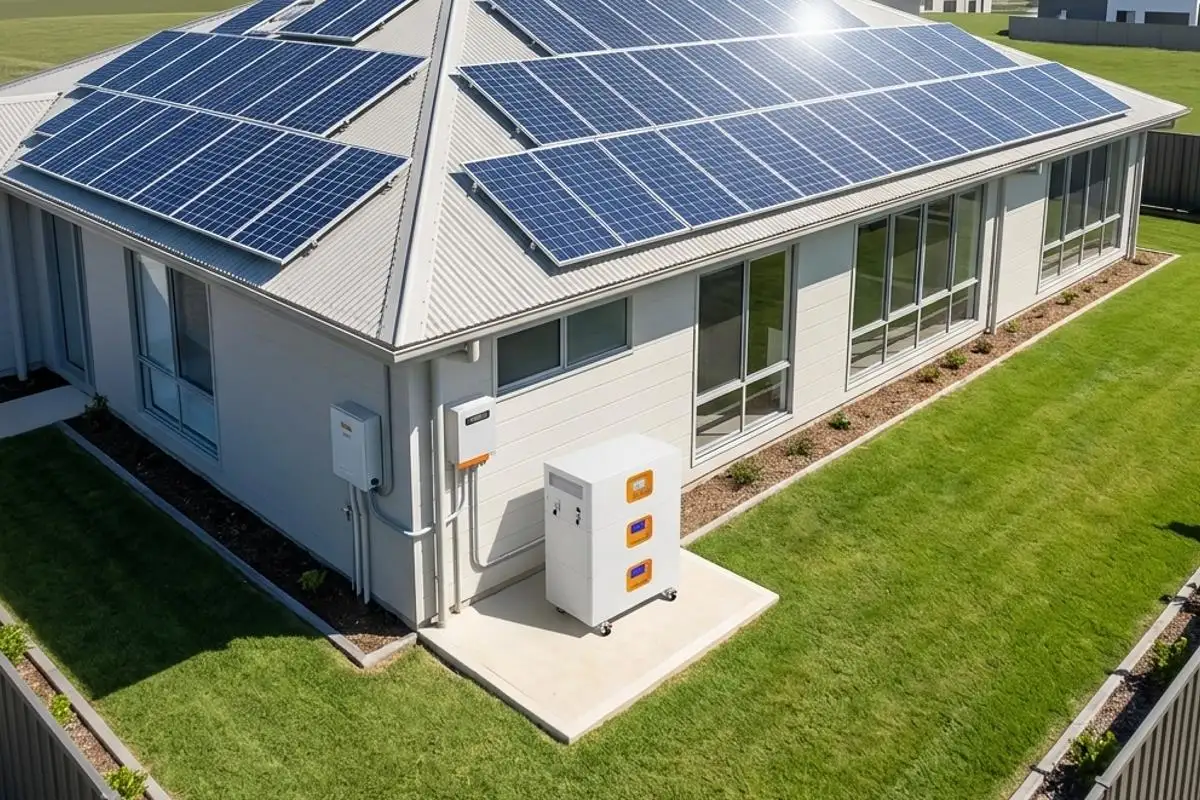
To supply solar energy to your home or office, you’ll need a complete solar power system.
What Components Make Up a Solar Energy System?
If you want to generate your own electricity, you’ll need a complete solar power system—not just solar panels. Besides the panels themselves, there are several other key components that deserve close attention.
- Solar panels – capture sunlight and convert it into electricity.
- Inverter – converts the direct current (DC) generated by the panels into alternating current (AC) that matches the frequency used by your household electrical system.
Once solar energy has been converted into electricity, you might wonder: doesn’t that electricity need to be stored somewhere? The answer depends on the type of system you have.
If you’re using a grid-tied solar system, you may not need dedicated energy storage. Excess electricity can simply be fed back into the grid and used when needed.
However, if that isn’t an option—for example, in an off-grid setup—you’ll need additional components:
- Battery storage – stores the electricity generated by your solar panels for later use.
- Solar charge controller – regulates the power coming from the panels and helps ensure the battery receives safe and stable voltage and current.
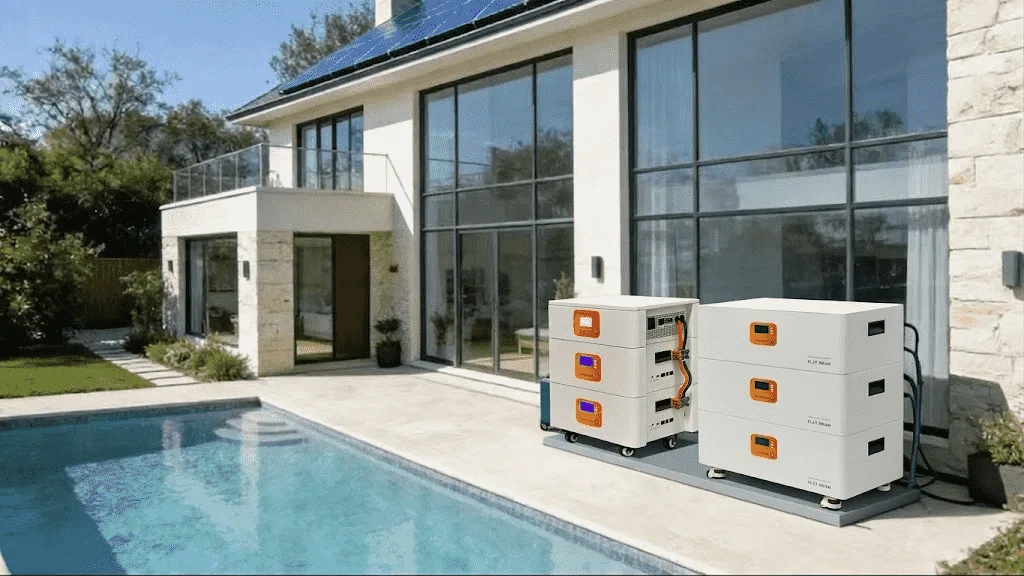
In the past, building a solar system usually meant purchasing and connecting each component separately. But as solar technology has matured, modern energy storage solutions have become much more integrated. Today, many battery systems come with a built-in inverter and MPPT (Maximum Power Point Tracking) charge controller, making installation much simpler.
As a result, a typical modern solar setup can often be streamlined into three main parts: solar panels, an integrated battery system with an inverter and MPPT, and the necessary wiring and connections.
Grid-Tied Solar Energy Guide and Off-Grid Solar Energy Guide: Pros and Cons
Before installing a solar power system, the first thing you need to figure out is your actual energy needs—specifically, whether a grid-tied system or an off-grid system makes more sense for your situation.
Each option has its own strengths and trade-offs. Taking the time to objectively understand the advantages and limitations of both before making a decision can help you avoid unnecessary detours and costly mistakes.
A grid-tied solar system (also called an on-grid solar power system) is designed to help reduce both installation costs and electricity bills. It’s a very “direct” way of using solar power—but what exactly does “direct” mean here? Is that an advantage or a limitation? Keep reading.
The most obvious feature of a grid-tied system is that it doesn’t require battery storage. The electricity generated isn’t stored at home—it’s either used immediately by your appliances or sent directly back to the utility grid. (In some regions, local policies allow homeowners to sell excess electricity back to the grid, helping offset daytime electricity costs or even generate income.)
Because the setup usually only requires solar panels and an inverter, the upfront installation cost is relatively lower. And since the electricity doesn’t pass through a battery storage stage, there’s less energy loss during charging and discharging. That’s the advantage of being “direct.”
However, that same simplicity also creates limitations.
Since there’s no battery to store energy, a grid-tied system stops generating usable power whenever sunlight isn’t available, meaning your home depends on the public grid during those times. If severe weather hits—such as storms or hurricanes—the utility infrastructure may be damaged and cause widespread outages. In that situation, your grid-tied solar system will usually shut down as well.
This happens because grid-connected inverters are designed with anti-islanding protection, a built-in safety feature required by electrical standards. It prevents the system from feeding electricity into power lines during an outage and protects utility workers and equipment. That’s the trade-off that comes with the system’s “direct” design.
By contrast, an off-grid solar system (also called a stand-alone solar power system) is designed to operate independently of the utility grid.
Its defining feature is battery storage.
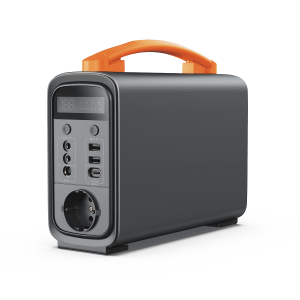
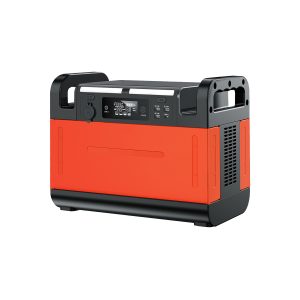
Instead of sending electricity directly to the grid, the energy generated by the solar panels is stored in batteries and used to power the entire home—or kept as backup power when needed. This follows the same basic principle as portable solar generator setups.
As mentioned earlier, during severe weather or large-scale grid outages, a grid-tied system will typically shut down automatically. An off-grid system, however, can continue operating. With a sufficiently sized battery bank, you can store excess solar energy during sunny periods and use it later at night or during bad weather.
When electricity is needed, the battery releases stored DC power, which is then converted into AC through the inverter to run household appliances. Today, many energy storage batteries already come with a built-in inverter and MPPT charge controller, making the whole setup much easier to use—often as simple as connecting your appliances directly.
But one thing you need to understand is that if you choose an off-grid solar system, you’ll need a high-capacity battery storage system—especially if you want a high-quality battery with a long cycle life, such as a LiFePO₄ (lithium iron phosphate) battery. That also means a higher upfront investment.
Battery storage is typically the most expensive component in the entire system, so it’s important to factor that into your budget and set realistic expectations before making a decision.
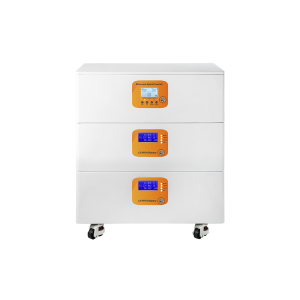
For more information on home energy storage LiFePO₄ batteries
Key Considerations for Off-Grid Solar Power Systems
There is also a third type, which is a hybrid of the two: it can both connect to the grid and include energy storage batteries. This is called a hybrid solar system. Its advantages can be summarized as: it can generate electricity, store energy, and even sell power back to the grid.
It certainly sounds very appealing, and indeed, anyone researching solar systems is likely to be tempted by it. However, its technical requirements, upfront costs, and policy barriers discourage many average consumers. It requires a professional electrical team to modify and reconfigure the household distribution panel, and it must go through strict approval, testing, and registration by the local utility authority. In some regions, hybrid systems are even not permitted at all. Therefore, anyone considering a hybrid system should carefully check local regulations in advance.
Common Pitfalls in the Solar Energy Industry: A Guide for Homeowners
Solar Installation Turning Into Long-Term Debt
In 2024, The Legal Aid Society reported on a lawsuit alleging that several companies—Solar Mosaic LLC, SUNco Capital LLC, ATTYX Utah LLC, ATTYX LLC, and WebBank—worked together to lure homeowners into signing solar panel installation agreements with what appeared to be affordable loan terms. The companies allegedly claimed that solar panels would reduce energy costs and increase property value. However, after signing the agreements, homeowners reportedly discovered that their monthly payments were far higher than expected, leaving low-income households burdened with expenses they had never agreed to.
One of the plaintiffs in the case was Claver Campbell, a 75-year-old Black homeowner living on a fixed income. According to the lawsuit, multiple SUNco sales representatives told her that her monthly solar panel payment would be $184. Later, however, the company allegedly claimed that she owed more than $500 per month. Mrs. Campbell was shocked and confused by the amount and repeatedly attempted to cancel the agreement, but SUNco allegedly ignored her requests. In fact, the company reportedly went a step further and placed a lien on her property.
Today, there are still many companies that advertise “free solar panels,” “roof leasing programs,” or “earn passive income by selling electricity back to the grid.” They promise homeowners all the benefits of solar energy with little or no upfront cost. In some rural or remote communities, salespeople may promote these programs under slogans such as “free installation” or “monthly profit-sharing payments” to persuade elderly homeowners to sign contracts.
On the surface, these agreements may look like simple lease arrangements. In reality, some may be structured as financing leases or installment loan contracts. In certain cases, the homeowner’s identity and credit are used to secure the financing. If the company later goes out of business or fails to honor its promises, the homeowner may still be legally responsible for repaying the loan.
Warranty Promises from Shell Companies
Many small workshops and unbranded solar installers may promise you a 25-year warranty or a 10-year warranty on the inverter when signing the contract. In reality, they purchase low-cost B-grade or C-grade defective components, install the system for you, and then quickly make their profit. After two or three years, they shut down or deregister the company. When your inverter or solar panels are damaged after a few years due to weather or other issues, you can no longer reach them by phone.
Vague References to Government Programs Without Specific Details
Another common tactic is deliberately using vague claims such as being on a “government-approved list,” “limited national subsidy quotas,” or “partnerships with utility companies.”They may call you and claim that simply confirming your address will make you eligible for a subsidy. We need to stay alert to these practices. They may ask for upfront payments while loosely referencing government-related programs, but they are unable to clearly identify the responsible authority or provide any official documentation.
Overstating “Uninterrupted Power Supply” Claims
Some solar installers advertise claims such as “never lose power,” suggesting that the entire house will continue running normally during a power outage. However, in reality, many home energy storage systems have a maximum output power limit, meaning they may not be able to run high-power appliances such as air conditioners, dryers, or water heaters at the same time. In some cases, UPS systems in battery storage units may also have slower switching times, which can result in a brief power interruption or system restart.
Although such marketing can easily raise expectations, it is important not to overlook the actual specifications of your home system, including the continuous output power of the battery storage system and its automatic switchover capability.
Low-Price Contracts Followed by Aggressive Price Increases
Pricing tricks are also very common. Some companies initially offer very cheap quotes for solar panels to attract you in, but gradually lead you deeper into additional costs. Later, they may charge extra for mounting structures, installation fees, electrical panel upgrades, permitting fees, battery interfaces, and other add-ons, causing the final cost to far exceed the original budget. Therefore, you should never focus only on the initial unit price—instead, always compare the total installed cost.
Beware of Battery Cell Swapping in Energy Storage Systems
Battery cell swapping is currently one of the most concealed scams in the industry and one of the most harmful to consumers. Since battery cells account for more than 60% of the total production cost of an energy storage battery, some unethical merchants and small workshops make changes to the battery cells—which consumers cannot see—in order to compete on price and maximize profits.
These low-quality, unbranded products may use second-hand battery cells retired from electric vehicles or Grade B cells to pass them off as Grade A energy storage cells. Such batteries may experience a cliff-like drop in capacity after only one or two hundred charge cycles. Even worse, under high-power loads in summer or prolonged exposure to high temperatures, the batteries may develop severe swelling, leakage, or even break through the BMS safety protection and trigger thermal runaway.
By contrast, legitimate brands usually provide access to battery certifications (UL, CE, etc.). For example, when designing the Piforz energy storage system, we follow the principle of protecting users from the risks of thermal runaway and use brand-new Grade A lithium iron phosphate (LiFePO₄) energy storage cells that have passed strict certification standards. This is a standard consumers should expect from any brand—whether EcoFlow, Jackery, or us.
How to Avoid Solar Energy Scams
Refuse any “free lunch” projects that sound too good to be true. In reality, what is advertised as “free” is often the most expensive. Any door-to-door solar sales, schemes claiming to be government-backed, or offers promising “zero-cost installation” and “risk-free guaranteed profits” are almost always solar scams and should be reported directly.
Do your research. Information gaps are one of the biggest reasons people fall into traps, especially in the solar industry. Before choosing a solar system provider, take the time to read authoritative and comprehensive solar guides, and fully understand local tax credits, incentive policies, and the pricing of each component in a solar system (such as solar panels, energy storage batteries, installation costs, etc.). At the same time, be aware of common hidden scams in the industry so you can clearly identify and avoid them.
Compare multiple quotes. Only make a decision after comparing several companies, which helps ensure you are not making an impulsive purchase and allows you to find the most suitable solution at the best price.
Carefully review contract terms. Thoroughly examine all clauses in the contract, especially financing terms, cancellation policies, and warranty conditions.
Avoid unverified products. Whether it is solar panels or energy storage batteries, always strictly avoid unbranded or uncertified products. This is essential to protect both your personal safety and financial investment.