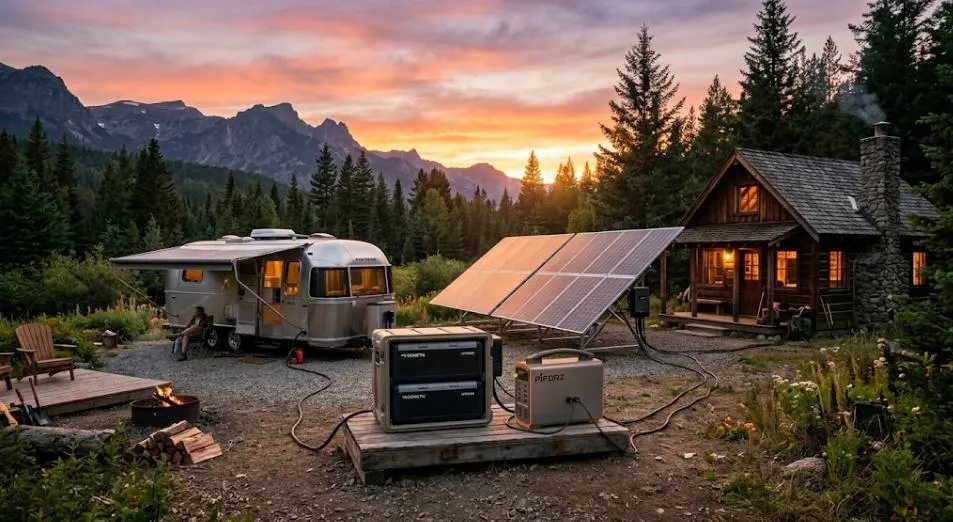

Power outages do not happen often, but when they do, they always seem to catch people unprepared.
Modern life depends heavily on electricity. Whether it is watching TV, playing games for entertainment, making coffee with a coffee machine, or keeping food fresh in a refrigerator, all of these daily activities require power.
A home emergency power supply is designed to solve this problem. It is not a luxury item, but a form of preparation that allows you to maintain basic lighting, prevent food spoilage, charge essential devices, and keep your internet connection running when the power grid goes down.
It could be a quiet portable power station, a traditional fuel generator, or an automatic home battery backup system.
This guide will help you understand several important questions: What types of emergency power solutions are available? What situations is each one suitable for? How much capacity do you actually need? And most importantly, in 2026, which backup power solution is the best choice for your home?
1.Why You Need an Emergency Power Supply for Home
In recent years, due to the increasing frequency of extreme weather events and aging power grid infrastructure, power outages have become more common. Many homeowners install Emergency Battery Backup lights in hallways or staircases to ensure safe movement, but these lights only solve the lighting problem.
During a power outage the fresh food in our refrigerator faces the risk of spoiling. We lose access to entertainment activities, basic lighting becomes an issue, and in households with medical equipment, a blackout can even become a ticking time bomb.
If electricity costs make up a large portion of a household’s expenses, having an emergency power supply is also a very good option. When paired with solar panels, it can help reduce electricity bills by allowing us to rely less on the grid during peak usage periods.
Therefore, an emergency power supply is needed as a home backup system to maintain basic living conditions during outages and to help save electricity during peak demand hours.
2. What Is an Emergency Power Supply?
2.1 The Definition of Emergency Power Supply
Emergency power supply is a backup energy system that can charge devices independently of the power grid and provide electricity during power outages. It can keep essential household appliances running during blackouts. Depending on the battery capacity, power, and other factors of the system, emergency power supplies can range from small portable power stations to large backup energy storage systems that can power multiple household devices for several hours or even days.
2.2 What Is an Emergency Power Supply Called?
Based on different technologies and application scenarios, the emergency power supply go by many different names. Common ones include emergency power battery, backup power system, and standby power supply. In the consumer market, a portable emergency power supply is often called a portable power station, while a shorter-duration protection device is known as an uninterruptible power supply (UPS). In residential energy systems, larger emergency power sources may also be referred to as home battery backup systems or energy storage systems (ESS).
3. How to Generate Electricity in an Emergency?
Different types of backup power devices rely on different methods to generate or supply electricity during emergencies.
3.1 Portable Power Station
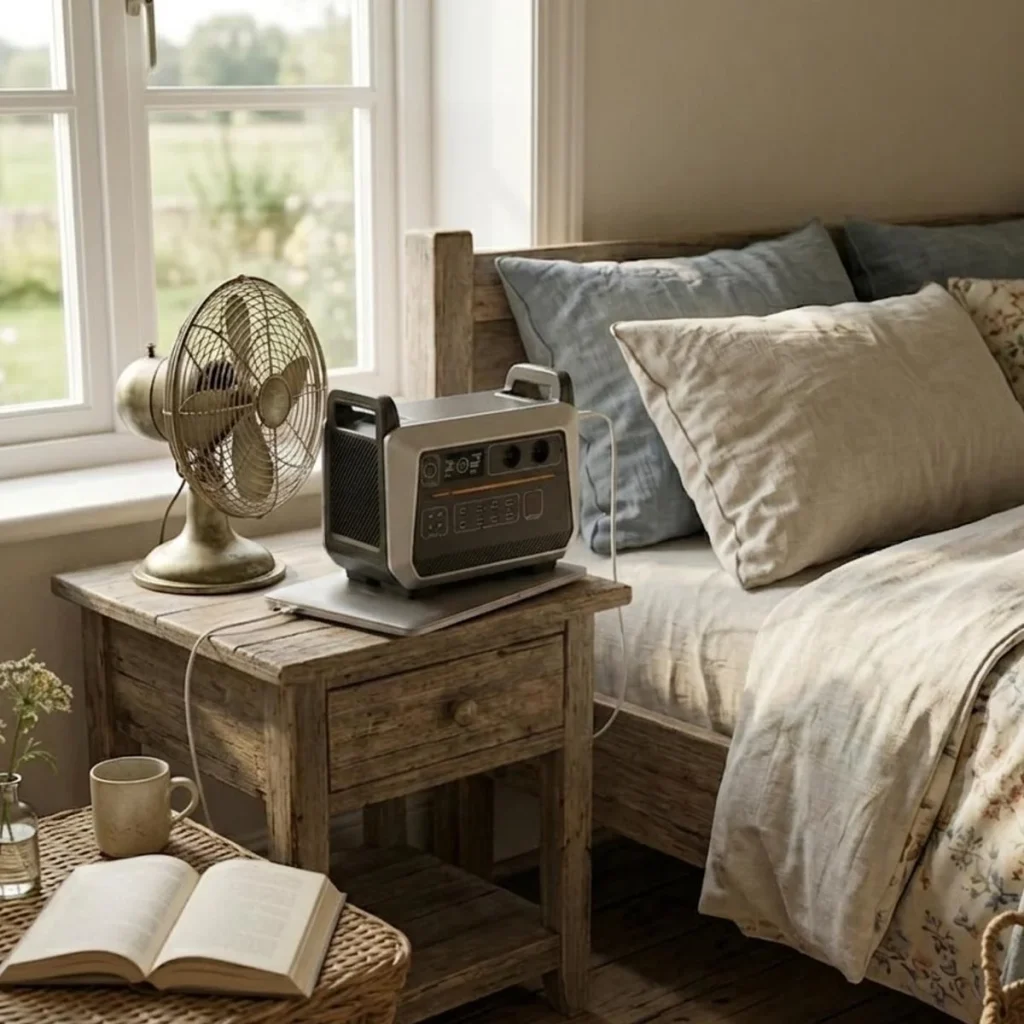
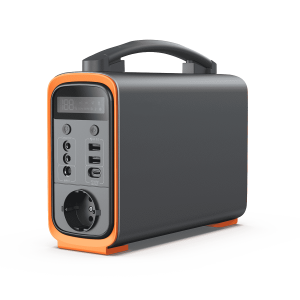
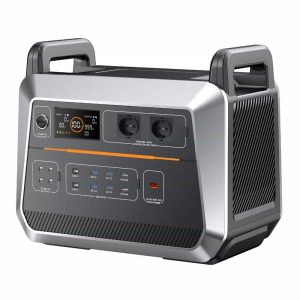
A portable power station is a rechargeable lithium battery system that provides clean and quiet electricity. It is plug-and-play and supplies power stored in its battery during emergencies. Because it is lightweight, compact, easy to carry, and produces no harmful fumes, it is suitable for outdoor activities, apartments, small homes, and indoor use.
3.2 Generator
Traditional fuel generators can deliver high power output but require sufficient fuel to operate. They generate electricity by converting the heat energy from burning fuel into mechanical and then electrical energy. This makes them suitable for situations with high power demands. However, they produce harmful exhaust gases and noise, so they cannot be used indoors and are not ideal for residential emergency power.
3.3 UPS
An Uninterruptible Power Supply (UPS) provides instant backup power when an outage occurs, preventing computers or sensitive equipment from shutting down. It also operates using stored battery power and reacts extremely quickly. However, its battery capacity is small, meaning it only provides short-term power. Its primary purpose is to bridge brief outages and prevent data loss.
3.4 Battery Backup Systems
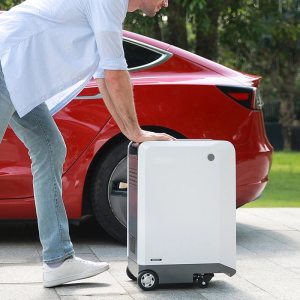
Home battery backup systems have much larger capacities, allowing them to power appliances for several hours. They operate similarly to other battery-based devices—plug-and-play with no fuel required—but their larger capacity and higher output mean they are heavier and more expensive.
3.5 Solar-Based Emergency Systems
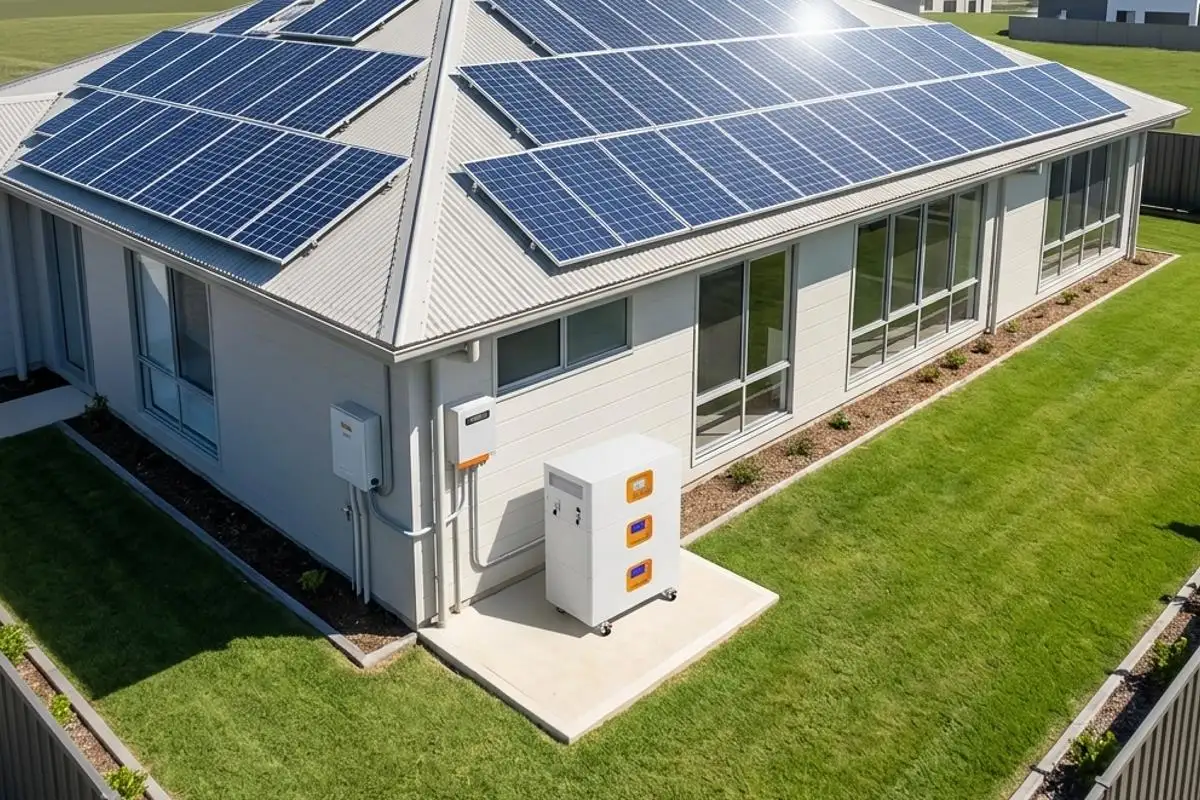
Solar panels are becoming increasingly popular for emergency backup, especially when combined with battery storage systems to form a solar powered emergency generator. They do not rely on fuel and can generate electricity as long as there is sunlight. Solar panels capture solar energy, convert it into electricity, and deliver it directly to appliances or store it in batteries for later use.
4.Portable Power Station vs Generator vs UPS: Which Is Best?
We have learned about different types of emergency power supplies. Now we will select a few typical products and compare them from different aspects to provide some reference before purchasing.
| System Type | Indoor Use | Noise Level | Typical Runtime | Best Applications |
| Portable Power Station | Safe for indoor use | Silent | Medium (hours depending on battery capacity and load) | Apartments, small homes, camping, emergency backup for essential devices |
| Gas/Propane Generator | Not safe indoors (requires outdoor operation) | Loud | Very long (as long as fuel is available) | Whole-home backup during extended outages |
| UPS (Uninterruptible Power Supply) | Safe for indoor use | Silent | Short (minutes to hours) | Computers, routers, networking equipment, workstations |
5. How Long Can an Emergency Power Supply Last?
We mentioned earlier that battery capacity of emergency power supply is very important for runtime, because the basic formula to calculate runtime is: Runtime (hours) = Battery capacity (Wh) ÷ Device power (W)
For example, a 2000Wh Portable emergency power supply powering a 200W device can theoretically run for 10 hours. However, due to inverter losses and other factors, the actual runtime ends up being around 7 to 9 hours.
Of course, if we connect a solar panel, it becomes a solar-powered emergency generator , which can charge and supply power at the same time.
6.Key Features to Consider Before Buying
Before choosing the right emergency power supply, there are a few important specs we need to pay attention to:
Output power: First, figure out how much power your devices actually need. Then choose an emergency power supply that meets or exceeds that range.
Battery capacity: This determines how long your devices will run. So before picking an emergency power battery, you should have a clear idea of how long you need it to last, then choose the right battery capacity accordingly.
Charging method: Choose a charging method that fits your needs. It’s best to go with one that can also be charged using solar panels if possible.
Portability and weight: This is really important for apartment dwellers or travelers. For those people, a portable power station rechargeable is a solid choice.
Safety: If you’re using it indoors, it’s best to avoid a fuel-powered generator.
7. What Is the Best Emergency Power Source for Home?
Every household has different electricity needs, so there is no single perfect solution that fits all families. The most reliable approach is to choose based on your actual usage scenarios.
- If we live in an apartment, or mainly care about indoor safety and outdoor camping: a portable power station is the best choice. It produces no noise or emissions, is very safe for indoor use, and can also be easily taken outdoors.
- If we need to use high-power tools outdoors (such as chainsaws, cutting machines, etc.): fuel generators still have an advantage. Although noise and harmful emissions are drawbacks, they remain hard to replace when it comes to continuous high power output.
- If we are only concerned about devices like computers and routers shutting down instantly during a power outage: a small uninterruptible power supply (UPS) is the most direct solution. It can provide a buffer of a few to over ten minutes during grid fluctuations and protect data security.
- If we pursue eco-friendliness and need long-term off-grid power supply: battery backup system with solar panels is the ideal choice. Although the initial investment is higher, in the long run it can achieve virtually unlimited runtime and best reflects the concept of green energy.
Of course, for most ordinary households, a portable power station offers the best balance of capacity, price, and practicality. It can power most essential devices during a blackout and can also be taken along to improve the experience of family camping. One device with multiple uses is, in fact, the most worry-free solution.
8. FAQ
Q: How long will an UPS battery backup last?
A: Most UPS units only keep a computer running for anywhere from a few minutes to maybe ten-plus minutes, just long enough for us to save our files. It’s really just a safety device, not something meant to be used as a emergency power supply for home backup.
Q: Is there a battery that can power a house?
A: Of course. As long as the battery capacity and power output are high enough, it can power an entire house. But before choosing one, you need to know the power draw of your devices and how long you expect them to run.