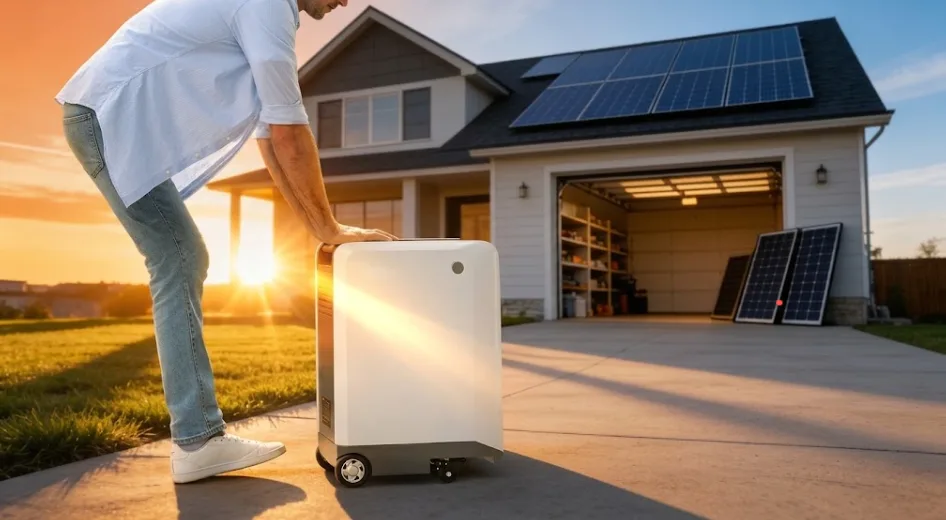

Many people who decide to install a home battery run into the same first question: Where should I install the battery? What is the coolest place in the house?
A cool, shaded location may seem like the ideal choice for a home battery, but the best place to install one isn’t necessarily the coolest spot in the house. Every home has different conditions, each household has different electricity needs, and each battery model has different installation requirements. The right location also depends on the type of battery, safety requirements, temperature conditions, and how far the battery is from the home’s electrical equipment.
A permanently installed wall-mounted battery may require a carefully selected location, while the criteria for choosing a location for a more flexible portable or wheeled home battery can be quite different. So, where is the best place to install a home battery?
Keep reading, and I’ll compare common indoor and outdoor locations, explain the pros and cons of different areas of the home, go over specific NFPA requirements, discuss differences between battery models, and explain how the installation location can affect costs. I hope this guide helps you choose the right location for your home battery!
What Type of Home Battery Do You Have?
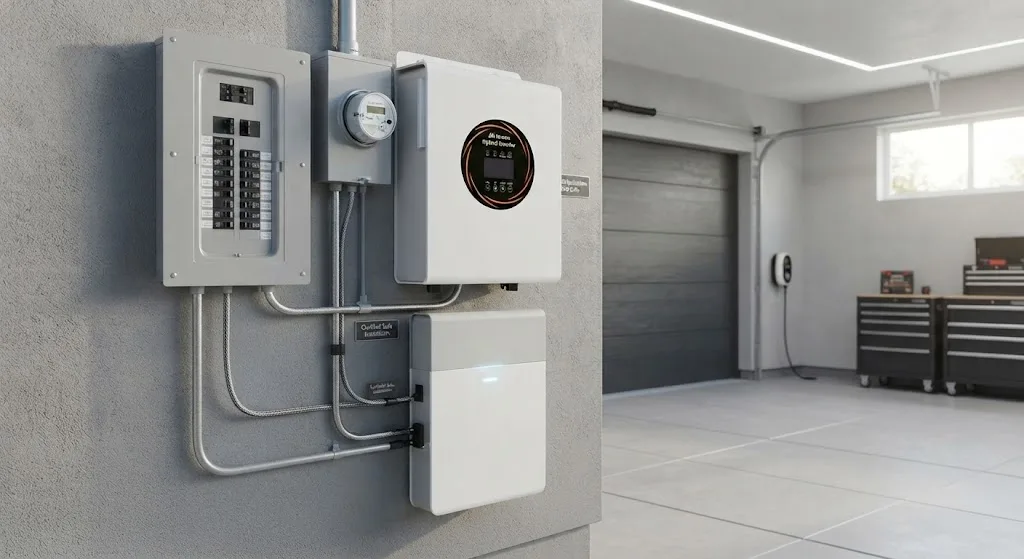
How Is the Battery Designed to Be Installed?
First, before thinking about where to install the battery, you need to determine what type of battery you’re installing. Different types of batteries have different installation considerations.
Permanently Installed Batteries:
Once a permanently installed battery is mounted in place, it’s difficult to change its location. That’s why the installation site needs to be carefully considered beforehand.
These types of batteries include the following:
Wall-mounted batteries are mounted directly to a wall and don’t take up floor space. Tesla Powerwall, for example, uses a wall-mounted design and can be installed indoors or outdoors. It has an IP67 rating for water and dust resistance, allowing it to withstand rain and dust. When installing this type of battery, you need to make sure the wall has sufficient load-bearing capacity, because a home energy storage battery can easily weigh hundreds of pounds, so you can’t simply mount one on any wall.
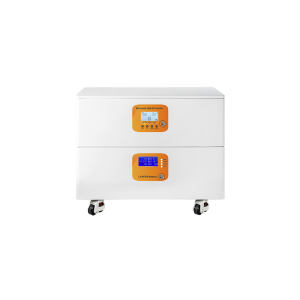
Floor-standing batteries sit directly on the floor and don’t require the wall to support their weight. Some products also feature a stackable design, allowing you to expand the system’s capacity as needed.
Outdoor battery cabinets are standalone enclosures specifically designed for outdoor installation. They typically offer a higher level of protection and can be installed against an exterior wall or in a designated location in the yard.
For these types of batteries, the location is essentially fixed once the installation is complete. Moving or relocating the battery later may involve rewiring, obtaining new permits, and other complicated procedures. That’s why it’s important to be very careful when choosing the installation location.
Portable or Wheeled Home Batteries:
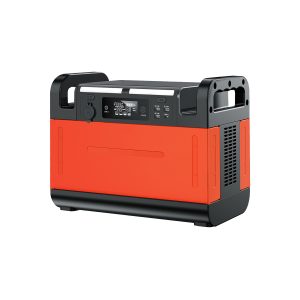
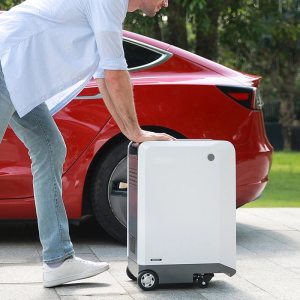
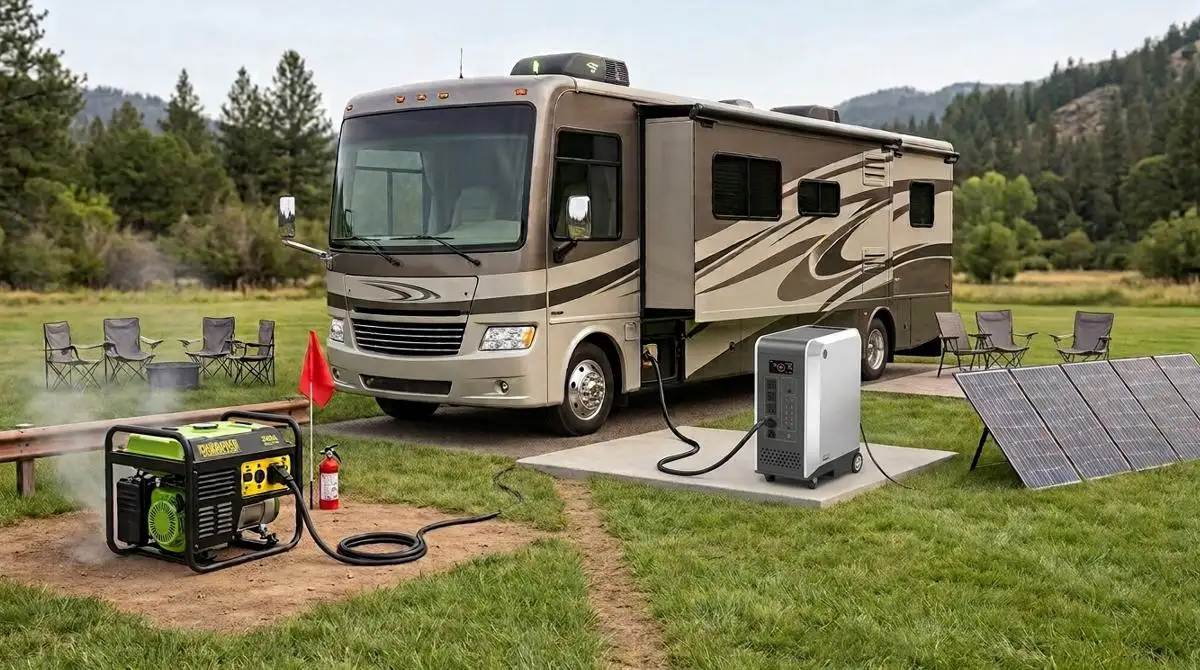
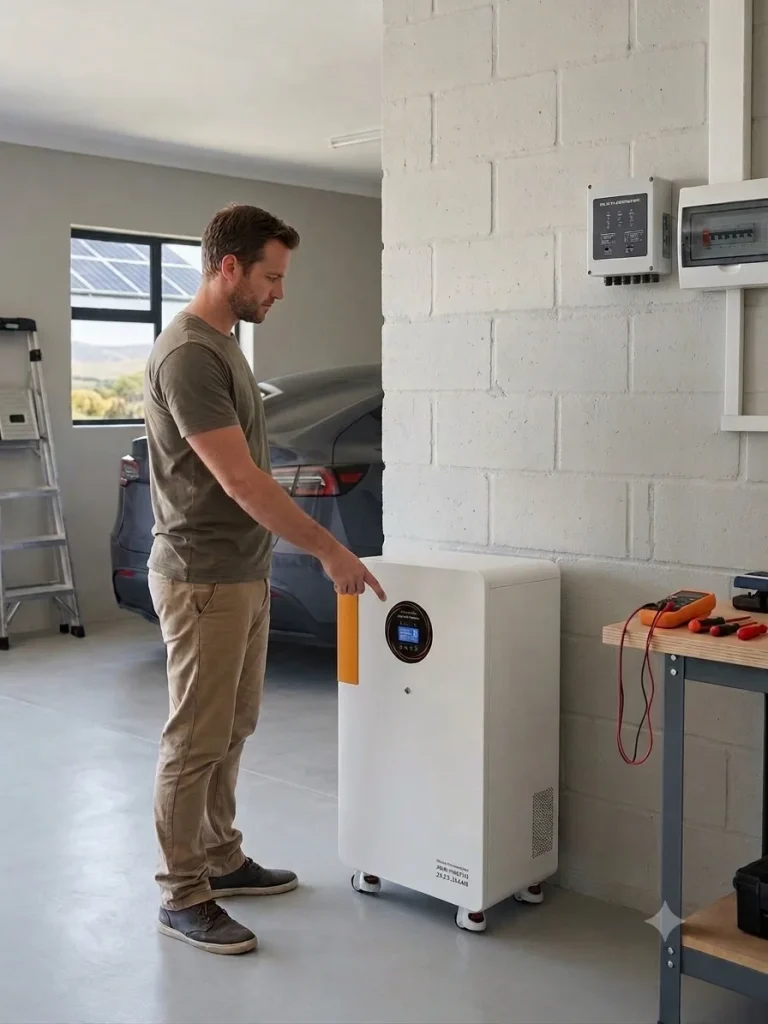
In recent years, more flexible energy storage products have also appeared for residential use, including portable or wheeled home batteries. Some all-in-one energy storage systems come with wheels. Although an electrician is still required to connect them to the home’s electrical system, the battery itself can be moved, making it convenient for homeowners to use it in different rooms or adjust its placement based on the season and how it’s being used.
However, it’s important to remember that portable doesn’t mean you can place the battery anywhere you want. Regardless of whether a battery is easy to move, you still need to consider the following factors when choosing where to install or place it:
Operating temperature: Batteries have specific ambient temperature requirements. Temperatures that are too high or too low can affect performance and lifespan.
Rain/moisture: Although many products offer some level of water resistance, prolonged exposure to moisture can still affect battery life. For outdoor use, choose a well-ventilated location away from direct sunlight.
Ventilation: Batteries generate heat while operating and need adequate clearance and ventilation to dissipate that heat.
Direct sunlight: Batteries should not be placed in direct sunlight, as high temperatures can accelerate battery degradation.
Clearance: The installation location should leave enough space for maintenance and servicing.
Ground stability: For floor-standing or portable batteries, the surface must be level and stable.
Manufacturer’s instructions: Installation requirements vary slightly from one product to another, so always read the specific requirements in the product manual carefully before installation.
Does Battery Chemistry Affect Installation Requirements?
Yes. Different battery chemistries can vary significantly in thermal stability, gas release, weight, and maintenance requirements, so the key installation considerations will also differ.
LFP (Lithium Iron Phosphate): It generally has better thermal stability and is less prone to thermal runaway, but that does not mean it can be installed anywhere. Extreme temperatures can still affect performance and battery life, so the specified charging and discharging temperature ranges must be followed. Proper ventilation, clearance, and protection from water are also essential.
NMC (Nickel Manganese Cobalt): It has a higher energy density, but its thermal stability is generally lower than that of LFP, so it requires more stringent thermal management. Locations exposed to prolonged high temperatures should be avoided, and the manufacturer’s installation requirements must be followed carefully. (Fire safety requirements and certifications apply to the complete energy storage system, not just the battery cells.)
Lead-acid batteries: They can produce hydrogen gas during charging, so ventilation is especially important. They should not be placed in enclosed, poorly ventilated indoor spaces. They are also relatively heavy, so the floor’s load-bearing capacity and structural support should be considered in advance. In addition, they should be kept away from damp and corrosive environments.
Should a Solar Battery Be Installed Indoors or Outdoors? Which Is Better?
First, let’s look at the differences between installing a battery indoors and outdoors:
| Indoor | Outdoor |
| More stable temperature | Saves indoor space |
| Avoids direct sunlight | Easier access to nearby electrical equipment |
| Protection from rain | May require some additional wiring |
| Easier to control the environment | More exposed to temperature and humidity changes |
| May require additional fire protection measures | Requires consideration of weather and sunlight |
Advantages of installing a battery indoors: Indoor temperatures are relatively stable, helping to protect the battery from the effects of intense summer heat and extreme winter cold. Indoor installation also keeps the battery protected from rain, snow, and moisture. In addition, installing the battery near the electrical panel can simplify wiring and reduce installation costs.
Advantages of installing a battery outdoors: Placing the battery outdoors frees up indoor space. NFPA 855 allows more capacity for outdoor battery installations (up to 80 kWh), while the capacity limit for indoor installations in non-garage areas is typically only 40 kWh.
Things to consider when installing a battery indoors: Residential living spaces, such as bedrooms and living rooms, are generally not permitted locations for home batteries. Indoor locations permitted under NFPA 855 generally include attached or detached garages, utility rooms/storage rooms, and locations on exterior building walls at least 3 feet (about 0.9 meters) away from doors and windows. Indoor installations also need to take into account specific requirements for ventilation, impact protection, and spacing between units.
Things to consider when installing a battery outdoors: The battery should be protected from direct sunlight and installed in a well-ventilated location. If it is installed on an exterior building wall, a minimum safety distance of 3 feet (about 0.9 meters) must be maintained between the battery and doors or windows.
Based on the comparison above, we can see that both indoor and outdoor battery installation have their own advantages and disadvantages. If the location meets the manufacturer’s requirements and local regulations, I would generally prefer an indoor location because it provides better protection against direct sunlight, rain, snow, and extreme temperatures. A garage or other suitable non-living space can provide a more stable environment for the battery and make maintenance easier. However, outdoor installation is not necessarily a bad option. For example, in hot weather, a poorly ventilated indoor garage can become extremely hot, in which case a shaded and well-protected outdoor location may actually be more suitable.
Ultimately, the key factor is not whether the battery is installed indoors or outdoors, but whether the location can keep the battery within its recommended operating conditions while meeting all applicable safety and installation requirements.
Where Is the Best Place to Install a Home Battery Indoors?
Garage:
The garage is probably the first place that comes to mind for many people, because the electrical panel is usually located there. Installing the battery nearby can reduce the amount of wiring needed and save a little on installation costs. It also means you don’t have to give up space in the living room or bedroom. So yes, it sounds like a pretty good option.
But there are a few things to consider:
The first is temperature. Garages can get cold in the winter and hot in the summer. For lithium batteries, an operating temperature between 10°C and 25°C is generally considered ideal. Outside this range, battery aging can accelerate significantly. There are even Reddit users who have tested this themselves, reporting that garage temperatures can regularly climb to 38°C or higher in the summer. After spending an entire summer in those conditions, battery capacity can start to decline. When temperatures drop below freezing in the winter, the amount of power a battery can deliver can also be reduced, much like how your phone battery tends to drain faster in cold weather.
You might think, “What if I install an air conditioner specifically for the garage?” That would certainly help, but installing an air conditioner just for the sake of keeping the battery cool seems a little excessive.
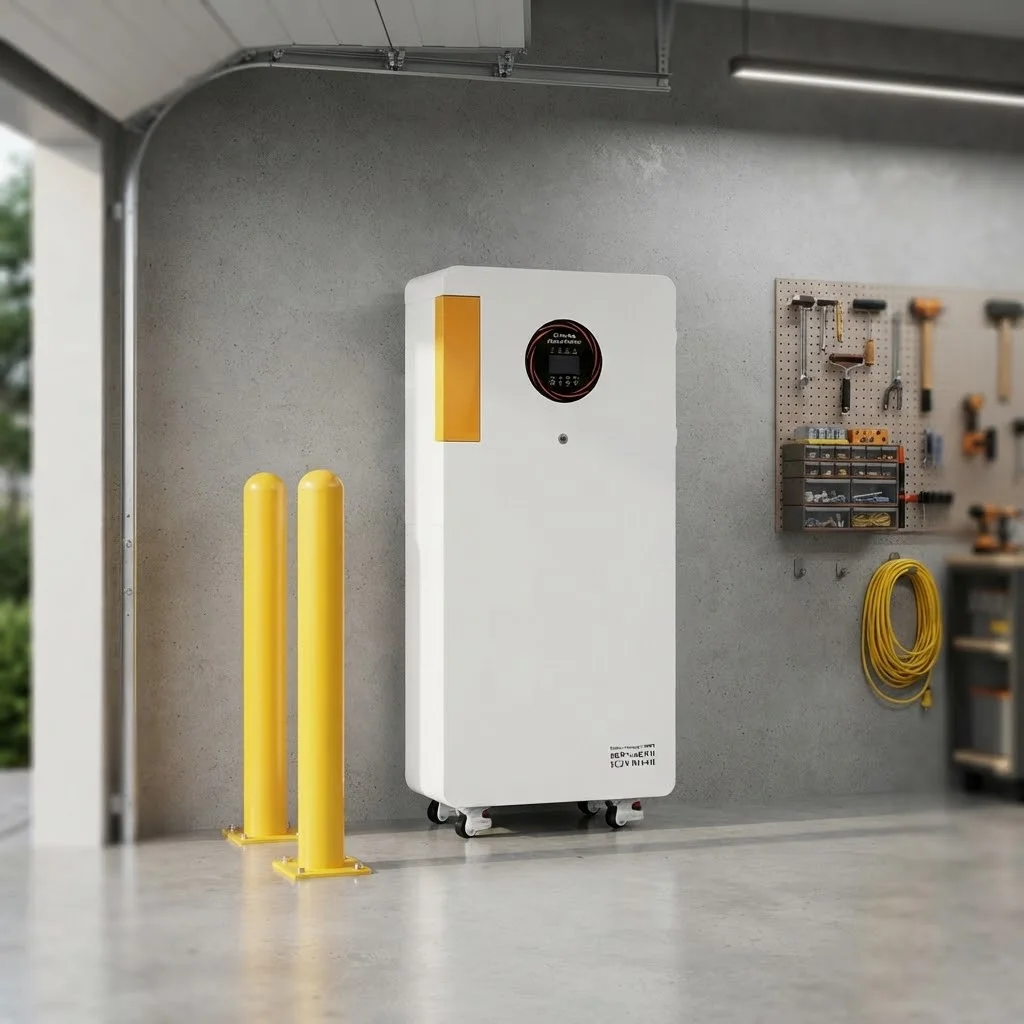
The second is safety. A garage is where vehicles are parked, and if the battery is also installed there, it could be in the path of a vehicle. If the battery is installed along a vehicle’s travel path, protective bollards may be required to prevent accidental impact. Without them, one day you could back into the battery without realizing it, and the consequences could be serious.
The third is clutter. Garages are often used to store all kinds of things. A battery needs adequate clearance around it for heat dissipation and maintenance access, but if the garage is packed with stuff, that space can easily get blocked, making heat dissipation and servicing much more difficult.
Basement:
A basement is generally a cooler place, with more stable temperatures, which can be better for battery longevity.
But there are a few things to watch out for:
The first is moisture. Some basements are perfectly dry, while others can become damp during the rainy season. A battery is an electronic device, and prolonged exposure to moisture can cause terminals to oxidize or corrode and may gradually lead to problems with internal components.
The second is emergency exits. If the basement has an exit leading outdoors, the battery should not be placed along that access route. And if the basement has been finished as living space, installation requirements may be more stringent, with additional fire-separation considerations.
Utility Room/Storage Room:
If your home has a small room near the electrical panel, such as a storage room on the first floor or a small space at the end of a hallway, this can be a relatively hassle-free option. A dedicated utility room or storage room typically has more stable temperatures than a garage and is less likely to have the moisture issues found in some basements. It’s also intended for storing equipment, so the space and ventilation conditions are generally better.
However, keep in mind that utility rooms and storage rooms may have capacity limitations. If you want to install multiple batteries, you may need to confirm whether the total system capacity falls within the limits set by applicable codes and regulations. If you’re unsure how to calculate this, a professional installer can help assess your situation.
Where Is the Best Place to Install a Home Battery Outdoors?
If you’re installing a battery outdoors, you’ll need to consider rain and direct sunlight.
A good outdoor location is a sheltered exterior wall under an eave or an east-facing wall.
Try to avoid leaving the battery exposed to direct sunlight for long periods. South- or west-facing locations tend to receive stronger sunlight, and the wall itself can become very hot. Prolonged exposure can cause the temperature around the battery to rise significantly, which can shorten its lifespan. North- and east-facing walls generally receive less direct sunlight, so temperatures tend to be lower and more stable.
Ideally, the battery should be installed in a shaded, covered area, such as under an eave, beneath a balcony, or under a dedicated shade structure.
What Are the NFPA Requirements for Residential Battery Energy Storage?
NFPA 855 is the installation standard for stationary energy storage systems published by the National Fire Protection Association. For single-family homes, Chapter 15 of NFPA 855 is the primary reference:
① Individual battery units should not exceed 20 kWh
If the capacity of an individual battery unit exceeds 20 kWh, the installation requirements become more stringent. Most residential energy storage products are designed to stay within this limit.
② Capacity limits vary by installation location
NFPA 855 sets different total capacity limits depending on where the batteries are installed:
| Installation Location | Maximum Total Capacity |
| Garage | 80 kWh |
| Outdoor Wall | 80 kWh |
| Equipment Room / Storage Room | 40 kWh |
The specific capacity limits are subject to the requirements of the local AHJ. Enforcement and applicable codes may vary by location.
③ Spacing is required between battery units
Energy storage units typically need to be spaced at least 3 feet (about 0.9 meters) apart. The purpose is to help prevent a fire in one battery from spreading to another.
Keep in mind: NFPA is not the only applicable standard. The installation must also comply with the NEC, local building and fire codes, and the manufacturer’s installation instructions.
How Close Can a Home Battery Be to a Window or Door?
According to NFPA 855, a home battery installed outdoors must generally be at least 3 feet away from doors and windows (subject to the requirements of the local AHJ). This isn’t simply about keeping the battery far enough away from windows and doors for better heat dissipation—it’s primarily a fire-safety measure. If a battery were to catch fire, the smoke and heat would be less likely to enter the home directly through doors or windows or block an emergency escape route.
Locations You Should Avoid When Installing a Home Battery
Where and how a home battery is installed directly affects the safety of your family and property. The following locations should absolutely be avoided:
· Never install a home battery in bedrooms, living rooms, kitchens, home offices, or other areas where family members spend extended periods of time.
· Never install it in stairwells, hallways, entryways, or other passageways. In the event of an accident, the battery could block the only available escape route.
· Attics, ceilings, or wall cavities are also poor choices. These areas often have limited ventilation, higher temperatures, and are difficult to monitor. If a problem occurs, a fire can be much harder to detect and control.
· Fuel storage areas and chemical storage areas should also be strictly off-limits. These locations contain flammable or potentially hazardous materials, creating unnecessary risks.
Can the Battery Installation Location Affect Installation Costs?
Yes. Although battery prices are relatively transparent and there may not be a huge difference between products with similar capacities and specifications, the installation location can make a significant difference in the total cost.
The Farther the Battery Is From the Electrical Panel, the Higher the Installation Cost Can Be
If a home battery is installed far away from the electrical panel, you may need more cable, and the cable itself isn’t cheap. Long cable runs also require more labor and may involve drilling through walls, routing and securing cables, backfilling, and other installation work.
One homeowner shared on a forum that simply having nearly 40 meters between the electrical panel and the installation location added $1,200 to the quote. This is only one example, and actual costs will vary depending on the wiring route, local labor rates, electrical panel capacity, and whether trenching or structural work is required.
The More Complicated the Installation, the Higher the Labor Cost
Wall-mounted installation: If the wall needs structural reinforcement, special mounting hardware, or additional wiring, labor costs may increase.
Outdoor installation: An outdoor location may require weather-resistant conduit, mounting equipment, additional protection, or site preparation.
Difficult indoor locations: Finished walls, limited access, or cable runs through basements or shared utility areas can also increase labor costs.
Can a Movable Battery Reduce Location-Related Costs?
As we discussed earlier, permanently installed home batteries are typically fixed in one location, which means the electrical work has to be designed around that specific installation point.
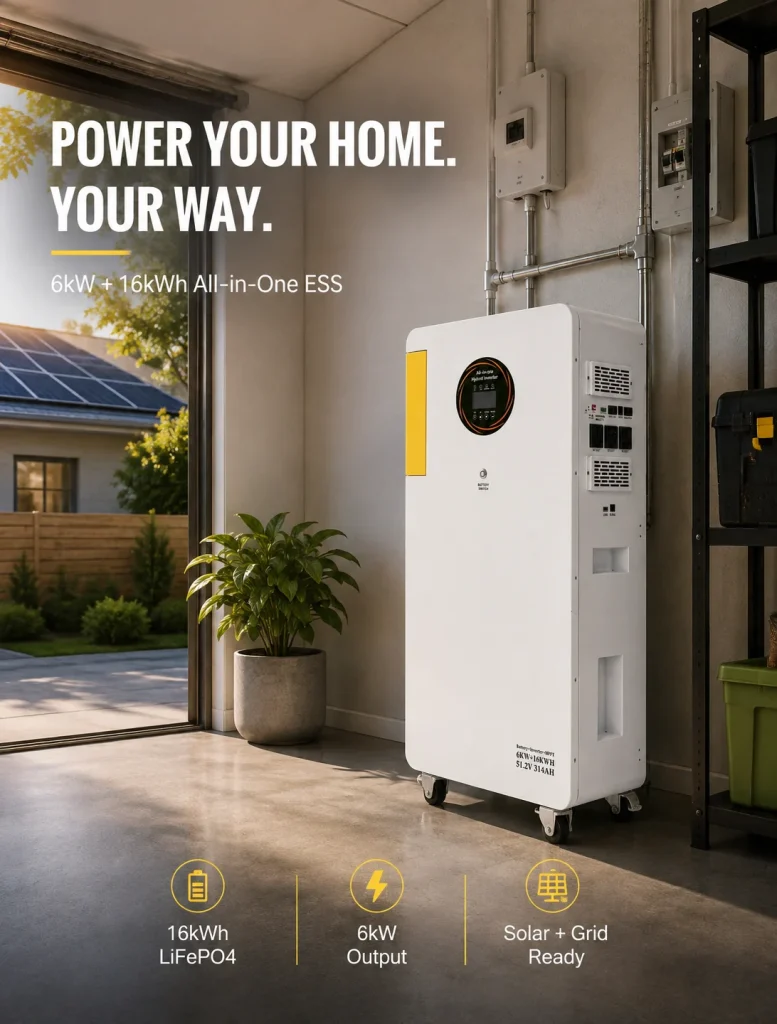
Some newer energy storage systems, however, use a wheeled, movable design. For example, Piforz’s 6 kW/16 kWh all-in-one energy storage battery features a movable design, giving homeowners more flexibility in both installation and use.
Let’s say you’ve chosen a good location for your home battery: it’s dry, cool, well ventilated, and protected from direct sunlight. But conditions can change with the seasons. The location may work well in winter when it stays cool and out of direct sunlight, but become too hot or exposed to direct sunlight during the summer.
That’s where a movable energy storage battery can be useful. You can adjust its location as needed—for example, moving it from the garage to the basement when the garage becomes too hot in summer, or placing it in a more temperature-stable storage area during winter.
This can not only reduce installation costs, but also give homeowners more flexibility when choosing where to place and use their energy storage system.
However, one more important point: when it comes to installation, always follow the product specifications, manufacturer’s instructions, and applicable local codes and regulations.
10-Point Checklist for Choosing a Home Battery Installation Location
✅ Check what type of installation the battery supports → Refer to the installation type specifications in the product manual
✅ Make sure the installation location complies with local code requirements → Consult your local AHJ or have your installer confirm
✅ Meet the required clearance requirements → Refer to NFPA 855
✅ Keep the battery within the recommended temperature range → Check the product manual; most batteries are rated for 0°C to 40°C
✅ Avoid direct sunlight → Whenever possible, choose a north- or east-facing wall, a location under an eave, or another shaded area
✅ Keep the area dry and protected from water → Avoid low-lying areas, standing water, damp locations, or places where water could enter
✅ Provide adequate airflow → Refer to the product manual; typically, around 10 cm (4 inches) of clearance is needed for heat dissipation
✅ Protect against physical impact → Keep the battery away from vehicle traffic or install protective bollards
✅ Keep a reasonable distance from the electrical panel/inverter → The closer the battery is, the lower the installation cost is likely to be
✅ Leave enough space for maintenance and future expansion