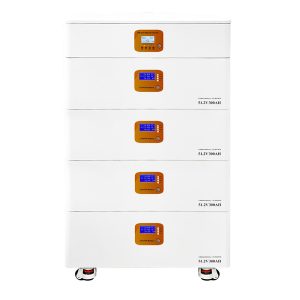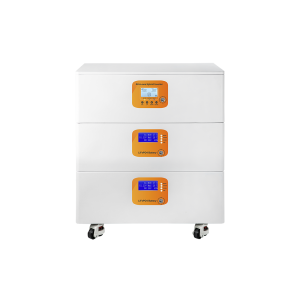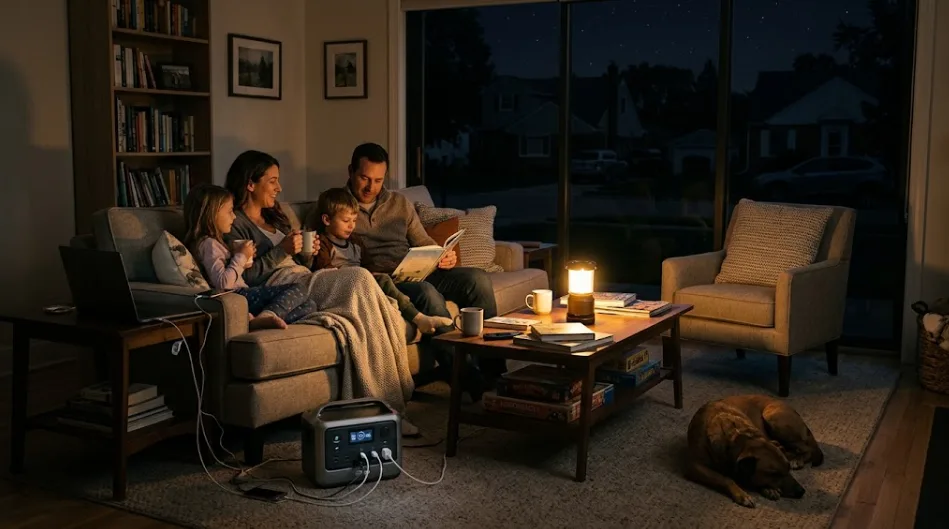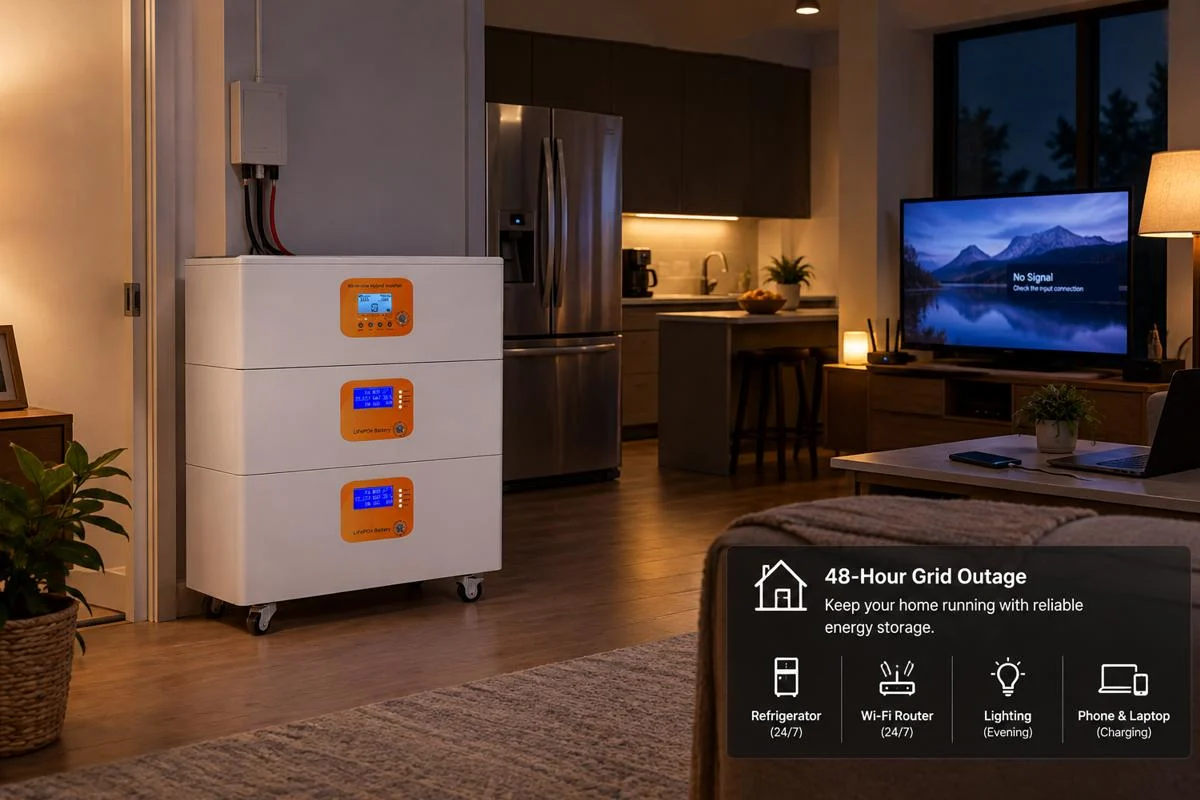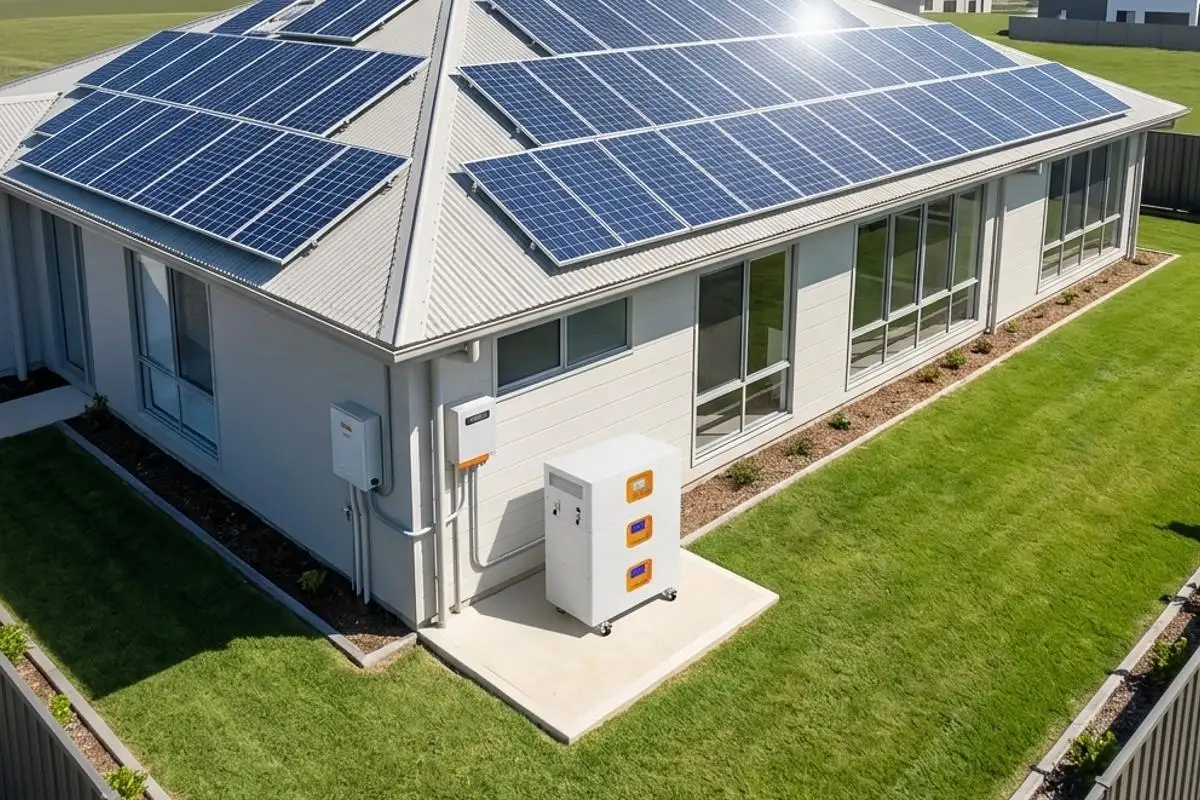

It’s almost the end of the year, and recently quite a few users have still been asking whether they can still get the 30% federal tax credit if they buy a large-capacity portable power station now. As someone who has been a salesperson in portable power stations and energy storage for several years, I think it’s necessary to explain this issue and the policy clearly, because this is actually an easy place to stumble. Many people assume that since a portable power station also stores electrical energy and can power a home, it should enjoy the same preferential policy as a home energy storage system, right? But the answer isn’t that simple. Under Section 25D of the U.S. Internal Revenue Code, battery storage equipment must meet specific capacity and residential use conditions to qualify for the relevant credit. Moreover, this federal Residential Clean Energy Credit no longer applies to qualified expenditures incurred after December 31, 2025. So for people planning to buy equipment only in 2026, this is not valuable news. What they need to understand is exactly what has changed in this policy, and whether there are other incentives a portable power station might qualify for.
Understanding the Residential Clean Energy Credit
Many people who are interested in buying a portable power station have probably heard, more or less, that the government offers tax breaks for purchasing solar panels or energy storage systems. But this is actually the easiest place to stumble. Tax breaks did exist, but policies change. If you don’t figure out these rules before buying, you may easily believe a salesperson’s pitch and think you can still get the benefit, only to spend tens of thousands of dollars installing equipment and then discover at tax time that you can’t get a single dollar back. So you need to understand the policy clearly first, then decide how to buy.
What Section 25D Covers
The U.S. Residential Clean Energy Credit is established under Section 25D of the Internal Revenue Code. Under the rules the IRS previously applied, when conditions are met, consumers could use 30% of qualified clean energy equipment expenditures to offset federal income tax. Applicable equipment includes solar electric systems, geothermal heat pumps, and qualifying battery storage equipment, among others.
If that’s not very clear, no problem, let me give an example. Suppose you want to install a qualifying battery storage system for your home, with qualified expenditures of $10,000. At 30%, the credit amount would be $3,000; if qualified expenditures are $20,000, the credit amount could reach $6,000. For families that need to install a full home energy storage system, this really can save a chunk of money.
Also note that this 30% credit does not apply to all energy-related spending, but only to qualified expenditures that meet the policy requirements. Just because a device can store electricity and can power appliances during an outage does not necessarily mean it qualifies for the credit. In addition, this Section 25D credit is not the government directly sending you money, but rather offsetting the federal income tax you owe for that year. So how much you actually save depends on how much tax you actually owe that year. If you owe more tax, you can offset more. If you owe little tax, you may not be able to use it all. And this credit used to allow the unused portion for the year to be carried forward to future years. However, for earlier projects, the specific rules still need to be verified according to the provisions for that tax year, and you can’t just apply the current ones directly.
From this it’s not hard to see that this policy really did save qualifying families a lot of money, but only on the premise that the equipment, expenditures, and filing all comply with the rules. When it comes to portable power stations specifically, you can’t just look at battery capacity; you have to analyze it on a case-by-case basis.
If You Buy in 2026, Can You Still Claim This Credit?
But unfortunately, this policy later changed. According to the IRS’s official explanation of the One Big Beautiful Bill Act, the termination date for the Residential Clean Energy Credit has been moved up to December 31, 2025. So can you still claim this credit in 2026? That depends on when your equipment was installed and which tax year you’re filing for. Simply put, filing taxes in 2026 and buying equipment in 2026 are two different things. The former may involve claiming qualifying projects for the 2025 tax year, while the latter can no longer enjoy this already-terminated federal Residential Clean Energy Credit.
- First scenario: if you completed a qualifying residential battery storage project in 2025, the related expenditures may still qualify under the rules for the 2025 tax year. When the 2026 filing season arrives, you can, according to the applicable rules, claim the qualifying credit via Form 5695. The key is whether the equipment itself qualifies, whether the qualified expenditures meet the requirements, and whether the related project was completed before the policy deadline. Purchase and installation records also need to be properly kept.
- Second scenario: if you plan to buy equipment only in 2026, or although you paid in advance, the original installation is not completed until 2026, you cannot assume you can still enjoy the 30% Section 25D credit just because you’ve already signed a contract or paid a deposit. When determining this, you need to focus on when the qualified expenditures actually occurred and the applicable deadline, rather than just looking at the contract signing date or invoice date. And the so-called “original installation” is the day the equipment is first formally installed, connected, and put into service.
Do Portable Power Stations Meet the Eligibility Requirements?
Now let’s return to the core question at the very beginning: can a portable power station enjoy this credit policy? For qualifying projects in 2025 and earlier, the answer isn’t a simple yes or no. We can’t directly deny it just because it’s portable, but we also can’t assume it definitely qualifies. Whether it works still depends on its battery storage technology, capacity, whether it’s used for residential purposes, and whether the related expenditures meet the rules.
But if the expenditure occurs in 2026, the situation is different. Even if a portable power station meets the standards in both technology and use scenario, you still can’t say it can claim the credit, because this federal credit has already terminated in 2026.
The 3 kWh Minimum Battery Capacity Requirement
First, the battery capacity threshold is one of the important conditions for determining whether equipment can count as meeting the battery storage technology credit requirements. Under the rules previously applicable under Section 25D, qualifying battery storage technology must have a rated capacity of at least 3 kWh. Note that this is not a suggestion, but a hard threshold. Even if your device can actually run at 3 kWh, it won’t work if its nominal rating doesn’t reach that. When judging, you look at the device’s rated capacity and related technical documentation, not at how it performs in actual use.
In addition, many users like to DIY and freely combine equipment systems, but this form also cannot be filed for the credit. This isn’t something that counts just because you connect it with any random wire. It must be connected with the dedicated cable provided by the original manufacturer, be able to manage charging and discharging in a unified way, and the manufacturer must clearly state in the official manual that this is a complete integrated solution. Only then does it count as a qualifying energy storage system, rather than several machines pieced together.
If you look only at capacity, there are indeed some large-capacity portable power stations on the market that can reach this threshold. For example, EcoFlow DELTA Pro, BLUETTI AC300 paired with B300 expansion batteries, Piforz PT3650S All-in-One, and Anker SOLIX F3800, among other products. Although the capacity meets the threshold, that does not mean it can definitely get the tax credit. Buyers still need to verify whether the device itself meets the relevant technical requirements, whether the use scenario meets residential conditions, and whether the project was completed within the applicable policy period. But this is where it’s easiest to be misled by salespeople. They often advertise “eligible for the 30% tax credit” just because of capacity, but in actual tax practice you can’t focus on capacity alone.
Residential Installation and Eligible Costs
After understanding the capacity requirement, next you also need to look at where the equipment will be used, how it will be used, and whether it meets the applicable conditions of the Residential Clean Energy Credit. Simply put, a portable power station can usually independently power appliances, can also be paired with solar panels, or can provide backup power for some household loads during an outage. Compared with portable power stations, home energy storage systems usually need to be more closely integrated with the home’s power supply system. The two do differ in design and usage, but you can’t directly judge whether there is tax eligibility simply because the device is portable and not permanently installed.
Even if a portable power station can connect to solar panels or can provide backup power for some household loads, that doesn’t mean the entire setup can be directly deemed eligible. When judging, you also need to verify whether the equipment itself belongs to qualifying battery storage technology and whether its installation and use meet the applicable conditions.
And besides the equipment itself, related installation costs also require special attention. The previous rules allowed qualifying site preparation, assembly, original installation, and necessary electrical connection costs to be included in the relevant qualified expenditures. But not all expenses related to a portable power station can be credited. Equipment purchase costs, solar panel costs, installation service fees, and other supporting costs need to be verified separately according to the specific project and applicable rules; you can’t directly treat all expenses of the entire system as qualified costs.
In addition, you also need to distinguish whether the equipment itself meets the technical requirements, and whether the buyer is still eligible to apply in the corresponding year. This is also the key issue we mentioned earlier. According to the IRS’s current policy explanation, the Residential Clean Energy Credit does not apply to qualified expenditures incurred after December 31, 2025. So even if a certain portable power station met the previous technical requirements in terms of capacity, configuration, and residential use, you cannot conclude on that basis that it can still enjoy this federal credit after installation is completed in 2026. Although it may technically qualify, that is a different question from whether the buyer can actually obtain the credit. For example, if you bought a 3.6 kWh DELTA Pro and connected it to your home’s electrical panel and put it into service in October 2025, you might still make it in time for filing; but if it isn’t installed and put into service until January 2026, you won’t get this federal credit even if everything else fully meets the requirements.
How to Claim the Credit for Eligible 2025 Installations
But if you were fortunate enough to complete your residential battery storage project while the policy was still in effect and just haven’t claimed it yet, then next you need to figure out which year’s rules you should file under.
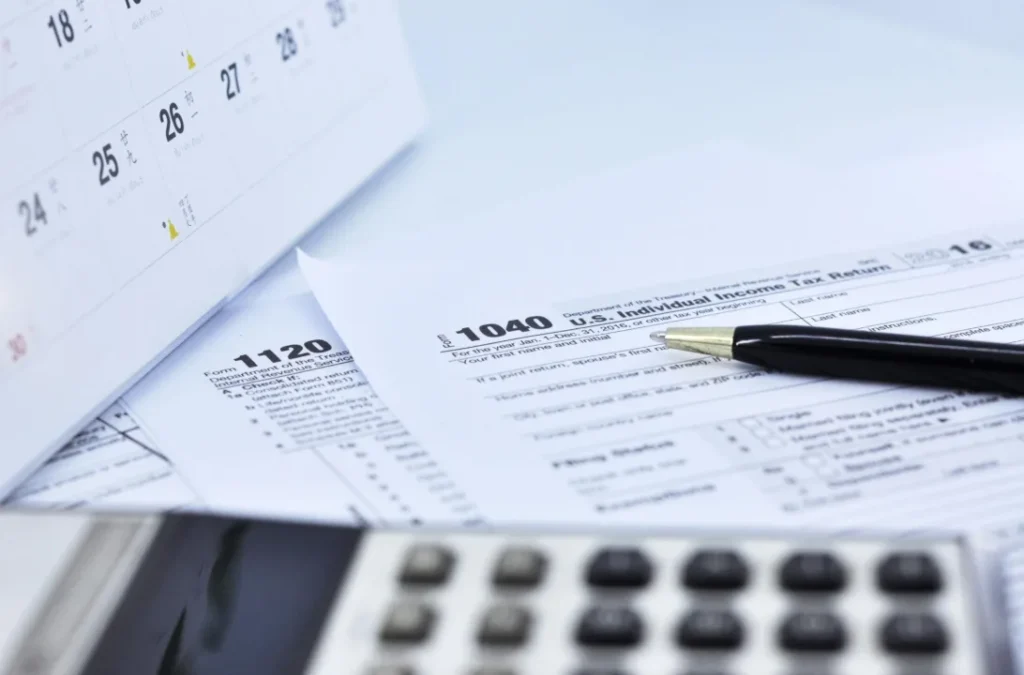
First, we need to distinguish between the filing year and the tax year that actually applies. U.S. federal personal income tax generally reports on the previous tax year’s matters. For example, a return you submit in 2026 generally reports income and tax matters for the 2025 tax year. So if you’re claiming a qualifying project completed in 2025, you should first check the Form 5695 and instructions the IRS issued for the 2025 tax year.
But note that even if you use the correct form, it doesn’t mean the project automatically qualifies. Before filing, you still need to verify the equipment type, installation completion date, and qualified expenditures according to the rules for the corresponding tax year.
If you completed the project before the policy deadline but haven’t filed yet, you can first prepare the following materials:
- Equipment purchase invoices and payment records.
- Original installation completion date and related records.
- Product specifications and battery capacity proof.
- Materials related to residential use and installation.
- Form 5695 and instructions for the corresponding tax year.
Be careful when organizing these too. Your purchase date, payment record, and installation completion date may not all be the same day, so you can’t judge whether you qualify just by the invoice date. If you have already claimed it before, or still have unused credit from prior years, you also need to verify the carryforward rules for the corresponding tax year. For equipment like portable power stations, if you still can’t determine eligibility from the available materials, or you find it simply too troublesome, then it’s best to ask a professional familiar with the relevant tax law before filing. Doing so isn’t to guarantee that you’ll definitely get the credit, but to try to avoid reporting non-qualifying expenditures because you misunderstood.
Other Incentives to Check Before Buying a Portable Power Station
Perhaps by this point you’re thinking, if the federal Residential Clean Energy Credit is gone, then is it not worth buying a portable power station now? Actually, not necessarily. Although this federal credit has terminated, you can check whether there are other incentives in your area.
Local Utility Rebates and Emergency Power Programs
First, you can check whether the electric utility in your area offers related subsidies. Generally speaking, many grid companies, fearing public backlash from power outages during extreme weather, encourage residents to keep backup power on hand during extreme weather by offering cash rebates.
However, note that different programs can vary greatly, and the supported equipment types and application conditions are all different. Some programs may only recognize permanently installed residential batteries, while others may require the equipment to have specific technical functions, or to be connected to the utility’s management system. So before buying, it’s recommended that you first go to the official website of the utility company listed on your electricity bill and check whether it has an energy storage incentive program, a backup power assistance program, or related energy programs. And focus on whether the program is still open for applications, which brands and equipment types it supports, and whether there are restrictions on capacity, installation method, or income.
State Disaster Preparedness Sales Tax Holidays
Besides utility subsidies, you can also check whether your state has a sales tax holiday for disaster preparedness supplies.
Some states open a tax-free window during hurricane season or other periods of higher disaster risk, allowing consumers to buy qualifying emergency supplies within the specified period without paying sales tax. However, which items qualify, what the price cap is, and when the event starts and ends are all determined by each state.
For example, Texas once included qualifying portable generators in its emergency supplies sales tax exemption and set corresponding price limits. But the problem is that portable generators and portable power stations are not the same kind of product, so you can’t simply assume that just because the former is tax-exempt, the latter must be too. If you plan to rely on a sales tax holiday to save some money, it’s best to first go to your state tax department’s official website and check the officially published list of tax-exempt items to confirm whether portable power stations are explicitly included, and what the applicable time period and price limits actually are. Only when the product category and purchase conditions both match can this benefit truly be used.
Medical (FSA/HSA) & Business Deductions
Moreover, if you’re buying a portable power station to meet a clear medical need or business need, you can also look into the relevant reimbursement and tax deduction rules. For example, if someone in the household needs to use medical equipment such as a ventilator or oxygen concentrator, you can first check whether the related medical expenses can be reimbursed through an FSA or HSA. According to IRS rules, these types of accounts can only be used to pay for qualifying medical expenses. So even if a doctor certifies that backup power helps with a patient’s medical needs, that doesn’t mean the purchase cost of this portable power station can definitely be reimbursed. Whether it works still has to be verified based on the equipment’s use, medical necessity, and the specific requirements of the account administrator.
For another example, if you’re a photographer, food truck operator, or do mobile engineering work and need to use a portable power station as equipment in your daily business, you can also look into business equipment expense deduction rules such as Section 179. Qualifying business equipment may allow part or all of the cost to be deducted in the tax year it is placed in service. But how much can be deducted depends on whether the equipment meets the rules, the actual proportion of business use, and the applicable tax limits. If the device is used for both personal life and business operations, then usually you can’t count the entire purchase cost as a business deduction either.
Checking and understanding the latest relevant policies in detail before buying, and doing your homework in advance, can not only help you avoid making decisions based on outdated information, but also help families reasonably plan their backup power budget, so get moving!
IRS Official Guide to the Residential Clean Energy Credit
About Form 5695, Residential Energy Credits (IRS) / Instructions for Form 5695
DSIRE (Database of State Incentives for Renewables & Efficiency)
State Sales Tax Holidays Directory (Federation of Tax Administrators)