“Solar,” “storage,” and “solar system” are terms we hear more and more often in everyday life. But what do they actually mean, and how do they work together? Let’s start from the basics and break it down step by step.
What Does Solar Mean?
Solar energy refers to the energy released by the sun through nuclear fusion. It reaches Earth mainly in the form of light and heat.
It is the primary source of most energy on our planet and is known for being clean, renewable, and abundant. Solar energy also plays a key role in sustainable development and in addressing climate change.
What Is a Solar System?
When we talk about solar energy, we naturally need to understand what a solar system is.
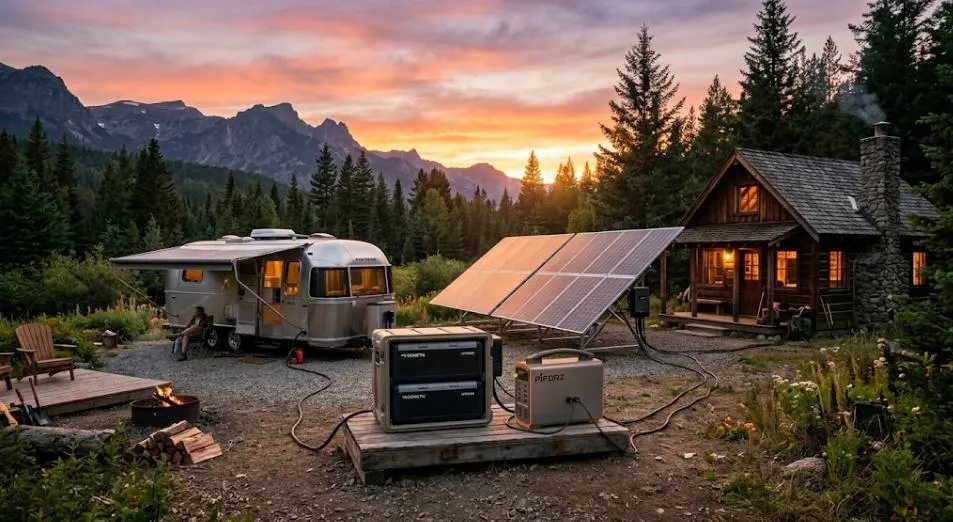
A solar system is not a single product—it’s a combination of technologies designed to convert sunlight into usable electricity.
A typical residential solar system includes:
Solar panels– usually installed on rooftops or the ground, capturing sunlight and generating direct current (DC) electricity
Inverter– converts DC electricity into alternating current (AC), which your home can use
Electric meter– tracks energy usage and helps manage power distribution safely
How Does a Solar System Work?
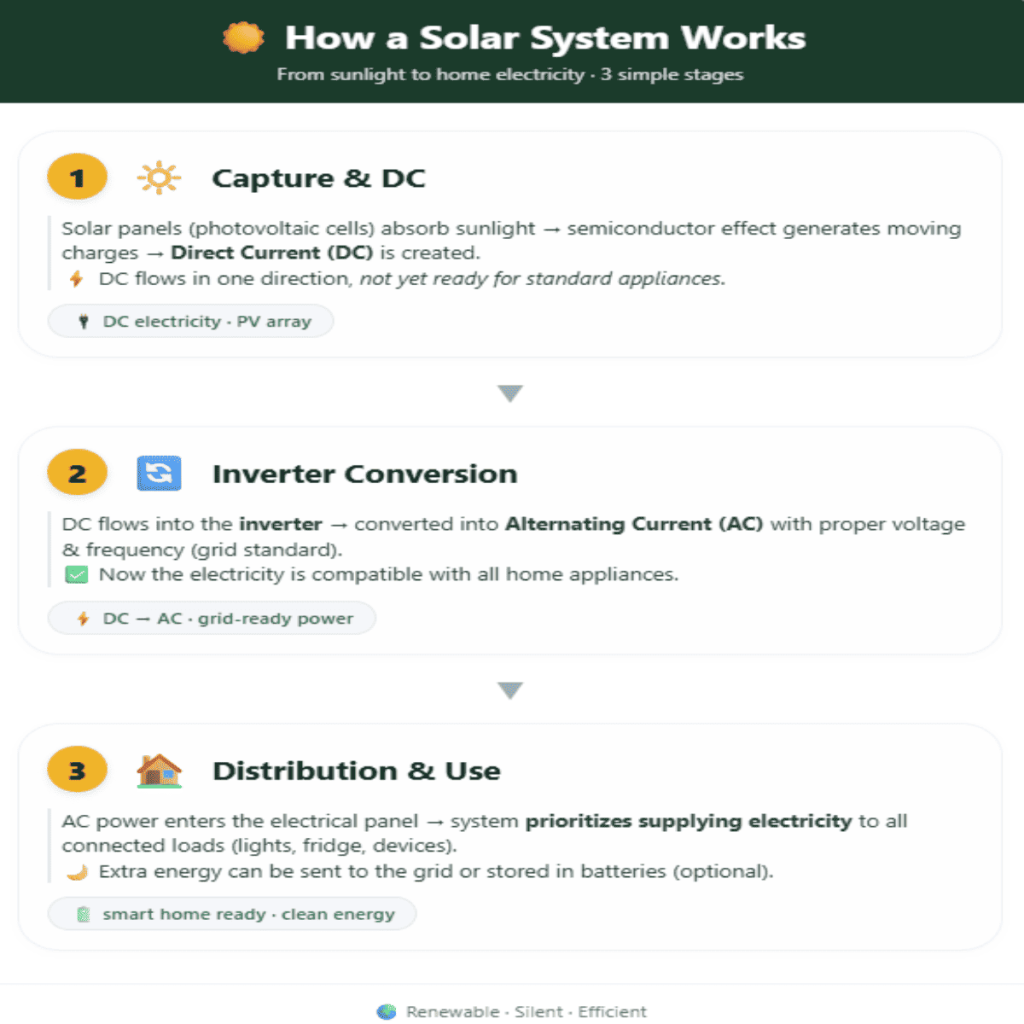
The working process is actually quite straightforward and can be broken down into three steps:
Step 1: Capture sunlight and generate DC electricity
Solar panels are made up of multiple photovoltaic (PV) cells. When sunlight hits the semiconductor material inside the panels, electrons start moving, creating direct current (DC) electricity. However, this electricity cannot be used directly by most household appliances.
Step 2: Convert DC to AC electricity
The DC electricity flows into the inverter, where it is converted into AC power that meets grid standards. This is the form of electricity used by everyday home appliances.
Step 3: Distribute and use electricity
The AC power is then sent into your home’s electrical system, where it is distributed to power connected devices.
While solar energy offers many advantages, it also has limitations.
Solar panels generate electricity during the day, but at night—or during extended cloudy or rainy periods—they cannot produce power. Without an additional way to store energy, your home still depends on the grid or backup sources during these times.
This is where energy storage becomes essential.
What Is Solar Energy Storage?
Solar energy storage simply means storing the excess electricity generated during the day so it can be used later.
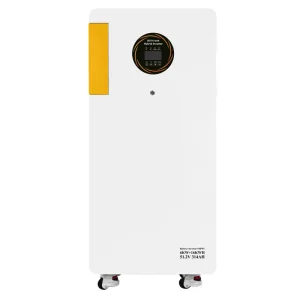
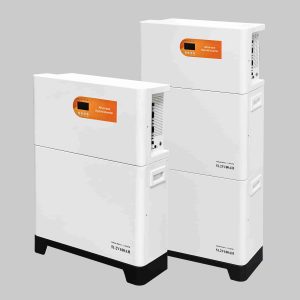
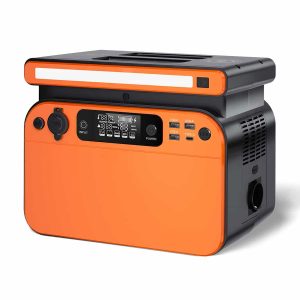
The system is very similar to a standard solar setup, but with one key addition: a battery, which is the most critical component.
If you want a deeper understanding of how energy storage works, you can refer to:
How to Store Electricity at Home: A Complete Guide to Energy Storage Systems
How Does Battery Storage Work with Solar?
Solar and battery storage work extremely well together.
During the day, solar panels generate electricity and power your home first. If more energy is produced than needed, the excess electricity is stored in the battery instead of being sent back to the grid.
If solar production is not enough, the system will draw power from the battery first. Only when the battery is depleted will it pull electricity from the grid.
At night, when solar panels stop generating power, the battery automatically takes over. It releases the stored energy to keep your home running. Once the battery runs out, the system switches back to grid power.
This setup becomes especially valuable during power outages.
Because the battery stores energy locally and the inverter can switch to off-grid mode, the system can disconnect from the grid and continue powering essential appliances independently. This ensures uninterrupted power and peace of mind during emergencies.
Adding a battery transforms a basic solar system into something more reliable, controllable, and resilient.
Is It Worth Getting Battery Storage with Solar?
After learning about solar and storage, many homeowners start wondering:Is it worth getting battery storage with solar?In my opinion, the answer is absolutely yes.
Backup Power
A solar system with battery storage provides reliable backup power during extreme weather, grid failures, or planned outages.
It can automatically disconnect from the grid and continue powering essential devices like lighting, refrigerators, and communication equipment.
Without storage, a standard grid-tied solar system will shut down during an outage.
Lower Electricity Bills
In many regions, electricity pricing varies throughout the day.
With a battery, you can store energy when it’s cheaper (or generated by solar) and use it during peak pricing hours. This “peak shaving” strategy can significantly reduce your monthly electricity bills.
Energy Independence
Most importantly, solar plus storage gives you greater energy independence.
You’re no longer fully dependent on the grid or affected by fluctuating electricity prices. You generate, store, and use your own power—creating a more stable and self-sufficient energy system.
Benefits of Solar and Storage vs Traditional Power
Traditional electricity sources often rely heavily on non-renewable fuels like coal and natural gas. These resources are finite and produce significant emissions such as carbon dioxide and sulfur dioxide, which harm the environment.
Gas generators, while useful during outages, come with several drawbacks:
Loud noise—often noticeable across the neighborhood
Ongoing fuel costs and storage requirements
Fuel degradation over time
Harmful exhaust emissions (not safe for indoor use)
Frequent maintenance (oil changes, spark plugs, rust prevention)
Solar and storage systems are completely different.They use sunlight—a clean, renewable energy source. The entire process produces zero emissions, no noise, and eliminates risks like fuel leaks or fire hazards.Once installed, they require minimal maintenance and provide a safer, more convenient energy solution.
So solar and storage isn’t just about having power during outages—it’s about choosing a cleaner and more reliable way to use energy from the start.
FAQ
Why Is It Difficult to Sell a House with Solar Panels?
This issue is usually caused by several factors—not simply because the home has solar panels.
1. Lease agreements .Many systems are leased rather than owned. Buyers may have to take over long-term contracts with ongoing monthly payments, which can be a burden.
2. Unclear ownership.Sometimes it’s not clear whether the system is included in the home sale or needs to be transferred separately.
3. Lack of understanding.Buyers may not fully understand how the system works, how much it produces, or how much it saves. This uncertainty can discourage them.However, homes with acomplete solar + storage systemare often more attractive, as they offer better energy independence and reliability.
What Is Solar and Storage Live?
“Solar and Storage Live” refers to industry trade shows focused on solar and energy storage.Examples include events like Solar & Storage Live España or Intersolar Europe. These exhibitions showcase the latest technologies, products, and trends, and serve as networking platforms for professionals.It’s not a product—it’s an event brand.
What Is the 33% Rule in Solar Panels?
There are two common interpretations:
Fire safety rule– If solar panels cover more than 33% of a roof, stricter fire safety access requirements may apply
Panel oversizing rule– Solar panels are often sized about 33% larger than the inverter capacity (e.g., 13kW panels for a 10kW inverter) to improve efficiency
What Is the 20% Rule for Solar?
This rule suggests designing a system with about 20% extra capacity beyond your current energy usage.For example, if your household uses 1,000 kWh per month, you might design the system for 1,200 kWh.This buffer accounts for cloudy days, system losses (like dust), and future increases in energy demand.