
New energy sources are becoming increasingly popular and widespread. Many households are now looking into how to achieve energy self-sufficiency; the combination of solar panels plus battery is no longer exclusive to tech enthusiasts—it has become a standard feature of the modern green home. However, a new question arises: are solar batteries worth it? Let’s break this down step-by-step. By the end of this article, you will likely have a much clearer answer.
How Solar Batteries Power Your Home
For beginners, solar system batteries might seem like nothing more than oversized power banks for storing sunlight. To understand them, we first need to look at what they actually are.
What Is a Solar Battery?
A solar system battery is a device used within a solar power system to store electrical energy and release it when needed. The core purpose of these batteries is to solve the mismatch between when power is generated and when it is used. When sunlight is abundant during the day, excess electricity generated by the panels is stored in the battery; when the sun goes down or electricity prices hit their peak, the system automatically releases that energy. This approach not only improves your self-consumption rate but also keeps your home appliances running during power outages.
How Do Solar Batteries Work?
When the sun is out during the day, the solar panels generate electricity first. This power is used directly by your home appliances, such as your refrigerator and lights. If there is excess power, it is stored in the battery—much like depositing money into a bank account. At night, or during a sudden blackout when the panels stop producing, the battery releases that stored electricity to keep your home powered.
To ensure the system remains efficient over the long term, engineers typically follow the famous “20% Rule”. This suggests that you should never fully drain the battery; instead, you should reserve 20% of the charge. This prevents the battery from being damaged by over-discharging, thereby extending its lifespan. Furthermore, keeping a 20% “floor” ensures you always have emergency power available during an unexpected outage.
Is It Worth ?
Once you understand the basic principles, it’s time to answer the core question: Is it worth buying?
Do I Really Need a Solar Battery?
This isn’t just about following a trend. Do you want the peace of mind that comes with using your appliances during storms and emergencies? Or are you looking to save on utility bills by storing cheap energy during the day and using it at night? Your specific needs will determine which solution is right for you—or if you even need one at all.
Is It Worth Adding a Battery to an Existing Solar System?
Discussions regarding whether it’s worth adding batteries are incredibly popular in communities like solar battery reddit. A common consensus among experienced users is that while the payback period may take 5–8 years, the security of having backup power and the freedom of energy independence are often priceless.
To figure out the value for yourself, consider these factors:
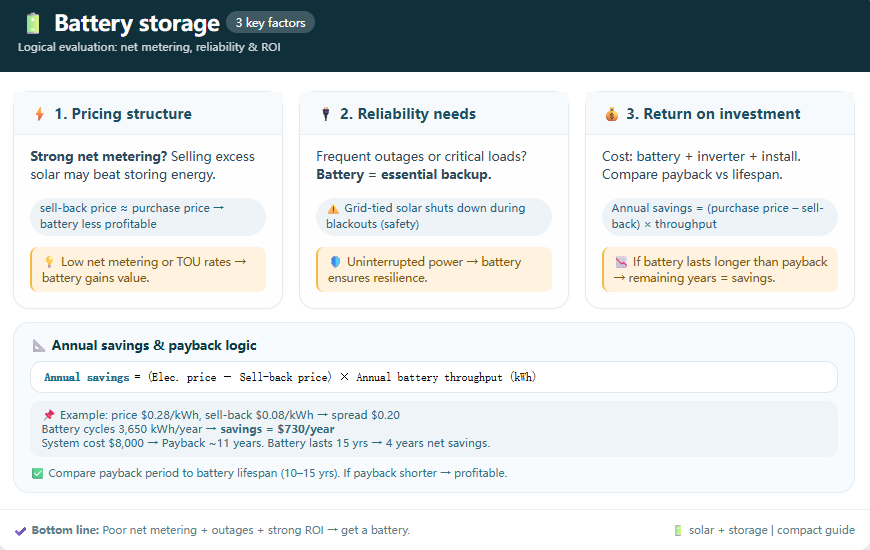
1.Electricity Price Spreads
Under a grid-tied model, if the government provides high subsidies (net metering) where the money you earn from selling electricity is nearly the same as what you pay to buy it, a battery may not be necessary. It would be more cost-effective to sell all excess power directly.
2.Reliability Needs
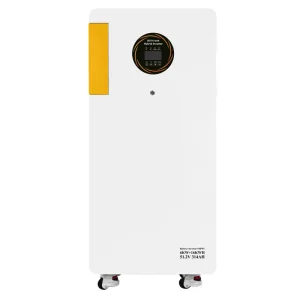
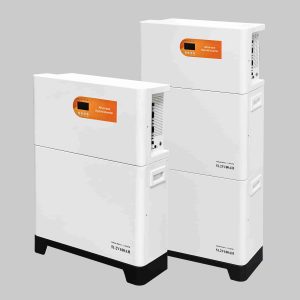
If your area experiences frequent blackouts or you require a 24-hour uninterrupted power supply, a battery is a necessity. Without a battery, most solar systems cannot function during a grid failure. For instance, Piforz all-in-one systems feature UPS functionality, allowing them to take over power supply in milliseconds to ensure critical loads never lose power.
3.Return on Investment (ROI)
The initial cost consists of the battery, the inverter, and installation labor. You can estimate your savings with this formula:
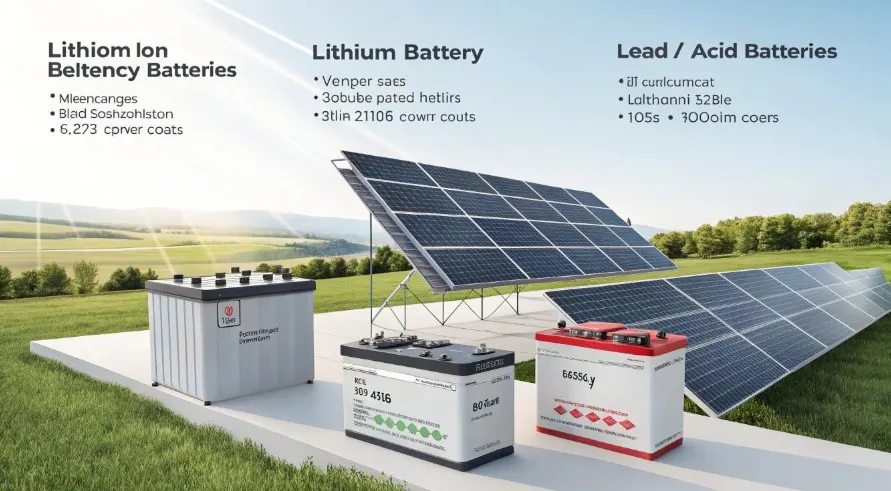
Annual Savings = (Electricity Purchase Price – Sell-back Price) × Annual Battery ThroughputCompare the payback period to the battery’s lifespan. As long as the lifespan exceeds the payback period, the remaining years represent pure profit. Currently, Lithium Iron Phosphate (LiFePO4) batteries are the most popular choice, supporting 3,000–6,000 cycles and lasting over 10 years. In high-tariff areas, payback often occurs within 6–9 years; for long-life systems like PIFORZ, everything after that is essentially “free” electricity.
Pros and Cons of Solar Batteries
We must look objectively at both sides of the coin.
Advantages: Significantly lower electricity bills, critical backup power during outages, and helping your family establish a low-carbon, green lifestyle.
Challenges: High upfront investment costs, the physical space required for installation, and long-term considerations regarding battery recycling and disposal.
Budget, Specifications, and Buying Decisions
If you have decided to buy, cost is an unavoidable topic.
How Much Does a Solar Battery System Cost?
The answer isn’t fixed; it depends on the system size and configuration. Currently, a standard residential storage system (approx. 10–13 kWh) typically costs between $10,000 and $16,000 installed. Prices vary based on brand and installation complexity. These figures are consistent with data from industry platforms like EnergySage and Modernize.
Why Are Home Batteries So Expensive?
You aren’t just paying for a “battery”; you are investing in a complete home energy management system.
The Cells: Mainstream LiFePO4 batteries are safer and last longer, but they cost more than standard batteries.
The Brain (BMS): The Battery Management System is essential for monitoring temperature, voltage, and charging status to prevent overcharging or overheating, ensuring long-term safety.
The Inverter: Solar panels and batteries use DC (Direct Current), but homes run on AC (Alternating Current). Converting this requires an inverter, which is a significant cost.
Installation: In the U.S., labor often drives the price up. Professional electricians, permits, and building code compliance can account for 30% to 50% of the total cost.
Installation Strategy: One Step or Two?
Many people wonder: should I install solar panels first and add a battery later, or do it all at once? While a phased approach can ease the initial financial pressure, installing everything at once usually offers better long-term cost-efficiency and a faster ROI due to better system matching.
Recommended Setup: Solar Panels + Battery Storage
For newcomers, I highly recommend the Solar Panels + Battery “one-step” solution. While some DIY or RV enthusiasts start with 12V 200Ah batteries because of the low entry price, home storage requires more caution. LiFePO4 systems are stable, safe, and far better suited for the home. This setup maximizes your energy independence and minimizes reliance on the grid—especially in high-cost areas where the savings are most noticeable
Final Thoughts
So, are solar batteries worth it?
There is no universal “yes” or “no” because it depends entirely on your usage habits and needs. If you just want to save a tiny bit on your bill and your local utility rates are low, a battery might not be a priority. But if you value security during blackouts, want to reduce grid dependence, or live where electricity is expensive, the value of a solar battery often far exceeds its price tag.
Once you have your own answer, the question of “worth” disappears—it simply becomes a matter of what is right for you.