What Is an Energy Storage System (ESS)?
As technology continues to evolve, more people are asking:how to store energyin a practical way.
Before diving into solutions, it’s important to understand what an energy storage system actually is.
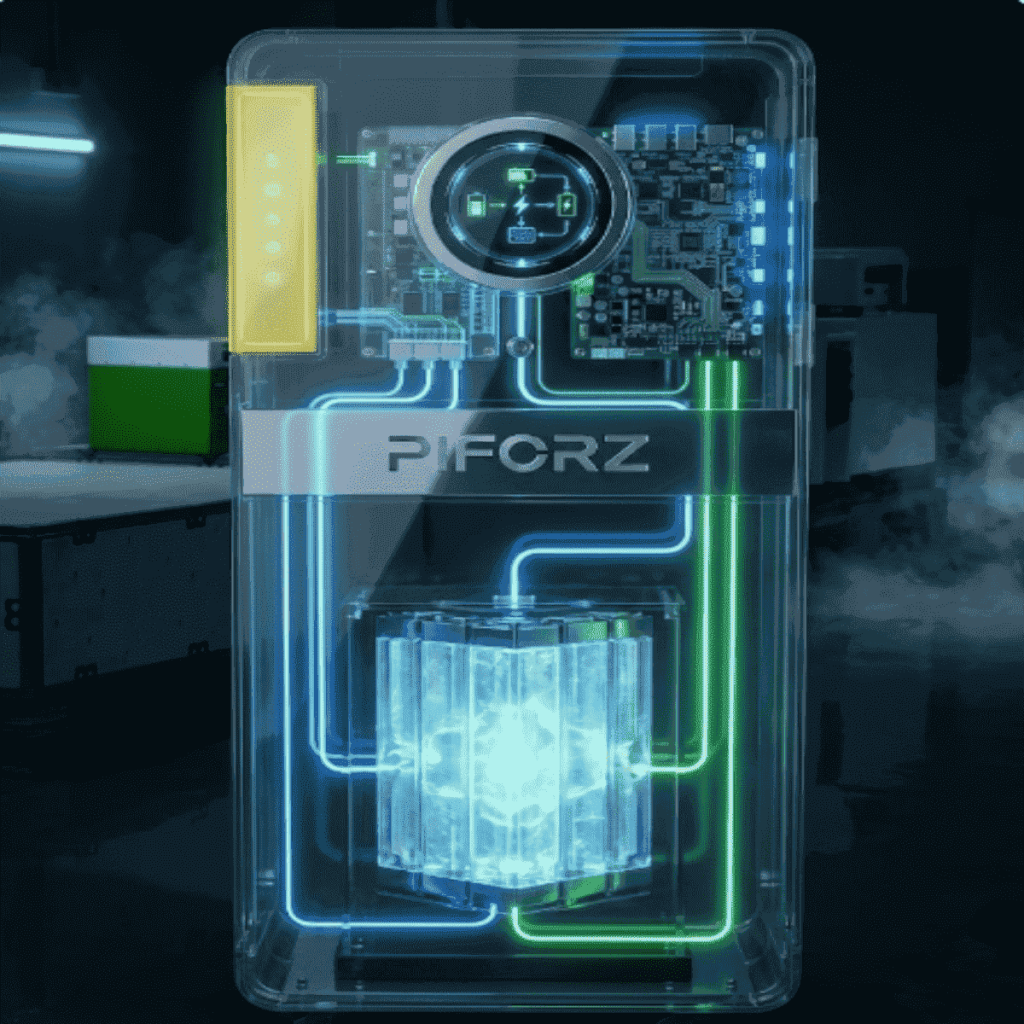
An Energy Storage System (ESS)—also known as an electricity storage unit—is designed to capture energy, store it in a usable form, and release it when needed. It is one of the most important electrical energy storage devices in modern energy systems.It’s not just a big battery or a simple power bank. It’s a fully integrated system made up of several core components working together:
Storage Medium– the physical carrier where energy is stored, such as batteries or water in pumped hydro systems
Energy Conversion System– responsible for AC/DC conversion and power regulation (inverters are a key part of this)
Battery Management System (BMS)– monitors voltage, temperature, and current in real time to ensure safety and efficiency
Energy Management System (EMS)– the “control center” that decides when to charge, when to discharge, and how much power to use based on demand, electricity prices, and load
A complete ESS combines electrochemistry, power electronics, automation, and communication technologies into one highly engineered system.
Types of Energy Storage Systems
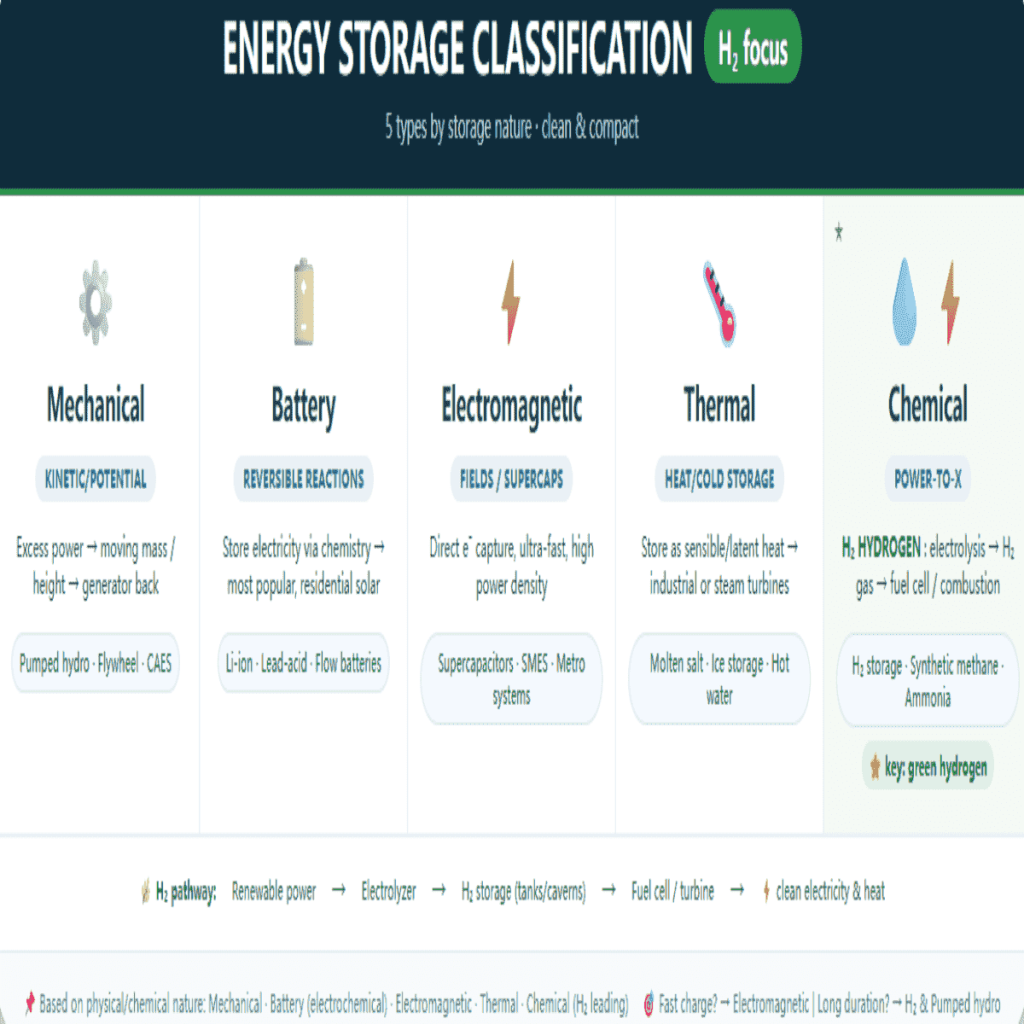
Energy storage can be classified in many ways, but based on the most widely used categories today, there are five main types:
Mechanical Energy Storage
This method stores energy as kinetic or potential energy.
The basic idea is simple: convert excess electricity into mechanical energy, store it, and convert it back into electricity when needed.
A classic example is pumped hydro storage—electricity is used to pump water uphill into a reservoir, and when power is needed, the water is released to drive turbines and generate electricity.
Other similar technologies include flywheel energy storage and compressed air energy storage.
Battery Energy Storage
Battery storage is the most popular solution today and the most practical answer to how to store electricity in a battery.
It works through chemical reactions. When energy (such as solar power) is fed into the battery, chemical reactions occur inside, storing the energy. When electricity is needed, the reaction reverses, releasing power for use.
This is why batteries are the most widely used electrical energy storage devices for homes.
Electromagnetic Energy Storage
This method stores electricity directly in electric or magnetic fields, without chemical reactions.
It partially answers can we store electricity directly, since it avoids chemical conversion—but it’s limited in capacity and mostly used in specialized applications.
Thermal Energy Storage
Thermal storage balances energy supply and demand by using temperature changes.
Materials like water or molten salt absorb and store heat, which is kept in insulated containers until needed. This stored heat can later be used for industrial heating or to generate electricity via steam turbines.This is another way to think about how to store electricity without batteries, although it’s less common in residential use.
Chemical Energy Storage
This method converts electricity into another chemical form that can be stored and used later.
The most common example is hydrogen storage. Excess electricity is used to split water into hydrogen through electrolysis. The hydrogen can then be stored, transported, and later used in fuel cells or burned as a clean energy source.
Why Energy Storage Matters
So why are more people searching for what is the best way to store energy?
The answer is simple:energy independence.
Is It Possible to Live 100% Off Grid?
Many people are now asking: Is it possible to live 100% off grid?
The answer is yes—with the right energy storage system.
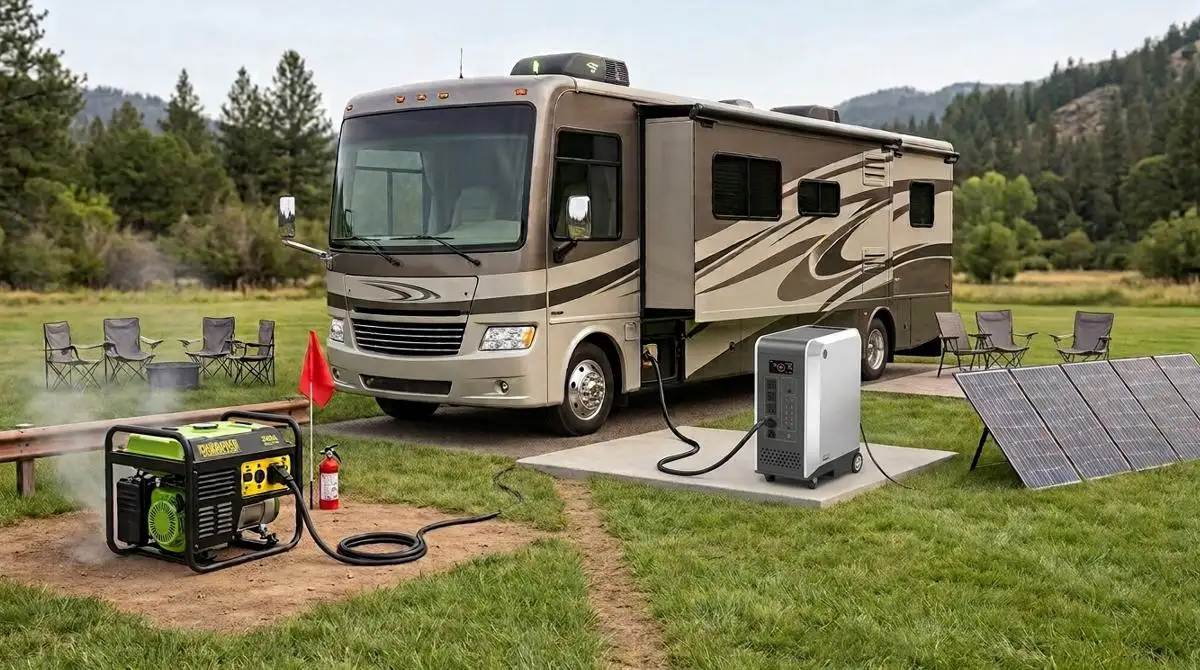
For remote areas or unstable grids, storage allows you to generate and control your own electricity without relying on external supply.
Backup Power and Cost Savings
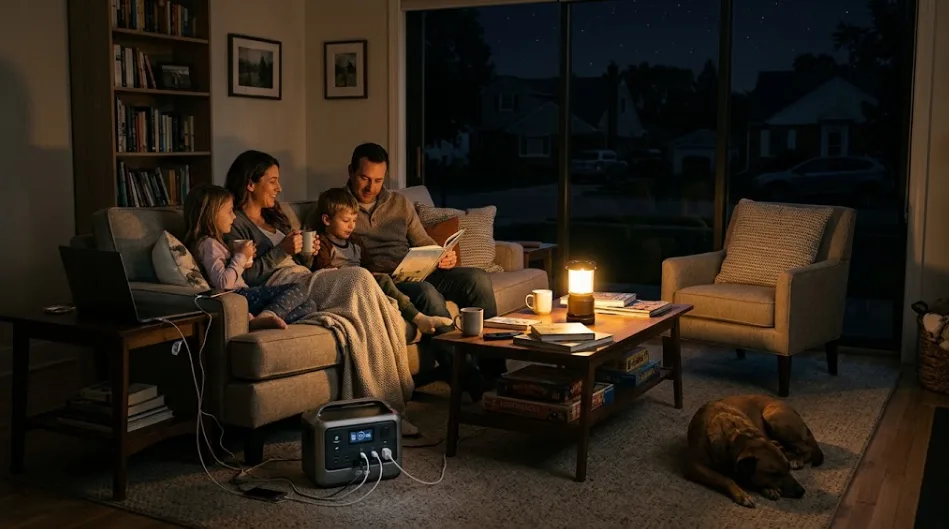
Energy storage also provides reliable backup during outages, keeping critical devices like refrigerators and medical equipment running.
At the same time, it helps reduce electricity costs by allowing you to charge during off-peak hours and use stored energy during peak pricing periods.
How to Store Electricity at Home
After understanding the basics, the next question is clear: how to store electricity at home in real life?Here is home energy storage solutions.
Portable Power Stations
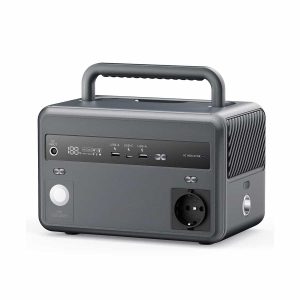
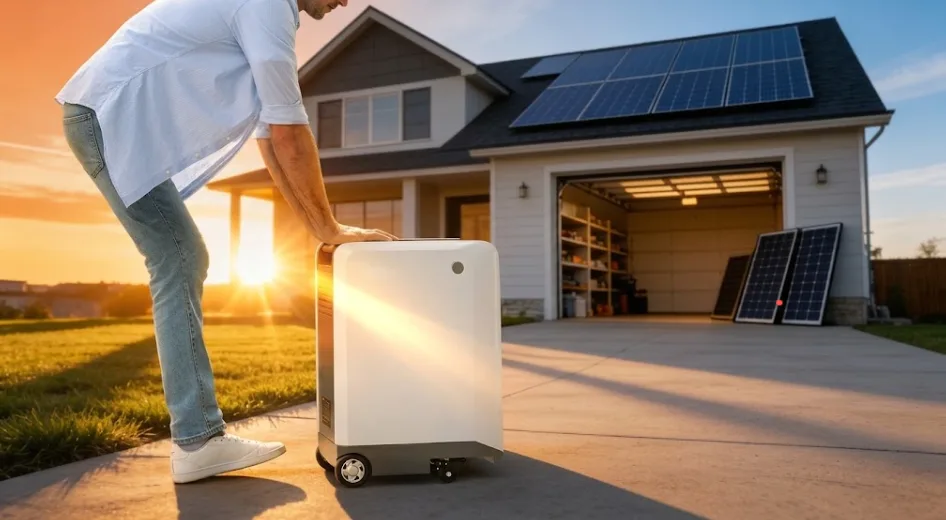
The easiest and most convenient option is a high-capacity portable power station.
It’s essentially a compact, highly integrated energy storage unit. Lightweight and easy to use, it’s perfect for apartments, rentals, and outdoor use.
Portable power stations are ideal for users who need flexible backup power without permanent installation. Depending on capacity, they can support essential devices such as refrigerators, CPAP machines, lights, routers, and small appliances during outages. It has limitations when it comes to powering large household appliances.
Whole-Home Energy Storage Systems
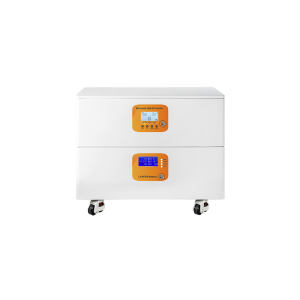
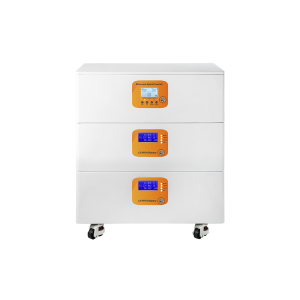
If you want to power your entire home, a fixed home battery system is the better choice.
These systems—such as wall-mounted or stackable batteries—are usually paired with rooftop solar panels. They typically range from 5kWh to 20kWh or more.
With enough battery capacity and inverter power, they can run almost all household appliances—not just for basic use, but for normal, everyday living.
Modern systems are often pre-configured, making installation easier. Compared to traditional setups, they are more compact, aesthetically designed, and scalable—just like standard home appliances.
Even if you’re not technically experienced, they’re relatively easy to use.
How to Store Electricity Without Batteries
There are also battery-free options, such as thermal storage systems or small-scale pumped systems.
However, these solutions are less common, less practical for most households, and not yet widely adopted. For typical home use, they’re generally not recommended.
What You Need to Consider
If you want to build an off-grid setup or prepare for backup power, understanding your energy usage is essential.
Step 1: Identify High Energy Appliances
Focus on major energy consumers like air conditioners, water heaters, and ovens—they can use a large amount of electricity in just one hour.
Medium-load devices like microwaves and hair dryers require high power but run for short periods.
Low-power devices like refrigerators, LED lights, and routers consume less energy but run continuously.
Step 2: Calculate Daily Energy Needs
Make a list of essential devices and estimate how much electricity they use per day.
Step 3: Optimize Usage
Use electricity strategically:
Avoid running high-power appliances at the same time
Don’t run AC all day unnecessarily
Heat water once and use it efficiently
By managing your usage schedule, you can reduce the size—and cost—of your energy storage system while still meeting your daily needs.
FAQ
What is the best way to store energy?
The best solution depends on your needs. For residential and off-grid users, battery storage is currently the most practical and popular option. It integrates well with solar systems, is safer, and easier to install.
How to store electricity in a battery?
Electricity is stored through chemical reactions inside the battery. When charging, electrical energy is converted into chemical energy. When discharging, the reaction reverses, releasing electricity for use.
Can we store electricity directly?
Electricity is difficult to store directly at scale. In most cases, it must be converted into another form—such as chemical, mechanical, or thermal energy.
Electromagnetic storage is one exception, as it stores energy directly in electric or magnetic fields without chemical reactions.
How is electricity stored in the grid?
Grid-level storage usually involves large-scale systems.
The most common is pumped hydro storage, where excess electricity is used to pump water uphill and stored for later use.
Other methods include compressed air storage and molten salt thermal storage—all designed to maintain grid stability and reliability.