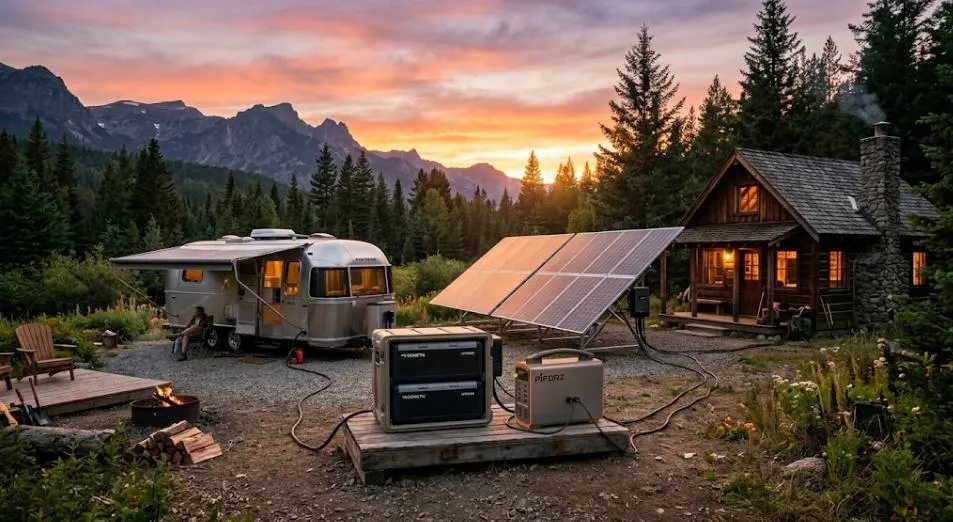
Now more and more people are focusing on energy independence. Whether it’s using a portable solar power system for camping in remote areas or as a portable solar power system for home backup, having a reliable portable solar power system with battery provides safe and secure power support.
What is a Portable Solar Power System?
Simply put, this is a mobile “micro power station.” A complete portable solar panel kit with battery and inverter mainly consists of three parts:
Solar panels – responsible for capturing sunlight.
Energy storage power supply – for example, a portable solar power station 2000W, responsible for storing the electricity.
Inverter – responsible for converting DC power into AC power for home use.
DIY vs. Ready-to-Use Systems
Many enthusiasts enjoy trying to build a DIY portable solar power system. They often purchase high-power components like portable solar panels 1000W (sometimes mistakenly searched for as “portable solar panels 100oW”). However, for most people, buying a complete portable solar panel kit with battery and inverter is safer. This kind of best portable solar power system comes pre-tuned from the factory and can be used directly—perfect for those who prefer a hasslefree experience, with no need for complex wiring knowledge.
Summary: If you have strong handson skills, you can try a DIY portable solar power system, sourcing your own panels and batteries. But if you prioritize efficiency and convenience, a readymade portable solar panel kit with battery and inverter is safer. Moreover, the current trend is toward stackable and expandable systems—you can start with a base capacity and later add battery modules like building blocks as your needs grow.
How to choose the right capacity?
Entry-level: 300W and 500W
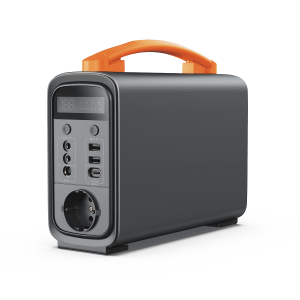
If we only occasionally go for a picnic in the park or a short hike, mainly using it to charge phones and laptops or run small LED lights, 300W or 500W is an ideal starting point. They are also often called portable solar generators for camping. They can be used together with lightweight foldable panels like portable solar panels 100W, which take up little space and are easy to carry.
Limitations: Although lightweight, when facing high-power devices such as electric kettles, coffee makers, or home refrigerators, small power stations will fail to start due to power protection, making it difficult to support long operation or complex power needs involving multiple devices.
Intermediate level: 2000W and 3000W
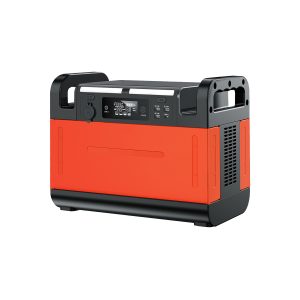
For those expanding from “simple camping” to “RV travel” or “home emergency backup,” a small-capacity power source is far from sufficient. At this point, moving up to a portable solar power station 2000W or a portable solar power station 3000W is the key to truly achieving energy independence. This is a more practical portable solar power system for home solution, ensuring that basic household needs can be maintained during a power outage or providing ample power for RV travel.
What will a 2000 watt solar system run?
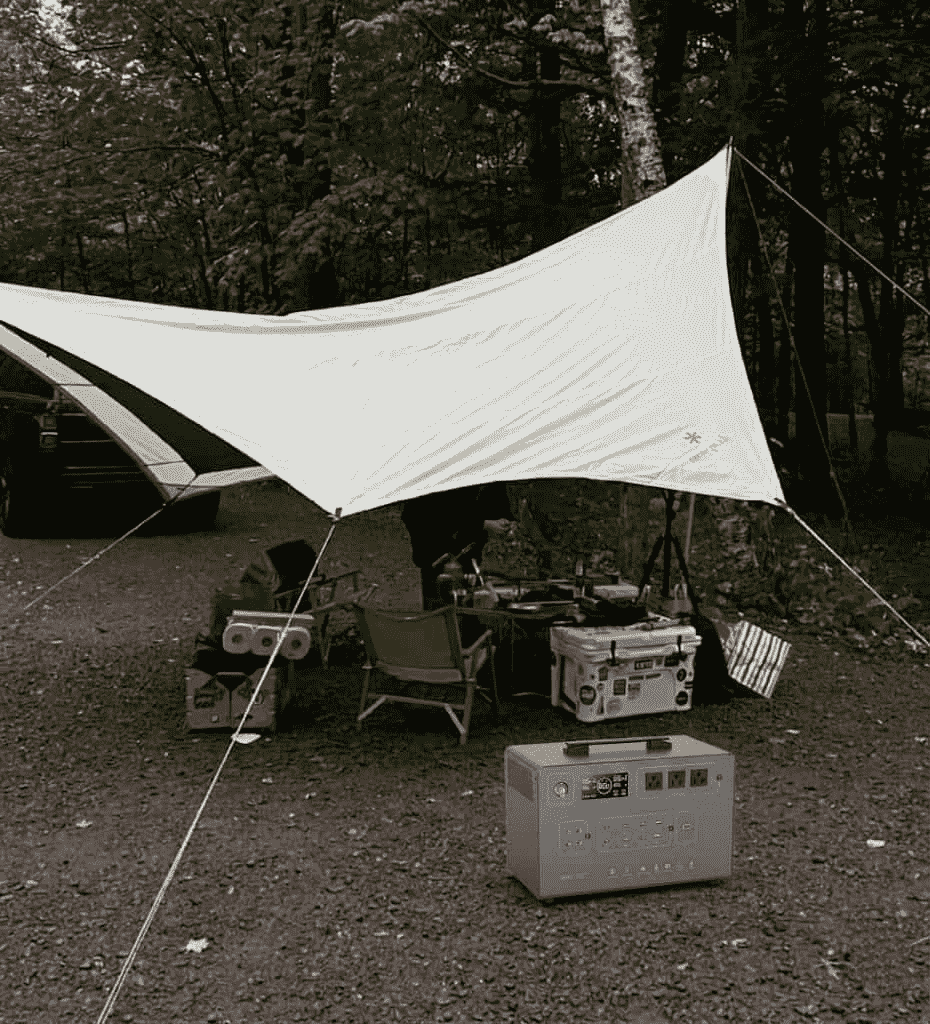
Piforz’s 2000W Portable Power Station is equipped with an MPPT Solar Generator that can easily power a 1500W high-wattage electric kettle or a 1800W hair dryer—something a 500W model could never achieve. During a community power outage, the 2000W portable solar power system can keep a standard household refrigerator running continuously, preventing food spoilage, while simultaneously powering a router and laptop to ensure uninterrupted work from home.
What will a 3000 watt solar system run?
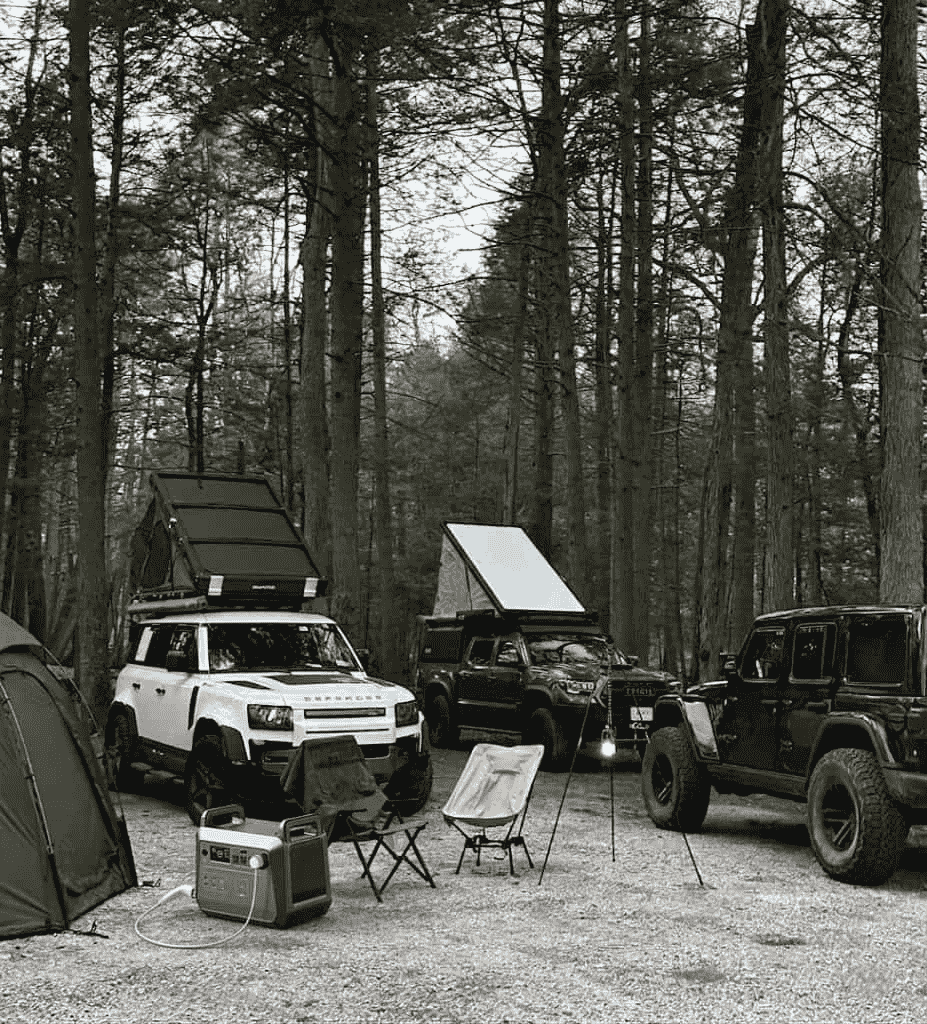
- Highpower devices: 3000W can run a small portable air conditioner, an induction cooker, or an electric oven (typically over 2000W). In hot summers, this is very important for RV trips or offgrid cabins.
- Professional tools: For DIY enthusiasts or outdoor workers, 3000W can power a circular saw, impact drill, or air compressor. This ensures tools work properly even on job sites without outlets.
- Concurrent multiple devices: You can run an induction cooker (1500W) for hot pot while using a microwave (1200W) without the system automatically shutting down due to overload.
Applicable scenarios:
- Longterm offgrid living: For example, when staying in a summer retreat or on a farm far from the grid, a 3000W system paired with portable solar panels 1000W can create a micro power system.
- Professional outdoor work: Suitable for film crews needing to carry heavy equipment, or technicians who need to use professional instruments in the field.
Professional level: 5000W vertical stacking system
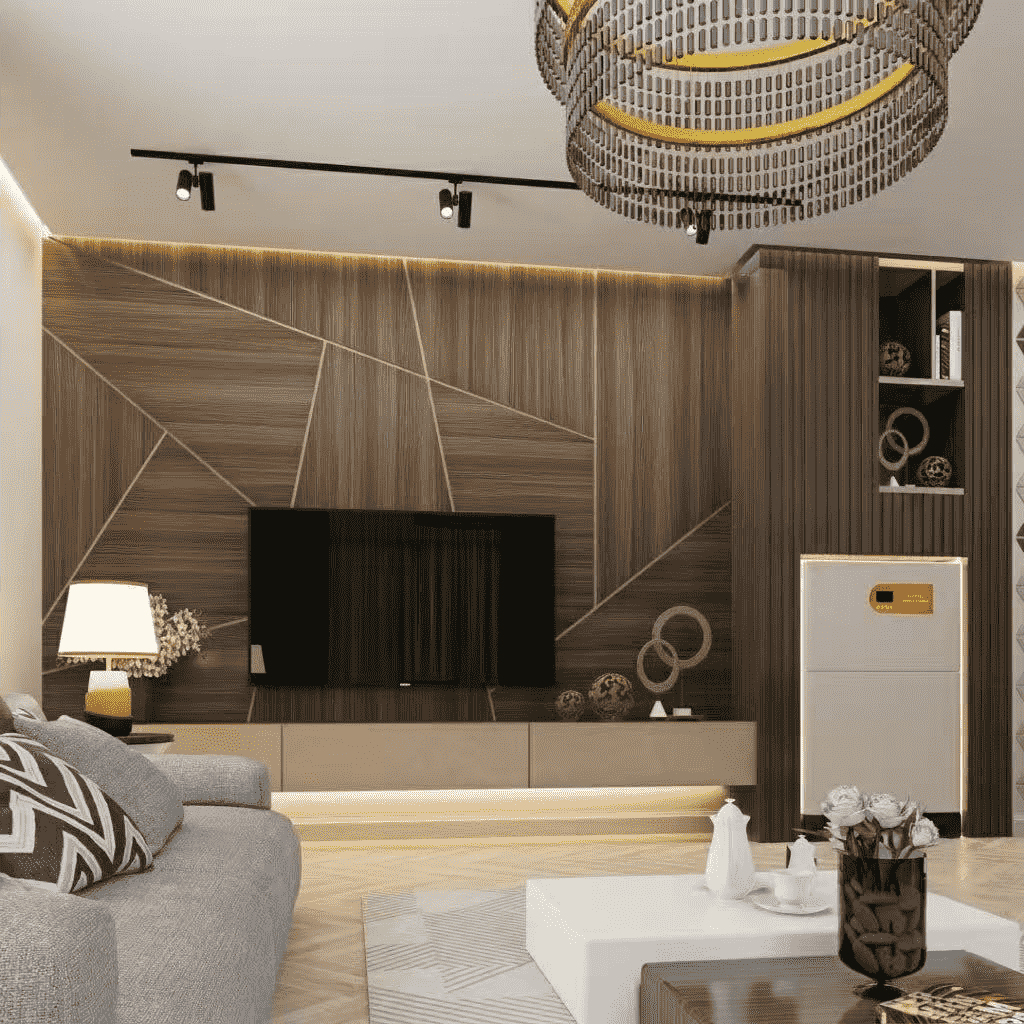
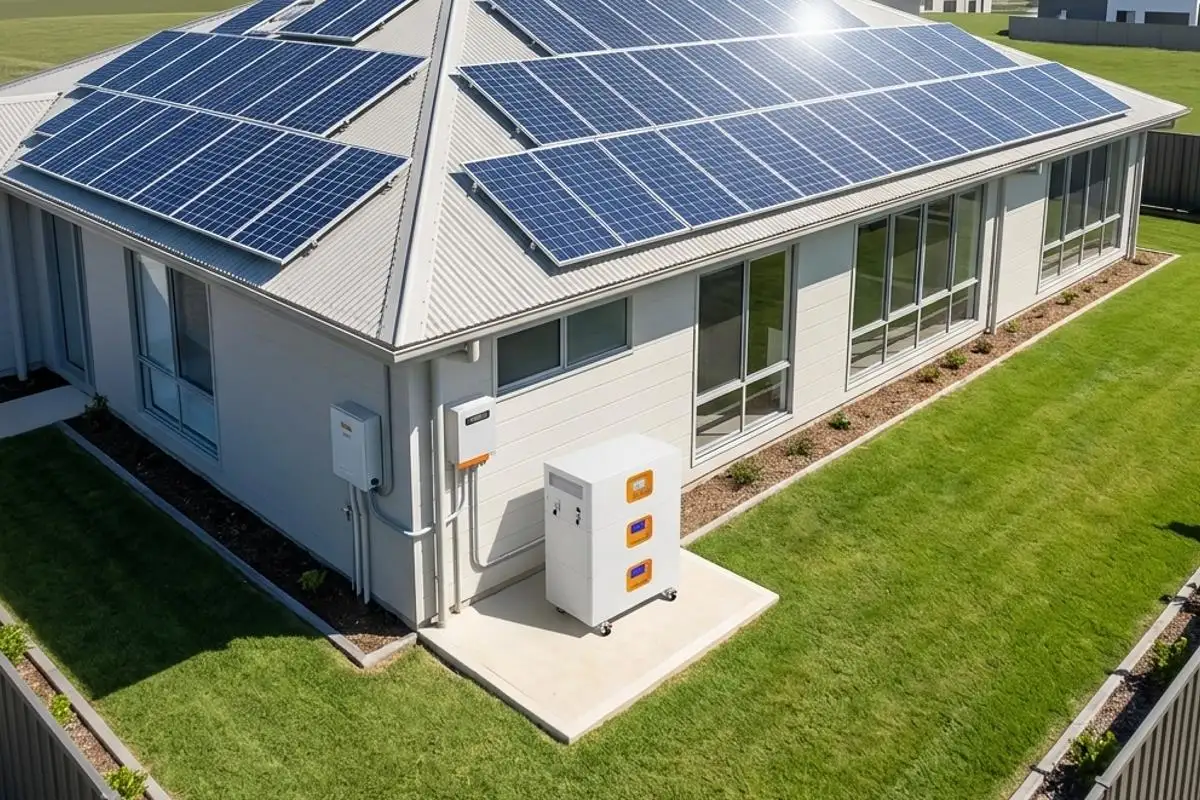
For households seeking the ultimate sense of security and whole-home energy management, a standalone power supply is no longer sufficient. At this point, a 5000 watt solar generator vertically stacked system paired with portable solar panels for home use is the ultimate solution.
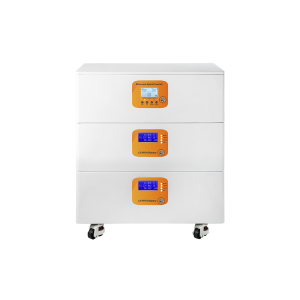
Modular Stackable Design: Unlike traditional bulky power supplies, Piforz’s 5000 watt solar generator features an integrated vertical stackable design. This modular architecture allows battery capacity to be freely expanded (from 15kWh to 45kWh) based on household electricity consumption, while maintaining a clean appearance that greatly saves indoor space.
Whole-Home Backup Benchmark: Recognized as the best solar generator for home backup, it can not only power heavy loads such as air conditioners and heat pumps, but also sustain a household’s electricity consumption for several days during extreme weather or prolonged grid outages, truly achieving the leap from “temporary emergency backup” to “long-term energy independence.”
Conclusion:
In summary, whether choosing a portable solar power system for home or for outdoor use, the key is to match your actual power consumption. If you need a set of portable solar panels for home use to achieve energy self-sufficiency, it is recommended to start with a high-capacity main unit. For example, the product line from Piforz offers the best solutions here, whether you prefer a flexible portable solar power system for camping or pursue the ultimate 5000W energy storage solution.
FAQ
Is it worth getting a portable solar panel?
Yes. Although there is an upfront purchase cost, it provides zeroemission, free electricity and can be a lifesaving power source in emergency situations.
Can you put solar panels on a dormer?
Yes. Although dormer space is limited, today’s portable solar panels are very lightweight and feature adjustable angles, making them ideal for installation on these irregular roof structures.
What will a 400W solar panel run?
On a sunny day, it generates about 1.5–2 kWh of electricity per day, which is enough to power a laptop for 20 hours.