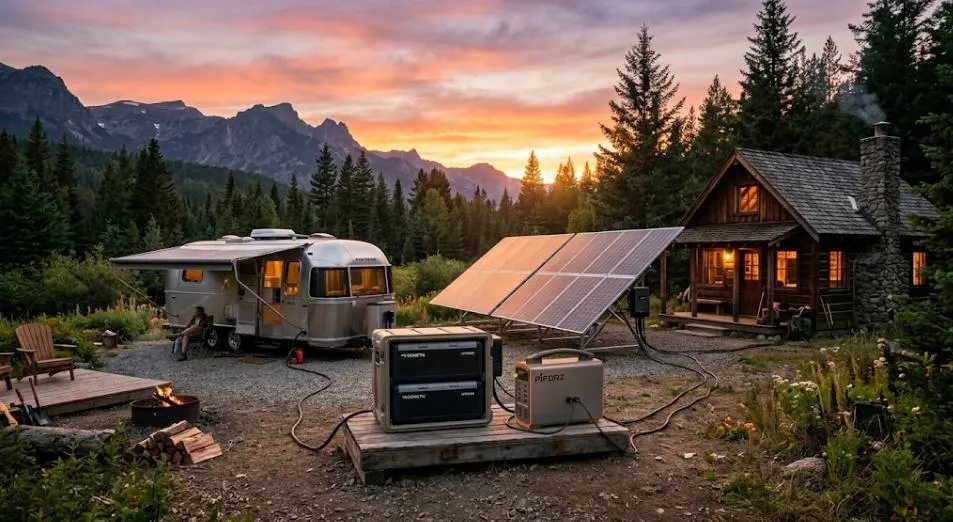
Home is our warm harbor. In today’s world, living comfortably at home relies on stable electricity. During sudden power outages or extreme weather events, having a portable power station at home can keep essential devices running. These devices are easy to move around and can power multiple appliances simultaneously.
At the same time, as outdoor activities become more popular, stable electricity has also become essential for enjoying a comfortable experience outdoors. Among the various battery technologies, LiFePO4 (Lithium Iron Phosphate) is emerging as the core configuration for the new generation of portable power stations, thanks to its high safety, long lifespan, and stable performance.This article will explore what LiFePO4 batteries are, why they are so important in portable power stations, and the advantages of LiFePO4 portable solar power stations for both home and outdoor applications. We will also discuss how to choose a unit that truly meets your needs and explain why this combination represents a major trend in future energy usage.
1. What Are LiFePO4 Batteries?
Lithium Iron Phosphate (LiFePO4, LFP) batteries have become a mainstream battery type in recent years. Belonging to the lithium-ion family, they use lithium ions (Li⁺) as charge carriers. The cathode is made of LiFePO4 with an olivine crystal structure, while the anode is typically graphite. During charging, lithium ions migrate from the cathode to the anode through the electrolyte and embed into the graphite layers; during discharge, they flow back to the cathode, generating current.
1.2. The Advantages of LiFePO4 Batteries
Thanks to the excellent stability of the LiFePO4 olivine crystal structure and the flat voltage curve, LiFePO4 batteries have a long cycle life and maintain reliable performance over thousands of charge-discharge cycles.
The chemistry of LiFePO4 does not rely on cobalt (Co) or nickel (Ni), metals whose mining and refining cause serious soil and water pollution. In contrast, iron and phosphorus are abundant, resulting in lower environmental impact.
Under extreme temperatures, short-circuit, or overcharge conditions, the probability of thermal runaway is far lower than other lithium batteries, reducing the risk of environmental hazards caused by overheating or combustion.
According to A comprehensive investigation on the electrochemical performance, synthesis, modification, and recycling methods of LiFePO4 for sustainable future, due to their long cycle life and high battery safety, LiFePO4 batteries are favored in energy storage applications. Their cathode materials also provide excellent rate performance and durability, making LiFePO4 widely used in both stationary and mobile power systems.
2. Advantages of LiFePO4 Portable Solar Power Stations
2.1. Core Features
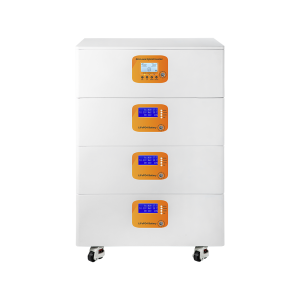
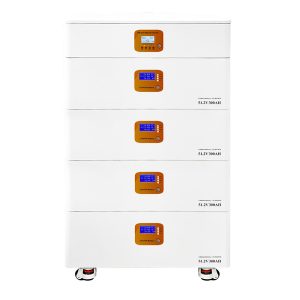
Leveraging the advantages of LiFePO4 batteries, LiFePO4 portable solar power stations offer long lifespan, high-temperature resistance, multiple output ports for powering several devices simultaneously, and can be used both portably and in fixed setups. Many models also support solar charging and come equipped with Battery Management Systems (BMS) for enhanced safety. The PiForz portable power station series incorporates all of these benefits.
2.2. Comparison With Traditional or Lead-Acid Batteries
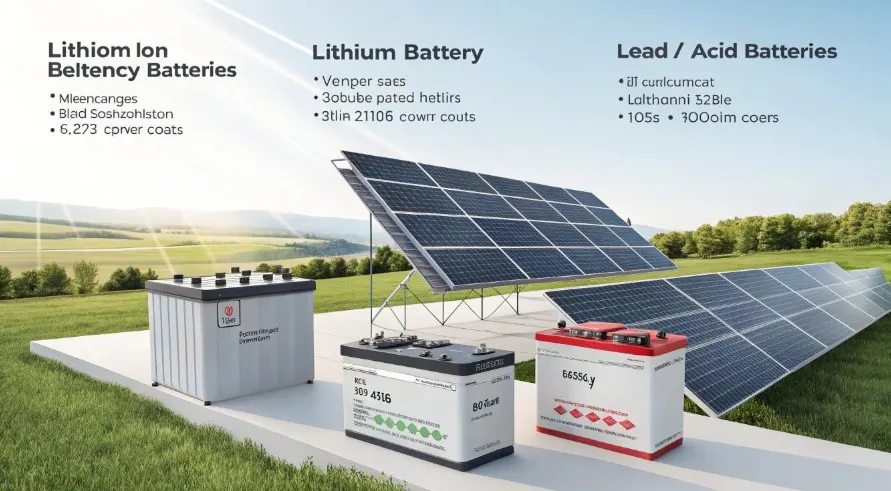
The long cycle life of LiFePO4 portable power stations is the core advantage for home backup and frequent outdoor use. LiFePO4 batteries can exceed 3,000 cycles, with a lifespan of up to 10 years, while lead-acid batteries only reach 300–500 cycles, with rapid capacity decay over time. NMC / LCO batteries generally achieve 800–1,500 cycles. Therefore, LiFePO4 offers the longest usable life.
From a safety perspective, different battery chemistries vary greatly in thermal stability and abuse tolerance (e.g., impact, overcharge, short-circuit), which directly affects portable power station reliability. NMC / LCO batteries have high energy density and layered crystal structures, which are prone to decomposition under high temperatures or overcharge, increasing thermal runaway risk. The core advantage of LiFePO4 comes from its unique olivine structure, which remains stable under high temperatures without releasing oxygen or undergoing violent exothermic reactions, making it the safest lithium chemistry available.
Regarding portability, LiFePO4 batteries are lighter and more compact than equivalent-capacity lead-acid batteries. While their energy density is lower than nickel-cobalt alloys, they achieve an excellent balance between safety, weight, and stability, making them ideal for portable applications.
Because LiFePO4 portable solar power stations offer the highest thermal stability, best weight balance, and longest lifespan among mainstream portable battery types, they perform optimally in enclosed or high-temperature environments near humans, homes, tents, and vehicles.
3. Applications of LiFePO4 Portable Solar Power Stations

3.1 Best Portable Power Station for Home Backup
During a home power outage, having a portable power station ensures basic operations can continue. It can power essential devices like lighting, internet, and medical equipment.
Thanks to LiFePO4’s higher energy efficiency, longer cycle life, and significantly improved safety thresholds, it is an ideal choice for the best portable power station for home backup.
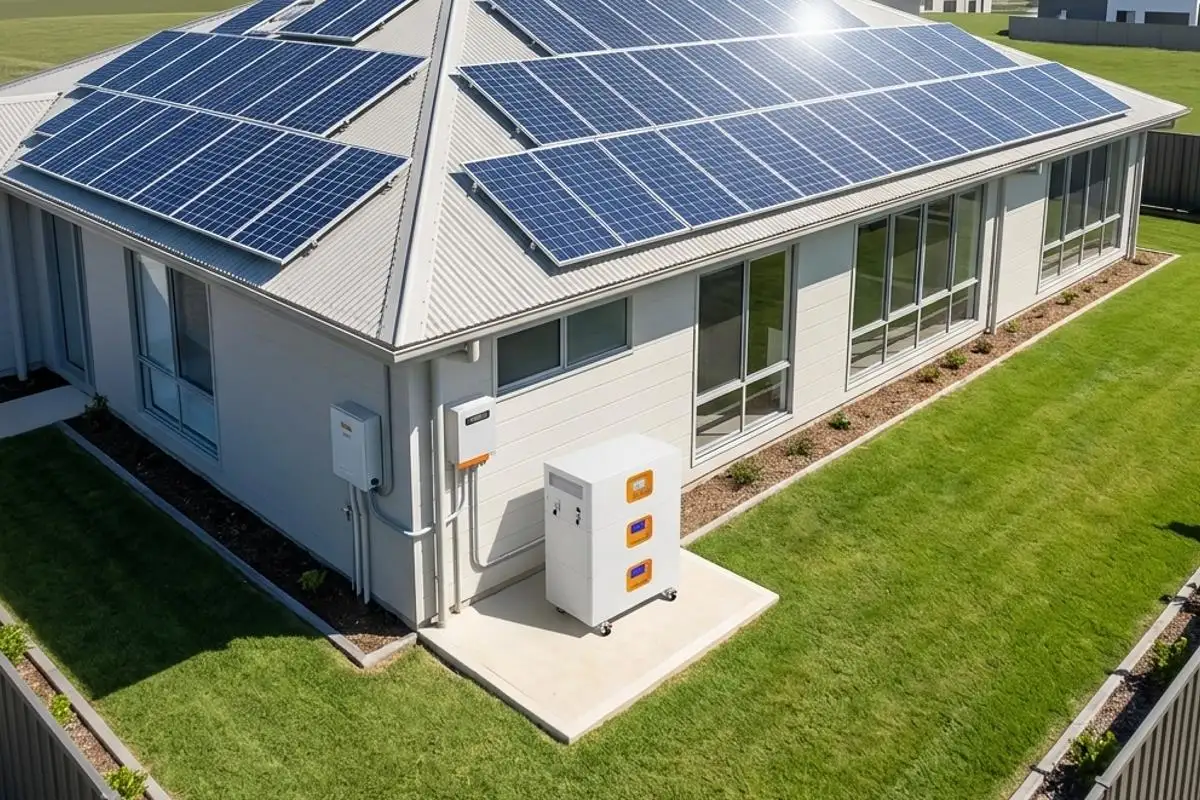
For power needs, a portable power station 2000W can cover most emergency household requirements. Most units also support solar panel charging, providing sustained energy during extended outages. Home backup systems can consider models like the ST2000.
3.2 Best Portable Power Station for outdoor
For camping, RV travel, outdoor photography, or mobile work, LiFePO4 portable power stations are 30–50% lighter than lead-acid units of the same capacity. Compared with NMC or LCO batteries, they provide higher thermal stability, remaining safe even in high-temperature outdoor conditions.
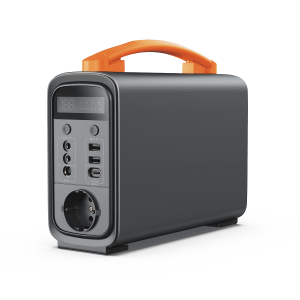
For outdoor use, 500–1000W portable power stations are a good choice, as this power range supports most lights, cameras, outdoor refrigerators, and drone batteries. Models like the GT500 provide an optimal balance between weight and output power.

4. Why LiFePO4 Portable Solar Power Stations Are the Best Choice for Future Home & Outdoor Energy
As one of the most mature high-safety energy storage technologies, the advantages of LiFePO4 batteries extend beyond material stability to real-world reliability. With superior thermal stability, over 3,000 charge-discharge cycles, a stable discharge platform, and extremely low capacity decay, LiFePO4 is the core trend for future portable energy storage.
Global energy transitions, the growth of outdoor economy, frequent extreme weather, and rising electricity prices are driving strong demand for independent energy solutions. LiFePO4 portable solar power stations simultaneously meet multiple requirements: clean energy, high-safety storage, mobile power, and sustainable use, making them the next widely adopted technology.
According to the IEA’s World Energy Outlook 2025, global electricity demand is expected to rise significantly over the coming decades, increasing by approximately 40–50% by 2035 under major policy scenarios.
From material properties, technological maturity, and user demand trends to energy transition and sustainability, LiFePO4 portable solar power stations already demonstrate irreplaceable advantages in both home and outdoor scenarios and are set to become mainstream, reliable, and trusted portable energy solutions for years to come.