
Due to the increasing frequency of extreme weather events and the aging of grid infrastructure, power outages are becoming more common. Whenever the electricity goes out, our daily routines are forced to pause — and in those moments, we rely on an emergency power supply to keep essential appliances running. This is why more and more households are looking for the best battery backup for power outages to stay prepared.
This article will explain what a backup battery is, how long different systems can power your home, and how to identify the type of device that best fits your needs.
1. What Is a Battery Backup for Power Outage?
1.1 The Definition
A backup battery for power outages is a rechargeable energy-storage system that keeps our essential devices running when the grid goes down. Because it operates without producing harmful fumes, it’s much safer and more suitable for indoor use. Depending on the battery’s capacity, it can take different forms — from short-duration automatic backup with a UPS to portable power stations or full battery storage systems designed to handle longer outages.
1.2 How It Works
The way a backup power system works is simple: when grid power is available or when the sun is generating electricity, it stores that energy in its internal battery. During an outage or during peak-rate hours, it releases the stored energy for use.
Portable power stations and battery storage systems with AC outlets come with a built-in inverter that converts the battery’s DC power into clean, stable AC power. With a portable power station for home backup, you can keep essential devices running even when the grid goes down—lighting, Wi-Fi routers, refrigerators, medical equipment, and other everyday necessities.
2.Why a Battery Backup Is a Practical Choice for Home Power Outage
Because a backup power system charges from solar panels or the grid, it’s environmentally friendly and doesn’t produce noise the way a gas generator does. That’s why it’s safe to use indoors—even in small apartments or off-grid sheds—and it won’t disturb your sleep while it’s running.
And since a backup power unit functions much like an oversized power bank, it’s simple to use, safe to operate, and easy to maintain.
3.How Long Does a Battery Backup Last When the Power Goes Out?
Before estimating how long a battery can last during an outage, we first need to identify which devices are essential.
The basic formula for runtime is: Runtime (hours) = Battery Capacity (Wh) ÷ Device Load (W). To use this, we need to know the power consumption of each appliance. For example, a router is roughly 10W, a refrigerator about 200W, and a CPAP machine around 70W. With these numbers, you can match the battery capacity of the best portable power station for power outage to the expected runtime.
Keep in mind that the formula gives you an ideal estimate. In real-world conditions, inverter losses and environmental factors like temperature can reduce actual runtime. That’s why, when choosing the best battery backup for power outage, it’s wise to leave yourself some extra battery capacity.
4.What Kind of Backup Do You Need If Your House Loses Power?
When choosing the best battery backup for power outage, we can select products with different battery capacities based on our specific needs.
4.1 Essential-Load Backup
If you only need to power basic low-wattage devices such as smartphones, laptops, and lighting, you can choose a 300–500W portable power station. A portable power station for home backup in this power range usually comes with a relatively small battery capacity, so the runtime is also limited. Products in this range are mainly suitable for short-term or temporary power supply.
For example, the EcoFlow RIVER 2 has a battery capacity of 240Wh and an output power of up to 300W. It weighs just 7.7 pounds, making it lightweight and easy to carry on camping trips.
4.2 Best Portable Power Station for Power Outage

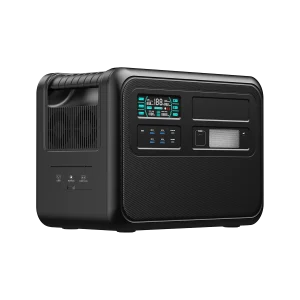
If you need to power appliances such as coffee makers and induction cooktops, you may require a 2000–3000W backup battery to handle the load. Portable power stations in this range typically have battery capacities of 2000+Wh, so they can provide longer runtime. Pairing one with 200–400W solar panels lets you recharge during the day and continue using power at night, further extending runtime.
Here are several products worth considering in this range:
- EcoFlow DELTA 2 Max: 2048Wh capacity, 2400W output, expandable battery capacity, and app control. Priced at around $1,800.
- Bluetti AC200L: 2048Wh capacity, 2400W output, and support for fast solar charging. Priced at around $1,500.
- Anker SOLIX F2000: 2048Wh capacity, 2400W output, and a built-in UPS function. Priced at around $1,900.
- Piforz ST2000: 2073Wh capacity, 2200W output, and support for fast charging in 1.5 hours. It is relatively affordable and suitable for users on a limited budget who still need 2000W-class output.
Portable power stations in this capacity and power range typically weigh more than 25kg. They can still be taken on camping trips or vacations, but they are not ideal for frequent moving.
4.3 Whole-Home Backup
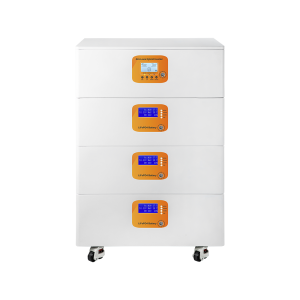
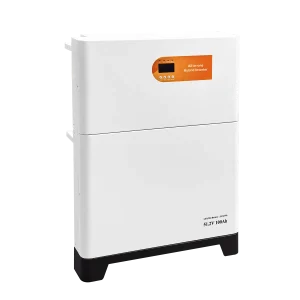
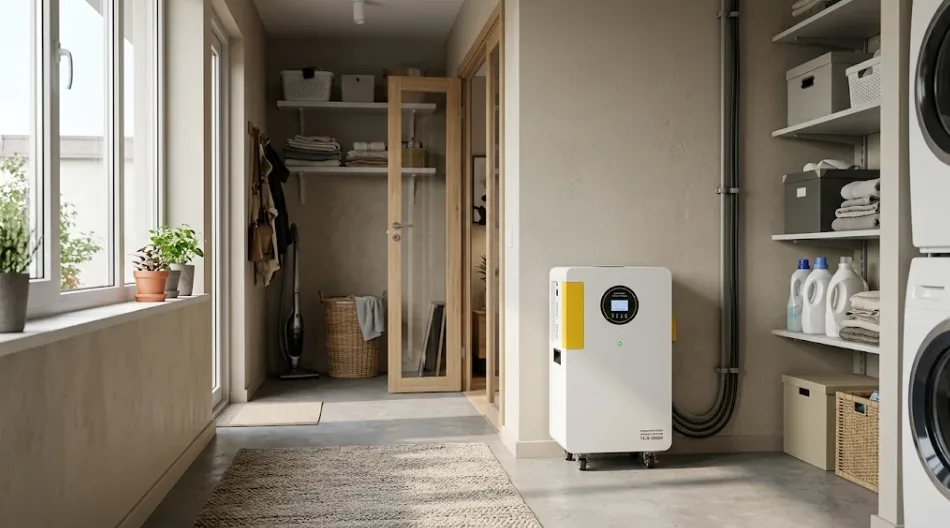
If you want to run high-power appliances such as air conditioners and maintain full household operation for several days, you should choose a larger battery energy storage system with higher capacity and output power. These systems typically have inverter output power of 5kW or more and battery capacity starting at 10kWh.They can support essential loads such as refrigerators, lighting, routers, and air conditioners, and automatically switch over during a power outage without requiring manual wiring.
The Piforz 10kW + 15kWh stackable energy storage system is an entry-level option in this category. It supports future expansion to 30kWh or even 60kWh, making it suitable for households that need whole-home backup power but don’t want to make a large upfront investment.
4.4 Best Battery Powered Generator for Refrigerator
The refrigerator is one of the most important household appliances we worry about during a power outage, especially when it contains fresh food or stored medication. That’s why choosing the best battery powered generator for refrigerator becomes a key concern.
In terms of power selection, refrigerators have a unique characteristic: they require a short surge of peak power when starting up. If you want to learn more details about this, you can click here.
The Bluetti EB70S is a suitable option for this scenario, with a 716Wh capacity, 800W output (1600W peak), and a pure sine wave output. It can power a standard household refrigerator for 6–10 hours. If you want to keep your refrigerator running for a full day or longer, it’s recommended to choose a model with a capacity of at least 2000Wh or consider a permanently installed home energy storage system.
5.Best Home Battery Backup Without Solar vs. With Solar
5.1 Best Home Battery Backup Without Solar
When used without solar panels, a backup battery system is simple and easy to operate. You just need to fully charge it from a wall outlet in advance, and during a power outage, you can directly connect your appliances to it. The advantages of this setup are plug-and-play convenience, no installation required, and no restrictions based on housing type. It is especially suitable for renters, families living in high-rise apartments, or users who only need to handle short outages lasting a few hours.
However, the downside is that the available energy is limited. Once the battery is depleted, it can only be recharged when grid power is restored.
5.2 Best Home Battery Backup With Solar

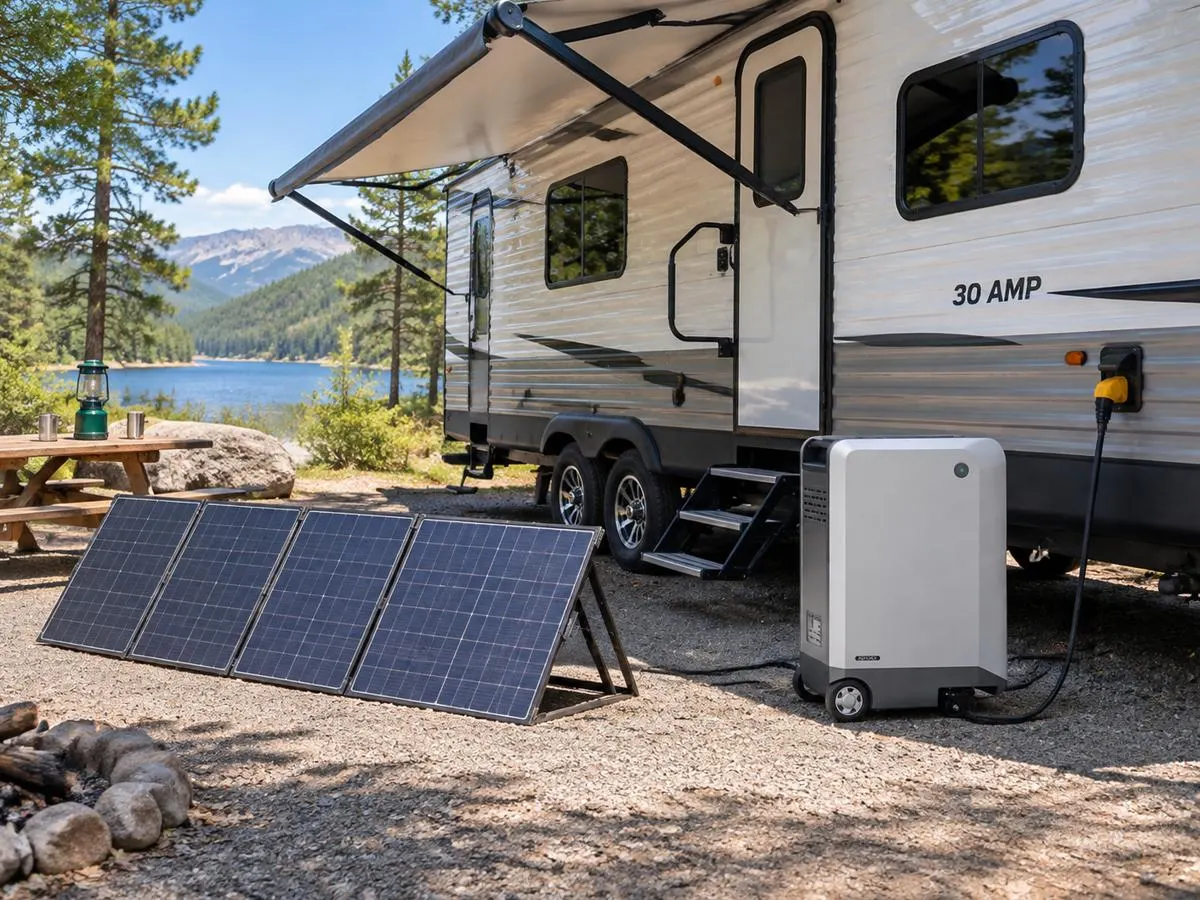
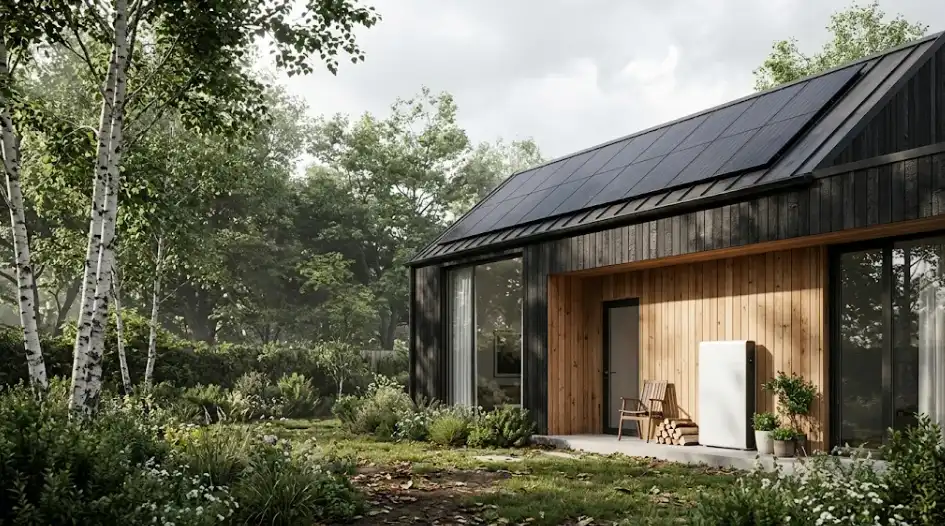
When a backup battery system is paired with solar panels, it can continuously recharge as long as there is sunlight. This means that whether it is a prolonged power outage caused by several days of extreme weather, or use in environments without grid access such as RVs or off-grid cabins, you can still have continuous and reliable access to electricity.
6. Choosing the Best Battery Backup for Power Outages
Not every household needs a large system, but every home should at least have a basic backup power supply for essential devices. We already know that before choosing, we need to clearly understand our own needs, the power consumption of our appliances, and whether we want to connect solar panels. With these factors in mind, we can already select the best battery backup for power outage that suits us best.