
In daily life, power outages often happen very suddenly. Finding a reliable backup generator for home use is no longer just about heavy machinery; it’s about smart energy management.For most families, a power outage is not just an interruption of lighting; it also means communication tools like mobile phones and routers cannot be used, and food inside the refrigerator faces the risk of spoiling. If we have infants waiting to be fed or elderly people at home, a stable supply of electricity becomes particularly critical.Facing various choices on the market, many people will have questions: How should we choose the most suitable portable generator for home use? Should we choose a traditional gas generator or a more modern portable battery power station? Different devices have differences in power support, runtime, and safety. This article will objectively analyze how to choose the backup power solution that best fits your own home based on the actual power consumption of household appliances.
What size generator do I need during a power outage?
Before we choose backup power, we must figure out how much power support household appliances need:
- Basic equipment: Mobile phone charging power is very small (about 10-20W), routers (about 20W), and a few LED lights (about 30-50W). These added together are less than 100W, but they only allow us to light up the room and communicate with the outside; they cannot yet support us in solving food and heating.
- Household appliances: The refrigerator is the biggest headache reported by friends after a power outage; a power outage means the food inside is about to go to waste. Its operating power is usually around 150W, but at the moment of startup, it may need more than 800W. Microwave ovens or electric pressure cookers are generally between 1000W and 1500W. Hairdryers, electric kettles, and wall-mounted air conditioners—these are basically between 1500W to 2500W or even higher.
If we want to still be able to live like usual during a power outage, we need a device of at least 2000W to 3000W.
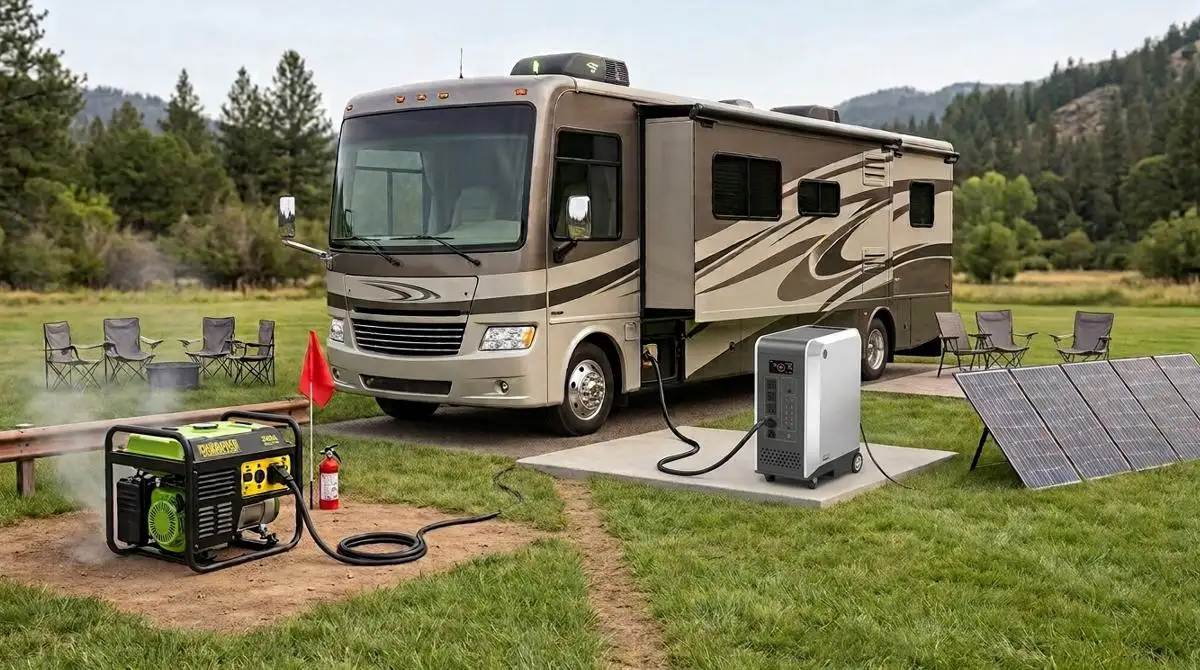
Gas vs. Portable Power Stations: Which is the best generator for the money?
Actually, when we are choosing a generator, if we want to find the best portable generator for the money , we must consider the total cost of ownership ; we cannot only look at how much money was spent when buying the machine, but also the subsequent maintenance costs and your actual frequency of use.
If we are pursuing the absolute low price of a generator, then the best portable gas generator for home indeed has an advantage. For a few hundred dollars, you can buy a machine with high power; as long as you have enough gasoline, it can generate power continuously. But there are many hidden costs behind this that many friends have not discovered:
First, maintenance is very troublesome. Gasoline engines will have carbon buildup and require regular replacement of oil and spark plugs. Furthermore, gasoline cannot be stored for a long time, as it spoils easily and can cause the machine to fail to start. Second, it is inconvenient to use. Its noise is very loud, and it absolutely cannot be placed indoors (due to the risk of carbon monoxide poisoning). If you live in an apartment or a dense community, this kind of machine is basically unusable.
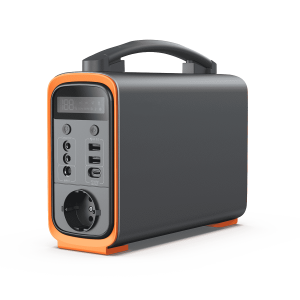
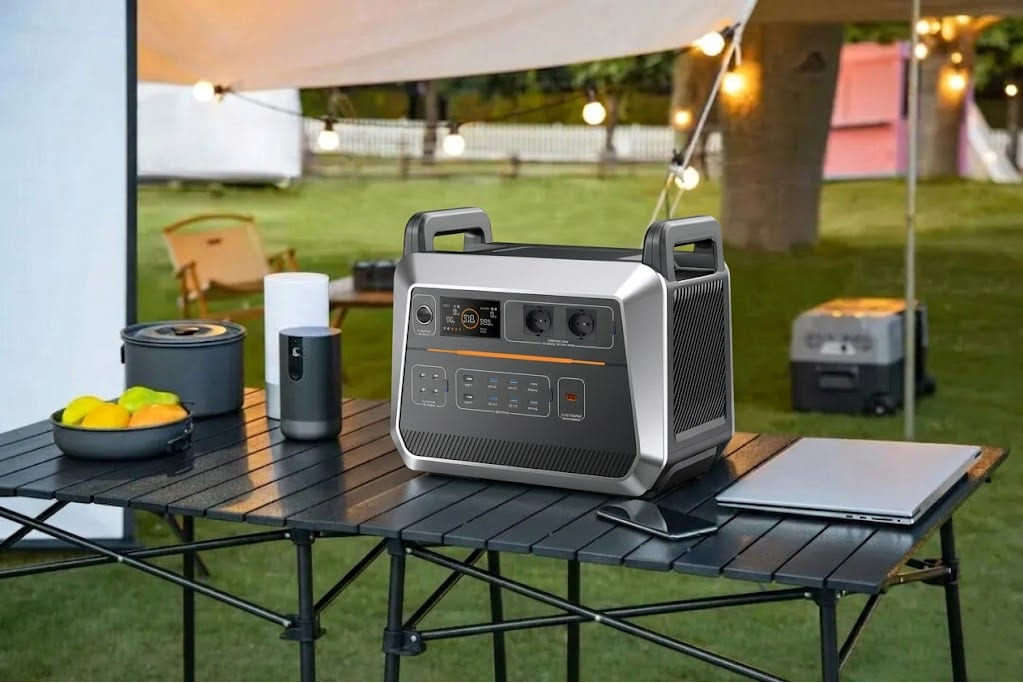
In contrast, as the best generator for power outage at home, the portable power station’s initial purchase cost is indeed higher than that of a fuel generator, but its comprehensive cost-performance ratio is reflected in the following points:
Zero Maintenance Cost: It has no engine, requires no oil changes, and you don’t have to worry about it failing to start after being stored for too long. As long as it is charged normally, you can use it with the press of a button at the critical moment.
Indoor Friendly: No noise, no exhaust fumes; it can be placed directly in the bedroom for power supply. This is very friendly for families who need to care for the elderly or children.
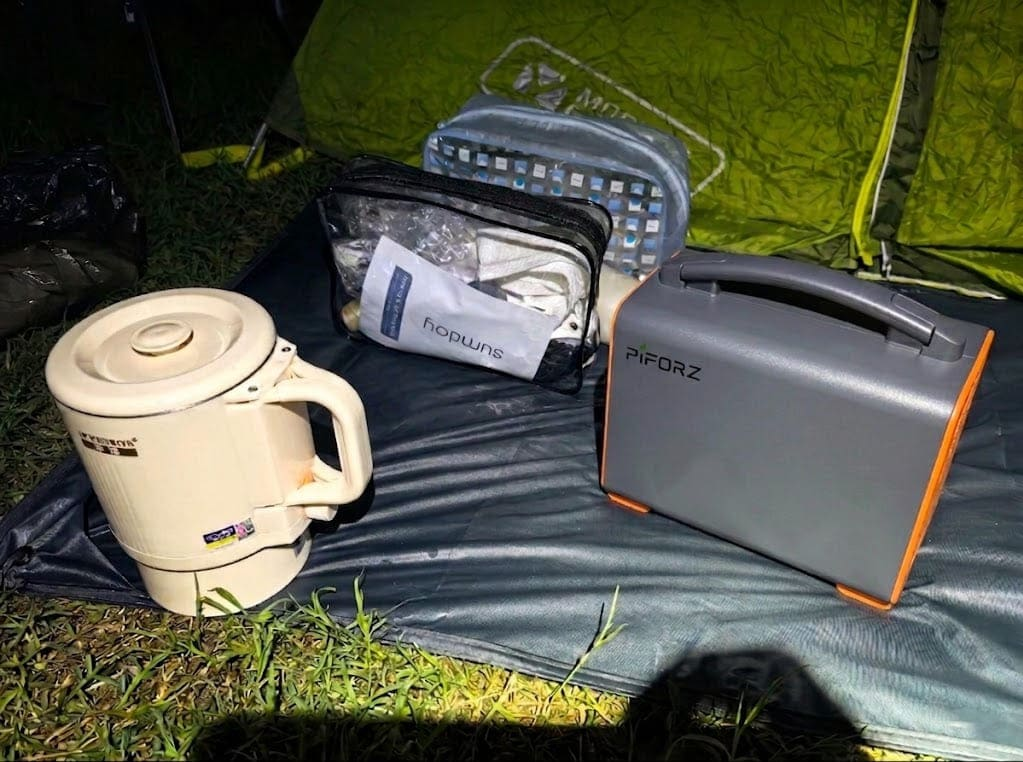
Multi-purpose Use: This kind of power supply can not only deal with home power outages but is also the best portable generator for camping. We can also take it on outings and picnics; its frequency of use is much higher than a fuel generator that might only be used once a year.
This is especially critical for households reliant on medical devices like CPAP machines or oxygen concentrators, which require extremely stable voltage to operate safely. Unlike gas generators that produce pungent fumes and deafening noise, a Portable Power Station is silent and emission-free. It can be placed directly at the bedside, ensuring that life-sustaining medical equipment remains powered and ready the moment the grid goes down.
Why many enthusiasts believe that stackable home battery systems are a solid option.
We are often asked: “How long does a 3000W power station last?” The truth is, runtime depends entirely on your power consumption habits. If you are only powering essentials like home communication and basic lighting, it can easily last for 24 hours or more. However, if you frequently run “power-hungry” appliances like induction cookers or hair dryers, the battery could be exhausted in just a few hours.
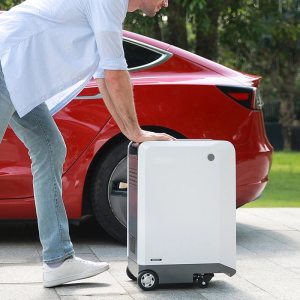
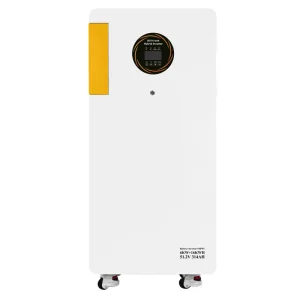
According to the best portable generator for power outage reddit threads in 2026, battery capacity alone isn’t always enough for long-term survival. For the ultimate best portable generator for home power outage setup, you should consider pairing your station with high-wattage solar panels or even a stackable home battery storage system featuring a hybrid solar inverter.
Reddit users’ small tips for saving electricity: When we face a power outage, stay calm and learn to control electricity: save the power for the most important appliances. For example, open the refrigerator door less to keep the internal temperature low; turn off unnecessary background lights; if it is not extreme weather, try not to run high-power electric heaters, but adjust by adding or removing clothes.
Conclusion:
Choosing a home generator cannot only refer to the purchase price; it also needs to be considered in combination with our living environment and actual use. Objectively speaking, if we live in remote suburbs, frequently face power outages lasting three to five days, and have outdoor space, fuel generators indeed have an advantage. But if we are an urban family where power outages are usually resolved in a short time, and we hope to use electricity quietly and safely indoors, then a portable battery power station is a more cost-effective and practical choice.
Finally, it must be emphasized that no matter which solution is chosen, safety is always priority number one. It is strictly forbidden to connect the generator to home outlets via double-headed cables, and when using fuel-powered machines, be sure to strictly abide by ventilation and fire prevention rules. We hope that through the power calculation and comparative analysis in this article, we can help everyone make the most reasonable decision when facing a power interruption.
FAQ:
What should you not plug into a generator?
The most important rule is the strict prohibition of “backfeeding.” We must never use a double-headed male plug cable to plug the generator directly into a home outlet, as this will burn out the circuits and even endanger utility workers outside. Additionally, unless our power source outputs a pure sine wave, do not casually plug in precision medical equipment or high-end appliances, as this will directly fry the motherboards.
What is the 20 20 20 rule for generators?
When using a gas generator, keep it at least 20 feet (about 6 meters) away from the house, and the exhaust must be directed 20 feet away from any doors, windows, or air conditioning intakes to prevent carbon monoxide poisoning. Additionally, before refueling the generator, you must shut it down and allow the machine to cool for at least 20 minutes.