Solar energy is everywhere in our real lives. Many people are already using it in ways we don’t even notice. As solar battery technology continues to mature, the applications of solar power systems in real life are also becoming increasingly widespread.
This article will walk you through the practical uses of solar energy, how it is used in real life, and how to determine whether you actually need it.
How Does Solar Energy Turn Into Electricity?
Solar energy is a clean and renewable energy source. Solar power generation is actually not as complicated as it might seem. When the sun comes out, sunlight hits the solar panels, and the electrons inside the panels start moving, creating an electric current. However, this current is direct current (DC), so it needs to be converted into alternating current (AC) by an inverter before it can be used by household appliances. Any excess electricity can be stored or fed back into the grid.
Solar energy → solar panels → inverter → home appliances → solar battery storage / power grid
If you would like to learn more about the solar battery involved in this process, you can read “How Do Solar Powered Batteries Work? A Comprehensive Guide”.
Where Can Solar Energy Be Used in Our Daily Lives?
What exactly can solar energy do? Let me list a few scenarios and use cases that you’ll understand right away:
| Category | Scenario | Practical uses of solar energy |
| Residential daily use | Home electricity | Powering household lighting, appliances (refrigerators, air conditioners, TVs, etc.), and electronic devices. |
| Backup power during outages | Providing electricity stored in batteries to supply essential household or commercial loads during grid failures, extreme weather, or sudden blackouts. | |
| Camping, RVs, off-grid cabins | Powering lighting systems, vehicle refrigerators, kitchen equipment, and entertainment devices. | |
| Off-grid agriculture | Islands | In remote island areas where grid access is limited and power transmission is difficult, off-grid solar systems are commonly used to meet both residential and production energy needs. |
| Farms | Meeting daytime electricity demand that aligns naturally with sunlight hours, helping reduce energy costs through solar power. | |
| Greenhouse power supply | Ensuring stable operation of automated temperature control, grow lights, shading systems, and humidity control equipment to support crop growth. | |
| Farm monitoring | Providing continuous power to security cameras and environmental sensors around farmland and livestock areas for uninterrupted remote monitoring. | |
| Automatic feeding systems | Powering automated feeders, timed water dispensers, and other smart livestock equipment for unattended operation. | |
| Agricultural irrigation and pumping | Supplying power for irrigation systems and water pumps in remote farmland areas where grid access is limited. | |
| Public infrastructure | Urban public facilities | Powering smart signage, street indicators, charging stations, and other portable public infrastructure in cities and public squares. |
| Parking lot lighting | Ensuring continuous nighttime lighting for indoor or outdoor parking areas, improving safety and reducing electricity costs. | |
| Park facilities | Supplying green electricity for landscape lighting, public address systems, smart benches, and vending machines in parks. | |
| Medical equipment power supply | Providing reliable high-power support for critical medical devices such as oxygen concentrators, ventilators, and emergency medical equipment to protect lives. | |
| Commercial & industrial use | Communication backup power | Supplying power for telecom base stations, wireless routers, and walkie-talkie charging stations in remote or emergency situations to ensure stable connectivity. |
| Factory rooftop generation | Large factory rooftops are ideal for photovoltaic systems, enabling self-consumption, reducing electricity costs, and lowering carbon emissions. | |
| Warehouse power supply | Providing electricity for lighting, electric forklift charging, automated sorting systems, and security systems in logistics and storage centers. |
How Do You Use Solar Energy at Home?
In fact, there are mainly three ways to use solar energy at home:
Rooftop solar system
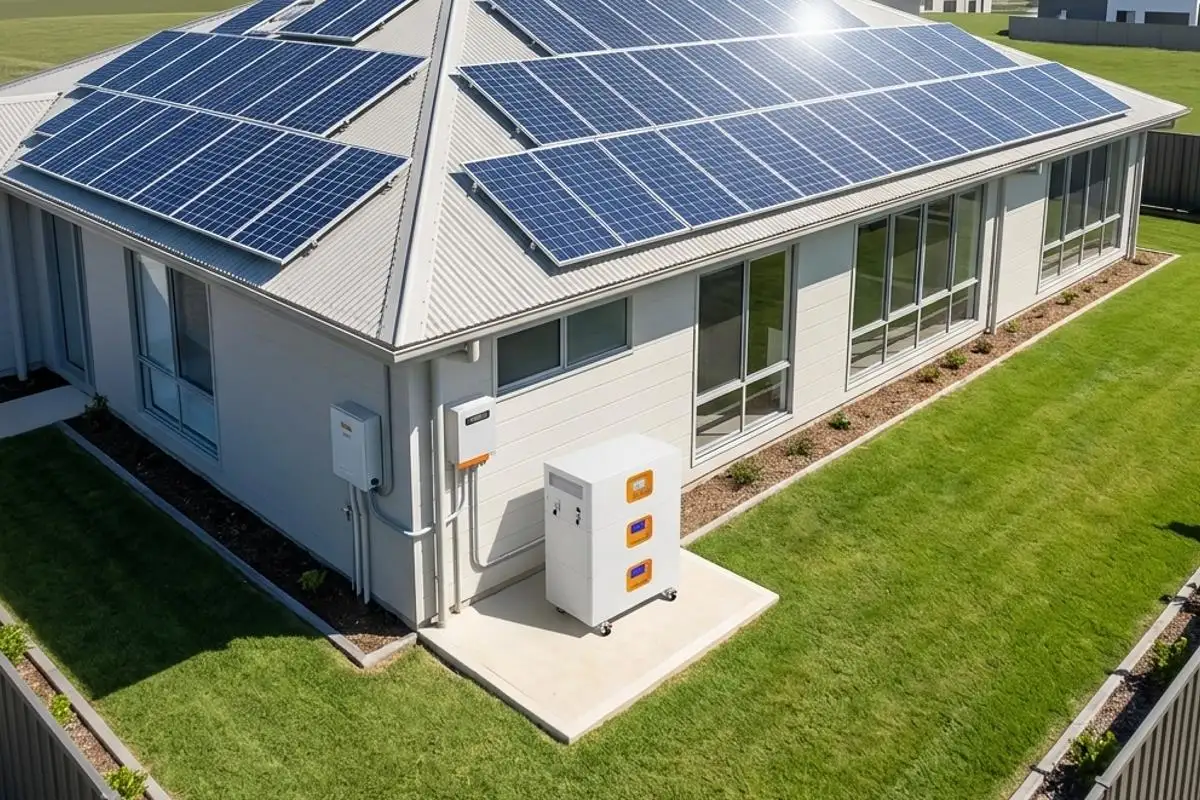
This is typically used in situations where you have a detached house, villa, or a rooftop terrace. It is also one of the most effective ways to utilize solar energy. The system is composed of solar panels, an inverter, a distribution box, and energy storage batteries, forming a complete solar power generation and supply system. Common configurations include grid-tied systems, off-grid systems, and hybrid systems. For a more detailed explanation of these three systems, you can refer to our previous blog: “Industry Secrets That Most Solar Energy Guides Won’t Tell You: How to Not Get Ripped Off”.
Balcony DIY solar system
In high-rise apartments without access to a private rooftop, you can usually install a photovoltaic system on your balcony or windowsill. You can DIY by mounting 1–2 lightweight solar panels and connecting them through an inverter to a portable power station or a home energy storage battery. The electricity generated by solar power during the day can be stored and used anytime you need it.
Portable solar power system
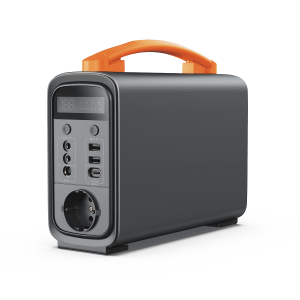
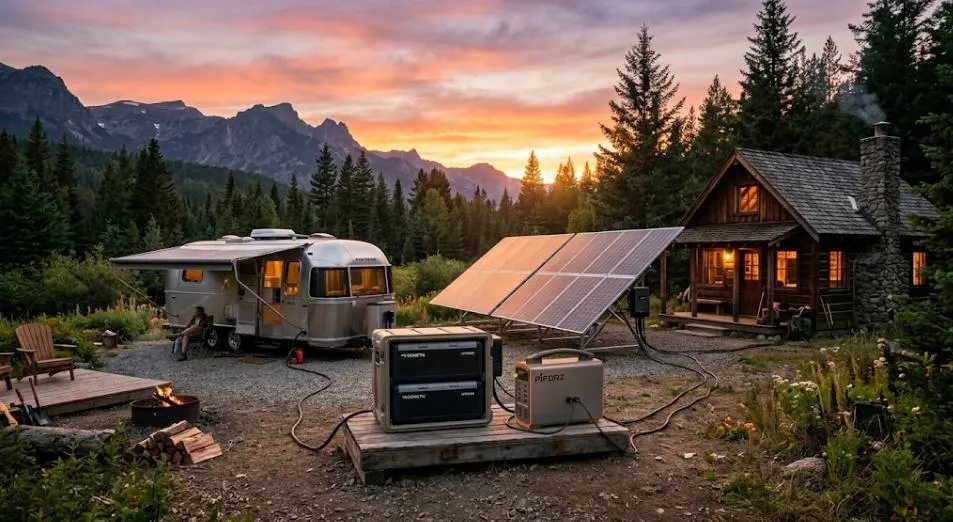
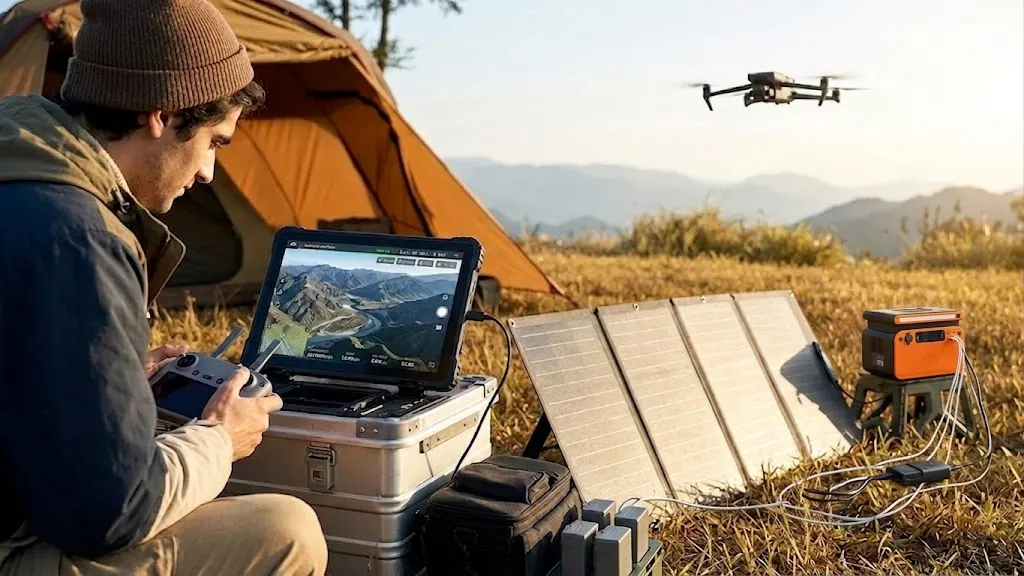
This approach does not require any modification to your home’s wiring. It is mainly used as a backup solution during power outages or for outdoor activities such as camping. Typically, you only need a few foldable solar panels and a portable power station. During the day, you place the panels in a sunny spot such as a yard or rooftop and connect them to charge the power station. Once charged, you can bring it indoors to power devices like phones and laptops, or take it with you on camping trips to run items such as car refrigerators and camping lights.
What Devices Can Solar Energy Actually Power?
First, you need to understand that a solar power system’s capability mainly depends on three key factors: photovoltaic output power, energy storage capacity, and the inverter’s rated power and peak power. So what exactly can it run? Let’s break it down based on different system sizes and parameters.
If your solar system is 300W–600W, such as a balcony micro solar setup or a small portable solar power station, it can typically run devices like: smartphones, tablets, laptops, drones, digital cameras, LED lights, and Wi-Fi routers.
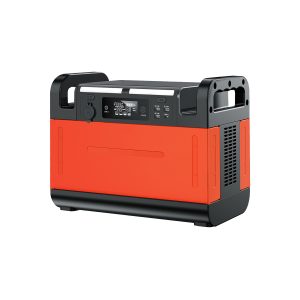
If your solar system is 1000W–2000W, usually paired with a battery storage system or a portable power station with solar panels, it can power appliances such as: car refrigerators, household double-door refrigerators (continuous operation), electric fans, TVs, projectors, juicers, and CPAP machines (for medical support).
If your solar system is 2000W–3000W, such as outdoor energy storage systems or large-capacity home portable power units, it can run appliances like: microwaves, electric slow cookers, small electric ovens, coffee makers, electric kettles, hair dryers, washing machines, and water pumps.
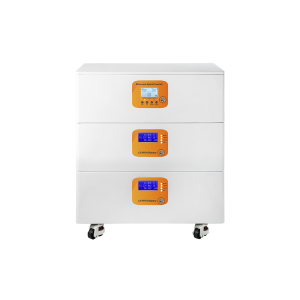
If your solar system is 5kW–10kW+, such as residential rooftop solar systems with large home energy storage or industrial/commercial power setups, it can support high-power devices such as: central air conditioning systems, split air conditioners, electric heaters, large agricultural irrigation pumps, factory production equipment, and EV charging stations.
So how do you determine whether your solar system can actually power an air conditioner or a refrigerator? Here are four practical ways to check:
Check startup power demand: Many appliances draw 3–5 times their normal running power during startup. If your inverter’s peak output isn’t high enough, the system may trip or fail the moment the appliance turns on.
Check continuous output requirements: A refrigerator, for example, may run throughout the day. Make sure your battery capacity is sufficient to keep it operating through cloudy weather or a power outage.
Check battery capacity: For example, if you store 2 kWh of energy, that would only power a 500W appliance for about four hours under ideal conditions. Make sure your battery storage matches your actual needs—don’t wait until an outage to realize you don’t have enough backup power.
Check your real usage needs: Are you only charging phones, or are you trying to power an entire home? You can refer to the final section of this article for a more detailed breakdown.
What Do Solar-Powered Homes Do on Cloudy Days and at Night?
I know what you’re probably thinking next: doesn’t solar become useless on cloudy days and at night? That’s actually a really good question.
If your home has both a grid connection and a solar power system, you can still use electricity from the grid even when there’s no sunlight.
If you live completely off-grid, the situation is different. On cloudy days with weaker sunlight, your solar system will usually continue generating power because it is still collecting available sunlight (optimistically, output may only reach around 10%–30% of what you would get on a clear day). But in most cases, that amount of electricity isn’t enough to support normal household usage. A lot of people don’t calculate this before installing solar and only realize it afterward.
For off-grid living, the real question isn’t whether there is sunlight—it’s how long your stored energy and backup power can keep you running through several consecutive cloudy days. That’s why off-grid systems often require a larger battery bank, a diesel generator, or another backup power source to maintain reliable electricity.
➡️ What you need to know before choosing the right battery for a solar system
Benefits of Using Solar Energy
Save on electricity bills. Reduce the amount of electricity you draw from the grid, helping lower your monthly energy costs.
Keep essential appliances running during outages and extreme weather. In unexpected blackouts or severe weather conditions, a solar system can help maintain power to critical household devices and support everyday life with less disruption.
Increase property value. In the real estate market, homes equipped with a complete and well-established solar and energy storage system are often valued higher than similar properties in the same area. The same can apply to resale homes.
Solar energy is abundant and renewable. It generates electricity safely and can reduce your exposure to energy shortages or fluctuations in fuel markets.
Generate power anytime and almost anywhere. Because electricity is produced close to where it’s used, solar avoids long-distance transmission like the traditional grid. In scenarios such as RV travel, camping, outdoor photography, and agricultural water pumping, it offers the advantage of “where there is sunlight, there is power.”
It is clean energy. Solar power produces no pollution or noise during operation. By using solar energy, you can reduce your carbon footprint and minimize environmental impact.
How to Get Started with Solar Energy: Decide Whether You Actually Need It
Step 1: Define your goal first
If your goal is to reduce electricity bills with solar energy, a rooftop solar system or a grid-tied solar setup is usually the better choice.
If your goal is to maintain basic household power during outages, a solar + battery storage system is generally more suitable.
If you need power for camping, RV travel, or outdoor use, a portable solar solution is a better fit.
If you want to live completely off-grid, you’ll typically need a combination of solar panels, battery storage, and a backup power source.
Step 2: Understand your actual electricity needs
Plan ahead and ask yourself a few questions: How much is your monthly electricity bill? Which devices must stay running? Do power outages happen often? Do you use more electricity during the day or at night? Do you have the space and conditions to install a solar system (such as a detached house, self-built home, private farm, or off-grid cabin, as well as suitable roof orientation and whether there are tall trees or buildings nearby)?
Step 3: Start small and scale up gradually
A solar system doesn’t have to be built all at once. Many people choose to start gradually—beginning with solar panels and a portable power station, then adding a home backup battery, and eventually integrating a rooftop solar system. Upgrading step by step also makes it easier to control your budget and reduces the risk of buying equipment that doesn’t actually fit your needs due to lack of experience.
Step 4: Decide whether solar is actually right for you
A complete solar power system is actually more suitable for people in these situations: households that plan to stay long term, people living in areas with high electricity costs, places that experience frequent power outages, and homes with available roof or outdoor space. If you’re renting for a short period or have relatively low electricity demand, then I wouldn’t recommend installing a full solar system.