
When we experience a power outage, the first thing we usually worry about is the refrigerator. If the power is out for several hours, fresh food in the fridge will slowly spoil, and if electricity doesn’t come back for more than ten hours, everything in the freezer can melt completely. This is why a battery powered generator has become an increasingly popular solution. Unlike traditional gas generators, it runs more quietly and more cleanly.
But can a battery powered generator really power a refrigerator? How much power do you actually need? This article will explain in detail how a battery-powered generator can run a fridge, how to calculate the right size, and what factors you should consider before buying.
1. Can a Battery-Powered Generator Run a Refrigerator?
The answer is yes.
A battery powered generator is not a traditional generator. Instead of producing electricity from fuel, it stores electrical energy in a built-in battery and converts it into usable AC power through an inverter.
Although refrigerators look large, their running wattage is not very high because they operate intermittently. However, because they start and stop in cycles, the compressor requires a large surge of power when starting up. This means the generator must handle both the running wattage and the surge wattage at the same time.
If the surge capacity is too low, the fridge may fail to start even if the running wattage looks adequate. For example, a standard refrigerator may run at about 200 watts but require 800–1500 watts of surge power when starting. So when choosing battery powered generators, you must make sure it can handle both the rated and peak wattage of the appliance.
2. What Size Battery Powered Generator Do You Need for a Refrigerator?
2.1 Understand Your Refrigerator’s Power Ratings
Before choosing a battery powered generator, you need to understand your refrigerator’s rated and peak wattages. These are usually found on the refrigerator’s label or in the manual; if not, you can ask the seller. The following table data is for reference:
| Refrigerator Type | Running Power | Surge Power |
| Mini fridge | 50-100W | 200-500W |
| Standard refrigerator | 100-200W | 600-1200W |
| Large refrigerator/freezer | 150-300W | 1000-2000W |
2.2 Minimum Required Output
In addition to meeting the fridge’s rated and surge power requirements, you should leave some extra power capacity. This ensures reliable startup and allows the generator to power other small devices if needed. Choosing a larger-capacity battery powered generator as a home backup source is generally a safer approach.
2.3 Battery Capacity Needed
Besides output power, battery capacity determines how long a refrigerator can keep running. A simple estimation formula can be used to calculate the required capacity:
Required Capacity (Wh) ≈ Average Refrigerator Power (W) × Operating Time (h)
However, keep in mind that a refrigerator does not run continuously. Once the compressor reaches the set temperature, it shuts off, while only the fan and control board continue operating until the temperature rises and the compressor starts again.
According to estimates from the U.S. Department of Energy (DOE), a standard household refrigerator’s actual annual operating time typically accounts for around 30%–50% of the total day, depending on factors such as ambient temperature, how often the door is opened, and temperature settings.
Therefore, when calculating capacity, you should not simply multiply the rated input power on the refrigerator label by the backup time. Instead, use the refrigerator’s average power consumption.
For example: a refrigerator may have a rated power of 200W, but its daily energy consumption is around 1.5kWh. This means its average power consumption is approximately 62.5W per hour. If you want it to run for 10 hours, the actual required capacity would be:
62.5W × 10h ≈ 625Wh
By comparison, if you calculate based on continuous operation at 200W, the required capacity would be 2000Wh, which would significantly overestimate the battery size needed.
For a more accurate estimate, it is recommended to check the refrigerator’s user manual for its annual energy consumption (kWh/year) and divide that number by 365 to get the average daily energy usage, which can then be used as the basis for your calculation.
3. How Long Can a Battery Powered Generator Run a Refrigerator?
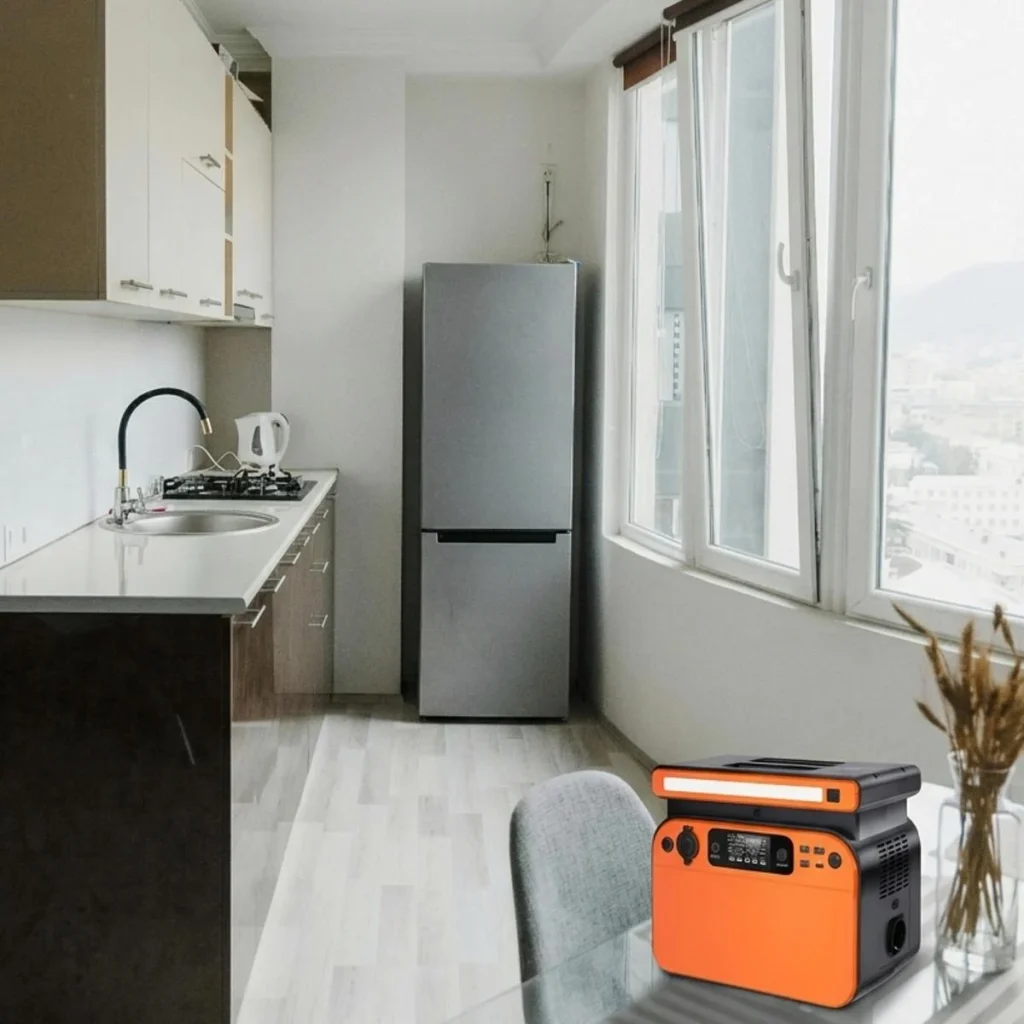
The runtime of a battery powered generator depends not only on battery capacity but also on several other factors, including inverter losses, refrigerator efficiency, ambient temperature, and how often the door is opened.
The runtime of a battery-powered generator depends not only on the battery capacity mentioned above, but also on several other factors, including inverter losses, refrigerator efficiency, ambient temperature, and how frequently the refrigerator door is opened.
The basic formula for estimating runtime is:
Estimated Runtime (h) ≈ Battery Capacity (Wh) × Inverter Efficiency (around 90%) ÷ Average Refrigerator Power (W)
Actual runtime may vary depending on factors such as ambient temperature and door-opening frequency. The following values are typical estimates for reference only.
Taking a typical household refrigerator as an example (average daily energy consumption of about 1.5kWh, average power consumption of approximately 62.5W), the estimated runtime with different battery capacities is:
| Battery Capacity | Estimated Runtime | Suitable Scenario |
| 500Wh | About 6–8 hours | Suitable for short-term power outage backup |
| 1000Wh | About 12–16 hours | Can cover most of a day’s basic power needs |
| 2000Wh | About 24–32 hours | Can meet around one day of basic backup needs |
| 3000Wh+ | About 48 hours or more | Suitable for multi-day outages or off-grid power scenarios |
4. Gas Generator vs Battery Powered Generator for Refrigerator
When powering a refrigerator, battery powered generators and gas generators each have their advantages.
A battery powered generator for refrigerator runs quietly, produces no harmful gases, and is easy to operate. It is suitable for indoor use and is ideal for apartments or short power outages.
A generator to power a refrigerator (gas generator) also has its benefits. As long as you have fuel, it can run for long periods, and its power output is typically higher. However, it must be used in well-ventilated areas and requires regular maintenance.
Overall, for short-term outages or indoor use, a battery-powered generator is often the more practical choice.
5. Portable Battery Powered Generator Options for Refrigerators
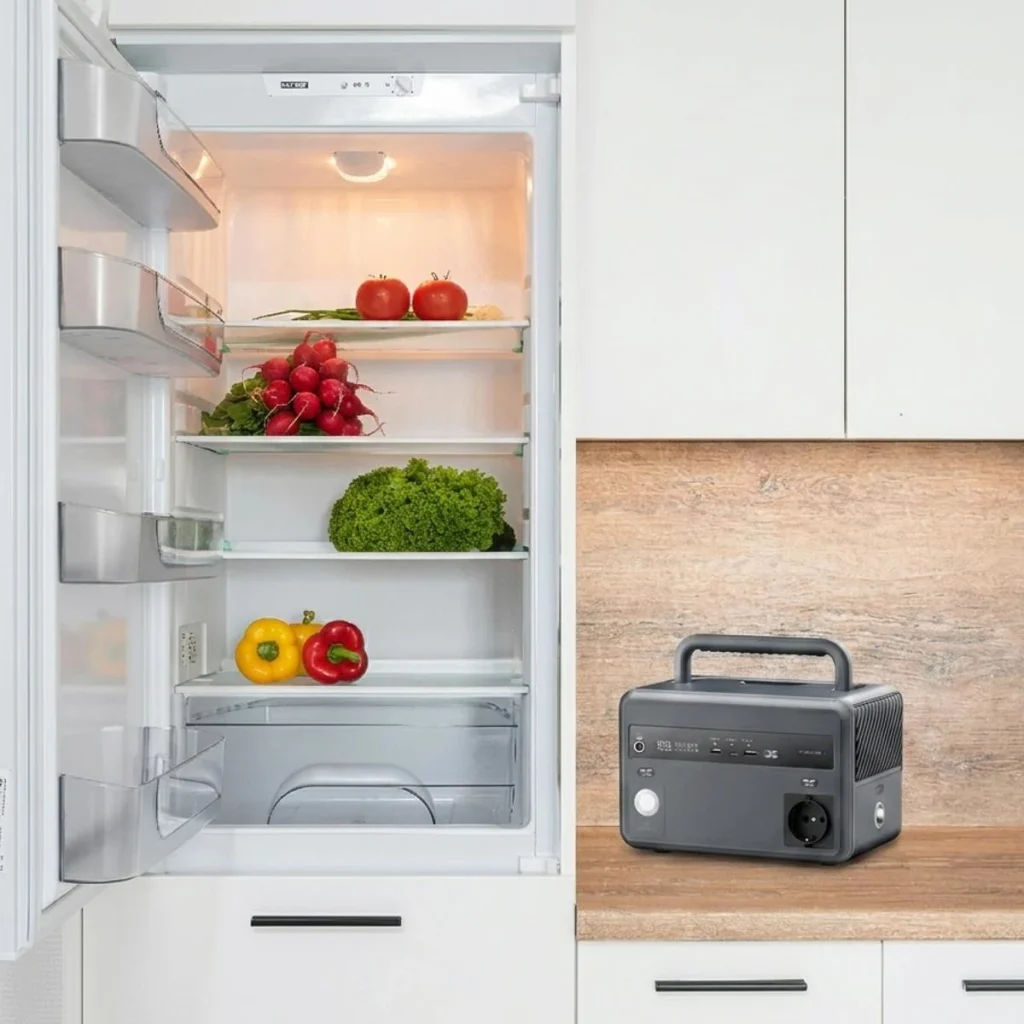
We can categorize portable power stations by output size to determine what type of refrigerator they support:
Small 500W–1000W battery powered generators
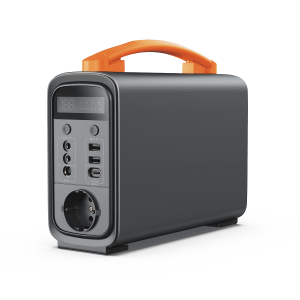
Suitable for mini-fridges or short-term emergency backup. They offer limited power and shorter runtime, making them ideal for outdoor use or emergencies. A recommended option is the GT500 , which has a 500W rated output and 1000W peak output.
Medium 1000–2000Wh battery powered generators
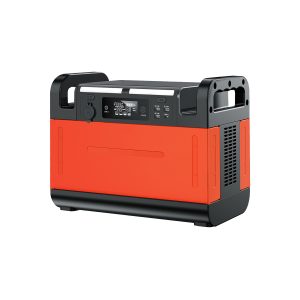
Suitable for standard household refrigerators during short outages. This capacity range is ideal for home backup. The GT1500 is recommended, offering 1200W rated power and 1700W peak power.
Large 2000Wh+ battery powered generators
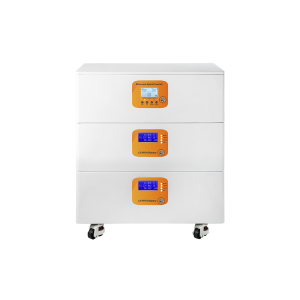
Suitable for long power outages or for running both a refrigerator and a freezer at the same time.
When choosing, consider your usage scenario along with the fridge’s rated and surge wattage. Hopefully, this article helps you make a better decision when selecting a portable power station.
6. FAQ
Q:Can a battery powered generator run a house
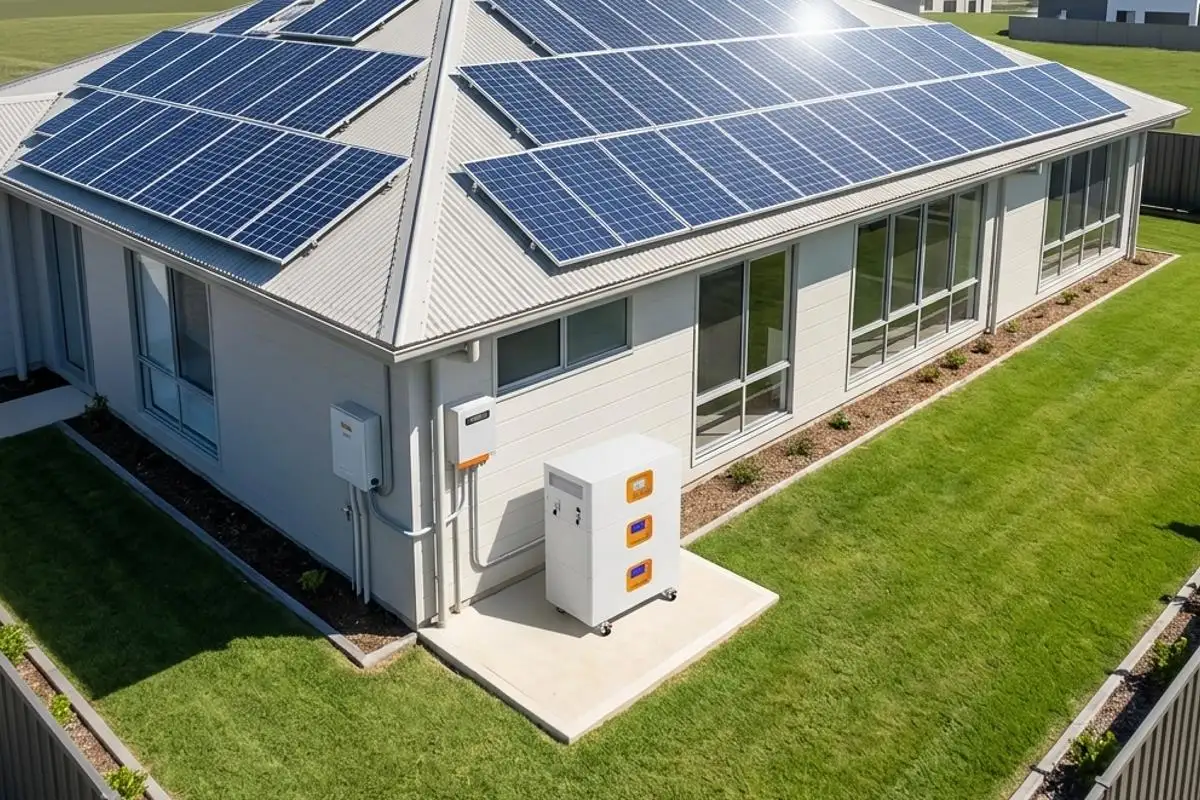
A:Yes. If the battery powered generator can cover the total wattage of your household appliances, it can power the entire home. Since homes often use high-wattage appliances like air conditioners and induction cookers, choosing a high-power, large-capacity energy storage system is recommended.
Q:Is there such a thing as a battery-powered generator?
A: Yes. These are commonly called portable power stations. They store electricity in batteries instead of using fuel.