With the advancement of technology, alternative power sources are no longer limited to scientific research—they are increasingly becoming part of everyday life and entering ordinary households.
At the same time, rising electricity costs, grid instability, and environmental concerns are pushing more and more homeowners to pursue energy independence.
8 Ways of Generating Electricity at Home
1. Solar Panels
This is currently the most popular and widely adopted way to generate electricity at home. Solar panels absorb sunlight and convert it into direct current (DC), which is then transformed into usable alternating current (AC) through an inverter.
The main advantage is flexibility—where there is sunlight, there is power.Beyond rooftop installations, solar energy is also powering battery swapping stations for electric two- and three-wheelers, enabling clean, off-grid charging infrastructure in residential communities and remote areas.
2. Small Wind Turbines
These systems generate electricity by using wind to spin turbine blades, which drive a generator.
They require very specific conditions, such as open spaces in rural or suburban areas with consistent and strong wind. Locations like hillsides without trees or buildings blocking the wind tend to perform best.
3. Micro Hydropower
This method channels flowing water through pipes to spin a turbine, which then drives a generator.
Its biggest advantage is 24/7 continuous operation, making it highly stable and reliable. It is best suited for homes located near a constantly flowing stream with sufficient elevation drop.
4. Solar Roof Tiles
Solar roof tiles function the same way as solar panels but are integrated into roofing materials. They generate electricity while also serving as protective roofing.
Their biggest advantage is aesthetics—they blend seamlessly with the building design.
5. Fossil Fuel Backup Generators
These are conventional generators powered by diesel, propane, or natural gas.
They are highly reliable and capable of delivering high power instantly—as long as fuel is available. For this reason, they are mainly used for emergencies, such as power outages, rather than daily electricity generation due to high fuel consumption and environmental impact.
6. Biomass Generators
This is a relatively niche off-grid solution. It burns wood or pellets in a specialized furnace and uses the temperature difference between the combustion chamber and ambient air to generate small amounts of DC power through thermoelectric modules.
7. Geothermal Power
This method is extremely rare for residential use. It requires access to underground heat sources such as hot springs or steam, which can drive turbines for electricity generation.
Due to strong geographic limitations, it is not a practical option for most households.
8. Hydrogen Fuel Cells
Hydrogen fuel cells generate electricity through a chemical reaction between hydrogen and oxygen, producing only water as a byproduct—without combustion.
They are quiet, clean, and more efficient than internal combustion engines. However, high costs and limited accessibility remain major barriers.
These eight methods represent some of the most mature technologies available today for achieving energy self-sufficiency.
You may also have heard about Bill Gates’ new energy source, referring to sodium-cooled fast reactor nuclear technology promoted by his company. However, this technology is currently designed for large-scale grid applications and is not yet suitable for residential use. Therefore, it is not recommended as an alternative energy solution for homes at this stage.
What is Off-Grid Power? Understanding Off-Grid Power Systems for Homes
To achieve true energy independence, you need to build an off-grid system.
So, What is off-grid power?
Simply put, it is a completely self-sufficient power system that operates independently of the public utility grid.
Then, How to make electricity at home?
If you want to create your own DIY off-grid electricity setup, you’ll need a complete off grid power device system with the following key components:
1. Generation (Energy Collection)
This is the part that converts natural energy (such as sunlight or wind) into electricity.
2. Control (Charge Management)
Electricity generated by solar panels fluctuates due to changing sunlight conditions and cannot be directly stored in batteries.
An MPPT controller solves this problem by continuously tracking the maximum power point and converting unstable input into stable voltage and current suitable for battery charging.
3. Storage (Battery System)
This stores electricity for later use.
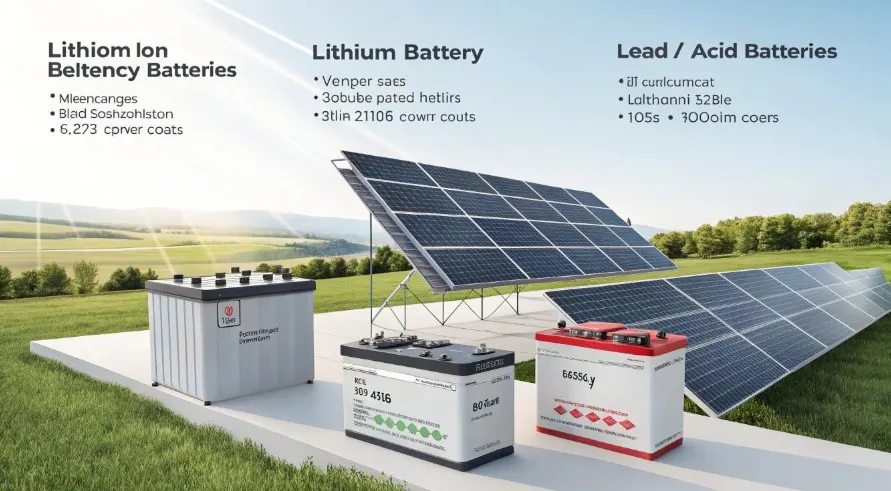
LiFePO4 batteries are currently the mainstream choice for home energy storage. Compared to conventional lithium batteries, they offer a significantly longer cycle life and higher safety, with a much lower risk of overheating or fire—making them ideal for daily charge-and-discharge cycles in off-grid applications.
4. Conversion (Inverter)
The inverter converts DC electricity stored in batteries into AC electricity for household use.
At their core, all these components follow the same fundamental process:
generate → store → use electricity
What is the Best Alternative Energy Source for Homes?
For homeowners wondering: What is the best alternative energy source for homes?
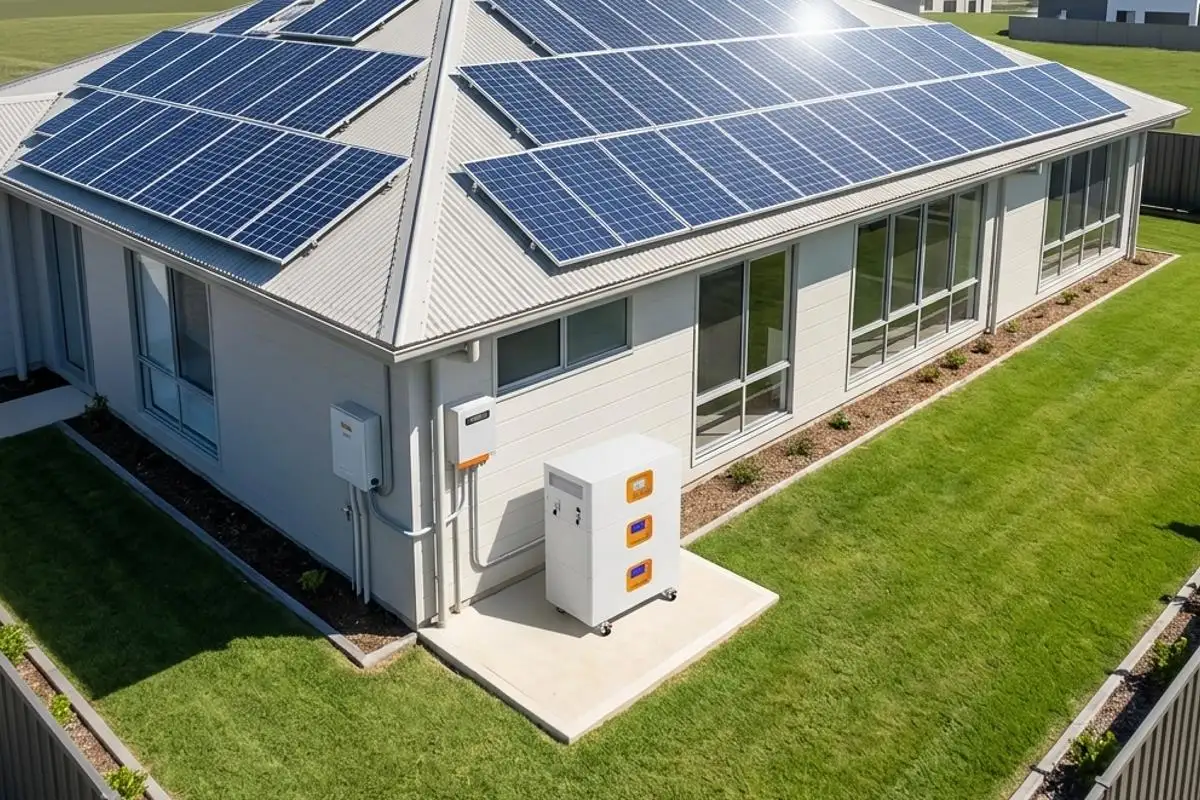
In my view, the best solution is: Solar Panels + Lithium Battery Storage System
Here’s why:
Wide applicability
It works almost anywhere. As long as you have access to sunlight—whether on a rooftop, terrace, or open land—it can generate power.
Low maintenance
The system is quiet, clean, and requires minimal upkeep. Unlike fuel generators, there’s no need for oil changes or filter replacements.
Scalable and flexible
You can start small if your budget or energy demand is limited, and expand later by adding more panels or batteries—just like building blocks.
Environmentally friendly
Solar + storage is a clean energy solution with zero emissions during daily operation, unlike fossil fuel generators.
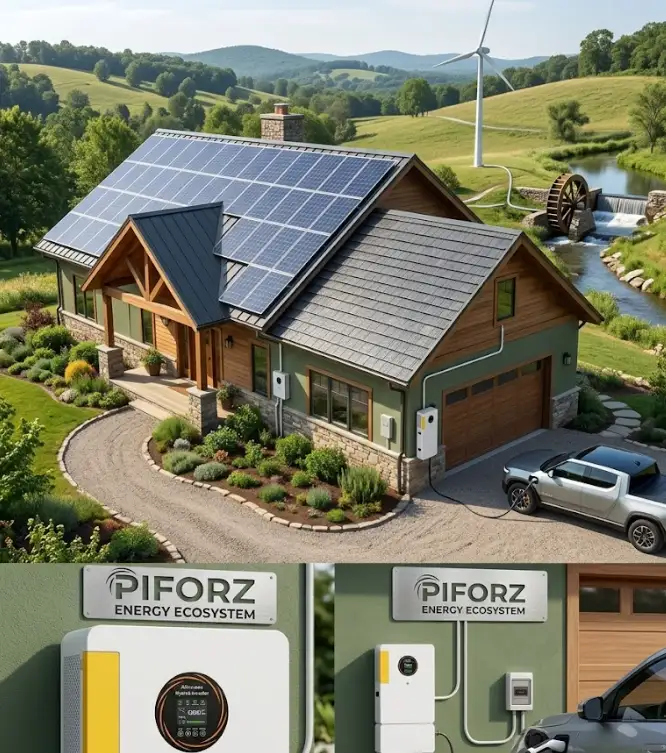
If you’re considering purchasing a home energy storage system, you may want to explore PIFORZ for available solutions.
Cheap Off-Grid Power Systems: What is the Cheapest Way to Power Your Home?
Many people also ask: What is the cheapest way to power your home?
In reality, this question often means:
“How can I reduce my electricity bills within a limited budget?”
A practical starting point is switching to LED lighting and gradually improving energy efficiency. Once you’ve saved enough, you can consider installing solar power.
Short term (within 5 years)
The grid is the cheapest option, since it requires no upfront investment.
Long term (10–20 years)
An off-grid solar system becomes the most cost-effective solution. After the payback period, electricity is essentially free.
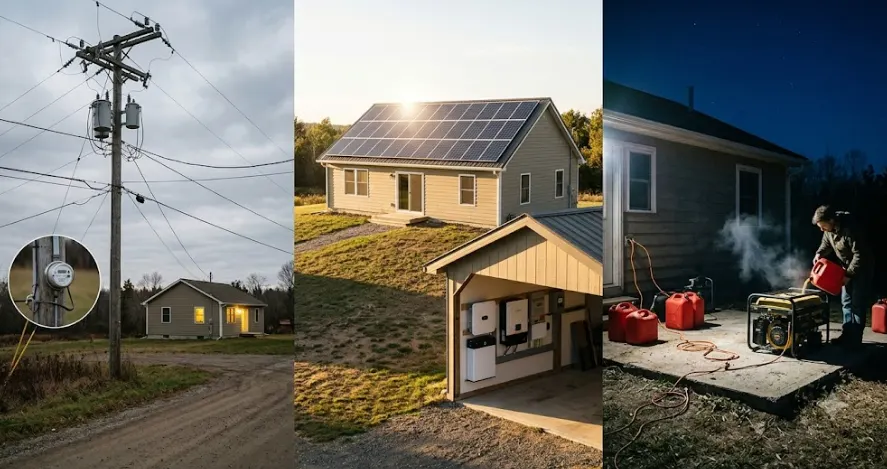
| Solution | Upfront Investment | Ongoing Operational Cost | Energy Independence |
| Public Grid | MinimalNominal connection fees; zero hardware required. | High & EscalatingSubject to utility inflation and unpredictable billing. | Zero AutonomyVulnerable to grid failures; zero backup control. |
| DIY Off-Grid Solar | Capital IntensiveRequires upfront capital for panels, LFP batteries, and inverters. | NegligibleFree solar energy with minimal maintenance overhead. | 100% Self-SufficientImmune to blackouts; absolute control over self-generated power. |
| Fuel Generator | Budget-FriendlyLow initial purchase cost; readily accessible. | ExorbitantTied to volatile fuel prices, routine maintenance, and non-stop refueling. | PartialTied directly to fuel supply chains and local logistics availability. |
Conclusion
From understanding different alternative power sources to building your own home energy storage system, every step is an investment in freedom.
Choosing alternative power sources for home electricity is not just about going green—it’s about gaining independence, resilience, and long-term peace of mind.