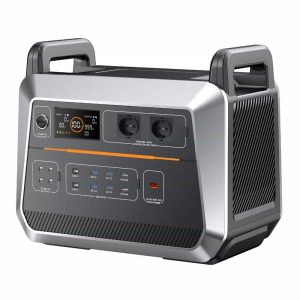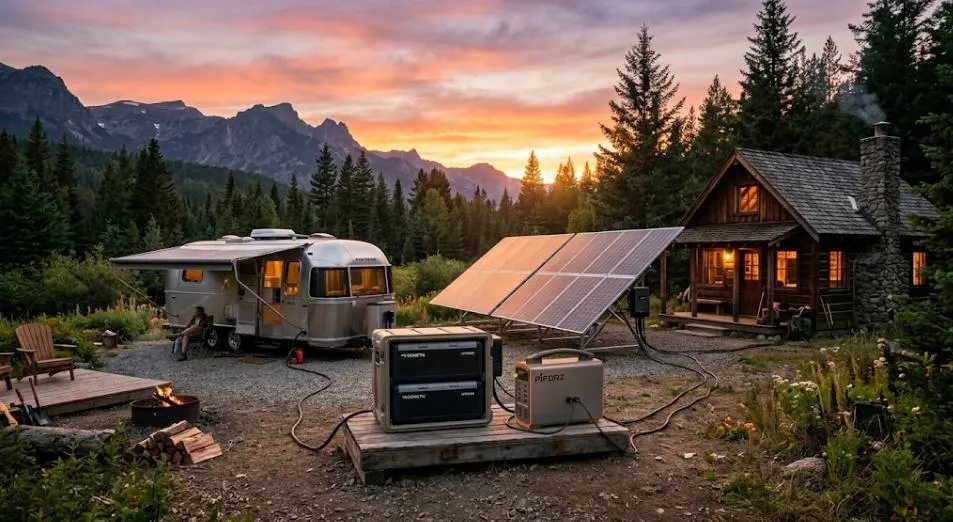

You’re enjoying a relaxing camping trip outdoors when a few drops of rain suddenly start to fall. Instinctively, you rush to move your portable power station rechargeable unit and other essential gear into the tent.
Then it hits you—those ads for a waterproof power station. “If only mine were waterproof,” you think.
But here’s the real question: Do you actually need a waterproof power station?
The truth is, not every situation requires an expensive IP65 power station. Let’s break this down and figure out what really matters—for both outdoor use and choosing a portable power station for home backup.
What Is a Truly Waterproof Power Station?
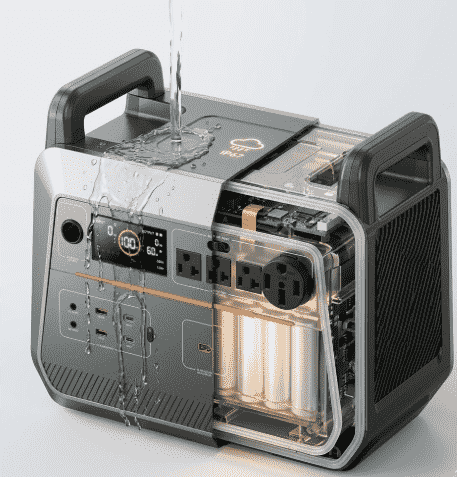
A waterproof power station or IP65 power station typically displays its protection rating on the product label. These ratings—IP65, IP67, and IP68—define different levels of water resistance.
Many popular models—such as the Goal Zero Yeti 200X Portable Power Station or other Goal Zero portable power station 200Wh options—are lightweight and convenient. However, they are not designed for extreme wet environments and usually don’t offer high-level waterproof protection.
Understanding IP Ratings
IP65 power station
Protects against heavy rain and water splashes. Suitable for environments like rainstorms or near waterfalls.
IP67
Can withstand temporary submersion (up to 1 meter for 30 minutes). Useful if the unit accidentally falls into shallow water or sits in pooled rainwater.
IP68
Designed for continuous submersion beyond 1 meter (exact limits depend on the manufacturer).
How Does a Waterproof Power Station Work?
To achieve waterproofing, a lithium battery portable power station must include multiple protective design features:
Physical Sealing
Rubber gaskets seal all joints, buttons, and ports—similar to the seal on a pressure cooker lid.
Drainage Design
Sloped surfaces or grille structures around AC outlets help water flow away instead of seeping inside.
Internal Potting
Critical circuit boards are sealed with thermally conductive silicone to prevent moisture contact.
Integrated Housing
A one-piece molded enclosure reduces gaps and strengthens overall protection.
However, if the unit is dropped, opened, or improperly sealed, even a high-end IP65 power station can lose its protection.
Why Do People Search for a Waterproof Power Station?
Many users searching for a waterproof power station or even a Goal Zero portable power station 500Wh are actually concerned about reliability, not just water resistance.
Think about it:
Even if your device is waterproof, would you leave it out in the rain overnight?
Probably not.
When people consider products like the Goal Zero Yeti 1500X Portable Power Station or other portable power station rechargeable models, their real concern is avoiding:Short circuits,system shutdowns,battery damage,in extreme cases, fire risks.
So the intent behind searching “waterproof power station” is often about safety and durability, not submerging the device in water.
What Really Matters for Home Backup Power?
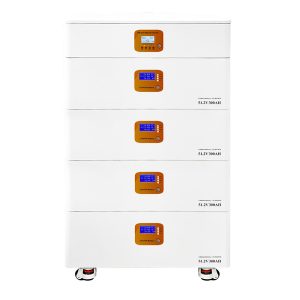
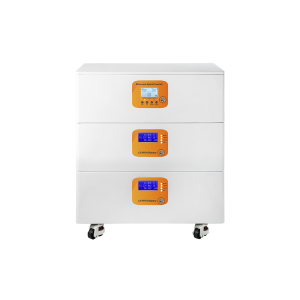
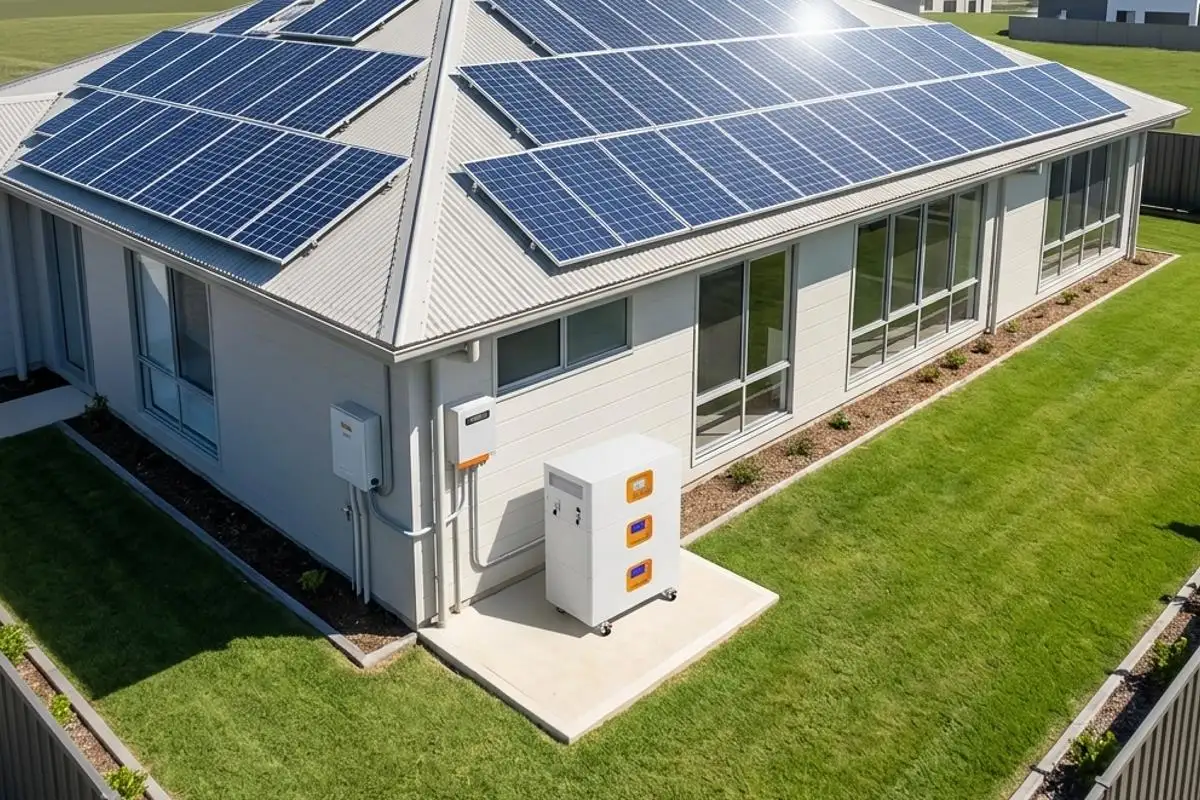
If you’re choosing a portable power station for home backup, waterproofing should not be your top priority.
Most home backup units are used indoors, where exposure to rain is minimal. Instead, focus on these key factors:
1. Power Output and Capacity Matter Most
A reliable home backup system should:
Keep your refrigerator running
Support essential appliances
Handle high loads like heaters
If you need serious performance, you should look at a portable power station 3000 watts class system instead of smaller units like the Goal Zero Yeti 200X Portable Power Station.
While options like the Goal Zero portable power station 500Wh are great for light outdoor use, they are not designed for full home backup.
2. Battery Safety Is the Core
A lithium battery portable power station is only as reliable as its battery.
Most modern high-quality systems use LiFePO4 batteries, which offer:
Better thermal stability
Longer lifespan
Lower fire risk
Compared to standard lithium-ion batteries, they are much safer for long-term home use.Many high-end systems now use LiFePO4 batteries for improved safety and lifespan.
If you want a deeper comparison, you can read this guide
3. Reliability Over Waterproofing
For indoor use, what matters most is:
Stable AC output
Efficient heat management
Long-term durability
Even high-end models like the Goal Zero Yeti 1500X Portable Power Station are not primarily designed for rain exposure—they’re built for reliable energy delivery.If you’re looking for a true portable power station 3000 watts solution for home backup, it’s worth considering a high-capacity model like the Piforz PF3000 portable power station.
How to Protect Your Power Station Outdoors
Even if your unit isn’t an IP65 power station, you can still protect it effectively:
Use a raised platform to avoid ground moisture
Add a protective cover or enclosure
Keep it ventilated while shielding from rain
These simple solutions often work better in real-world conditions than relying solely on a waterproof power station design.
Final Thoughts
So, do you really need a waterproof power station?
For most users, the answer is no.
What you truly need is:
A reliable portable power station rechargeable
Enough capacity for your needs
A safe and stable lithium battery portable power station
Waterproofing is useful—but it’s not the most important factor, especially for a portable power station for home backup.
FAQ
Which power station is waterproof?
Some rugged models offer IP65 ratings, but many popular options like the Goal Zero Yeti 1500X Portable Power Station or Goal Zero portable power station 200Wh models are not fully waterproof and should be used with protection.
Are there waterproof power banks?
Yes, smaller devices with IP67 ratings are available and are a good option for protecting phones and small electronics.
Is the Jackery power station waterproof?
Some newer models offer limited water resistance, but most are not designed to handle heavy rain for extended periods.
Can portable solar panels be left out in the rain?
While many panels are weather-resistant, prolonged exposure to rain can reduce efficiency and lifespan. It’s best to store them when not in use.