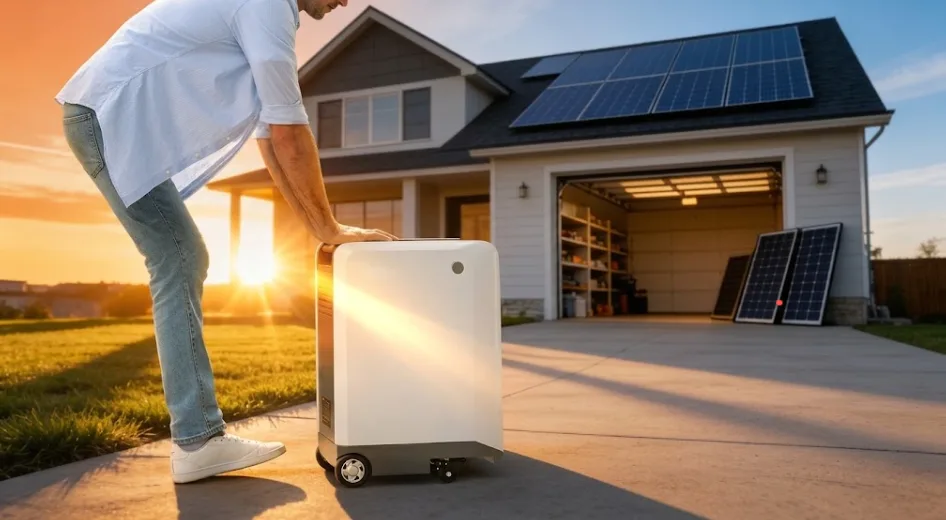

Do you often encounter this situation online: wanting to buy a portable power bank (or solar generator) for camping or as a backup at home, only to find a wide range of models available—from 300W to 3000W or even higher. If you choose a smaller model, you might worry it won’t power your devices enough; if you opt for a larger one, you’ll find it prohibitively expensive and excessively heavy.
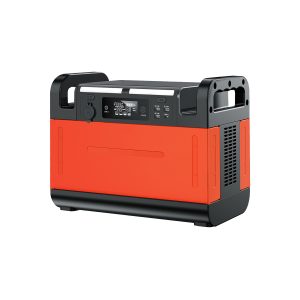
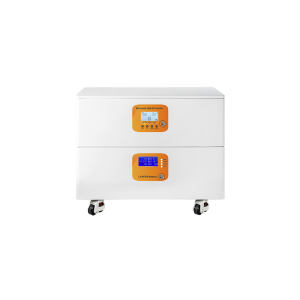
In reality, unless you plan to set up a large welding repair shop in the wilderness or power an entire villa, a 1,500-watt solar generator strikes the perfect ‘golden balance point’ for over 90% of ordinary households and outdoor enthusiasts.
What exactly does 1500W mean? What can it power?
Before purchasing an electrical appliance, we must first understand the meaning of “watt (W).” Simply put, wattage is analogous to the diameter of a water pipe: the thicker the pipe, the more water it can discharge per unit time; similarly, the higher the wattage of an appliance, the greater the power it can simultaneously drive other devices.
The wall sockets in our homes typically have a maximum power rating of around 1800W to 2200W. This means a 1500W portable solar generator is nearly as powerful as a standard wall socket in your home.
Let’s see what 1500W can do:
- Charging a phone or computer? That’s like using a sledgehammer to crack a nut. A single laptop can only deliver up to 60–100 W of power. In contrast, a 1500-W power supply can effortlessly power over a dozen computers simultaneously without any strain.
- Mastering daily small appliances? No problem. It handles electric fans (50W), LCD TVs (150W), car refrigerators (60W), and even large household refrigerators (which have higher starting power but typically operate at 200–500W) with ease.
- The “power hog” that enhances your quality of life? This is where the 1500W model truly shines. Want to enjoy a freshly brewed coffee while camping? A coffee machine typically consumes around 1000W. Want to cook noodles or have hot pot on an induction cooker? Setting it to medium heat uses approximately 1200–1500W. Want to heat a meal in the microwave? It handles that perfectly.
To put it bluntly, aside from high-capacity vertical air conditioners, high-power industrial power saws, or situations where you need to operate an oven, hair dryer, and microwave simultaneously, a 1500W power output is more than sufficient for most household and outdoor applications.
Why is 1500W considered the “golden choice”? (It’s better to buy the right one than the biggest one.)
Many people adhere to the principle of “buying larger models rather than smaller ones,” directly opting for devices with 2000W or even 3000W power outputs. I won’t stop you, but before placing an order, you should consider these practical factors—this is precisely why we strongly recommend the 1500W-tier models.
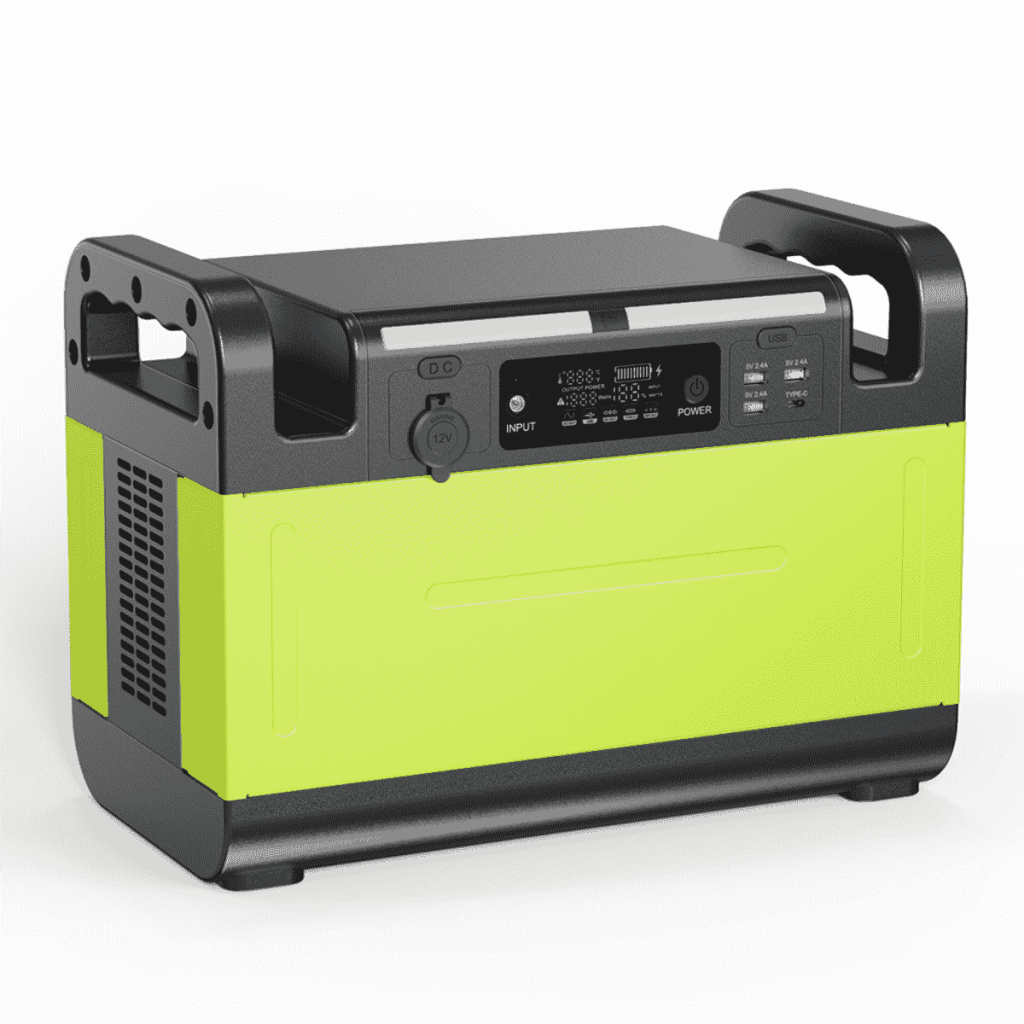
Only what can be moved is truly “portable”.
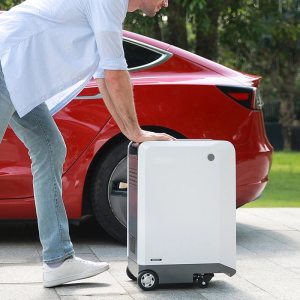
For batteries, the larger the capacity and higher the power output, the more proportionally their weight increases. A solar generator with a capacity of around 1500W typically weighs approximately 15 kilograms (about 30 jin). With this weight, an adult male can carry it on one hand for a decent distance, and a woman can easily load it into a car trunk with both hands. However, if you purchase a massive 3000W unit, its weight could soar to 30–40 kilograms. While buying it may seem appealing for camping, the process of transporting it—from your home to the elevator, then to your car, and finally to the campsite—will leave you so exhausted that you might question life itself. In the end, it’s highly likely to become an expensive, dust-covered ornament in your home.
No financial strain—excellent value for money
A significant portion of the cost for portable energy storage systems lies in the battery cells and inverters. Upgrading from 1000W to 1500W typically results in a price increase that remains within most users’ budget; however, a jump from 1500W to over 2000W often leads to a steep price surge. Spending several thousand yuan extra for occasional “extreme high-power” usage is not cost-effective. The 1500W model strikes the perfect balance between performance adequacy and affordability, offering the most optimal cost-performance ratio.
The perfect combination of safety and environmental protection
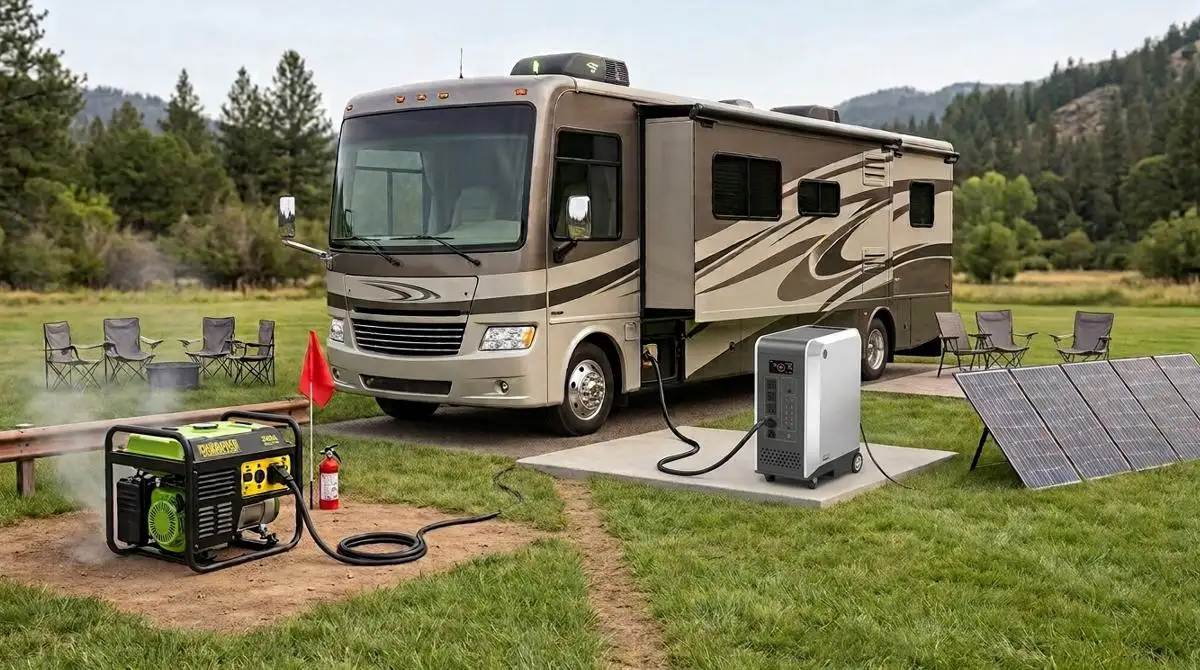
Solar generators produced by PiForz, unlike the old-fashioned fuel-powered generators of the past, no longer require gasoline refueling. Fuel generators not only generate excessive noise but also emit toxic exhaust gases (carbon monoxide), making them absolutely unsuitable for indoor use. In contrast, our solar generator is essentially a massive “eco-friendly power bank.” It operates almost silently, allowing you to place it directly in a bedroom, RV, or even a tent. When paired with a solar panel, it provides a continuous supply of free clean energy whenever sunlight is available—a true reassurance for dealing with sudden natural disasters or power outages.
Real-life scenarios: How does the 1500W camera save you?
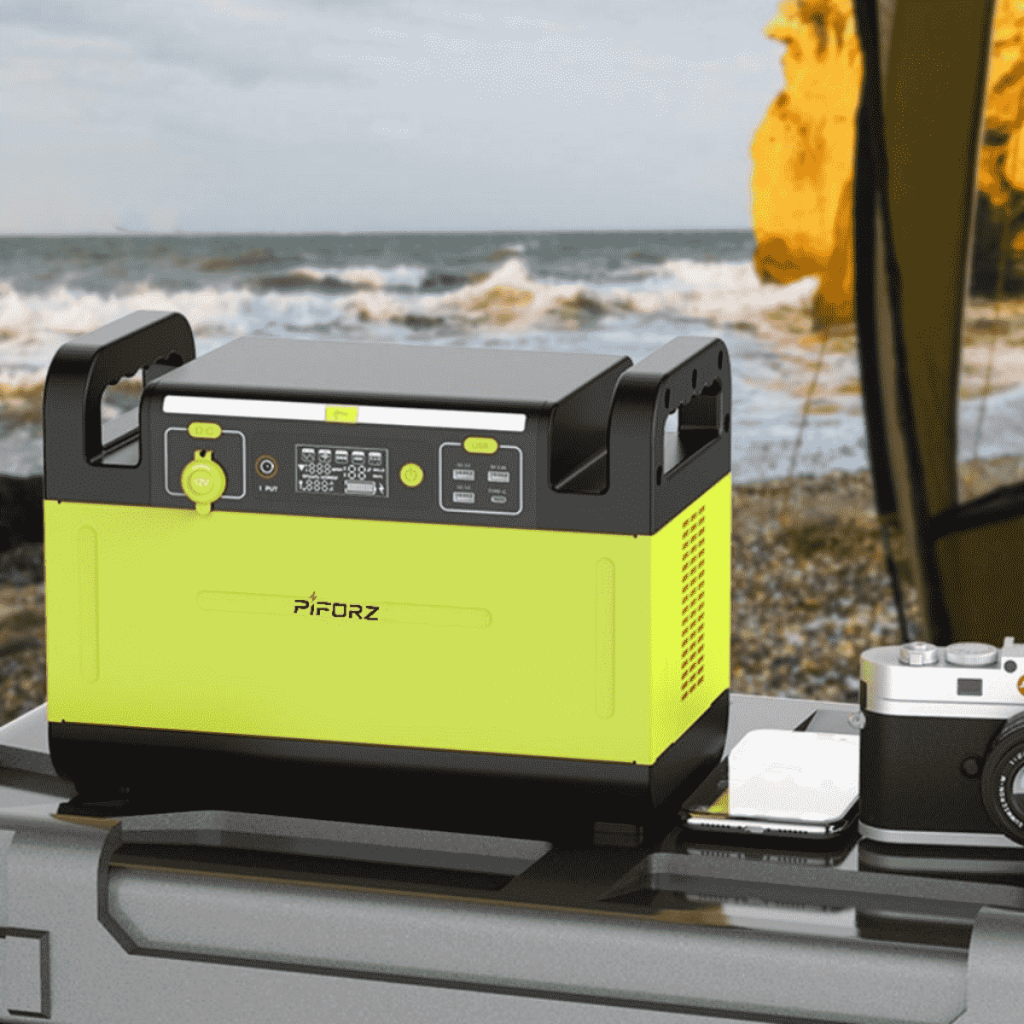
Scenario 1: A sudden power outage on a summer night
It was over 30 degrees outside when the power suddenly went out at home. The ice cream in the refrigerator began to melt, and the expensive seafood was about to spoil; the child was too hot to sleep, and your phone’s battery was down to just 10%. At this point, you took out a 1500W generator from the cabinet, plugged it into the refrigerator’s outlet (preserving the food), connected a floor fan (ensuring the child could sleep peacefully), and linked it to the Wi-Fi router and the phone charging cable. The total power consumption of this setup was less than 500W. Your 1500W generator handled the load effortlessly and, thanks to its built-in battery capacity, allowed you to get through the power outage safely.
Scenario 2: The “Moving-Camp” Experience During Hard Times
In the past, camping was referred to as “wilderness survival,” where cooking required gathering firewood entirely on-site. Modern camping emphasizes enjoyment. Equipping yourself with a 1,500W solar generator transforms your camping experience: in the morning, brew a latte with a coffee machine; at noon, use a portable mini-fridge to enjoy chilled drinks; in the evening, set up a projector for an outdoor movie—even the lighting fixtures remain illuminated throughout the night. This outdoor experience, free from concerns about running out of power, is once tried, unforgettable.
Scenario 3: Outdoor Mobile Office Station
For freelancers or digital nomads who enjoy traveling in RVs, electricity is your lifeline. The 1500W power supply ensures your laptop, drone battery, and camera battery are always fully charged, and even allows you to carry a Starlink device, enabling high-definition connectivity even in remote mountainous areas.
When selecting a 1500W solar generator, these essential technical specifications must be considered.
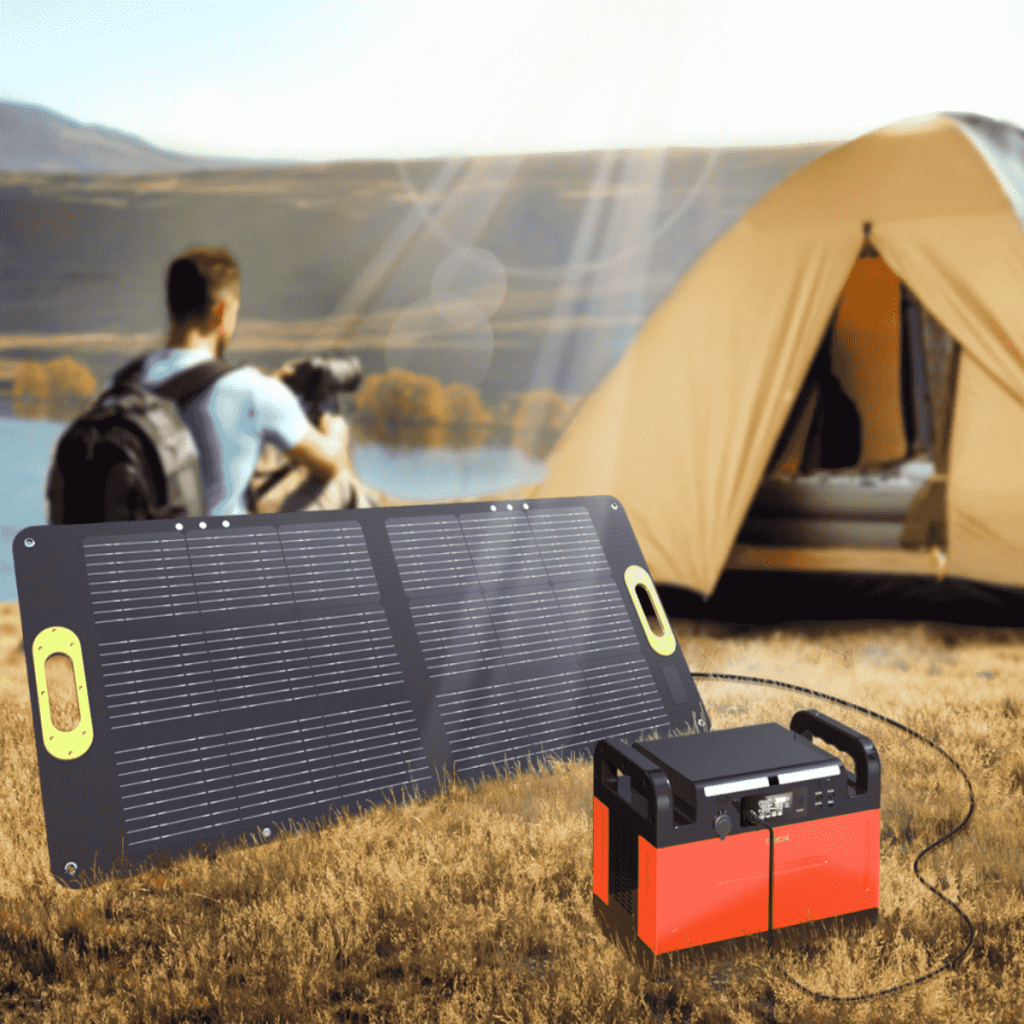
Now that you’ve settled on the 1500W range, with so many brands available on the market, how can you choose without falling into traps? As a professional manufacturer in the industry, PiForz advises focusing intently on the following four key parameters when making your purchase:
Battery Capacity (Wh): Fast charging for long-range performance
Note that power (W) indicates the maximum electrical load you can handle, while capacity (Wh, watt-hours) refers to how long you can operate it. This is similar to buying a car: 1500W represents the engine’s horsepower, while Wh indicates the fuel tank’s capacity. An excellent 1500W generator typically has a battery capacity between 1000Wh and 1500Wh. For example, if you connect a 100W small refrigerator to a 1000Wh power source, it can theoretically run for 10 hours (1000 ÷ 100 = 10). Therefore, when purchasing, you should consider not only whether the output power is sufficient but also whether the battery capacity can meet your usage requirements.
Pure sine wave output (very critical!)
Never purchase cheap, low-quality inverter products. The power supply in our homes delivers a smooth “sine wave.” If your purchased inverter outputs a “rectified wave” or “square wave,” it may work fine for lighting a bulb, but plugging it directly into your expensive Apple computer, DSLR camera charger, or ventilator could easily damage the equipment. In the PiForz product line, all models come standard with high-quality “pure sine wave” inverters, producing a current that is even purer and more stable than household mains power—fully protecting your delicate electronic devices.
Charging speed and charging method
What should you do if the power supply runs out during transportation? The charging speed is crucial. A reliable 1500W generator must support multiple charging methods:
- Municipal power fast charging: Simply plug it into the wall at home, and it can be fully charged in 1–2 hours—ready for immediate use.
- Solar panel charging: This is precisely why it is called a “solar generator.” Outdoors, simply deploy the solar panels and connect them to the device; it can generate electricity while exposed to sunlight. When selecting one, pay attention to the maximum solar input power supported by the device—typically, the higher the input power, the shorter the time required to fully charge under sunlight.
- Car charging: While driving, you can also use the car cigarette lighter for slow charging to recharge your battery.
Is the interface sufficiently rich?
These days, people own an excessive number of devices. Examining the device’s panel, you’ll find at least two to three AC power outlets and several USB-A ports for charging regular smartphones. Most importantly, a Type-C fast-charging port (preferably with a power output exceeding 100W) is now essential—this means you won’t need to carry a bulky computer charger when traveling; a single cable handles everything.
Summary: Your first portable power bank – 1500W is the right choice.
Times have changed. In the past, we were constantly confined by wires within concrete and steel buildings. Today, with solar generators, we essentially carry a miniature power plant with us.
After this detailed analysis spanning several thousand words, you should now have a clear understanding: A 1,500W solar generator not only enables you to handle sudden power outages at home with ease but also significantly enhances your outdoor living experience. It’s portable, affordable, and capable of powering most household appliances—making it the ultimate all-around solution tailored to the needs of everyday users.