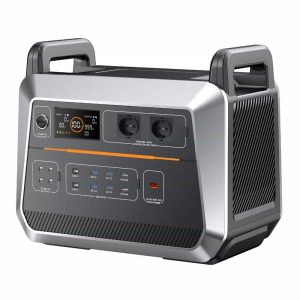
When choosing a portable power station, almost everyone first looks at the capacity (Wh) and output power (W). However, as a portable power manufacturer, I want to tell you an industry truth that many brands hide: voltage throttling.
If you notice that when the battery drops to around 30%, devices that used to run fine suddenly stop working, or your laptop starts charging extremely slowly, this is caused by voltage throttling.
Therefore, when we are looking for truly reliable off-grid power, what we are essentially looking for is a portable power station that does not throttle voltage.
What is a “Non-Throttling” Portable Power Station?
A typical power station will see its output voltage weaken as the battery level drops. The best portable power station that does not throttle voltage is a technology that can maintain a constant 110V or 220V output from 100% down to 1% battery.
Note: If the inverter is not of sufficient quality, the AC voltage delivered to your devices will also drop. If a power station reduces voltage at low battery levels, it can lead to:
- Device damage: Inductive loads (such as compressors and motors) can overheat under low voltage.
- Unexpected shutdowns: Medical devices (such as CPAP machines) or sensitive computers may restart due to unstable voltage.
Which generator has very low voltage regulation?
A portable power station equipped with a pure sine wave inverter and a high-end BMS (Battery Management System) delivers the best voltage regulation performance.
Portable energy storage units with extremely low voltage regulation variance, controlled by electronic inverters, respond very quickly and maintain output voltage with almost no fluctuation.
Built-in inverter and BMS regulation should not be confused with an automatic voltage stabilizer, which is a separate AC power-conditioning device used when incoming grid or generator voltage is unstable.
| Power Source | Voltage Stability | Performance for Sensitive Electronics |
|---|---|---|
| Lithium Portable Power Station | <1% voltage fluctuation | Excellent — Uses electronic inverter technology with extremely fast response and almost no voltage fluctuation. Ideal for precision devices. |
| Digital Inverter Generator | ±1% to ±3% voltage regulation | Good — Uses electronic control systems for automatic voltage adjustment and can support many sensitive devices. |
| Traditional Gas Generator | ±5% to ±10% voltage fluctuation | Fair — Uses mechanical governors and slower voltage adjustment, which may cause noticeable voltage fluctuations. |
How to Choose the Right Power Station Based on Wattage?
There are many different specifications on the market, ranging from portable power stations 1000W to the most powerful portable power stations (such as 3000W and above). However, higher power does not necessarily mean better—the key lies in output stability.
1. Outdoor Camping & Lightweight Needs: 300W vs 500W
For most off-grid campers, the best portable power station for camping does not need to be several kilowatts.
- 300W models: Ideal for charging drones, LED lights, and laptops.
- 500W models: The sweet spot for outdoor photography and light camping.
Piforz’s 300W and 500W units are not only compact, but also use the same constant-voltage output technology as higher-power models. Even when the battery drops to 5%, the voltage remains stable, ensuring that sensitive photography equipment is not damaged.
2. RV Travel & Semi Off-Grid Living: 1200W vs 2000W
Many people look for a 2000W portable power station, but in reality, a 1200W unit without voltage throttling is enough for 90% of household appliances, such as coffee makers, small microwaves, or power tools.
- 1200W models: An ideal choice for the best portable power station for RV and power outages.
A stable 1200W unit can cover most essential needs during a blackout (lighting, routers, phones, even CPAP machines), while being lighter than 2000W models. When running loads around 1000W, its stability often outperforms lower-end 2000W units that suffer from voltage throttling.
3. Heavy-Duty Backup: 3000W Portable Power Station
If you need to run central air conditioning or heavy-duty welding equipment, you may look for a 3000W portable power station. This type of most powerful portable power station is typically used for extreme home backup scenarios, but the downside is that it often weighs over 30 kg, making it less portable.
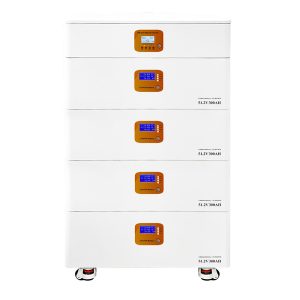
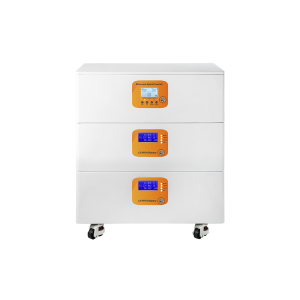
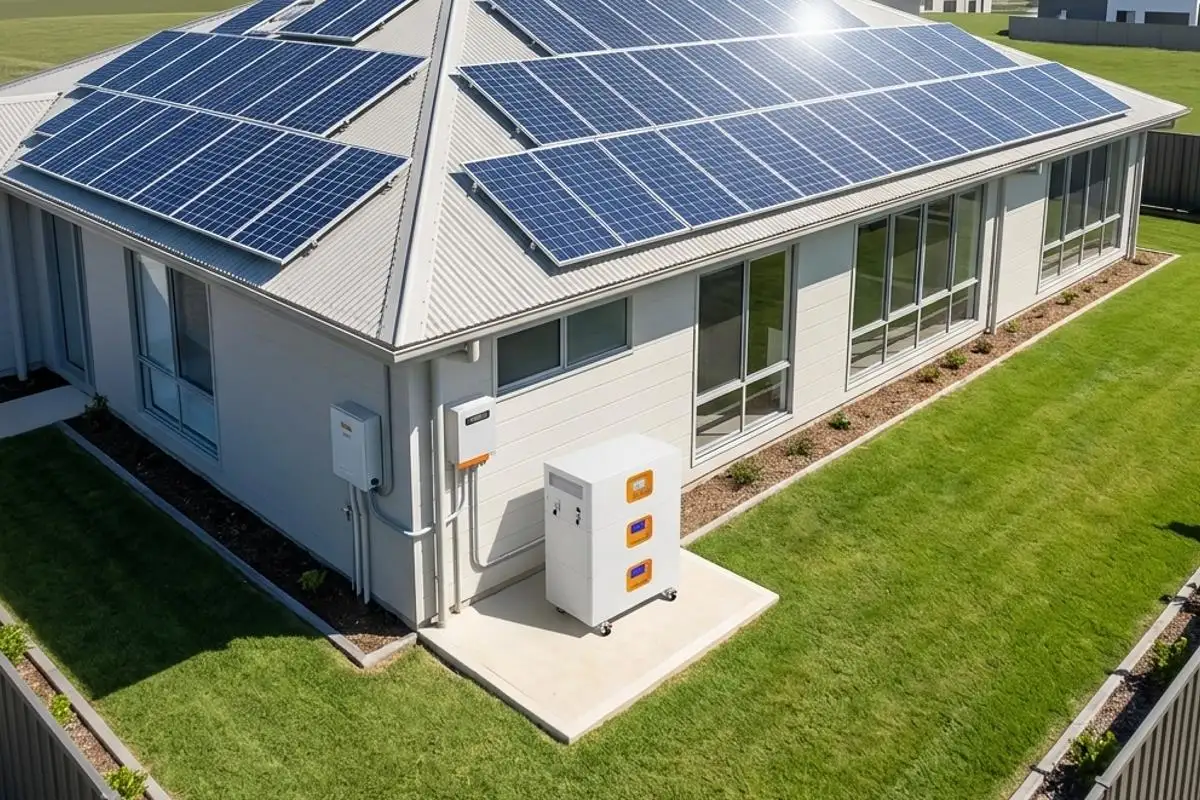
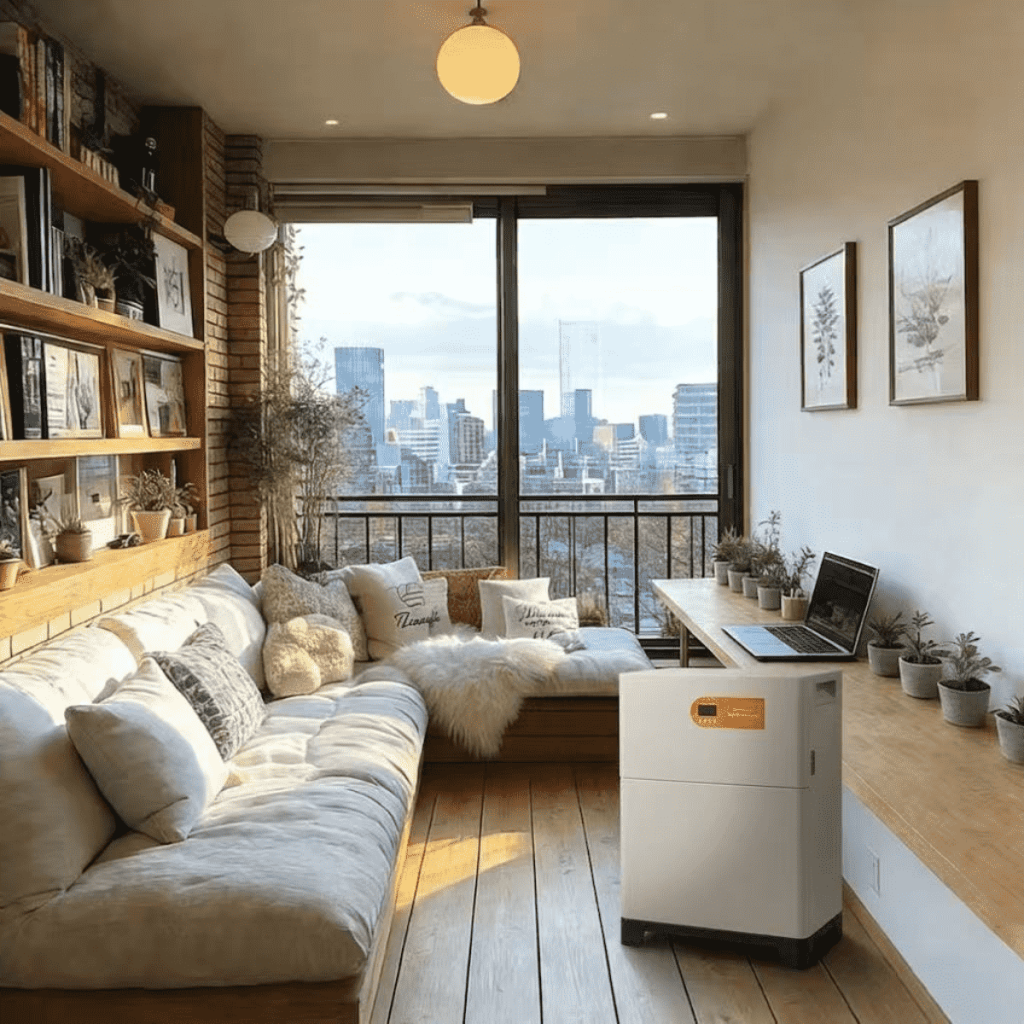
When choosing the best portable power station for home backup, it may be better to consider modular and stackable home energy storage systems. For example, Piforz offers stackable battery systems—an integrated solar storage solution with a 5kW inverter and expandable LiFePO4 battery modules (5kWh to 10kWh)
These systems are ideal for:
- Home backup power
- Off-grid setups
- Priority-based energy management
They also feature:
- Battery Management System (BMS)
- CAN / RS485 communication
- Over 6000 charge cycles
Conclusion:
Whether you’re looking for the best portable power station for camping or preparing a reliable home backup for power outages, output stability should always be your top priority.
Higher power doesn’t necessarily mean better performance—the key lies in the quality of the inverter and its voltage regulation capability.
Choosing a power station equipped with a pure sine wave inverter and a high-end BMS ensures consistent power output across the entire battery range, truly protecting your sensitive devices from potential damage.
FAQ:
What is the most reliable portable power station?
The most reliable power sources are those with extremely low voltage regulation rates and output voltages that exhibit almost zero fluctuations. Specifically, portable power stations equipped with a Pure Sine Wave inverter and a high-end BMS (Battery Management System) deliver the best performance.
What are the disadvantages of a portable power station?
The primary drawbacks of portable power stations are often related to their power specifications. For instance, models categorized as the most powerful portable power station, such as a Portable Power Station 3000 Watts, provide robust output but typically weigh over 30kg, which significantly limits their mobility. Furthermore, if the inverter quality is subpar, the system may reduce voltage as the battery level drops, potentially leading to appliance damage or the unexpected restarting of sensitive medical devices.。
Can you leave a portable power station plugged in all the time?
Most modern LiFePO4 (Lithium Iron Phosphate) power stations support pass-through charging, meaning they can technically remain plugged in while in use. However, to maximize the long-term lifespan of the battery, it is recommended that users perform periodic deep charge and discharge maintenance rather than keeping the unit constantly at a 100% state of charge.