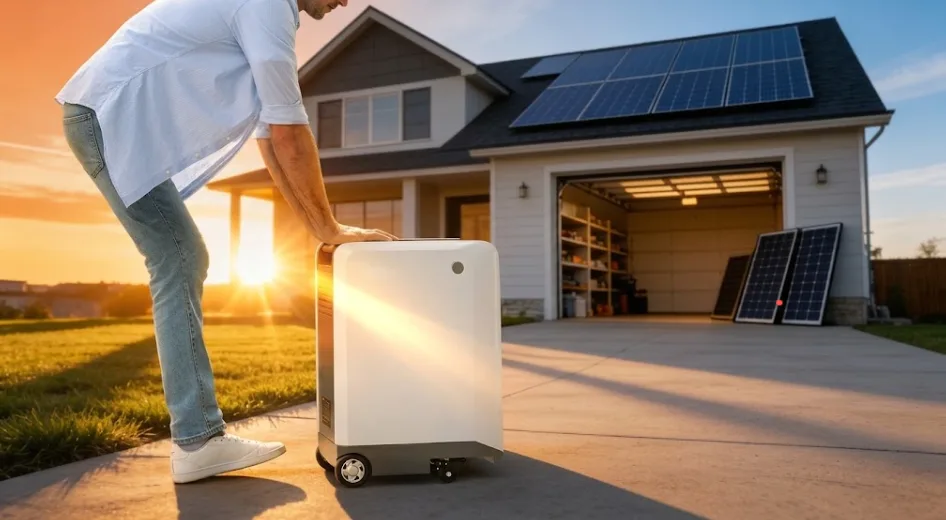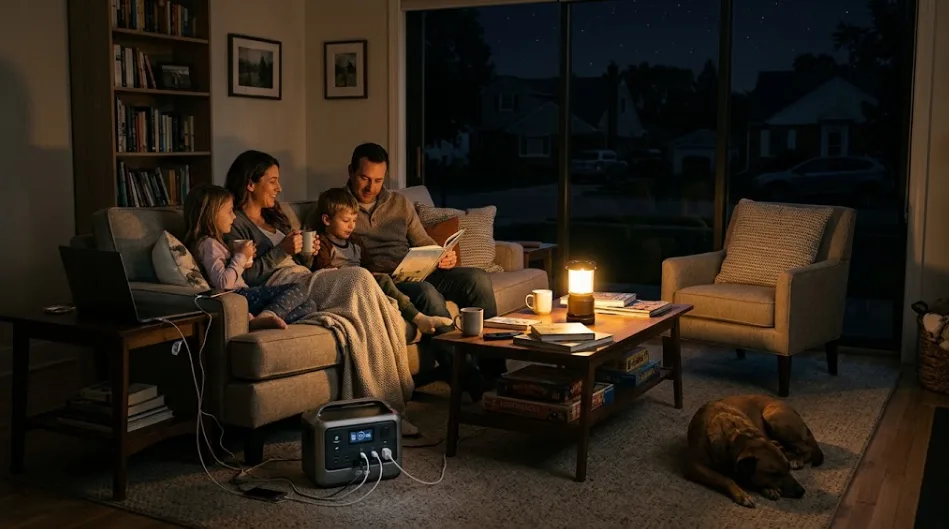

To be honest, many people, after being diagnosed with sleep apnea and the moment they put on a CPAP machine to sleep, will have the same anxiety: What if there is a power outage? What if there is no socket? What if the machine breaks? What if I go on a long trip? Am I stuck at home and can never go on self-driving trips and camping anymore? My answer is: No, the CPAP machine is not here to limit our freedom; it is just a tool to help us get a good night’s sleep. Just as people who wear glasses do not stop going out because of their glasses, it is the same for wearing a CPAP machine.
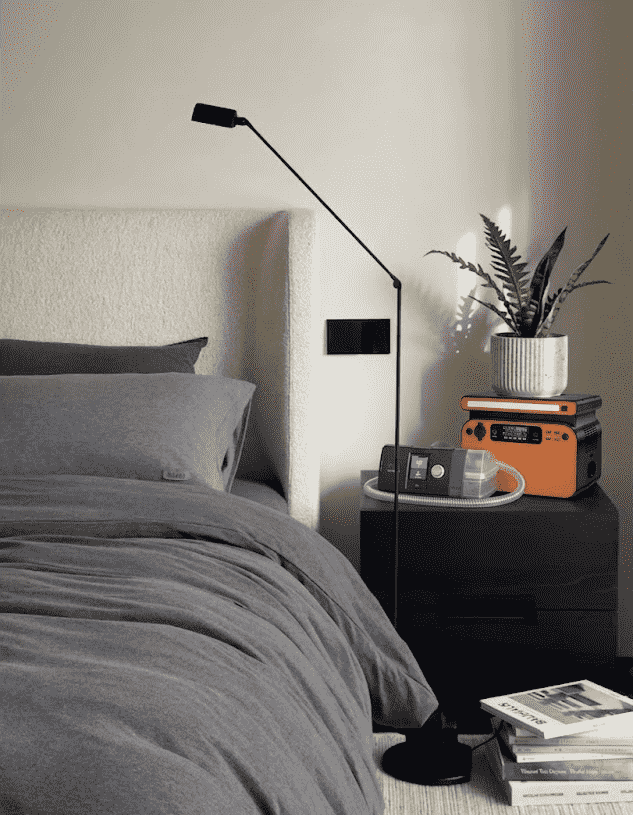
Is your CPAP still slowing you down in 2026?
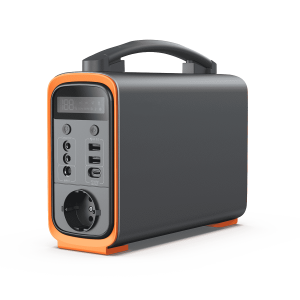
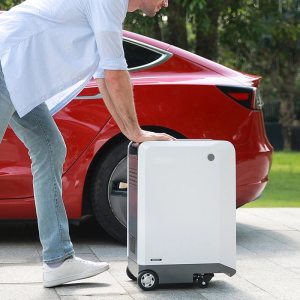
For many new users, the most daunting hurdle isn’t the CPAP machine itself—it’s the suffocating feeling of being confined to the bedroom. However, by 2026, this anxiety has firmly become a relic of the past. Today’s portable power stations are no longer the clunky, oversized novelties of yesteryear; they have evolved into sleek, sophisticated companions that slip effortlessly into a backpack and feel right at home in any tent.
This shift means that sleep apnea no longer has to be a reason to decline a spontaneous road trip or feel vulnerable during a midnight blackout. The energy storage breakthroughs of 2026 have finally granted us “respiratory autonomy,” allowing the CPAP to return to its true calling: a tool for restorative sleep and renewed vitality, rather than a shackle that anchors you to a wall outlet. As long as you choose the best portable battery for cpap machine tailored to your needs, the world is wide open—and you’re free to explore every inch of it.
Why does the power of a portable battery drop so fast when directly plugged into a CPAP machine?
Many friends with sleep apnea report that after plugging in a portable power station, the power is always insufficient. They feel that they clearly bought a quite large power supply, but as a result, it runs out of power after just one night of sleep. At this time, they will want to search for cpap battery backup reviews to see if they have bought a fake product.
Actually, this is highly likely because the wrong connection method was chosen.
Most people are used to plugging that bulky power adapter of the CPAP machine directly into the Alternating Current (AC) outlet of the energy storage power supply. From the perspective of energy conversion, a lot is actually wasted. Based on our daily life experience, do you feel that the large power cord head is always a bit hot when the CPAP machine is running? The reason is that the electricity comes out of the battery, is first converted into AC, and then is converted back into Direct Current (DC) by the CPAP machine’s power adapter. Through this back-and-forth, 20% of the power turns into heat and is wasted for nothing.
Here are some power-saving tips for using portable power stations with CPAP machines: If you want to make cpap battery backup more energy-saving and efficient, we only need to buy a dedicated DC conversion cable. Supplying power to the CPAP machine directly through the DC port saves the loss in conversion; with the same battery capacity, it might be possible to sleep 1 to 2 more nights. Therefore, when we are looking for the best portable battery for cpap machine, please also be sure to check whether this portable battery supports efficient DC output.
Practical Battery-Saving Tips from Experienced Campers
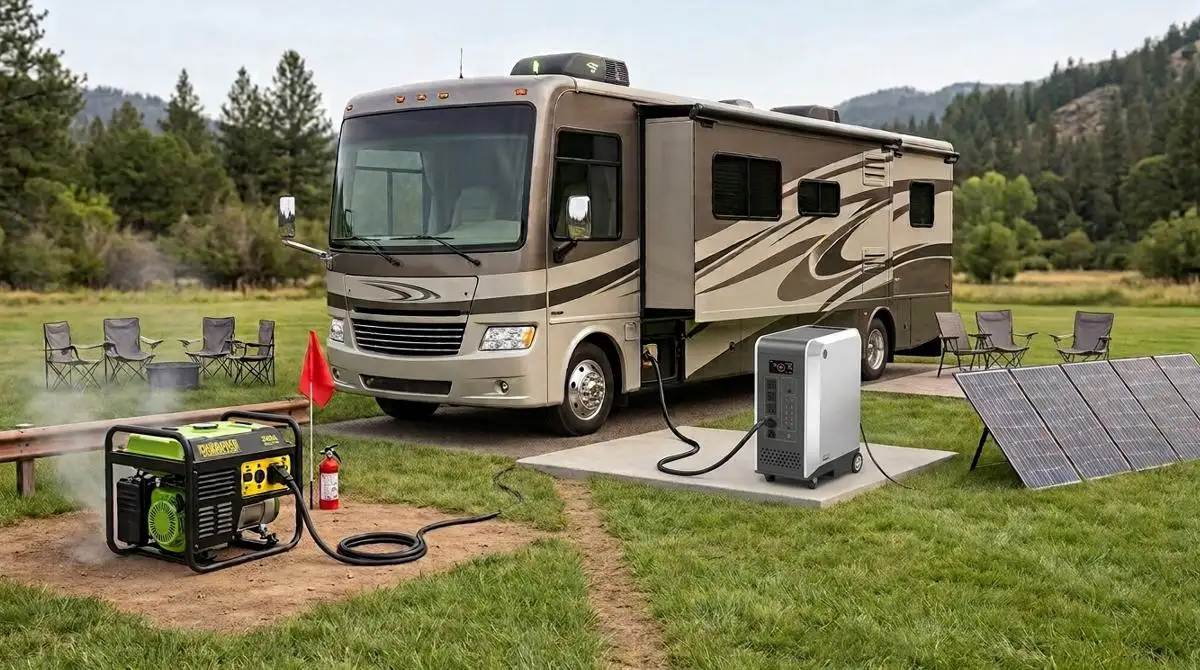
When heading into the wild with a CPAP portable battery for camping, managing your power budget is critical. Most users don’t realize that the real power hog isn’t the air pump—it’s the humidifier and the heated tubing. If you crank the heat settings to the max, even the best portable battery for CPAP machine will struggle to survive past the second night.
Experienced trekkers offer this golden rule for off-grid living:
To stretch your battery life, turn off the heated humidification. You can still keep water in the chamber for a bit of passive moisture, but disable the heating element. Field tests show that by going “cold” on the humidifier, the runtime of your CPAP portable battery for camping can triple—or even more. With this simple adjustment, a mid-sized 500Wh power station is plenty to get you through a long weekend. Of course, if you don’t mind hauling a massive, heavy-duty battery up the mountain, you can afford to be much more “extravagant” with your settings.
Are there battery back ups for CPAP?
The answer is yes, but finding the most suitable CPAP backup power requires us to do our homework carefully. Usually, when we flip through cpap battery backup reviews online, we look at the positive rating, but in fact, we should look more at the key elements hidden behind the scenes. You can’t just pick up any random outdoor power station to supply power to medical-grade equipment. When many ordinary power supplies power a CPAP machine, unstable current often leads to the machine heating up, generating noise, and even shortening the lifespan of the precision motor.
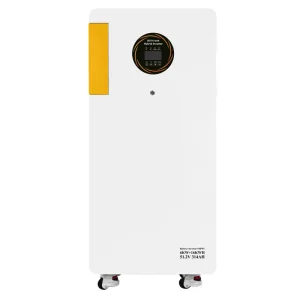
First, we must look at safety. The CPAP machine and the power supply are usually placed right at our bedside, so safety is more important than anything else. Many Reddit forum discussants strongly suggest that everyone must choose a portable power station using LiFePO4 (Lithium Iron Phosphate) cells. This is because this type of battery is extremely stable even under extreme conditions; it will not catch fire and has a lifespan of up to ten years.
Secondly, consider noise and heat. As a portable power station manufacturer we know deeply that when a good power supply is powering a CPAP, the internal temperature should always stay around 30°C. This means its fan does not need to spin crazily, and thus will not generate noise to disturb sleep. If we see someone complaining in the reviews that the “fan sounds like a helicopter,” then it is definitely not the best portable battery for cpap machine.
Finally, what you need to look for is “Pure Sine Wave.” Because ordinary modified sine wave inverters might interfere with the CPAP’s precision motors (such as turbine motors) and electronic components, leading to equipment heating, increased noise, and even shortened lifespan.
Therefore, we should note:
If using outdoors or in a vehicle: It is recommended to choose an outdoor power station or vehicle inverter clearly labeled as “Pure Sine Wave.”
If for home backup: Plugging the original adapter directly into the wall outlet provides a pure sine wave; if installing a voltage regulator in areas with unstable voltage, it is recommended to choose an Online Interactive or Double-Conversion UPS.
The True Meaning of Freedom Is Being Able to Breathe Easy
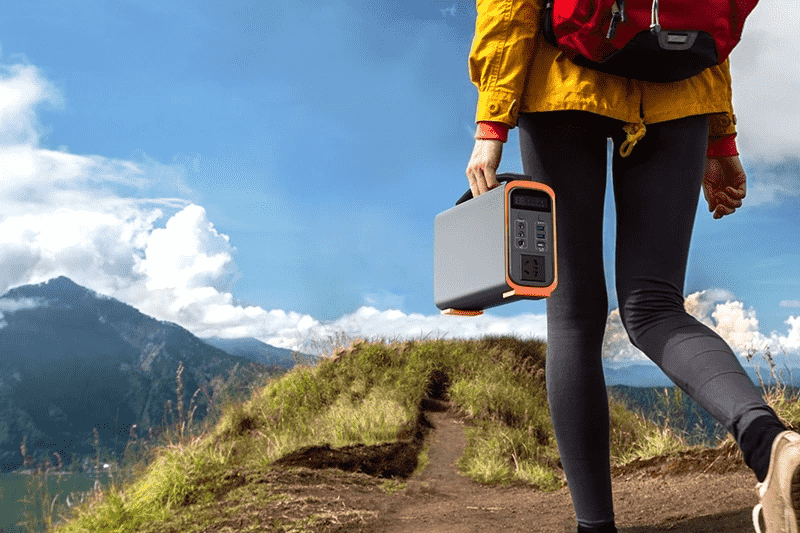
Being diagnosed with sleep apnea doesn’t mean your freedom is under lock and key; in fact, it could be the start of a much healthier lifestyle. Don’t let dazzling technical specs cloud your judgment—always return to your real-world needs: Is this “little companion” safe enough? Can it seamlessly take over the power supply during a blackout? Is it light enough to haul into the woods for a weekend of camping?
Once you find that perfect partner—one that allows you to “forget it’s even there”—you’ll realize that breathing under the starlight can be effortless and calm. If you’re currently searching for the best portable battery for CPAP machine to accompany you over mountains and through valleys, remember to look beyond the surface; pay close attention to its hardware overhead and thermal performance.
Whether you’re deep in the wilderness or tucked into your own bed, I wish you all a night of restorative, undisturbed, and peaceful sleep.
FAQ
1. How long will a battery backup run a CPAP?
A CPAP machine’s runtime isn’t a fixed number; it’s a dynamic variable dictated by your battery capacity (Wh), pressure settings, and overall power efficiency. Under typical conditions, a mid-sized 300Wh to 500Wh portable power station can reliably power your device for three to five nights (at 8 hours per night)—provided you turn off the “power-hungry” heated humidifier and tubing.
However, once you activate the humidification features, power consumption can skyrocket from a modest 10W–15W to a staggering 60W–100W, potentially draining that same battery in just one night. To maximize your off-grid endurance, we strongly recommend using a DC power adapter. Drawing power directly from the battery is roughly 15% to 20% more efficient than converting it through an AC inverter, buying you those crucial extra hours of sleep during a blackout.
2. What is the 70 rule for CPAP?
The so-called “70% Rule” isn’t just a suggestion; it’s a strict compliance benchmark used by medical insurers (like Medicare) to measure treatment adherence. Formally known as the “4-hour/70% Compliance Rule,” it mandates that patients must use their CPAP machine for at least four hours per night on 70% of the days within a consecutive 30-day window (roughly 21 days total).
Failing to hit this mark can trigger a “non-compliance” status, leading insurers to deny coverage for expensive equipment rentals or even demand the machine be returned. This is precisely why a backup power source is a “must-have” rather than a luxury. Even during an unexpected blackout, a reliable battery ensures you can log those critical four hours, keeping your therapy—and your insurance reimbursement eligibility—on track.
3. Why do users on Reddit recommend LiFePO4 for CPAP?
Within technical communities like r/CPAP, LiFePO4 (Lithium Iron Phosphate) is widely hailed as the “ultimate power solution” for CPAP therapy, thanks to its overwhelming superiority in safety, longevity, and voltage stability. While standard lithium batteries typically offer around 500 cycles, LiFePO4 boasts a deep cycle life exceeding 3,000 cycles—meaning it can reliably serve you for over a decade, even with heavy daily use.
More importantly, its chemical structure is exceptionally stable. It remains cool and won’t catch fire or explode even under extreme conditions, a critical safety factor for any device running right next to your pillow all night. Furthermore, LiFePO4 features an incredibly flat discharge curve. Unlike traditional batteries that suffer from voltage drops as they drain, LiFePO4 maintains a near-constant output until it’s almost empty. This ensures your CPAP delivers precise, consistent therapeutic pressure—even when the battery hits 10% capacity—preventing the frustrating restarts or error codes caused by voltage sag.