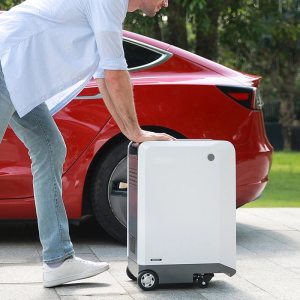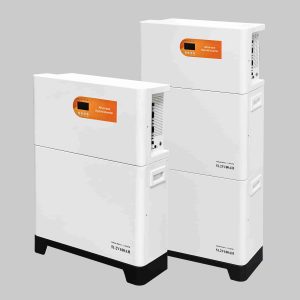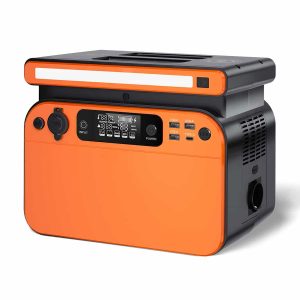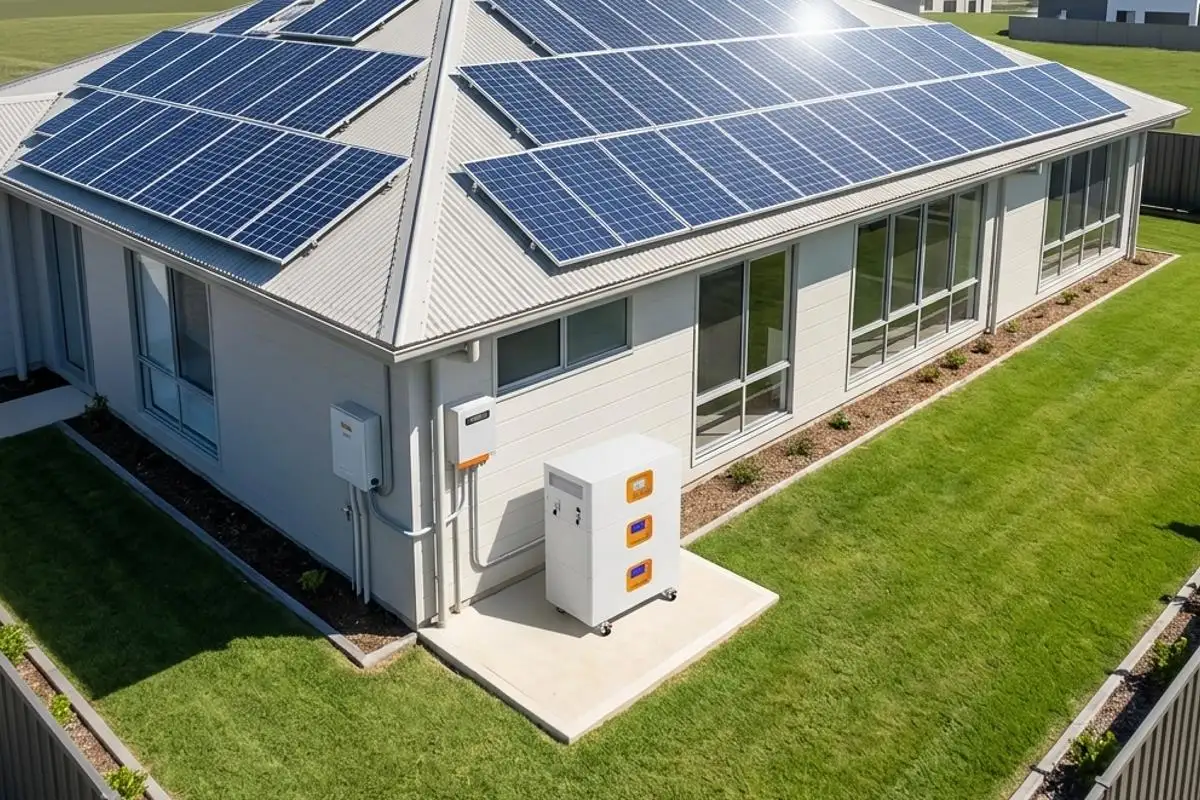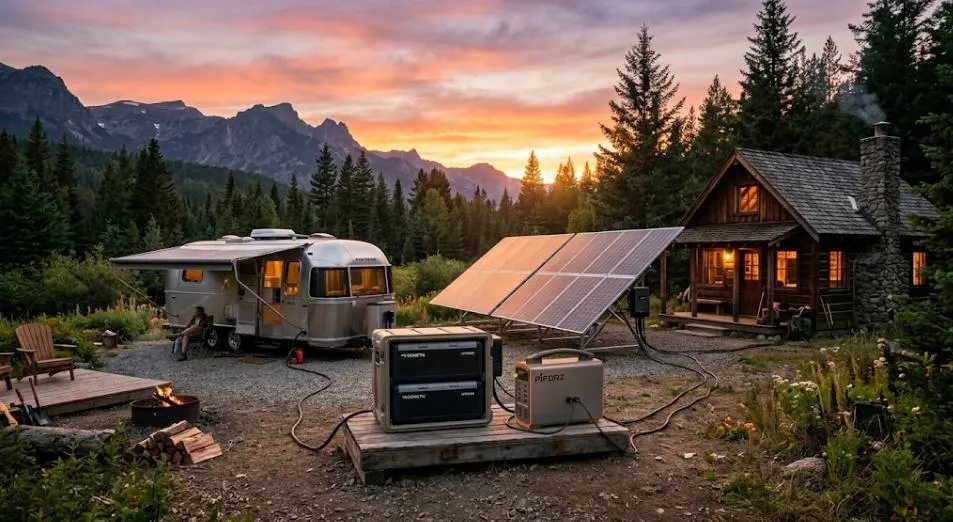
Camping has become a common leisure activity in everyday life. It not only allows us to enjoy quality time with family, but also brings us closer to nature and its beautiful scenery. One of the most common concerns during camping is “running out of power,” so I believe bringing a portable power station is an excellent solution.
Why Portable Power Stations Are Good for Camping
The advantages of a portable power station can be summarized as follows:
First, its built-in inverter converts the battery’s DC power into a pure sine wave AC output that other devices can use, ensuring a stable and reliable power supply.
Second, a portable power station typically includes multiple ports of various types, allowing us to power several devices at the same time.
Third, compared with traditional generators, it is more eco-friendly, quieter, and more lightweight. It won’t disturb our rest, nor will it produce harmful emissions that could damage the environment.
When Are Portable Power Stations Most Useful During Camping?
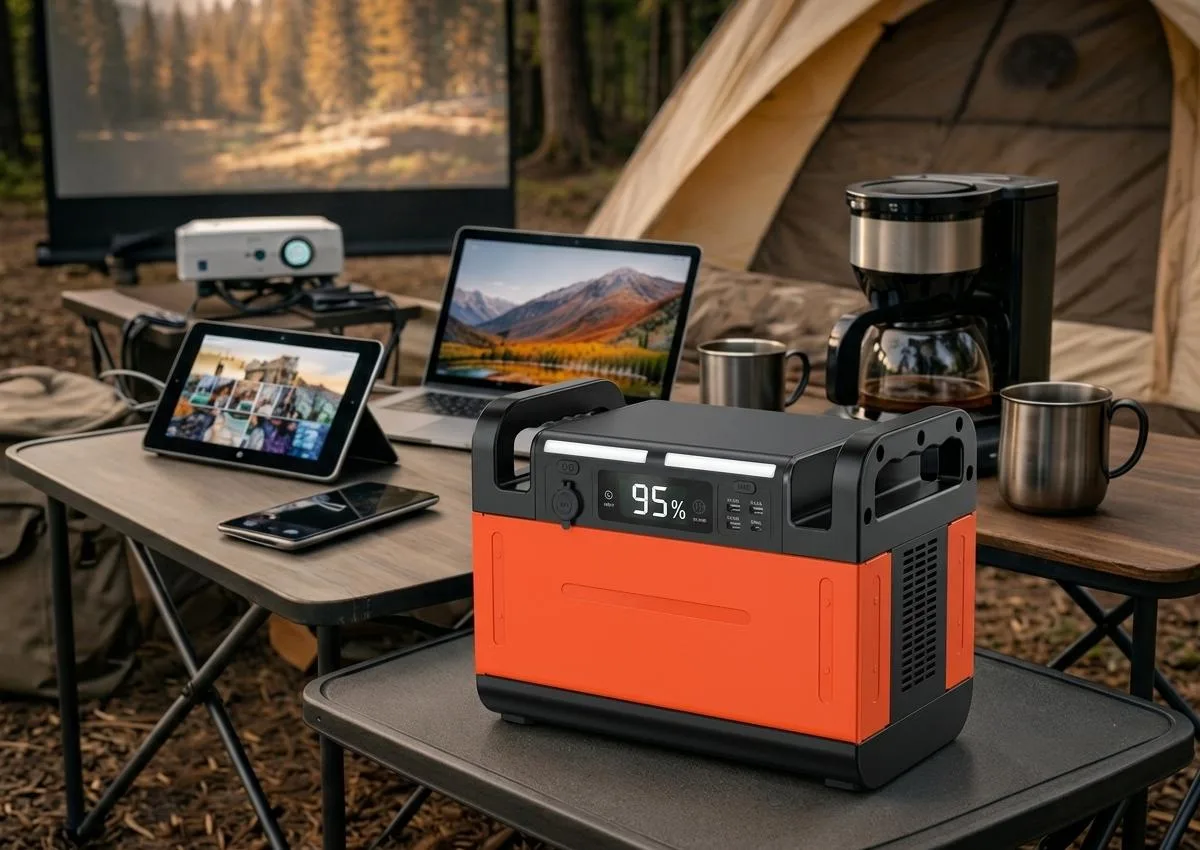
When we go camping, we usually stay for a few days, and that’s when a portable power station becomes especially important. It can power small digital devices and household appliances such as phones, tablets, laptops, camera batteries, projectors, coffee makers, and even toasters.
When we’re camping and craving a hand-brewed coffee, having a portable power station means we can enjoy a wonderful moment — sipping coffee while taking in the scenery.
And for example, even though I’m out camping, my company might still have online events or last-minute meetings. Bringing a portable power station ensures I always have enough power.But of course, no device is perfect. Just like anything else, a portable power station has its own limitations.
Limitations: When a Portable Power Station Might Not Be Enough
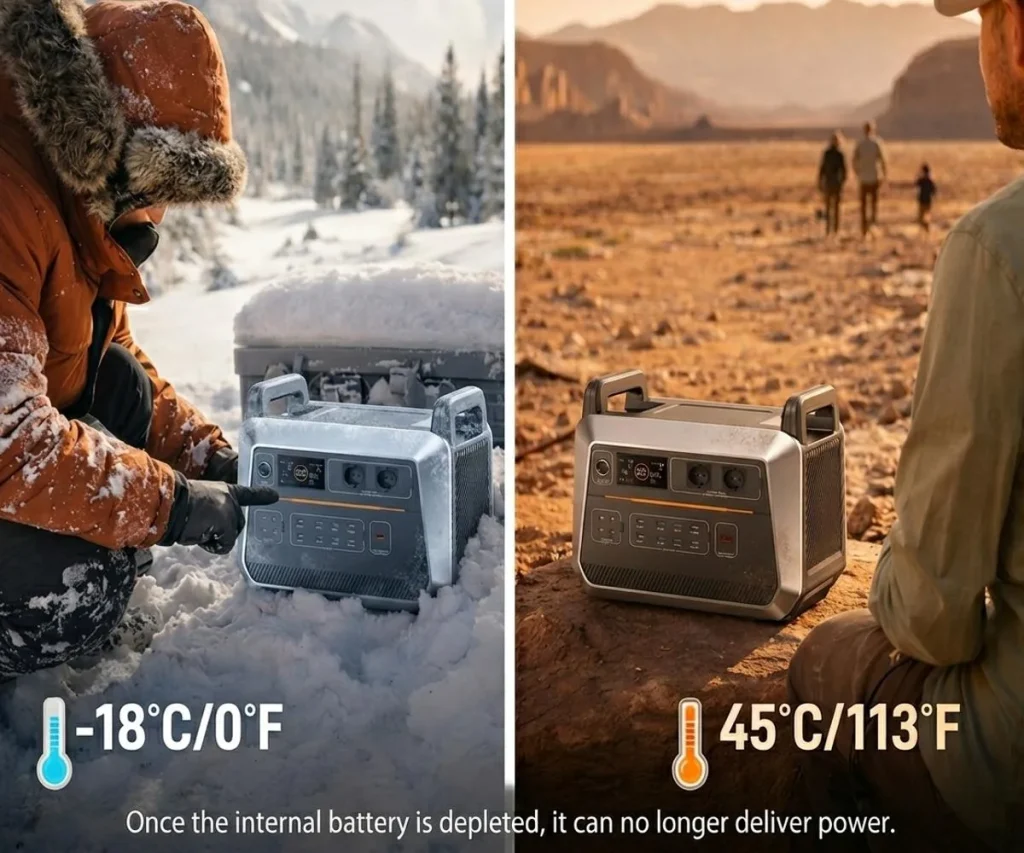
A portable power station does not supply unlimited power — once the energy stored inside is used up, it can no longer provide electricity.
In addition, portable power stations usually have a maximum output limit. Any device that exceeds this limit simply won’t start. For example, if a portable power station has a rated output of 500W (its maximum continuous output), it won’t be able to power a 1500W induction cooker.And in extremely cold or extremely hot environments, the battery performance of a portable power station will be affected, which can shorten its runtime. So it’s not recommended to use one in places like the Arctic or the desert.
How to Choose the Right Portable Power Station for Camping
Determine the Power You Need
At this point, we need to understand some basic specifications of a portable power station — how to calculate its runtime, and the difference between peak power and rated power. This helps us determine what capacity we should bring for camping and which devices it can support.
To calculate its runtime, we use this formula:
Runtime = Battery Capacity (Wh) ÷ Power Consumption (W)
Battery Capacity (Wh): This is the amount of energy stored in the battery, usually measured in watt-hours (Wh). It represents the total amount of energy the battery can hold, and this value is always listed in the product manual.
Power Consumption (W): This is the amount of power your device needs when running on the portable power station, measured in watts (W). You can also find this number in your device’s manual.
For example, if I have a portable power station with a 1000Wh battery and my device uses 100W, then the runtime would be:
1000Wh ÷ 100W = 10 hours.
So under ideal conditions, my portable power station can continuously power my device for ten hours. However, this is only a theoretical estimate — in real-world use, the actual runtime may be slightly shorter.
Rated power refers to the amount of power the portable power station can deliver continuously — this is the maximum continuous output mentioned earlier.
Peak power, on the other hand, is the temporary boost designed to handle the surge of electricity when a device first starts up.So before using any device, please make sure to check whether its power requirements are compatible with your portable power station.

Match the Power Station to Your Camping Style
The table below can be used as a reference, but your actual situation will still require your own judgment.
| Capacity Range | Suitable For | Typical Supported Devices | Not Suitable For |
|---|---|---|---|
| < 300Wh | Light camping / short trips / emergency use | • Smartphones (15–20x) • Tablets (3–6x) • Cameras/GoPros (10–15x) • LED camping lights (10–20 hrs) • Mini fan (4–8 hrs) • Pocket WiFi router (6–10 hrs) | • Mini fridge • Electric cooker • Coffee maker • Projector (partial) |
| 300–500Wh | 1-day or weekend camping | • Phones (20+) • Tablets (6–10x) • Drones (5–8x) • Laptops (3–6x) • Camping lights (20–40 hrs) • CPAP (6–12 hrs) • Mini projector (3–5 hrs) • Car fridge (6–12 hrs) | • High-power kettles • Microwave • Air fryer |
| 500–1,000Wh | Family camping / van trips / outdoor work | • Laptops (8–15x) • Drones (8–12x) • Car fridge (12–25 hrs) • Fan (8–15 hrs) • Projector + speaker (4–8 hrs) • CPAP (12–20 hrs) • 300–500W rice cooker (1–2 uses) • TV (10–15 hrs) | • Devices >1,000W like hair dryer, induction cooker |
| 1,000–2,000Wh | RV travel / heavy-duty camping / home backup | • Car fridge (24–50 hrs) • Rice cooker (300–600W, 1–3 uses) • Coffee maker (1–2 uses) • Electric grill (30–60 mins) • Desktop PC (6–12 hrs) • CPAP (24+ hrs) • Power tools (1–3 hrs) | • Some 1,200W–1,800W appliances depending on rated output |
Real-World Camping Experience with Portable Power Stations
At the end of summer, our family went on a two-day, one-night camping trip. It was my husband, my child, and me. Even though my husband was on vacation, he still had to join a few online meetings because his company’s project was urgent. So we decided to bring a portable power station. That was my first time using one. My husband suggested that I bring a small fan, a projector, and a coffee maker. Since we planned to use quite a few devices, we brought a portable power station with around 1200Wh of capacity.
The trip turned out to be amazing, and it truly made me realize how right it was to bring a portable power station. My husband handled his work on time, and my child and I had a great time. In the afternoon, we enjoyed coffee while taking in the scenery. At night, we watched a movie. The whole experience was absolutely wonderful — it really made everything perfect.
Conclusion: Are Portable Power Stations Worth It for Camping?
Overall, portable power stations are perfect for camping. They not only provide electricity but also offer advantages like portability, safety, and environmental friendliness. They can add more convenience and enjoyment to your camping experience. By choosing a portable power station with the power capacity that suits your needs, you can greatly enhance your camping adventures.
FAQ
1. What is the best portable power station for camping?
The best choice is the product that fits your needs. You can select the type of portable power station based on the power requirements of the devices you plan to use and the duration of use. For a two-day, one-night trip where you only need to support some digital devices and low-power appliances, a 300–500Wh unit will be sufficient.
2. How to charge a power station
In general, portable power stations can be charged in several ways, such as using an AC wall outlet, a car charger, or solar panels. The supported charging methods may vary slightly between models, so please refer to the product manual for specific details.