According to news data, extreme weather events like tornadoes and blizzards caused at least 27 major power outages across US cities in 2024-2025:
May 2025: Storms swept from the Midwest to the East Coast, resulting in 27 deaths and 400,000 power outages.
April 2025: Tornadoes caused 16 deaths and left 250,000 homes without power.
February 2025: A winter storm knocked out power for 530,000 households across 11 states.
December 2025: High winds in the Northwest caused 500,000 outages; falling trees resulted in fatalities.
It’s clear that having an energy storage product capable of running your essential appliances—or your whole house—provides real peace of mind during a blackout.
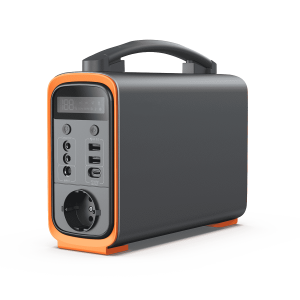
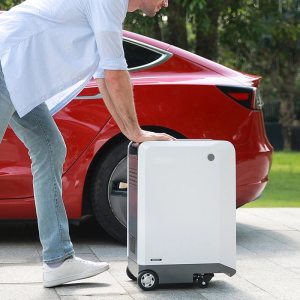
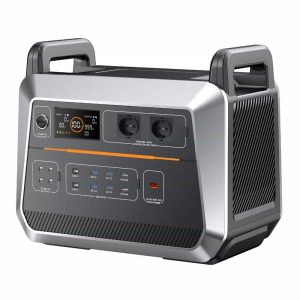
Power Outage Backup Solution 1: Portable Power Station
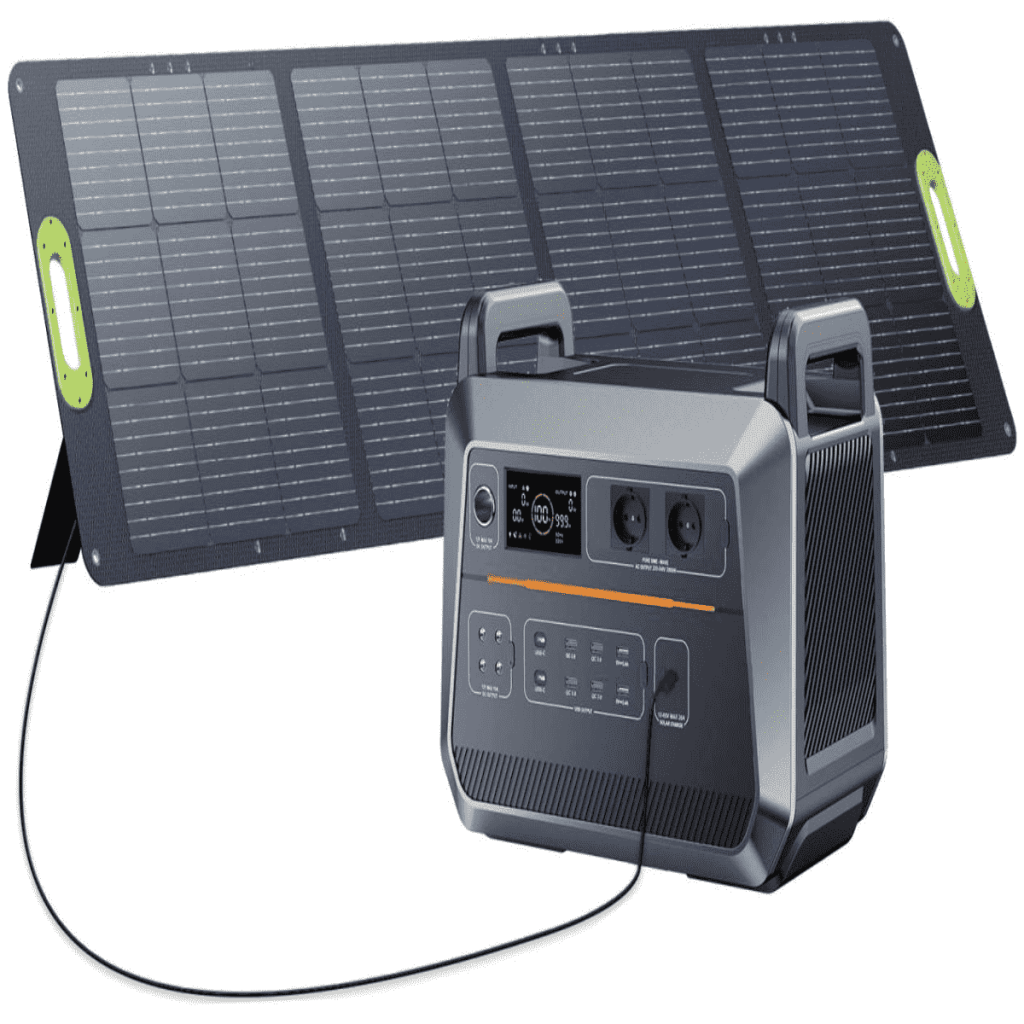
If you live in an apartment or rental unit where you can’t modify the electrical system, or if you just need a plug-and-play, movable solution to cover basic household power, a high-capacity portable power station is your best bet.
Use Case: Handling unexpected outages lasting 1-2 days. Powering refrigerators, routers, computers, lights, and medical devices (like CPAP machines).
Advantages: No electrical work required, relatively low cost, can be paired with folding solar panels to create a small independent off-grid system.
Buying Advice: Look for products with Lithium Iron Phosphate (LiFePO4) cells. They offer a longer cycle life (typically 3,000+ cycles) and are safer. Mainstream emergency capacities usually range from 1,000Wh to 3,600Wh. Many modern units also support modular expansion (adding extra battery packs).
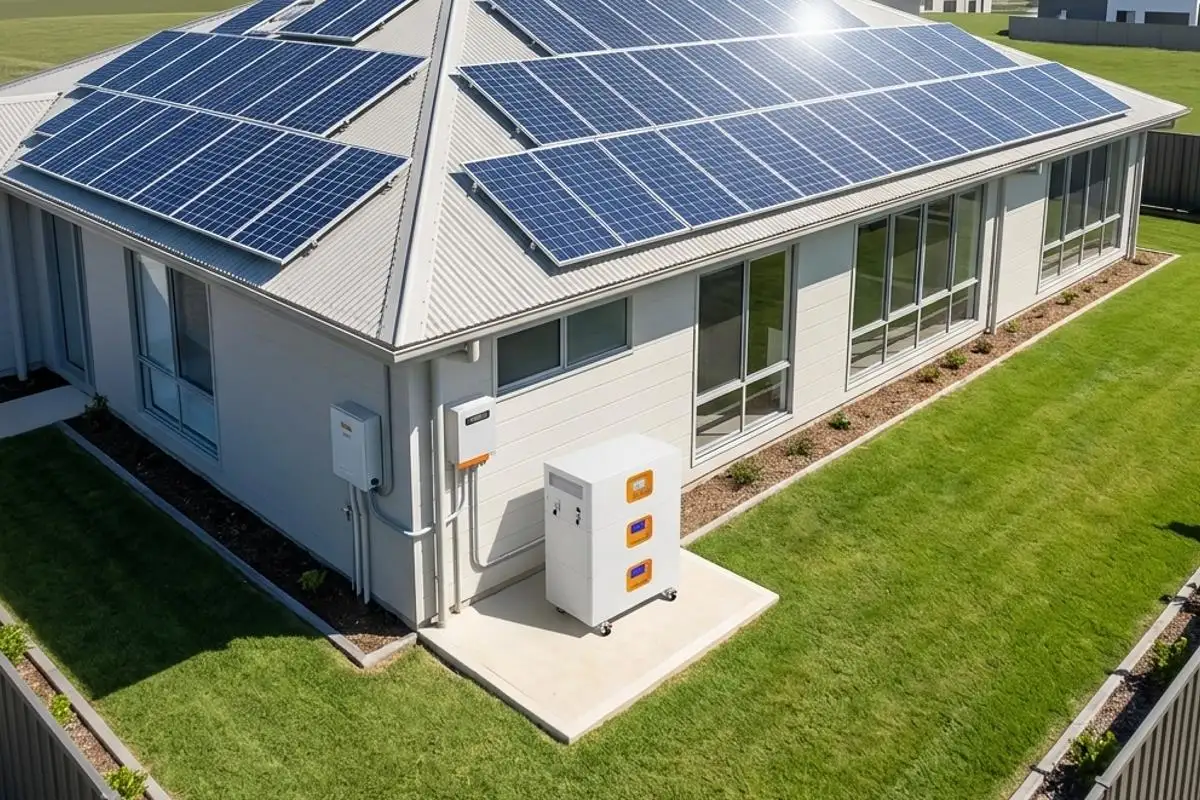
Power Outage Backup Solution 2: Whole-Home Solar Energy Storage System
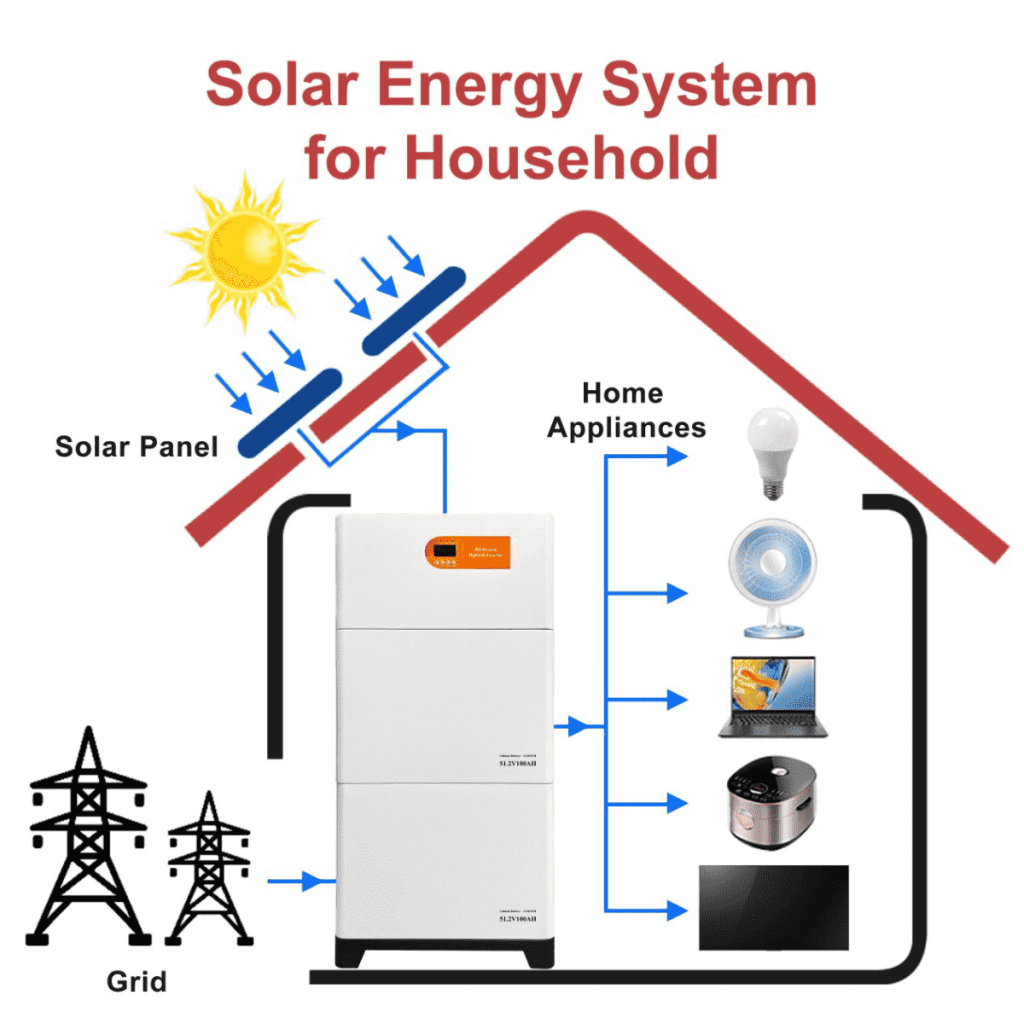
If you live in an area prone to tornadoes, blizzards, or frequent power interruptions, a whole-home solar energy storage system ensures that even a week-long blackout won’t disrupt your daily life.
Advantages: Combines generation + storage. Automatic switchover during an outage (usually within 20 milliseconds, so appliances don’t even reset). During normal operation, it can perform peak shaving and load shifting to save on electricity bills.
Use Case: Areas with frequent or prolonged outages, or homes already equipped with rooftop solar panels. These systems can handle high-power inductive loads like air conditioners, electric water heaters, and well pumps.
Buying Advice: Requires professional evaluation of your electrical panel and installation by a licensed electrician. The upfront investment is significant (typically ranging from several thousand to tens of thousands of dollars). You’ll also need to consider local utility compliance and permitting.
Critical Specs to Focus On (Regardless of Choice)
Battery Chemistry: Insist on LiFePO₄ (Lithium Iron Phosphate) . It has an exceptional lifespan (6,000+ cycles), is safer, tolerates heat well, and is the absolute gold standard for residential energy storage right now.
Capacity (Wh) vs. Inverter Output (W): The basic math: Add up the wattage of the appliances you must run, then multiply that by the number of hours you expect to need them.
What to stock up on if the power goes out?
Survival Supplies
Remember, power outages often mean water outages too.
- Water: Store at least 1 gallon per person per day. Aim for a 3-day supply minimum. If you have pets, calculate their needs separately.
- Food: At least a 3 to 7-day supply. Prioritize non-perishable, ready-to-eat items: Canned goods, protein bars, crackers, nuts, and dry cereal are top choices.
- Tools: A manual can opener, disposable utensils, and paper towels.
Backup Power & Lighting
While a large portable power station handles emergencies, it’s smart to have a backup plan for your backup plan.
- Flashlights & Headlamps: Stock up. Don’t rely solely on your phone’s light.
- Spare Batteries: Keep plenty of batteries for flashlights, radios, and other small electronics.
- Communication: A hand-crank emergency radio (with USB charging port) capable of receiving NOAA Weather Radio alerts. When cell towers go down or data is out, this is your only link to critical updates and evacuation information.
Medical & Personal Hygiene
Accessing medical help gets tougher during a blackout, so staying healthy is key.
- First Aid Kit: Include bandages, rubbing alcohol, gauze, a thermometer, and common OTC meds (pain relievers, fever reducers, antacids).
- Prescriptions: Ensure you have at least a 30-day supply of essential medications on hand.
- Sanitation: Feminine hygiene products, wet wipes, hand sanitizer, garbage bags, and zip ties (if toilets won’t flush, secure a garbage bag inside the bowl).
Weather Preparedness & Misc.
Winter: Sleeping bags (rated for sub-freezing temps), hand warmers, heavy wool blankets. If you rely on electric heat, have a propane or kerosene heater as a backup (ensure proper ventilation and use a carbon monoxide detector).
Summer: USB-powered fans (run off a power bank), cooling towels, spray bottles.
Cash: ATMs and credit card machines go offline during blackouts. Keep a stash of small bills ($1s, $5s, $10s).
How Long Will My Backup Battery Last?
A lot of folks ask, “If the power goes out, how long will my battery last?”
Here’s the deal: It depends entirely on your battery’s total capacity and the power draw of what you’re running.
If you’re just powering a fridge, a few LED lights, and charging phones, your hourly consumption might be around 500W. With that load, a 15kWh backup battery could last you 30-50 hours (roughly 1-2 days).
The Formula: Runtime (hours) = Battery Capacity (Wh) ÷ Device Power Draw (W)
For example, with a model like the PF1500, running only low-wattage devices can get you through 1-2 days. It can handle medium-load items like a rice cooker or microwave, but you should turn off other loads while using those. The PF2000 is designed for 1-2 day outages and can run most major appliances (including a small window AC unit), making it a true “home backup in a box.”
What Kind of Generator Does My House Need?
This depends on the quality of life you want to maintain during an outage, your budget, and your tolerance for fuel and maintenance. Let’s break down the options.
Portable Power Station + Solar Panels
If you’re on a budget and just need to keep the fridge running, the router on, and a few lights lit, this is the move. Safe for indoor use, zero fumes, silent. The downside? It won’t run whole-house AC or electric water heaters.
Portable Gas Generator
The most common and cost-effective emergency choice. CRITICAL: MUST be used outdoors only due to carbon monoxide risk. They are loud, usually run on gasoline, require a pull-start, and need regular maintenance and fuel storage.
Inverter Generator
This is the upgraded version of the gas generator. It produces clean, stable sine wave AC power. This makes it safe for sensitive electronics (computers, smart TVs, medical gear) while still powering your fridge. They are also quieter and more fuel-efficient.
Solar + Battery Storage System
Not only does this work during an outage, but it leverages Time-of-Use (TOU) rates—charging when power is cheap and discharging when rates are high—to save you money every day. If your goal is to have life completely unaffected by the grid going down, this is the ultimate solution.
Can I Power My Whole House With a Portable Generator?
You bet. But there’s a distinct difference:
- A Portable Power Station is like a giant power bank for your house. It provides emergency power for phones, fridges, and routers for hours or a day.
- A Whole-Home Backup System is like hiring a personal electric butler. When the grid fails, it takes over automatically and seamlessly. You might not even realize the power went out.
What’s the Cost of a Home Battery Backup System?
Based on 2026 market data, the total installed cost for a whole-home system typically falls within these ranges:
| System Capacity | Installed Price Range | Best Fit For |
| 10-15 kWh (Most Common) | $10,000 – $20,000 | Average US home; supports critical loads + some large appliances |
| 15-20 kWh | $15,000 – $25,000 | Larger families, homes with EVs, longer runtime desired |
| 20+ kWh (Whole-Home Coverage) | $20,000 – $30,000+ | Large houses, smart homes, multiple AC units |
This price includes:
- Battery hardware cost
- Inverter and control systems
- Professional installation and permitting fees
Heads up: The federal Investment Tax Credit (ITC) currently provides a 30% tax credit for qualifying battery storage projects (either paired with solar or standalone, subject to capacity requirements). Consult your tax professional for details.
FAQ
Why fill the bathtub with water when the power goes out?
Filling the tub provides a reservoir of water for flushing toilets, washing hands, and basic cleaning in case the municipal water pressure drops. Important: Use bottled water or stored jugs for drinking—don’t drink from the tub.
Can I still flush the toilet during a power outage?
It depends on your plumbing setup.
- City Water / Gravity Fed: You’ll likely get one or two flushes from the water remaining in the pipes/pressure tank. After that, you’re out of luck unless you have stored water.
- Well Water: No power = no well pump = no water pressure to flush.
- Pro Tip: If you have water stored in the tub, you can perform a “gravity flush.” Just pour a bucket of water directly into the toilet bowl quickly. The force of the water will trigger the flush.