
In 2026, as U.S. electricity consumption hits record highs, an already exhausted power grid is buckling under the weight of total electrification. Aging infrastructure, extreme weather, and peak demand surges mean a single blackout can spoil a fridge full of food, disrupt remote work, or even jeopardize life-sustaining medical equipment.
Many find themselves asking: “If my roof isn’t suitable for solar panels—or if I’m just not ready for that investment—can I still have reliable energy security?”
The answer is a definitive yes. Today, home battery backup without solar is emerging as the go-to battery backup for home power outage for urban professionals.
Below is an in-depth analysis of how you can leverage cutting-edge energy storage technology to secure your “power sovereignty” without a single solar cell.
Why You Need a Home Battery—Even Without Solar
The answer is a definitive yes, and more than that—it is an incredibly savvy financial move.
By integrating a home battery backup system, you gain the ability to charge from the grid at night when electricity rates are at their lowest. During the day, when demand peaks and rates skyrocket, you can switch your home over to battery power. Even during a total blackout, your servers won’t reboot, your fridge stays cold, and your smart home ecosystem remains fully operational.
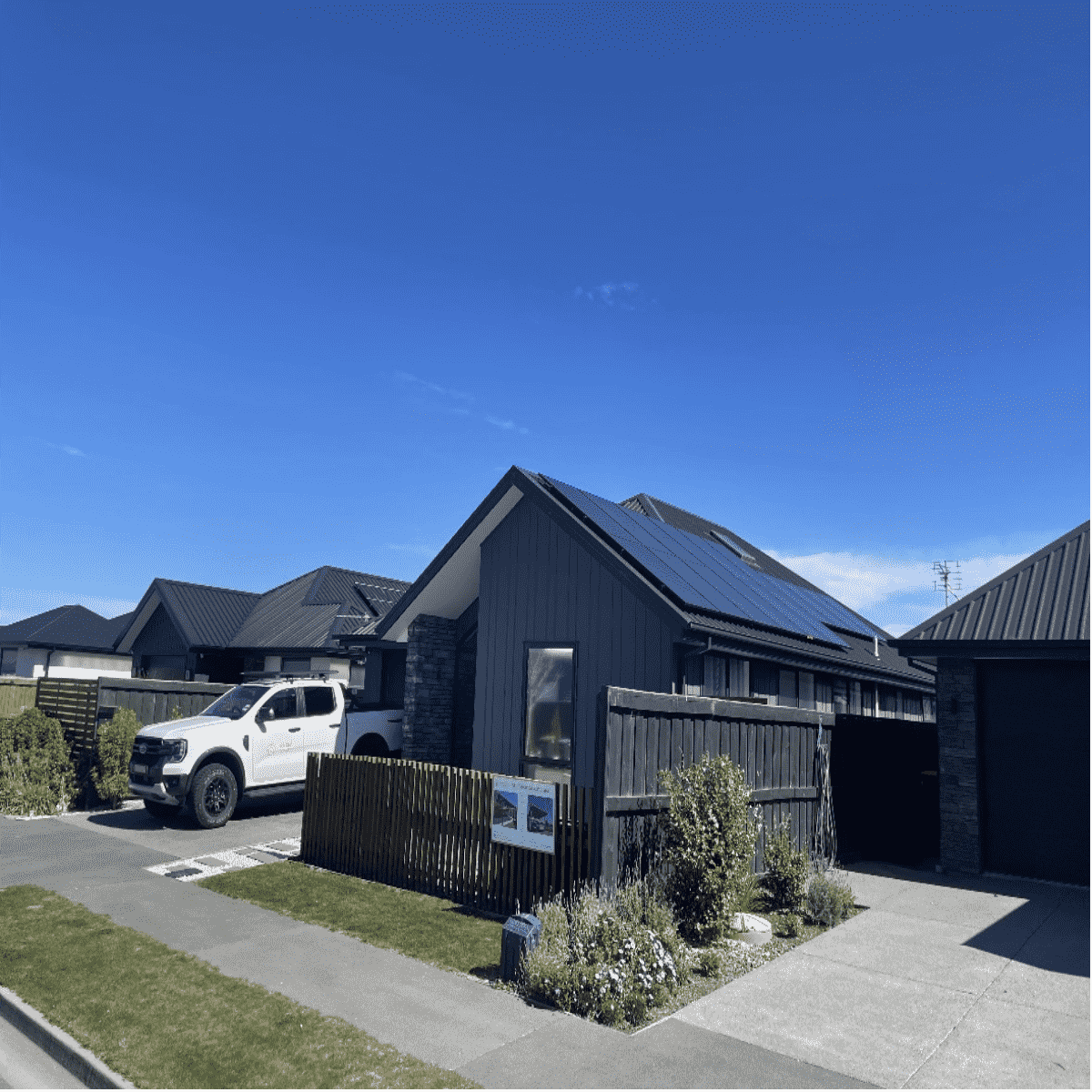
The beauty of this setup lies in its simplicity: there’s no need to alter your roof structure or navigate the maze of complex installation permits required for solar. Furthermore, the system is future-proof; Furthermore, the system is future-proof; you can add solar panels at any time to create the best home battery backup with solar set-up for long-term energy independence.. For those seeking the best battery backup for home power outage scenarios, this is the most flexible and immediate solution available.
Is a home battery without solar worth it?
Absolutely, it’s worth it. Even if you don’t need to generate power and only focus on “storing” it, a home battery is a surefire investment. Many people worry that without solar panels, a battery becomes useless, but this is actually a misconception. In today’s high-intensity power environment, we have a significant need for battery backup for home appliances to achieve “peak shaving and valley filling” and to prepare for extreme weather.
Furthermore, from the perspective of long-term Return on Investment (ROI), here are three advantages you must know:
- Saving on Rooftop Costs: You bypass the installation fees for solar panels and the costs associated with reinforcing the roof.
- 30% Federal Tax Credit: According to the latest 2026 policies, eligible energy storage systems can still qualify for the Federal Residential Clean Energy Tax Credit, even if they are not paired with solar.
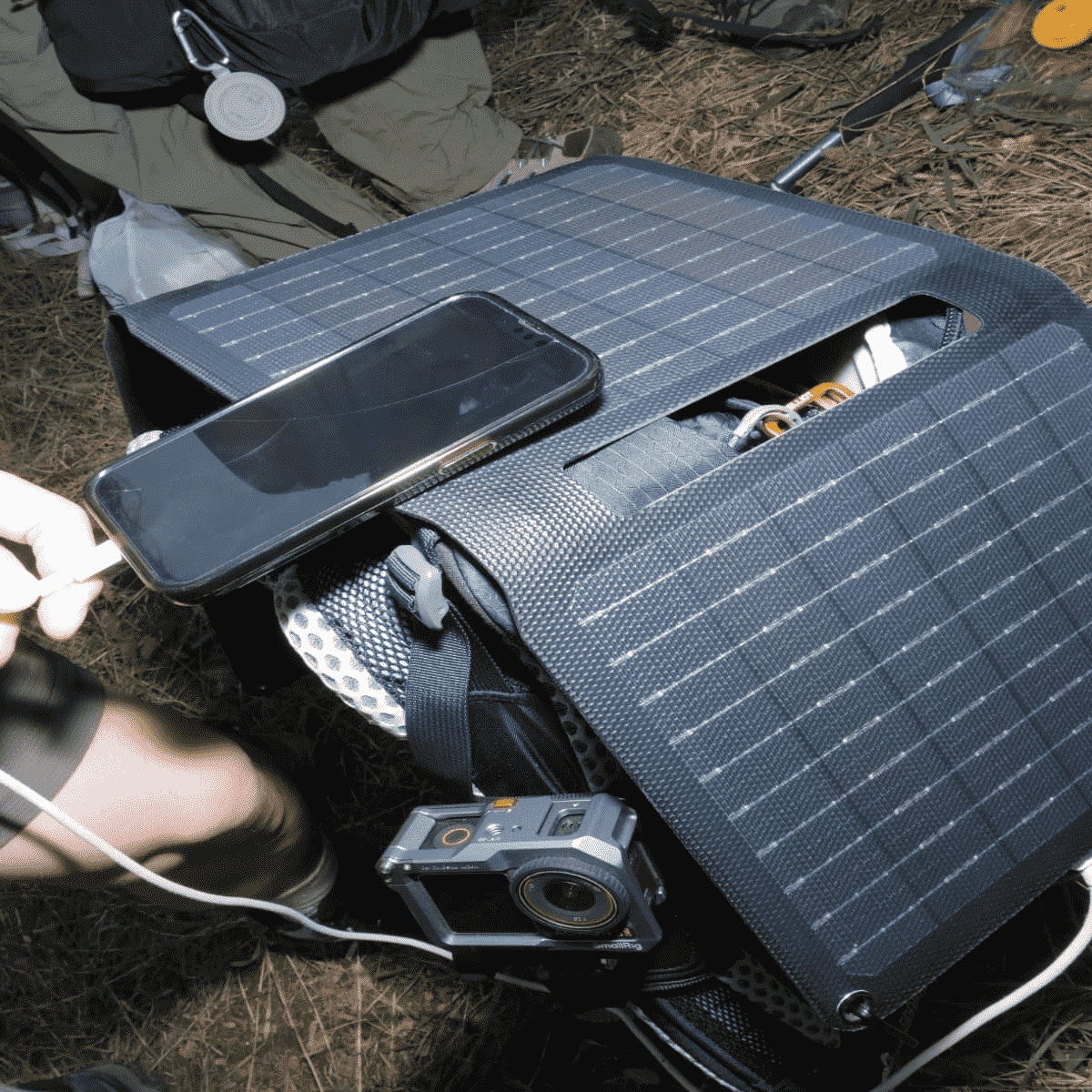
- Optimized Utility: Choosing a high-end modular system might have a slightly higher initial investment than the best portable home battery backup, but it can be integrated directly into your home’s electrical panel. Imagine a blackout where only your house in the entire neighborhood still has the air conditioning running and full Wi-Fi signal—this is an experience that portable power stations simply cannot provide.
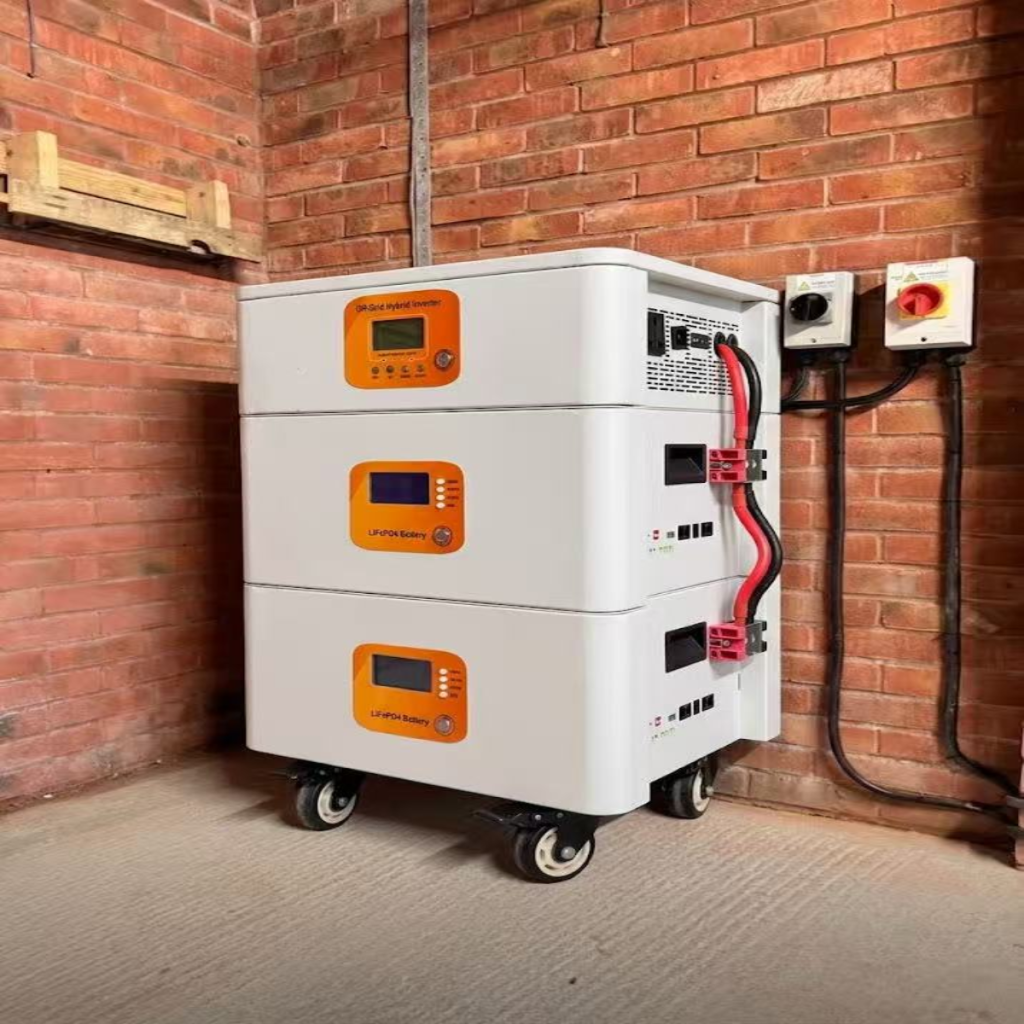
Stacked Home Energy Tech Architecture and System Components
Inverter: Responsible for the bidirectional flow between the grid and the battery.
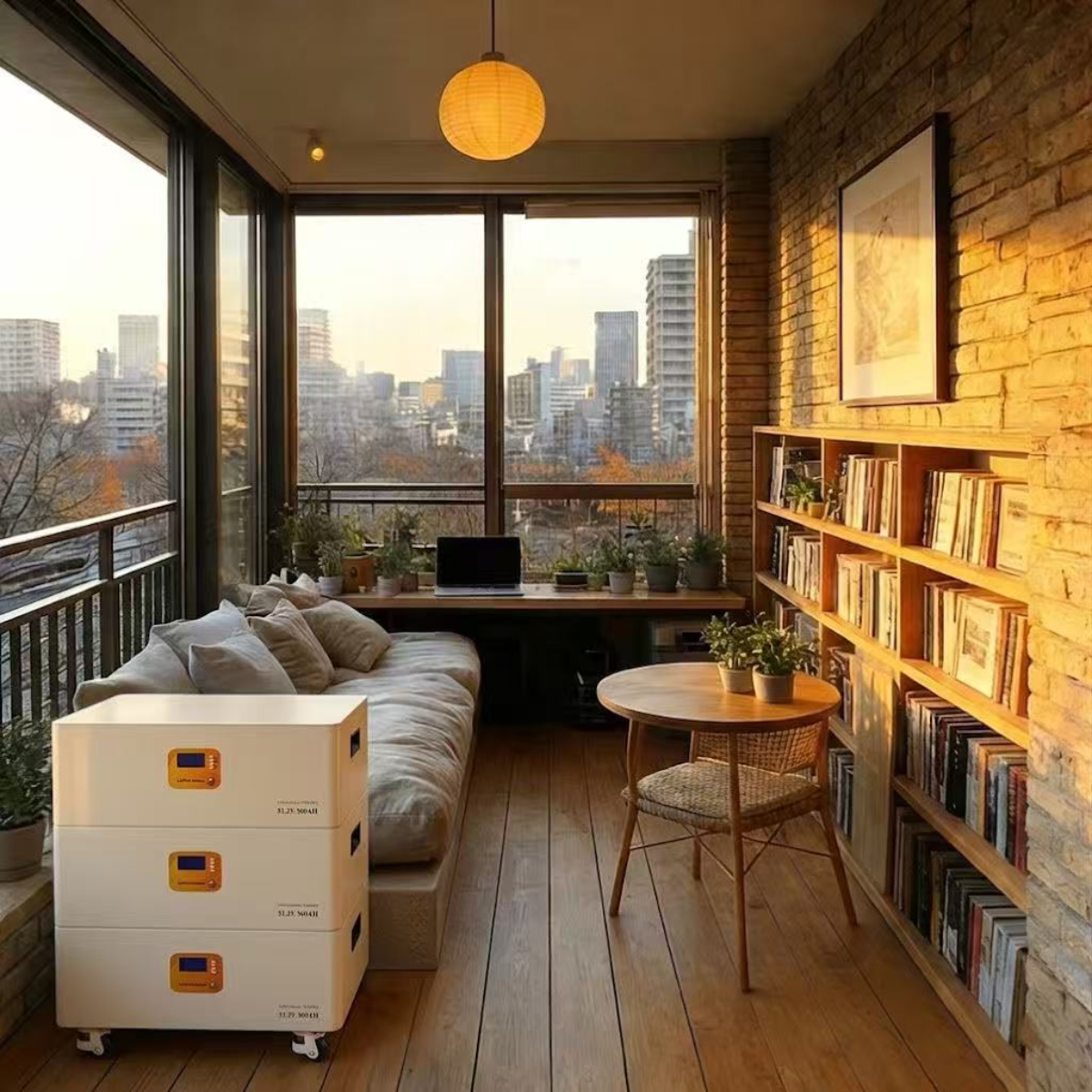
Modular LiFePO4 Battery Pack: This is the core trend in the current best diy solar kits for home market. It stacks upward like building blocks, allowing you to start with 5kWh and expand the capacity at any time as your household electricity demand grows.
BMS Management System: Monitors the voltage and temperature of every single cell in real-time, ensuring absolute safety even when placed in a bedroom or storage room.
The Real Price of Peace of Mind: Home Battery Backup Without Solar Cost
Typically, the price for a complete home battery backup ranges between $5,000 and $15,000. Compared to professionally installed fixed systems (addressing the common question, “Can you buy Powerwall without solar?”—while possible, the installation fees are extremely high), the advantages of a DIY modular system include:
- No Labor Installation Fees: The setup can be completed through simple physical stacking, eliminating the need to hire an electrician for major circuit modifications.
- No Maintenance Costs: No oil changes required, and no need for carbon deposit cleaning.
If we compare this to the best home battery backup wirecutter recommendation lists, you will find that modular LiFePO4 systems have a lifespan of up to 10 years, making them the true best generator for the money.
What Reddit Users Say About Grid-Only Battery Backup
In the Best home battery backup without solar reddit community, the consensus among veteran users is clear: batteries without solar are a worthwhile investment, provided you have realistic expectations.
The Pros: Quiet, instantaneous, zero exhaust fumes, and potential electricity bill savings (under Time-of-Use pricing). The Cons: Capacity is finite and typically only supports 1–2 days of use. If you frequently encounter multi-day blackouts, you must pair the system with a generator or V2L (Vehicle-to-Load) charging.
Common Reddit Advice for First-Time Buyers:
Do not buy a massive battery on your first day. Start with a system that covers your critical loads and expand later as needed. Stackable systems, such as Piforz, are perfectly suited for this approach. You should also research your local utility company’s regulations; some utilities impose restrictions or extra fees for charging batteries from the grid. Confirm that grid-only charging is permitted before purchasing.
Additionally, consider the installation costs. Professional installation ensures compliance with electrical codes and optimal performance. While portable devices are DIY-friendly, whole-home systems require an electrician. When selecting a battery, avoid lead-acid and opt for Lithium Iron Phosphate (LiFePO4); the higher upfront cost will reward you countless times over in terms of lifespan and reliability. If you live in a quiet neighborhood or an area with noise restrictions, a battery is unquestionably superior to a generator.
Conclusion:
For urban households, home battery backup systems—which are noise-free, exhaust-free, and maintenance-free—represent a wiser long-term investment than traditional generators. By selecting LiFePO4 stackable batteries, which offer higher safety and a longer lifespan, you aren’t just gaining “energy insurance” against extreme weather; you are also saving on daily expenses by shifting peak-hour electricity costs to off-peak rates. In an era of rising energy costs and grid instability, choosing the best home battery backup not only enhances your quality of life but also provides a reliable guarantee of energy security for your family.
FAQ:
1. Can you buy Powerwall without solar?
While they can be purchased, their installation costs are typically extremely expensive. In contrast, DIY modular systems can be completed through physical stacking without the need for large-scale circuit modifications, offering higher cost-effectiveness.
2. Who makes the best home backup battery?
Choosing the best home backup battery shouldn’t be about blind loyalty to a single brand, but rather about prioritizing core metrics. The best system must utilize long-life LFP (Lithium Iron Phosphate) cells, feature a modular design that supports on-demand stackable expansion, offer a power switching speed of less than 100 milliseconds, and be installed by a reputable service provider.
3. Can I have a home battery without solar panels
Yes, you can certainly have a home battery without solar panels. In today’s energy market, charging a home battery backup system from the grid during off-peak hours is an incredibly savvy move to save on electricity bills and ensure reliable battery backup for home power outage scenarios.