
With the rise of mobile office, remote communication, and glamping, people’s dependence on electricity is no longer confined to indoor spaces. From backpacking and hiking to home backup power, our demand for reliable, clean, and independent energy has reached an unprecedented level. This has given rise to a new era of portable energy—the portable solar battery.
What is a portable solar battery?
Simply put, a portable solar battery bank is a miniature version of a “solar power station.” It breaks away from the reliance on household outlets that traditional power banks have, integrating photovoltaic power generation, energy storage batteries, and intelligent circuit management into a portable body, achieving energy “self-sufficiency.”
In the outdoor community, it’s often called a portable solar battery or a solar power bank. Common ones fall into three small-tier levels:
The Solar Power Bank 10000mAh and Solar Power Bank 20000mAh are relatively lightweight, ideal as the “core battery” for single-day city roaming or as emergency backup power using a portable solar charger for phones.
The Solar Power Bank 50000mAh has a larger energy reserve compared to the previous two. When we need to carry high-power consumption devices such as drones, cameras, and laptops, it ensures we stay fully powered throughout a week-long wilderness trip.
Portable Solar Devices for Different Uses
Portable solar charger for phone:
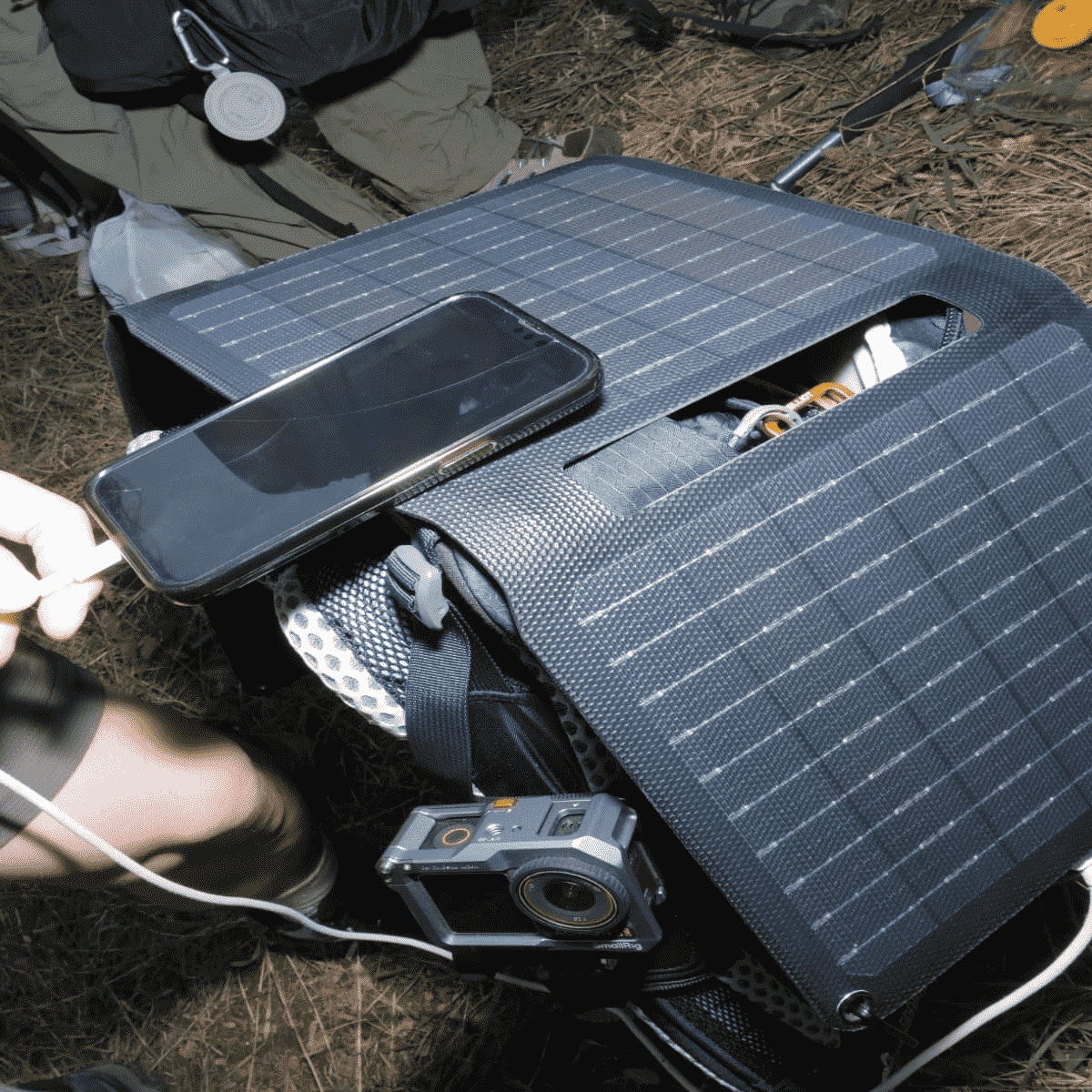
For most hikers and daily commuters, this lightweight device can be clipped onto the outside of a backpack and charged while walking. It is recommended to prioritize models with a rugged design and IP65 waterproof rating to easily cope with changing weather conditions.
Foldable solar power bank:
If we have higher demands for charging speed, the foldable solar power bank is a more advanced and better choice. With a foldable design consisting of 3 to 5 panels, it significantly increases the light-receiving area and delivers a charging experience close to that of a wall outlet under strong sunlight, enabling us to achieve “power balance” during multi-day wilderness trips.
Portable solar power station 2000w:
When we want to use car refrigerators, power drills outdoors, or even chainsaws to deal with fallen trees in critical moments, we need to step into the realm of the portable solar power station 2000w. With extremely strong load capacity, it is not just an oversized power bank but a mobile AC power station that can easily drive high-power appliances, such as 1500W electric kettles, microwaves, or full-size car refrigerators. It addresses all high-power usage pain points, ranging from outdoor cooking to household emergency backup.
For specific purchasing details and real-world performance evaluations of such high-power devices, please refer to our previous in-depth review:《Best 2000 Watt Portable Power Station: 2026 Buying & Performance Guide》
Solar Charging System
Simply put, the operation of a solar charging system is like “catching rainwater”: the solar panel acts as a funnel, capturing sunlight and converting it into electrical current; while the battery serves as a bucket, storing that energy for us to use whenever Differences between a Portable Solar Battery Bank and a pure solar panel
1.Solar Panels Only
They do not store any electricity themselves. Think of them as a “generator.”
Advantages: Lightweight, durable, no battery aging issues.
Limitations: Once the sun goes down or is blocked by clouds, power supply stops immediately. They must be connected to a device (e.g., a phone) in real time for charging, which often results in unstable charging current and may even damage the device’s battery.
2.Portable Solar Battery Bank (System with a battery)
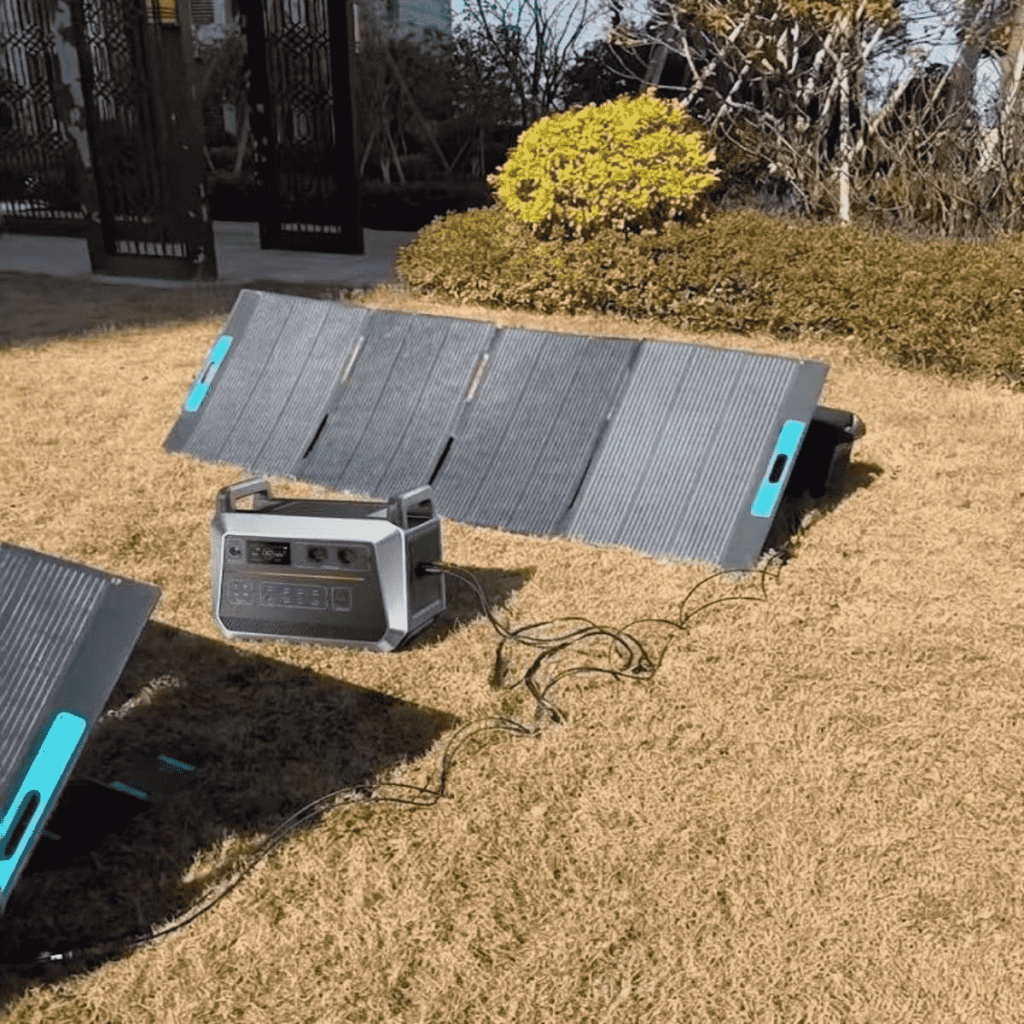
This is currently the most recommended solution. It is essentially an “energy buffer” that integrates a charge/discharge management system.
How it works: The solar panel delivers power to the battery bank, which then outputs a steady current to our phones, computers, or camp lights.
Why it’s better: It solves the problem of unstable solar output. We can let the portable solar battery bank slowly absorb energy on top of a tent during the day, and then use it to quickly charge all our devices at night. This “store first, use later” logic is the cornerstone of stable off-grid power.
Do portable solar power banks really work?
This is the most concerning question for many beginners. The answer is: yes, it works, but you need to manage your expectations.
All portable solar batteries rely on photovoltaic (PV) cells. When photons strike the silicon wafer, they generate flowing electrons, thus creating an electric current. However, energy conversion comes with losses.
Currently, mainstream monocrystalline silicon panels on the market have an efficiency of about 20% to 23%. This means that only about one-fifth of the captured sunlight is converted into electrical energy. If you are using the small type of power bank that is only the size of a palm and fixed onto a backplate, its solar panel typically has a power rating of just 1W to 2W. Under ideal sunlight, it may take dozens or even hundreds of hours to fully charge. Therefore, the solar function of such devices serves more as an emergency backup rather than a primary charging method.
If you need true off-grid power, you should opt for a system with large, multi-fold panels that can significantly replenish battery levels within just a few hours of sunlight.
Application Scenarios of Portable Solar Batteries
Portable solar battery for camping:
In addition to charging smartphones, it can also power LED string lights for campsites, electric air pumps, and even small electric cooking pots. Compared to loud fuel generators, solar batteries operate in complete silence, allowing us to enjoy modern conveniences while still hearing the birdsong and stream sounds in the forest.
Portable solar battery for RV:
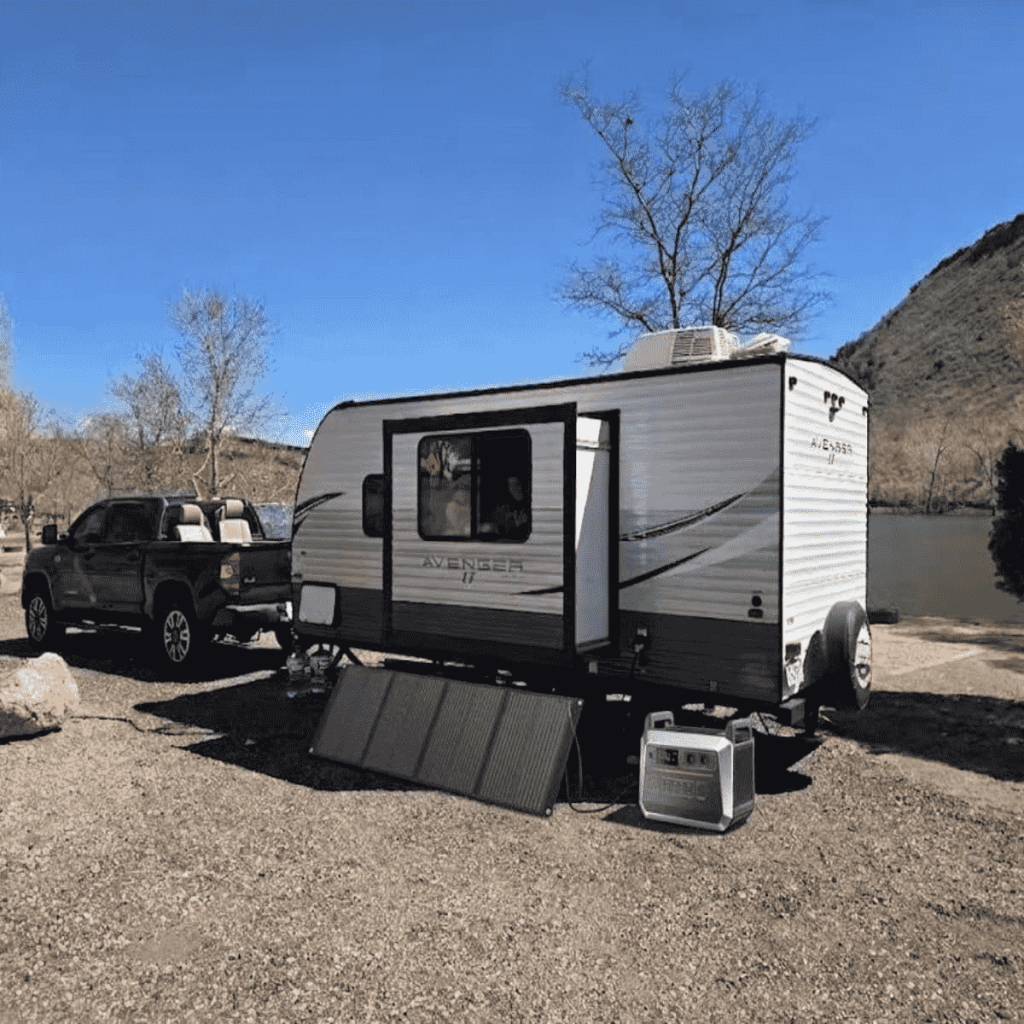
Although most RVs come with their own battery systems, they often struggle to support long-term off-grid stays. A portable solar battery can serve as an auxiliary power system, specifically handling the charging of laptops or drones, thereby saving the RV’s main battery power for essential operations like the refrigerator and water pump. RVs are often parked in the shade to escape the heat, but this is not ideal for fixed panel power generation. With a portable solar battery system, we can use an extension cord to place the solar panel in the sunniest spot for recharging while the RV remains parked in cool shade.
Portable solar battery for car:
It can be recharged via sunlight and, when the vehicle is turned off, the portable solar battery can continuously power the dashcam or navigation device without draining the car’s starter battery, effectively avoiding the embarrassment of being unable to start the vehicle due to a dead battery.
Portable solar battery for home:
During a power outage, it can keep your Wi Fi router working, your phone charged, and even run a CPAP machine for a full night. In daily life, you can easily recharge it using free sunlight on your balcony or in your yard, and use this “zero cost electricity” to power tablets, phones, or lamps. Small savings add up, effectively reducing tiered electricity bills and creating a small personal energy micro cycle.
Small tip: We should pay close attention to the device’s port types. For example, if you plan to use it in an RV, make sure it has enough USB C ports. If it’s for home backup power, a model with AC outlets is the way to go. For example, Piforz’s portable power station has multiple output ports, including AC outlets, USB ports, and DC outputs, allowing it to charge or power various devices such as laptops, phones, appliances, and tools simultaneously. It can be our best purchasing choice.
Buying Advice and Maintenance Strategies for Portable Solar Batteries
Buying advice:
Check the capacity: For hiking, choose 10,000mAh; for camping, choose 20,000mAh; for off-grid living or home backup power, go with a portable solar power station 2000W.
Check the performance: Panel conversion efficiency should be >22%, and the ports must include USB-C with PD fast charging.
Check the protection: For outdoor use, you must select a model with IP65 or higher waterproof rating and a surface covered with ETFE (wear-resistant and UV-resistant) material.
Even if we successfully choose the best portable solar battery, its service life will be greatly reduced without proper daily maintenance. So how can we extend the life of a portable solar battery bank? Here are some of our suggestions.
Maintenance strategies:
Avoid extreme storage: If not used for a long time, keep the charge level at around 50%, not 0% or 100%. Perform a charge-discharge cycle every three months. Never store it for extended periods empty or fully charged.
Temperature control: Although they are designed for sunlight, the batteries themselves are very sensitive to heat. While charging, try to keep the battery part in the shade, exposing only the panel to sunlight.
Keep it clean: Dust or bird droppings on the panel can create a “hot spot effect,” severely affecting power generation efficiency. Wipe it regularly with a damp soft cloth.
FAQ:
What is the best portable solar battery?
The best portable solar battery is not defined by a single model, but rather depends on the user’s specific power consumption scenarios and needs. For minimalist day hikers, a 10,000mAh model achieves the optimal balance between size and weight, while a 2–3 day weekend camping trip is better suited to a 20,000mAh device that balances performance and capacity. For long-term off-grid living or home emergency backup, a high power 2000W portable power station with strong load capacity is the core choice. A truly high quality device must feature panels with conversion efficiency exceeding 22%, IP65 or higher waterproof protection, ETFE wear resistant material, and diverse ports including USB C PD fast charging or AC outlets. For example, integrated systems from brands like Piforz are objectively ideal solutions because they can simultaneously power phones, laptops, and high power appliances.
Are portable solar batteries worth it?
Are portable solar batteries really worth the investment? The answer is yes, but their value should be measured from three dimensions:
Return on Investment (ROI): Compared to traditional disposable batteries or fuel generators with high maintenance costs, solar equipment involves a one time investment followed by long term free use. With improved cycle life (e.g., the popularity of LiFePO₄ technology), a quality system can last more than 10 years, making the cost per use negligible.
Ultimate convenience: You no longer need to worry about finding gas stations or carrying heavy fuel canisters. As long as there is sunlight, your portable solar battery can continuously generate power. This “use as you go” flexibility is unmatched by traditional off grid power solutions.
Irreplaceable environmental value: Zero emissions, zero noise. Enjoying nature without leaving any carbon footprint is not only a lifestyle choice but also a deep practice of Leave No Trace ethics.
Why are people getting rid of their solar panels?
You may see on social media or second hand markets that “people are getting rid of their solar panels,” which might sound like the technology is becoming obsolete, but the opposite is true. There are three real reasons behind this phenomenon:
Technological iteration eliminates older models: Early polycrystalline panels were inefficient and bulky. With the advent of lighter, thinner, and more efficient monocrystalline and flexible panels, users are upgrading their systems on a large scale.
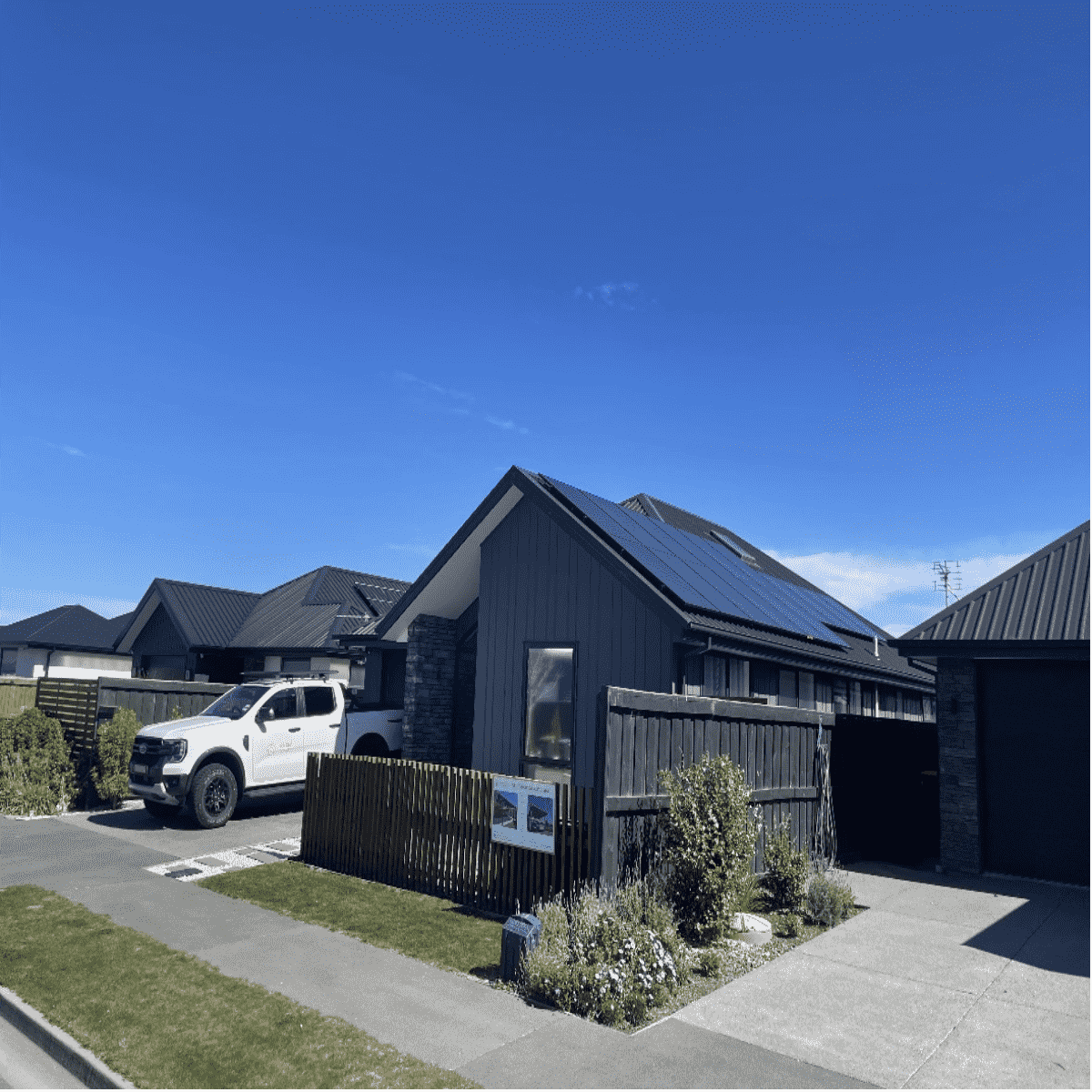
Shift from fixed to portable: Many users who originally installed fixed panels on RV roofs or rooftops have discovered that portable solar battery banks offer greater flexibility. Portable solutions can follow the sun, whereas fixed panels are often limited by parking positions.
Integration of home energy storage systems: In the past, people used to DIY charging systems with scattered panels. Now, more people prefer to buy highly integrated “all in one” devices, such as a solar power bank for home, which are both aesthetically pleasing and safer.
Conclusion
The widespread adoption of portable solar batteries marks our entry into a new era of energy independence, cleanliness, and unprecedented flexibility. The role of electricity is no longer merely “emergency backup power” but has transformed into an “energy hub” that supports quality of life.
When facing devices such as car refrigerators, electric cooking pots, chainsaws, or even critical home appliances during a power outage, lightweight mobile solar power sources may struggle to handle the load. Therefore, the 2000W high power portable solar power station, with its strong load capacity and long endurance, is increasingly becoming the ultimate cornerstone for safeguarding modern off grid living and home security.