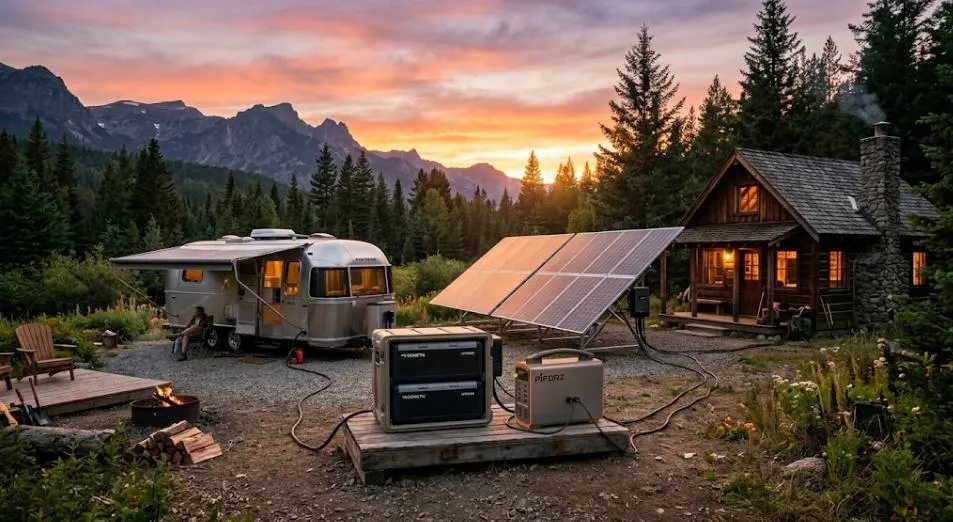
As times change, more people are looking for an affordable and practical space where they can enjoy solitude while making the most of limited resources. As a result, small cabins, backyard sheds, and tiny homes are becoming increasingly popular. However, powering these small spaces can be a challenge—especially when grid access is limited or installation costs are too high.
This is where an all-in-one solar power system becomes an ideal solution. With its compact structure and easy installation, it integrates solar charging, battery storage, and both AC and DC output into a single unit. It offers a simple and cost-effective way to run basic household appliances in off-grid environments.
1. What Is an All-in-One Solar Power System?
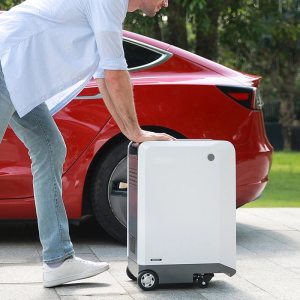
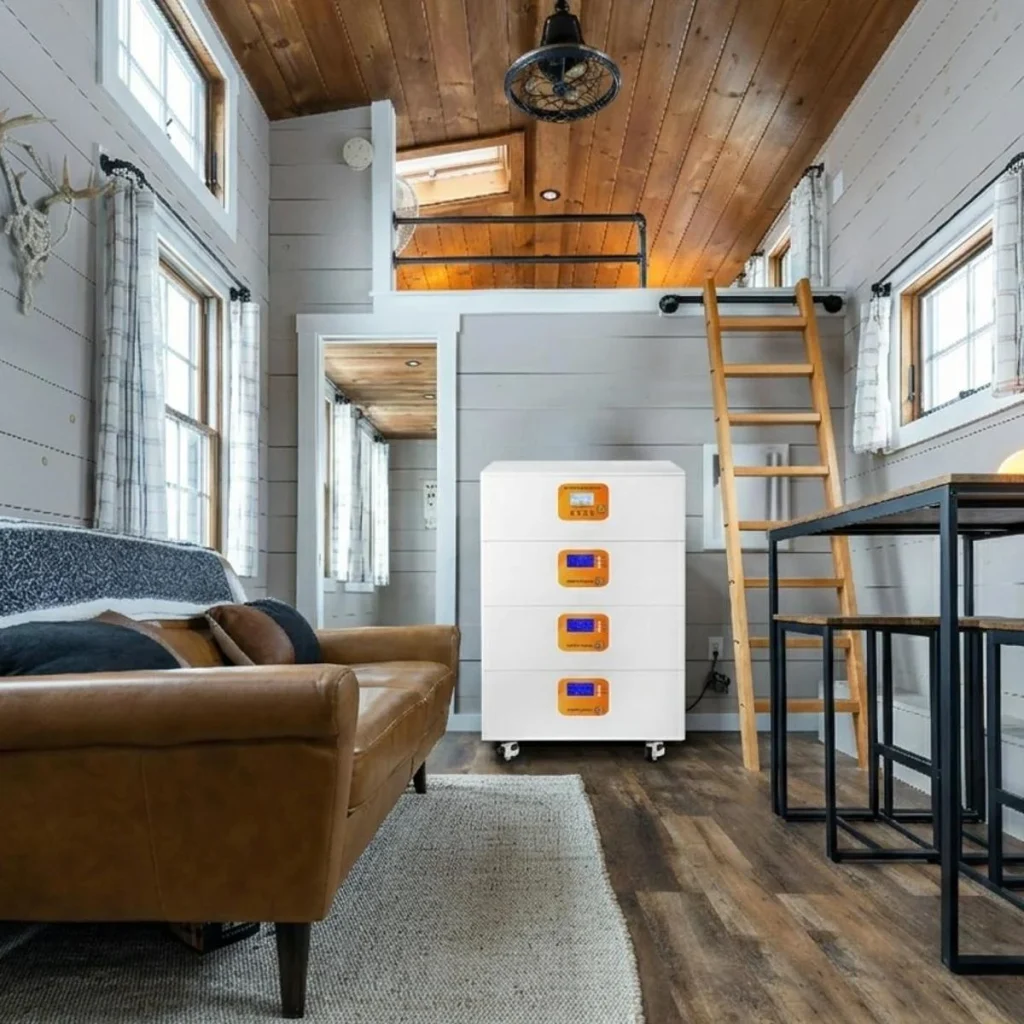
An all-in-one solar power system is a compact unit that combines MPPT, inverter, battery, and BMS into a single device. Unlike traditional off-grid systems that require separate components and complex wiring, its integrated design simplifies everything into a plug-and-play solution with a much smaller footprint.
This is why an all in one solar power system with battery has become an ideal choice for small cabins and tiny homes where space is limited and ease of use is essential for beginners.
2. How Does an All-in-One Solar Power System Work?
An all in one solar power system works by having all components operate together to manage energy generation, storage, and output.
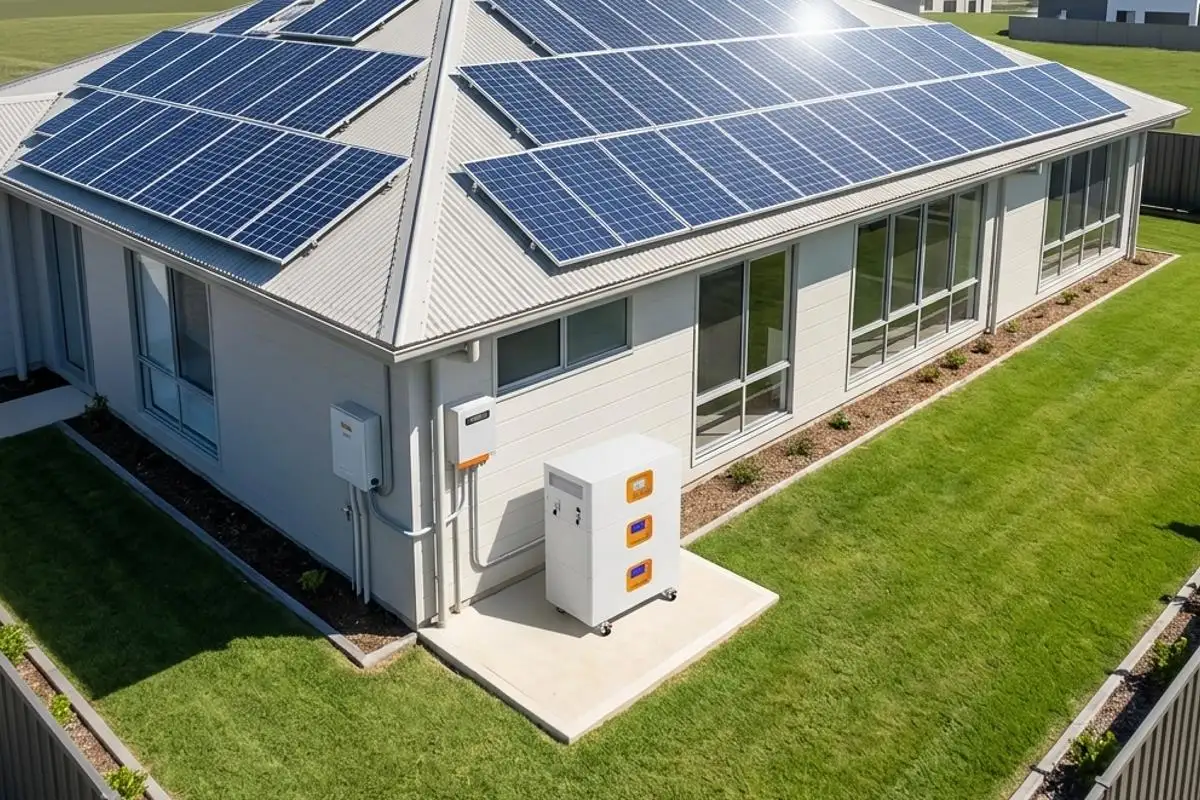
First, in terms of energy input, it captures sunlight through solar panels and converts it into DC electricity, which is fed into the system. During this process, the MPPT charge controller optimizes charging efficiency and stores the energy in the built-in battery. It can also be charged directly from the grid.
Next, after DC power is stored, the inverter converts it into AC power required by household appliances.
Finally, during output, the BMS protects the battery from overcharging, over-discharging, and overheating. This integrated workflow allows solar energy to be converted into stable household electricity without the need for complex system design.
3. How Much Power Does a Small Cabin or Tiny Home Need?
Calculating your energy demand is a crucial step before choosing a system. Power needs vary widely among small cabins, backyard sheds, and tiny homes. Some users only need lighting and phone charging on weekends, while others want a full-time living experience.
3.1 Basic Estimation Methods
The simplest way to estimate energy usage is:
Device power (W) × usage time (hours) = daily energy consumption (Wh)
3.2 Three types of user profiles
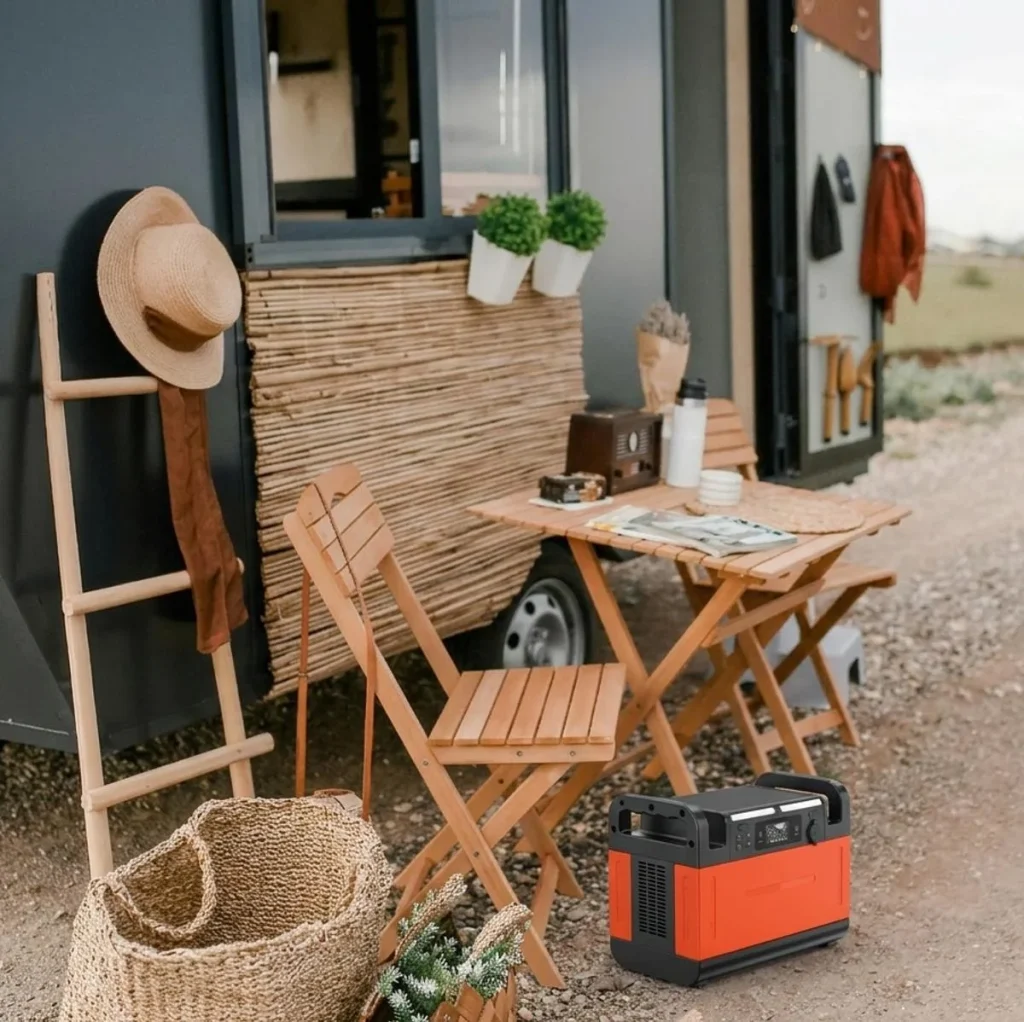
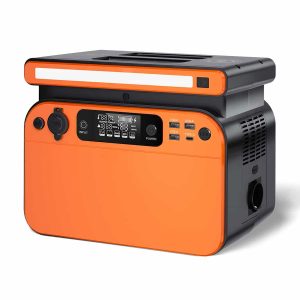
The first type is light users, who only need basic functions. Their daily power consumption is around 300–1000W. For this group, a solar power system for small cabin like a portable power station from Piforz can easily meet basic needs.
The second type is moderate users, such as weekend or short-term residents. They use higher-power devices like coffee machines, laptops, and mini-fridges, with daily consumption around 1000–2000W. These users require more stable power and begin to rely on solar systems for daily living.
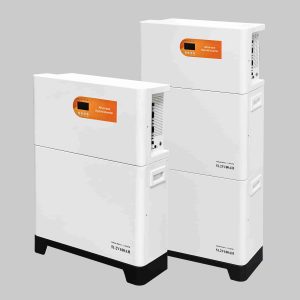
The third type is heavy users, who expect full household functionality. They run high-power appliances such as air conditioners and induction cookers. For this group, when choosing the best all in one solar power system, Piforz’s energy storage series is a suitable option.
4. Key Features to Look For in a Small-Space All-in-One Solar System
When choosing an all in one solar power system, there are several key factors to consider, including battery type, inverter power, and input capacity. Understanding these core elements will help you select the best all in one solar power system in one step.
4.1 Battery Type
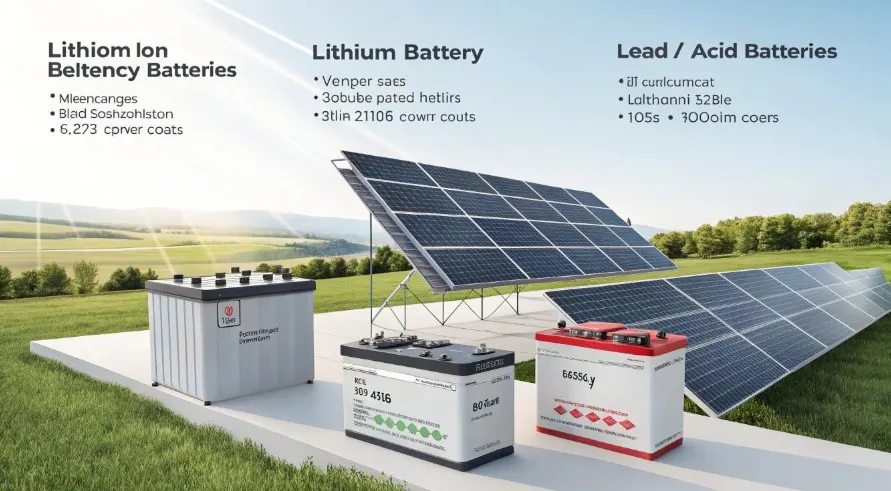
The battery is the core of the system, so choosing the right type is critical. Today, most high-quality systems use LiFePO4 batteries , which are safer and offer much longer cycle life than traditional lead-acid or AGM batteries. They are ideal for long-term or frequent use.
In comparison, lead-acid batteries are cheaper and have lower thermal runaway risk, but they are heavier and have a shorter lifespan, making them more suitable for occasional use. Therefore, if your cabin or tiny home is used frequently, choosing LiFePO4 is a more cost-effective and stable option.
4.2 Inverter Output
The inverter’s output power determines which appliances can run simultaneously. The rated power of your devices must be lower than the inverter’s output for the all in one solar power system to function properly. When using appliances like refrigerators or motors, peak power requirements must also be considered.
4.3 Input Capacity
Input capacity directly affects charging efficiency—how quickly the battery can be fully charged. For small-space users, if sunlight hours are limited during the day, higher solar input capacity will significantly improve system usability.
5. Installation Basics and Safety Tips
During installation, following basic guidelines ensures safer operation. Solar panels should be installed in locations that receive at least 4–6 hours of direct sunlight daily. Use recommended cable specifications to prevent overheating and ensure proper ventilation for the all-in-one unit.
Also, do not overlook fuses or circuit breakers, as they protect your cabin from damage caused by short circuits.
6. A reliable option for off-grid living
Once you understand your energy needs and have a basic knowledge of All-in-One Solar Power Systems, choosing the best all in one solar power system becomes much easier—the best system is the one that fits your needs.
For small cabins, sheds, and tiny homes, an all-in-one solar power system is the simplest and most cost-effective way to achieve off-grid living. With easy installation, low maintenance costs, and stable power supply, it is the ideal choice for those who want a self-sufficient lifestyle without dealing with complex electrical systems.