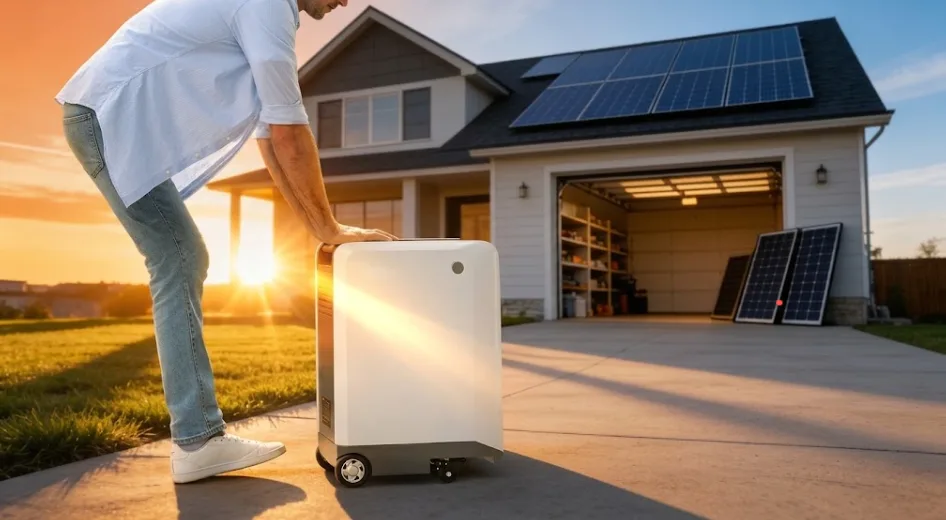

First, let’s understand what a lithium battery is, its definition, how it works, its types, and how to store it.
What is a Lithium Battery?
Lithium batteries are also known as lithium-ion batteries. Lithium-ion batteries use a cathode (positive electrode), an anode (negative electrode), and an electrolyte as conductors. (During discharge, the anode is the negative electrode, and the cathode is the positive electrode.)
How Lithium Batteries Work
During discharge, ions flow from the anode to the cathode through the electrolyte and separator; during charging, the direction reverses, and ions flow from the cathode to the anode. Simply put, lithium-ion batteries are rechargeable energy storage devices that convert electrical energy and chemical energy by shuttling lithium ions between the positive and negative electrodes.
Types of Lithium Batteries
Lithium batteries are divided into two main categories. One category is lithium metal batteries, also known as primary batteries, which are non-rechargeable and discarded after use. They use metallic lithium sheets as the negative electrode directly. Examples include:
Commonly found in button cells (e.g., CR2032) and early camera batteries. Because metallic lithium is very reactive and poses significant safety challenges, such batteries are generally not used in large devices requiring repeated charging.
The second category is lithium-ion batteries, also called secondary batteries, which are rechargeable. Examples include batteries used in mobile phones, laptops, electric vehicles, etc. They do not contain metallic lithium but instead use lithium ions shuttling between the positive and negative electrodes to function.
According to Battery University literature, lithium-ion batteries are further divided into:
(1) Lithium Cobalt Oxide (LiCoO2) — LCO
(2) Lithium Manganese Oxide (LiMn2O4) — LMO
(3) Lithium Nickel Manganese Cobalt Oxide (LiNiMnCoO2) — NMC
(4) Lithium Iron Phosphate (LiFePO4) — LFP
(5) Lithium Nickel Cobalt Aluminum Oxide (LiNiCoAlO2) — NCA
(6) Lithium Titanate (Li2TiO3) — LTO
Safety Issues of Lithium-Ion Batteries
Any energy storage device carries risks, as demonstrated by casualties from steam engine explosions in the 19th century. In the early 20th century, cars carrying flammable gasoline were also a hot topic. So, how should we prevent such safety hazards?
It is understood that although batteries can operate over a wide temperature range, this does not mean they can be charged under these temperatures.
Lithium-Ion Batteries
Charging temperature: 0°C to 45°C (32°F to 113°F)
Discharge temperature: -20°C to 60°C (-4°F to 140°F)
Charging below freezing point is prohibited.
High-temperature charge/discharge performance is good, but lifespan is shorter.
Regarding the Use of Lithium Batteries
Battery packs using lithium-ion batteries must be equipped with mandatory protection circuits to ensure safety under (almost) all circumstances. According to the IEC 62133 standard, the safety of lithium-ion batteries or battery packs should primarily include some or all of the following safety measures:
(1) Built-in PTC (Positive Temperature Coefficient) to prevent current surges.
(2) CID (Current Interrupt Device) disconnects the circuit when battery pressure reaches 1,000kPa (145psi).
(3) Safety vent releases gas when pressure is too high (3,000kPa (450psi)).
(4) Separator suppresses ionic flow through a melting process when temperature exceeds a certain threshold.
Three Main Conditions for Storing Lithium-Ion Batteries
According to the National Fire Protection Association (NFPA) lithium battery safety guidelines, avoiding extreme heat and physical damage is central to preventing hazards.
Temperature and Humidity Control
1. Temperature: The ideal temperature range for lithium batteries is 10°C to 25°C. Temperatures above 30°C accelerate electrolyte decomposition and self-discharge, leading to capacity degradation. Temperatures below 0°C may cause lithium dendrite formation, piercing the separator and causing a short circuit.
2. Avoid extreme temperatures: Stored at 40°C for 3 months, capacity retention drops by about 15% to 20% compared to 25°C. Below -20°C, the risk of lithium dendrites increases significantly.
3. Humidity: Relative humidity for lithium batteries should be controlled between 40% and 60%. Excessively high humidity (>70%) can easily cause condensation on the battery surface; moisture penetration may react with the electrolyte to form hydrofluoric acid, corroding electrode materials. Excessively low humidity may increase electrostatic risks.
Charge Management
1. Long-term storage of lithium batteries requires maintaining a 40% to 60% state of charge (SOC).
2. Storing at full charge increases internal pressure, leading to structural damage to the positive electrode material and accelerated electrolyte decomposition. Storing at low charge (<20% SOC) may cause over-discharge due to self-discharge, resulting in irreversible electrode damage.
3. Recharge every 3 to 6 months: If stored for more than 3 months, maintain voltage at 3.8 to 3.9V (about 50% charge) to avoid voltage dropping below 2.5V, which could cause failure.
Physical Environment Requirements
1. Protect from light and moisture: Keep away from direct sunlight and heat sources to prevent UV-induced aging; storage areas must be dry and well-ventilated to prevent condensation or corrosion.
2. No mixing: Do not store with metal objects, flammable materials, or corrosive substances to prevent short circuits or chemical reactions; battery terminals should be insulated to avoid accidental connection.
What Storage Containers and Facilities Are Available for Lithium-Ion Batteries?
For Cells and Small Battery Packs
For bulk cell devices or non-operational batteries:
(1) Insulated plastic boxes, glass containers: Made of non-conductive materials, effectively preventing positive and negative terminals from contacting metal objects and causing short circuits.
(2) Flame-retardant explosion-proof bags: Often made of fire-resistant materials like fiberglass, commonly used for storing individual batteries or during charging to contain initial fires or explosions within the bag.
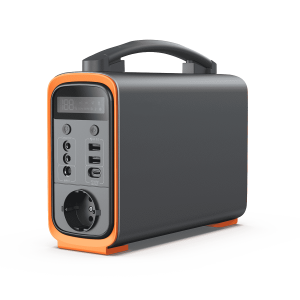
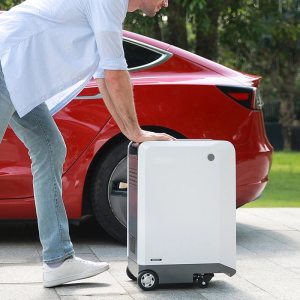
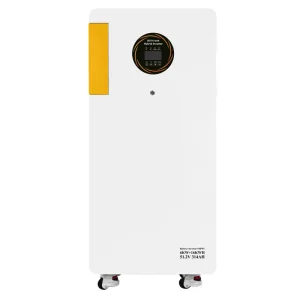
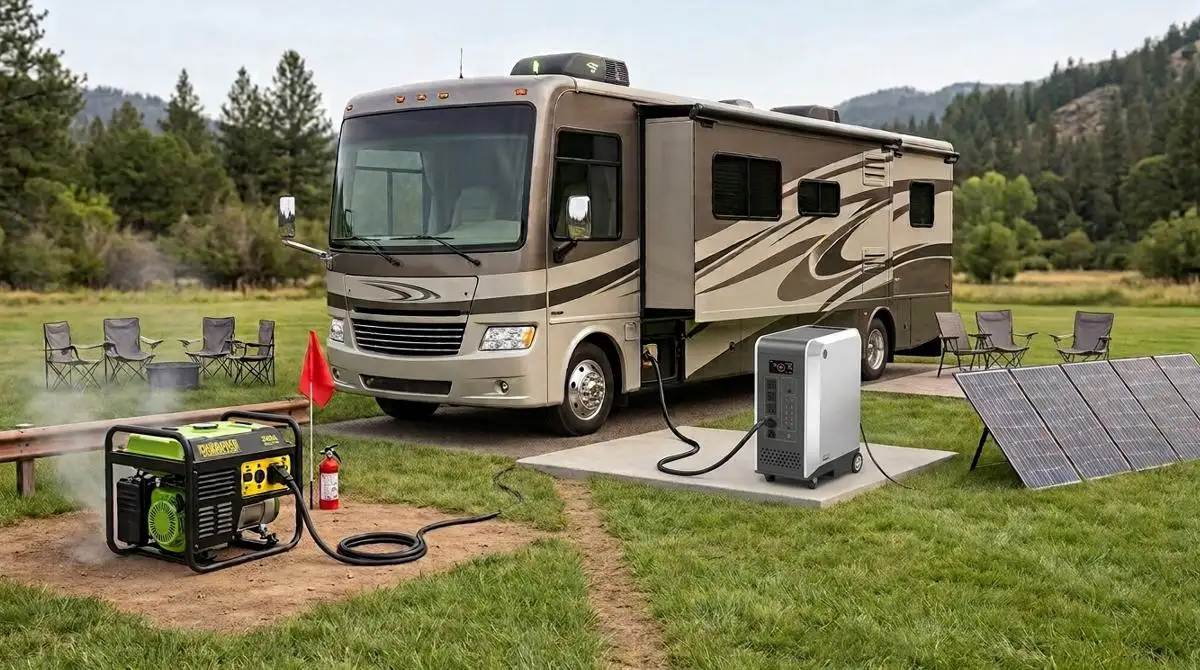
For High-Capacity Portable Power Supplies and Commercial-Level Modules
For factory goods in temporary storage:
(1) Fire-resistant explosion-proof safety cabinets: Typically industrial-grade professional storage cabinets with ceramic fiber or similar insulating materials in the middle, effectively preventing fire spread during internal battery thermal runaway or protecting internal batteries during an external fire.
(2) Constant-temperature automatic ventilation battery cabinets: Equipped with independent ventilation, exhaust systems, and temperature control equipment. Since the optimal storage temperature for lithium batteries is generally between 15°C and 25°C, these cabinets prevent accelerated aging or thermal runaway caused by high temperatures.
For Large-Scale Grid-Level Facilities
Examples include household backup power, off-grid solar systems, or megawatt-scale grid-tied projects:
(1) Integrated energy storage cabinets: Large communication base station cabinets, internally integrating battery clusters, BMS (Battery Management System), PCS (Power Conversion System), as well as dedicated fire protection and temperature control modules.
(2) Standard energy storage containers: Lithium batteries are classified as Class 9 dangerous goods during international transport; therefore, transport containers must ensure safety and comply with international regulations like UN38.3. Containers are equipped with industrial-grade air conditioning or liquid cooling systems to maintain temperature consistency among hundreds or thousands of cells. In liquid-cooled energy storage systems, compact plate heat exchangers can transfer heat between the battery coolant loop and the external cooling circuit, helping maintain stable and uniform operating temperatures. Standard configurations include automatic fire extinguishing systems using heptafluoropropane (FM200), perfluorohexanone, or aerosols, combined with combustible gas detectors to achieve early fire suppression.
Perhaps You Want to Ask How to Extend the Lifespan of Lithium Batteries
Simply put, reducing the charging voltage can extend battery life, a principle used in electric vehicles and satellites. Consumer electronics could also adopt similar measures, but this is rarely done.
Many People Ask, Who Is the Biggest Lithium Buyer?
According to data from the U.S. Geological Survey (USGS), as of 2019, global proven reserves were approximately 80 million tons, an increase of nearly 30% from the previous year. The six countries with the largest lithium reserves are:
(1) Bolivia — 21 million tons
(2) Argentina — 17 million tons
(3) Chile — 9 million tons
(4) United States — 6.8 million tons
(5) Australia — 6.3 million tons
(6) China — 4.5 million tons
What Is the “40-80 Rule” for Lithium Batteries?
According to data from the authoritative battery research institution Battery University, keeping the state of charge (SoC) of a lithium battery consistently between 40% and 80% can significantly reduce internal voltage drift and thermal effects. If you plan to leave backup power idle for several months, avoid storing it fully charged or completely empty; charging to about 50% is the best option.
Is It Okay to Store Lithium Batteries in a Garage?
The ideal temperature range for lithium batteries is 10°C to 25°C. If your garage maintains this temperature range year-round, then yes, it is okay.
Is It Safe to Store Lithium Batteries at Home?
Yes, as long as appropriate precautions are taken. In many cases, storing lithium batteries indoors is actually recommended over a non-temperature-controlled garage — but safety measures must be taken. Multiple government fire safety agencies and the Idaho Department of Insurance emphasize keeping batteries at room temperature and away from anything that could catch fire.