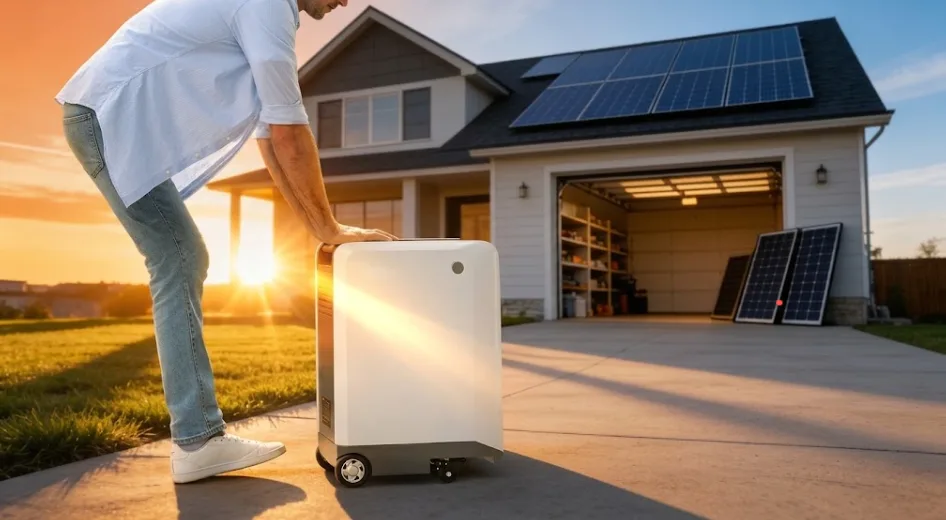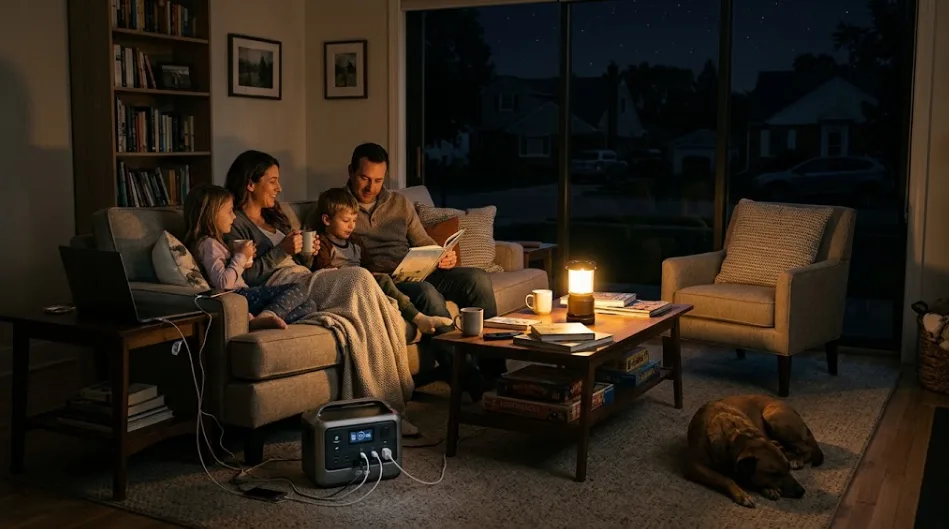
Solar generators are gradually becoming a household energy alternative. Unlike fuel generators, they do not generate electricity directly. Instead, they collect solar energy through solar panels and then convert it into electrical energy stored in batteries as backup power. This ability to store electricity is exactly the advantage of solar generator
How to pick a solar generator? Beginners need to understand the relevant details of solar generators and keep in mind the key points to note when selecting one.
Core Components of a Solar Generator
A solar generator is a device that highly integrates solar panels, batteries, an inverter, and a controller into one system:
Battery: The place where electrical energy is stored.
Inverter: Converts direct current (DC) into alternating current (AC) for household use.
Solar Panels: Directly convert the sun’s radiant energy into direct current (DC).
Controller: Protects the battery and prevents overcharging or short circuits.
Uses of Solar Generators
The main uses of solar generators include the following core scenarios:
Remote Work and Digital Nomads: In areas with unstable power grids (such as dealing with sudden power outages during travel), they provide continuous power for laptops, phones, routers, and other devices.
Home Emergency Energy Storage: During unexpected power outages, a portable solar generator for house can power essential home appliances such as refrigerators and lighting; high-capacity models can also be used as independent home backup battery systems even without solar panels.
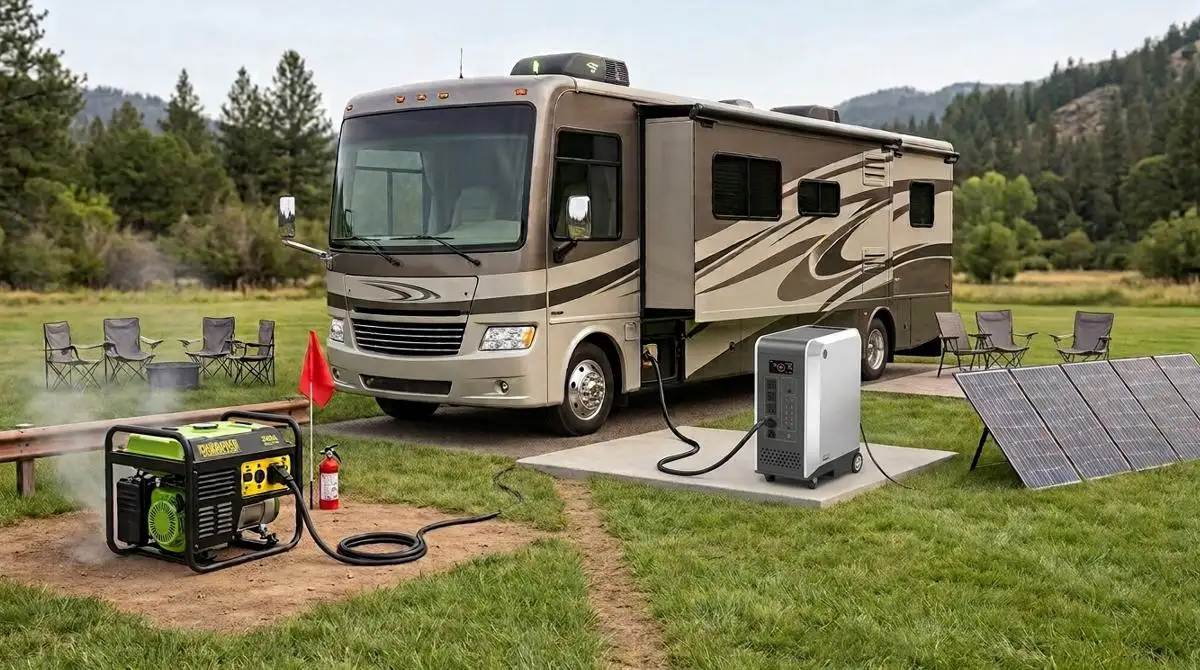
Camping and RVs: They can power car refrigerators, electric grills, projectors, and other devices, meeting the electricity needs of RV travel or deep off-grid camping.
Emergency Medical Power During Outages: They provide safe and stable overnight or off-grid power support for home medical devices that require uninterrupted electricity, such as CPAP machines.
Construction Sites and DIY Power Supply: On construction sites or workshops without grid access, they provide portable power for high-power electric tools such as drills and saws, and are also commonly used for building solar-powered DIY smart home systems.
What Are the Pros and Cons of Solar Generators?
Advantages of Solar Generators:
- Clean. They do not produce emissions during operation and do not pollute the environment.
- Quiet. They do not produce loud noise like fuel generators during operation, making them more family-friendly.
- Safe for indoor use. They are safer to use and do not require worrying about fuel storage.
- Extremely low operating cost. After purchasing a solar generator, electricity costs can be greatly reduced, and there is no need to worry about power outages during peak electricity usage periods or in remote areas.
Disadvantages of Solar Generators:
- High initial purchase price. Compared with fuel generators, the upfront purchase cost is higher.
- Charging speed is affected by weather. Solar generators rely on sunlight for charging, and they perform best on sunny days.
- Lower energy density than gasoline. Therefore, their output power is not as strong as most fuel generators.
Although solar generators have a higher initial purchase price compared to fuel generators, once you purchase a solar generator, the return on investment is very considerable. In fact, it is like “prepaying” and capping the next 10 years of electricity and maintenance costs. Fuel generators are the typical example of “cheap to buy but expensive to use” (fuel costs, engine oil, and parts wear and tear).
What is best battery for solar system?
There are four types of solar batteries: lead-acid batteries, lithium-ion batteries, nickel-cadmium batteries, and flow batteries. Here, we mainly discuss the best solar batteries for home use. In residential solar systems, the most common option is lithium-ion batteries paired with an inverter system (primarily LiFePO4 batteries).
- Charging and Discharging Efficiency: PVsyst points out that LiFePO4 batteries have an overall charge and discharge efficiency of 90%–95%. They feature lower internal resistance, reduced heat loss, better temperature stability, and lower energy loss, making them more energy-efficient. Traditional lead-acid batteries, on the other hand, suffer from gassing loss, higher internal resistance, and greater heat generation, resulting in lower system efficiency. Their actual round-trip efficiency is typically only around 70%–85%.
- Real-World Power Usage: Suppose a solar system generates 10 kWh of electricity per day. A LiFePO4 battery with 95% efficiency can deliver 9.5 kWh of usable energy, losing only 0.5 kWh. In contrast, a traditional lead-acid battery with 75% efficiency can only provide 7.5 kWh of usable energy, losing 2.5 kWh. Over the long term, the difference in energy loss becomes very significant.
- Cycle Life: LiFePO4 batteries typically achieve more than 3,000 charge cycles. According to official specifications from Piforz, several of its energy storage products using LiFePO4 cells are rated for up to 3,500 cycles. Assuming one full cycle per day, they can last for more than 10 years. By comparison, ternary lithium batteries generally last only 500–1,000 cycles, according to research published on ScienceDirect, which translates to roughly 2–3 years of daily use.
Note: For the different performance characteristics of batteries used in solar systems, please refer to our previous article: “What You Need to Know Before Choosing the Best Battery for a Solar System”
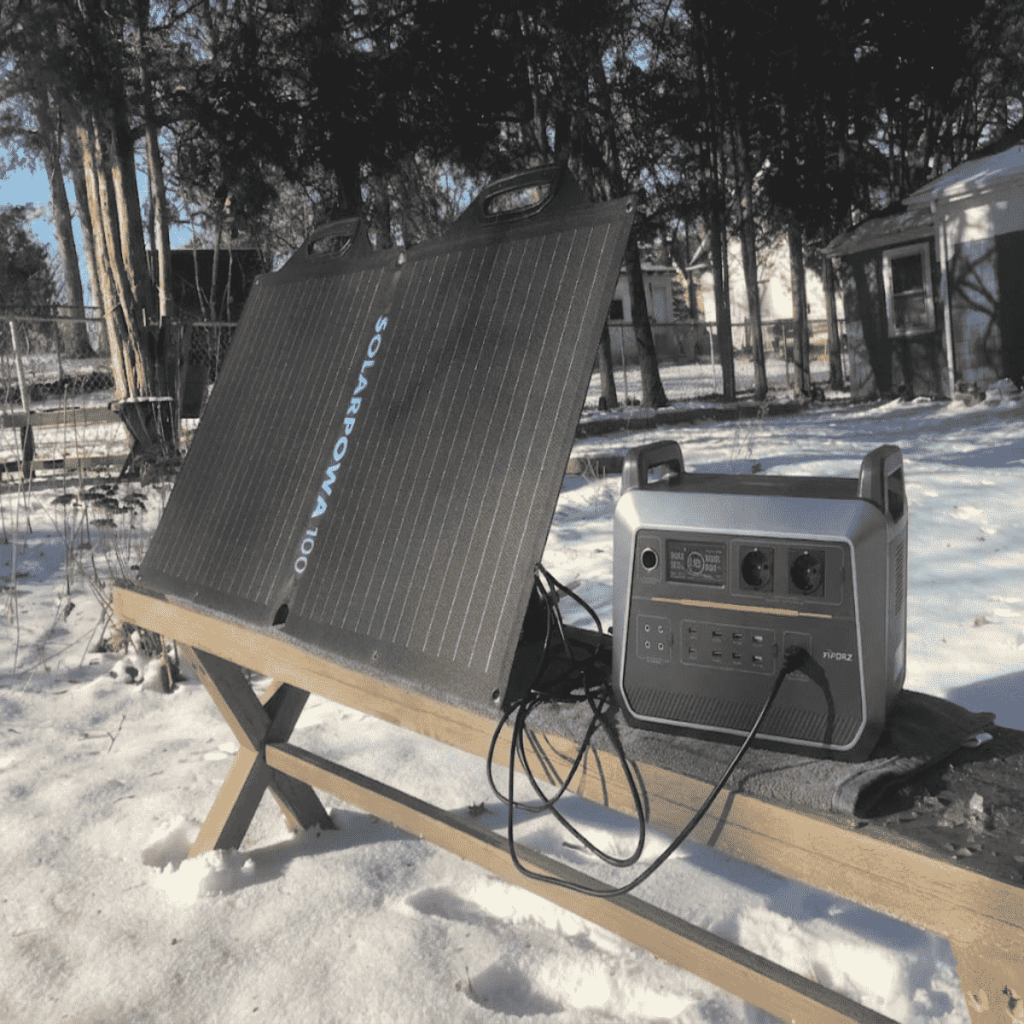
What Should You Pay Attention to When Choosing a Solar Generator?
When it comes to choosing a solar system, one important point must be mentioned: many beginners prefer the convenience of whole-house solar generators because they are plug-and-play and easy to operate. Compared with split-system solutions, whole-house solar generator prices are usually lower upfront. However, they are also highly brand-dependent, meaning future expansion costs can become very expensive since users often need to purchase proprietary modules from the same manufacturer. In addition, if a core component fails, repairs may be complicated and costly.
Here is a checklist of other important factors to consider when choosing a solar generator:
Capacity (Wh) and Output Power (W)
Below are my recommendations based on real-world experience using three different Piforz energy storage models:
2000W Solar Generator
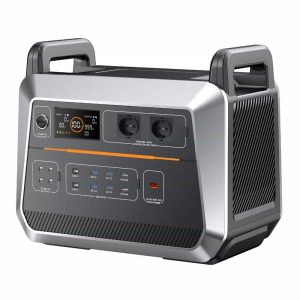
This model is a portable power station with a 2000W rated output (4000W surge peak) and a capacity of 2073Wh. It features a built-in MPPT controller, allowing direct solar panel charging. The maximum solar input is 500W.
It is ideal for camping and powering basic household devices such as lights, smartphones, and laptops. Since the surge output reaches 4000W, starting a refrigerator is not a problem either. However, long-term full-load operation is not recommended because it may increase inverter heat and reduce battery efficiency. Keeping the load between 60%–80% is considered optimal.
3000W Solar Generator
This model can serve both as an outdoor portable power station and as a home backup power source. It also supports 500W solar input and has a storage capacity of 2160Wh, with a 3000W pure sine wave output (6000W surge peak).
It belongs to the lightweight whole-home backup category and can easily start devices such as:
Small air conditioners (startup surge: 2000–4000W)
Circular saws (startup surge: 3000W+)
Water pumps (startup surge: 2500–5000W)
It is suitable for emergency home backup, outdoor construction work, vanlife, and long-term RV travel. One thing to note is that although the power output is very strong, the storage capacity itself is relatively limited, so it is better suited for short-term operation of high-power appliances.
5000W Solar Generator
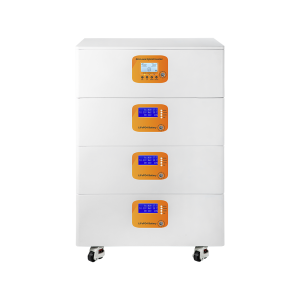
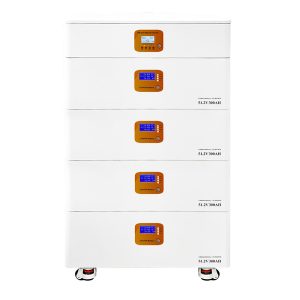
This model is the best solar generator for off-grid living and belongs to the category of true residential energy storage systems.
It features:
5.12kWh storage capacity
≥6000 cycle lifespan
5kW inverter output
It is highly suitable for:
Automatic home backup during power outages
Charging with solar energy during the day and discharging at night
Reducing electricity costs during peak utility pricing hours
However, its larger battery capacity also means longer charging times. It is recommended to pair it with 1000W–3000W solar panels for better charging efficiency.
Battery Type
The battery chemistry directly determines the generator’s lifespan and safety. LiFePO4 batteries are currently recognized as the best choice due to their high stability, long cycle life, and improved safety performance.
Pure Sine Wave Inverter
This is essential. A pure sine wave inverter produces electricity similar to utility grid power and prevents damage to sensitive devices such as laptops and CPAP medical machines.
Solar Input Limit
Do not only look at how many solar panels the generator can connect to. More importantly, check the maximum wattage supported by the built-in MPPT controller.
For example, if the generator’s solar input limit is 400W, connecting 800W of panels will not improve charging performance. Excessive voltage may even damage the MPPT controller and create safety risks.
Ports and Connectivity
In addition to standard AC outlets, you should also check whether the device includes:
USB-C PD 100W fast charging ports
12V/30A RV ports designed specifically for RV users
After understanding the checklist of factors to consider, the first step in choosing the right solar generator is determining how much power capacity you actually need. At this point, some people may ask: “How do I determine what size solar generator I need?”
You can use the following formula:
Total Appliance Wattage×Usage Hours=Required Total Wh
(Note: Many beginners directly use the result of this formula to estimate their required power capacity. While it may seem sufficient in theory, real-world energy consumption is usually higher because battery power is not converted into usable electricity with 100% efficiency. It is recommended to reserve an additional 20% for energy losses caused by battery efficiency, inverter efficiency, MPPT efficiency, cable resistance, and temperature-related losses, all of which compound throughout the power conversion process. Therefore, it is recommended to divide the result by 0.8 to compensate for efficiency losses.)Using this adjusted calculation, you can more accurately determine the actual solar generator capacity you need.
Which solar generator is the most reliable?
If you only go camping occasionally for short trips, travel in an RV, or simply want a small backup power source for unexpected situations at home, then a portable solar generator is a suitable choice.
If you want a solar generator to become part of a long-term home backup power system, or even prepare for future integration with rooftop solar, then a professional system combining solar + lithium iron phosphate (LiFePO4) batteries + a powerful inverter battery system is the most reliable solar generator solution.
How to pick a solar generator for beginners
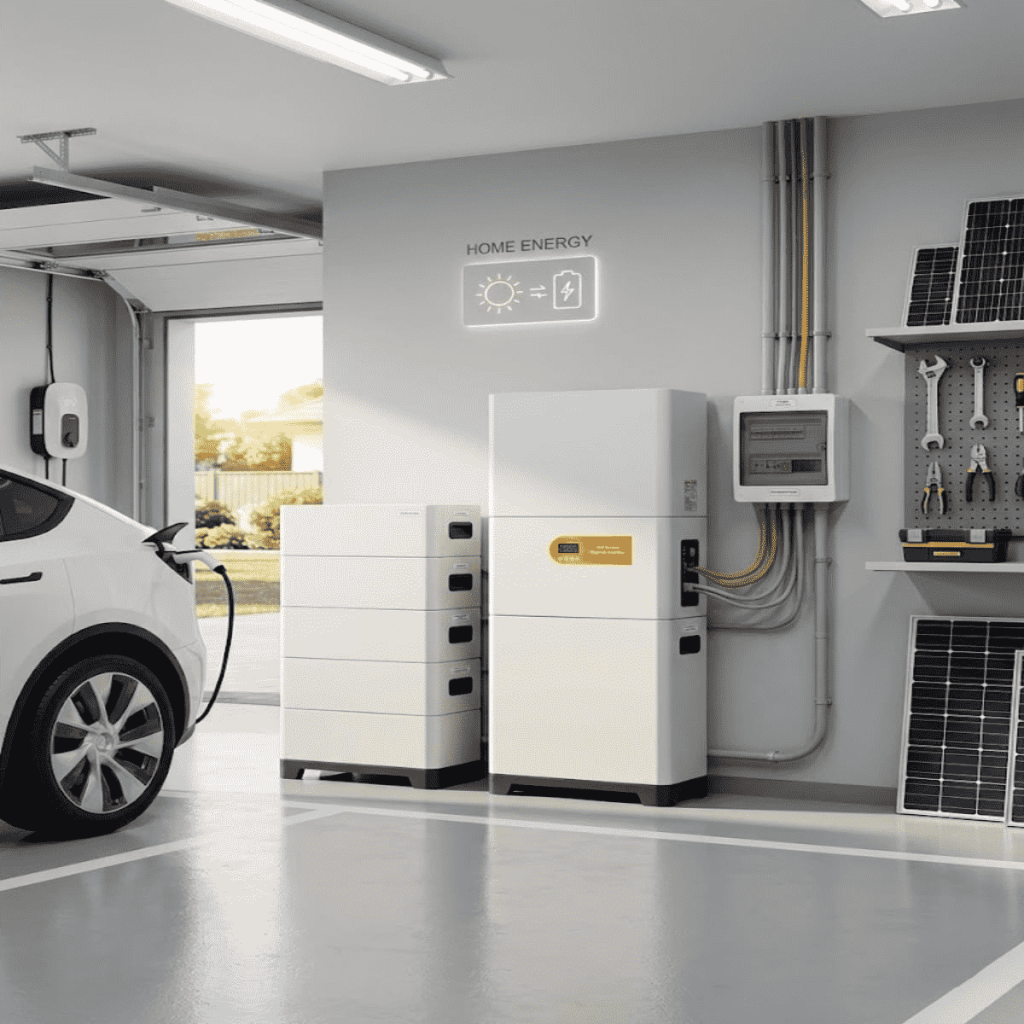
For beginners who are just getting started with solar energy storage systems, one of the most common pitfalls is being misled by the perceived simplicity of brand marketing. Therefore, we should not limit our focus to easy installation, but instead pay attention to the key functions and make smarter decisions.
Solar panels in solar generator systems are very common and can usually be purchased separately as independent accessories depending on needs. The reliability of a solar generator mainly depends on three core elements: the battery, the inverter, and the Battery Management System (BMS). Therefore, the prerequisite for choosing a reliable solar generator is to first select a reliable battery pack with an inverter and BMS.
Piforz power stations all use lithium iron phosphate batteries with built-in inverters and are equipped with BMS (Battery Management System). They are very suitable for use in solar energy systems.