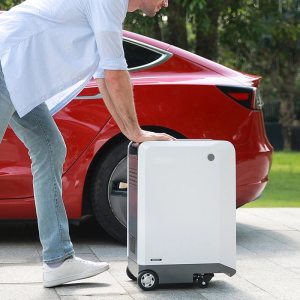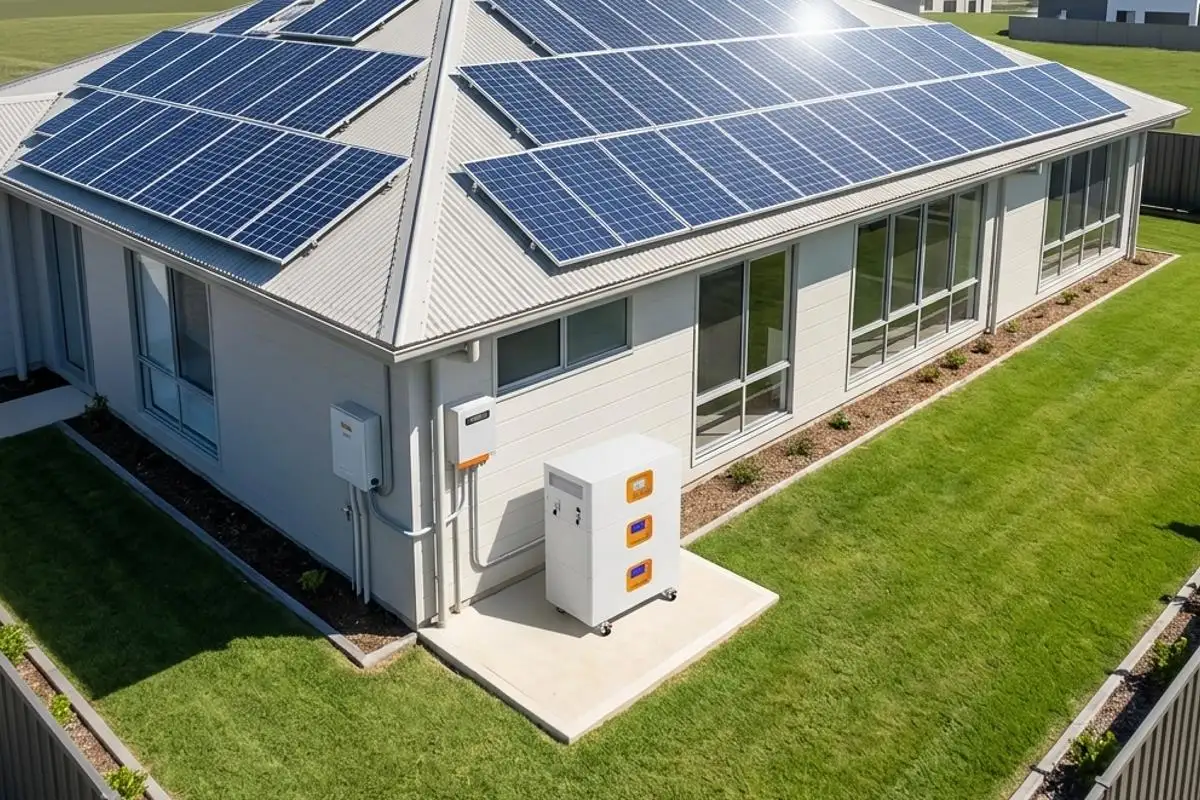

To address grid instability and achieve true energy independence, a 20kWh battery system has emerged as the “entry-level standard” for whole-home backup in modern smart residences.While 20kWh is often cited as the golden balance point for home energy storage, fixed-capacity designs are increasingly struggling to keep up with the fluctuating power demands of the modern household. For homeowners currently doing their due diligence, the key to genuine power sovereignty lies in understanding two things: the real-world performance of a 20kWh limit and the industry’s massive shift toward “stackable” modular designs.
What does a 20kWh battery mean?
Simply put, 20kWh battery storage refers to the total energy capacity of the system—think of it as the “gas tank” for your home.
In practical terms, a 20kWh capacity means that if you are running a 1,000-watt (1kW) appliance, the battery can power it continuously for 20 hours. In today’s energy market, the 20kWh lithium battery (specifically utilizing Lithium Iron Phosphate or LFP chemistry) has become the mainstream choice. Especially within modern smart homes, 20kWh battery storage is now recognized as the “entry-level standard” for reliable, whole-home backup.
20kW vs 20kWh: What is the difference?
We have found that many friends who are doing their research often confuse these two units. Here is a detailed explanation for everyone:
20kW (Kilowatt): Refers to power, which is the maximum current that a battery can release at a specific moment. To use a vivid analogy, it is like the water flow rate of a faucet. This determines how many high-power appliances we can turn on at the same time.
20kWh (Kilowatt-hour): Refers to capacity (electricity amount), which is how much electricity the battery can store. It is like the size of a water bucket.
As a manufacturer, we often see people discussing a “20kw solar system,” but in reality, what everyone needs is a “20kwh battery lithium” system that can store 20 units of electricity. It is essential to distinguish between these two units, as it can help us avoid buying the wrong equipment.
Why is 20kWh the “Golden Capacity” for home energy storage?
Because for most modern residences with a family of 3-5 people, a 20kWh battery for solar is a fundamental balance point.
Covers basic whole-house electricity consumption: It can power refrigerators, lighting, computers, and kitchen appliances.
Economic efficiency: Compared to an entry-level 10kWh battery, 20kWh provides longer usage time at night; compared to larger systems, its initial installation cost (20kWh battery price) is also within the budget of most middle-class families.Compatibility: It perfectly adapts to common 20kW solar systems with battery storage, ensuring that the electricity stored during the day can satisfy nighttime usage.
How long will a 20 kWh battery last?
This is an open-ended question, and the answer actually depends on how many appliances we run in our home:
| LOAD TIER | INCLUDED APPLIANCES | TOTAL POWER (EST.) | RUNTIME |
| Basic Survival Mode | Fridge, Wi-Fi, LED Lights, Smartphone Charging | 300W – 500W | 40 – 60 Hours |
| Standard Comfort Mode | Basic Load + TV, Laptop, Microwave, Coffee Maker | 1.5kW – 2kW | 10 – 13 Hours |
| Heavy Full-On Mode | Basic Load + Central A/C, Electric Water Heater, Dishwasher | 5kW – 8kW | 2.5 – 4 Hours |
In the absence of solar energy, 20kWh of power can usually sustain a “normal life” for an American family for about 18–24 hours. However, in practical application, household electricity usage fluctuates. This is why 20kWh battery storage often puts users in a dilemma: if you buy one that is too small, the 20kWh won’t last until the third day during an extreme blizzard. If you buy one that is too large, you pay an excessively high initial installation cost.
Some friends have also asked: “how long will a 20kw battery lastsolar panels?” Of course, if the weather is good, a 20kWh battery combined with solar panels can almost allow us to achieve long-term energy self-sufficiency. However, the needs of every family are different
Why are 15kWh / 30kWh / 45kWh better tiers?
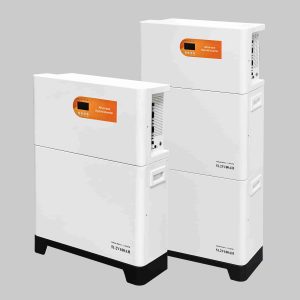
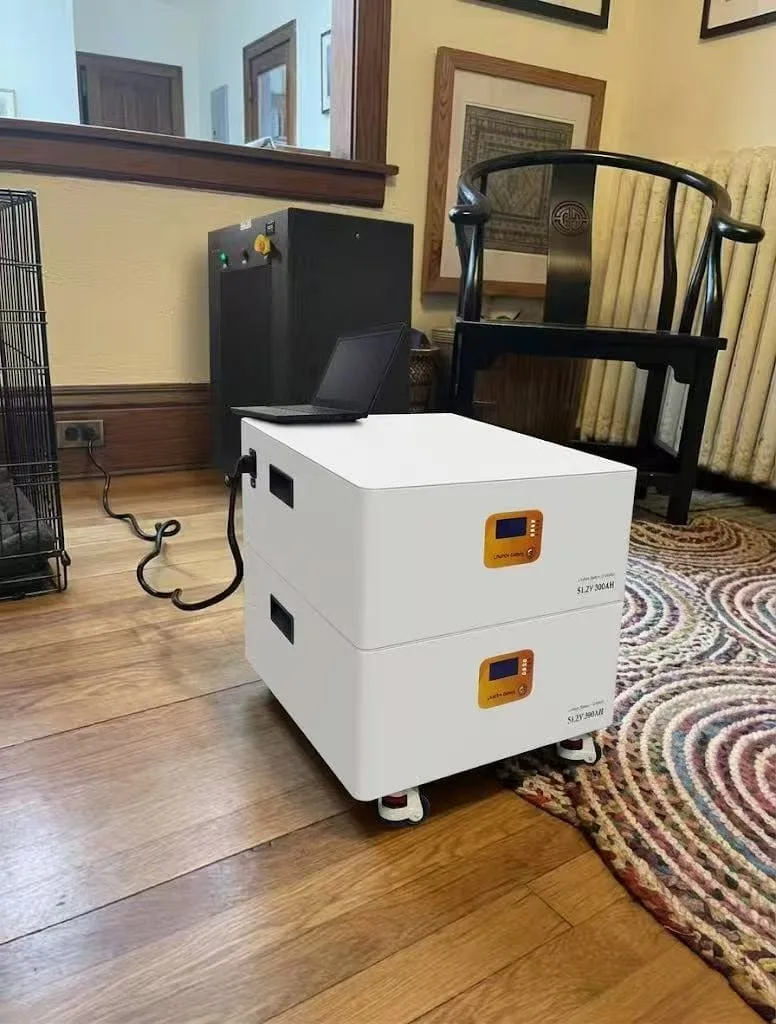
Although everyone is keen on discussing the 20kWh battery, in practical use, a fixed capacity is often not flexible enough. This is why stackable home batteries are becoming a trend, as their variability better meets the needs of our families:
- 15kWh Basic Tier: Suitable as a replacement for the traditional 10kWh battery. It offers 50% more electricity than 10kWh, ensuring that refrigerators and basic lighting can steadily last through the night.
- 30kWh Versatile Tier: This is an upgrade solution for 20kWh battery storage users. 30kWh allows us to confidently turn on central air conditioning during a power outage without worrying about exhausting the power in just a few hours.
- 45kWh Luxury Tier: Suitable for large residences, users with electric vehicle charging needs, or those living completely off-grid.
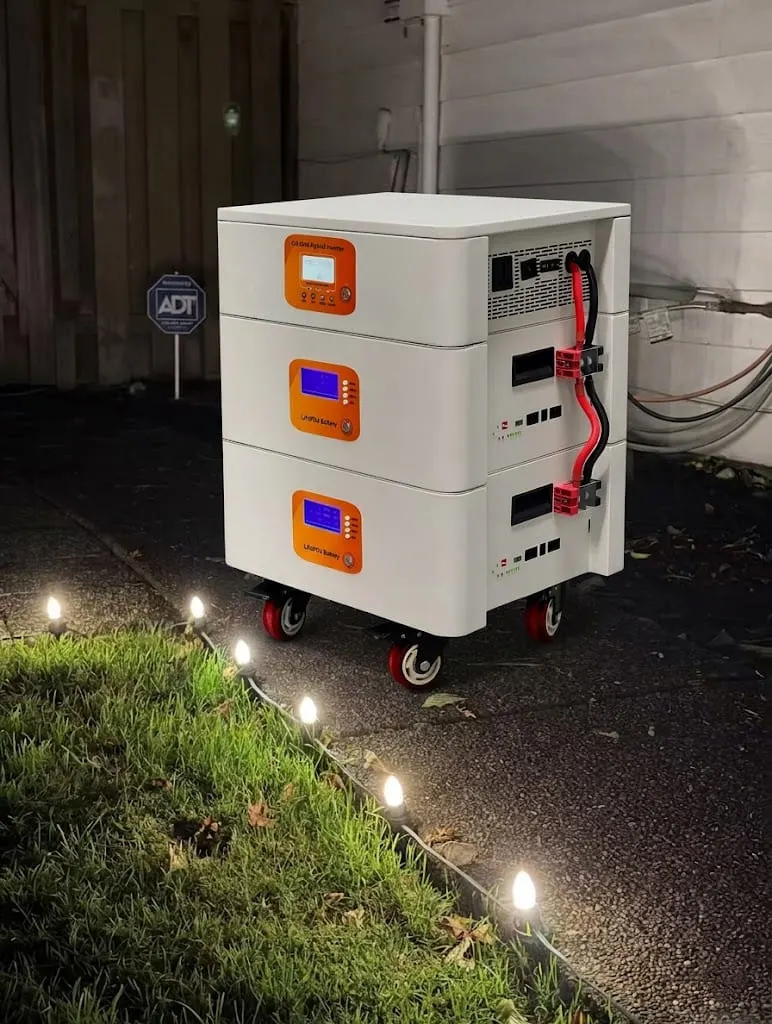
Advantages of stackable batteries: We don’t need to struggle with how large a system to buy all at once. You can start by buying a 15kWh basic module and then add modules at any time to upgrade to 30kWh or 45kWh according to your electricity needs. This “building block-like” upgrade method saves the massive expense of rehiring electricians for rewiring and replacing inverters.
Can a 30kWh stackable system handle central air conditioning?
When we discuss the topic of home battery backup systems, central air conditioning is widely considered a headache. It has long been regarded as a “power hog” and the “terminator” of backup batteries. Many users only discover after an actual power outage that 20kWh can only maintain air conditioning operation for a few hours, which is clearly insufficient during a scorching summer night.
This is why we upgraded the capacity to the 30kWh stackable tier. Below are the measured data based on a standard 2026 three-bedroom residence:
1.Surge Power
The instantaneous current when central air conditioning starts is extremely large. If the system is not equipped with a high-power hybrid inverter, no matter how large the battery is, it will be useless.
30kWh System Advantage: This level of stackable system is typically equipped with an inverter that supports high-rate discharge, which can easily handle the impact of a 3-ton air conditioner at the moment of startup without causing the system to crash or enter protection mode.
2.Duration
Assuming you are using a modern central air conditioner with a high SEER rating, the average hourly power consumption is approximately 2.5kW – 3.5kW (while the compressor is running).
20kWh Battery Performance: Deducting the basic load of the refrigerator, lights, and Wi-Fi at home (about 0.5kW), the remaining power is only enough to run the air conditioner continuously for about 5–6 hours. This means if the power goes out at midnight, we will be woken up by the heat at 6:00 AM.
30kWh Stackable System: Under the same load, 30kWh can provide approximately 8.5–10 hours of continuous cooling.
How to choose?
Taken together, a 20kWh battery system can indeed cover the basic electricity needs of most families of 3–5 people, satisfying the requirement for “energy balance.” However, fixed capacity often puts homeowners in a dilemma between initial installation costs and future redundancy. Compared to traditional large fixed batteries, stackable systems like 15kWh, 30kWh, and 45kWh provide “building block-like” flexibility, which not only effectively reduces the pressure of initial costs but also allows for upgrades at any time based on changes in family members or increases in power demand. Whether you are pursuing cost-effectiveness starting from 15kWh or directly choosing the 30kWh tier to guarantee air conditioning operation, an expandable stackable battery is the safer and more mainstream choice for future smart homes.
FAQ:
How long can a 20kWh battery run an air conditioner?
Taking a central air conditioner with a power consumption of 2.5kW as an example, a 20kWh pure battery can last approximately 6-8 hours (considering that the air conditioner will reduce its frequency once the set temperature is reached). If you want to run the air conditioner all night (over 12 hours), we recommend choosing a 30kWh or higher stackable tier.
What kills batteries faster?
Extremely high temperatures: Working in an environment above 40°C for a long time will shorten the life of the battery cells.
Long-term deep discharge: Always using the battery until it reaches 0% before recharging.
High-power continuous discharge: Allowing the battery to power ultra-high-power appliances under overload for long periods will lead to a decline in internal chemical performance.
What is the cost of a 20kw battery?
In the current market, the 20kWh lithium-ion battery price (for LiFePO4 battery cells/units) is typically around $7,000 to $10,000. If an all-in-one system with a built-in inverter is included, the overall 20kWh lithium-ion battery price may reach $12,000 – $15,000.
In comparison, a single Tesla Powerwall module has a capacity of approximately 13.5kWh. If you want to reach a total of over 20kWh, you usually need to purchase two units, which incurs extra installation fees and equipment premiums. Furthermore, the 20,000kWh solar system cost (referring to a system with matching annual power generation) for large-scale systems is typically a higher investment, but the long-term savings on electricity bills are also greater.
Note: If you plan to install a 20kW solar system with battery storage, the total investment may involve a 20,000kWh solar system cost (referring here to the cost of a system matched to annual power generation); such large-scale systems are typically suitable for users with large villas or small farms.