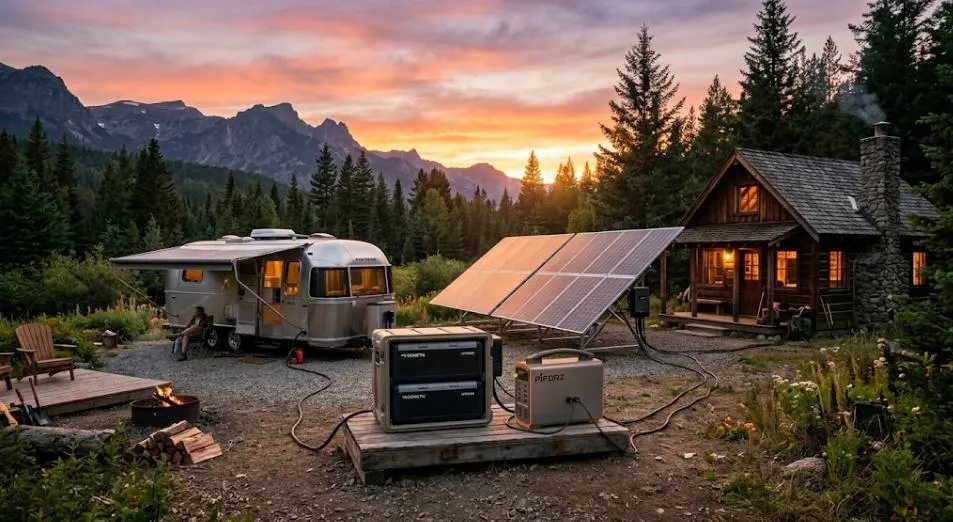

With rising electricity prices, increasing grid instability, and growing environmental awareness, the demand for renewable energy continues to climb year by year.Battery energy storage systems have become a focus for residential, business, and industrial users seeking reliable and efficient power supplies.
Many people only pay attention to price and basic specifications before purchasing but overlook how the system is actually designed. In reality, system performance, safety, and long-term return on investment depend heavily on its design. This article will break down battery energy storage system design in detail and provide valuable references for choosing the right solution.
1. What Is a Battery Energy Storage System
1.1 The Definition of BESS
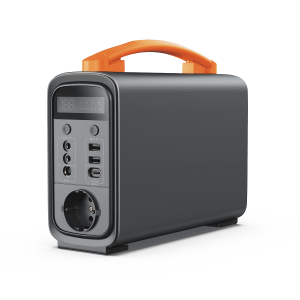
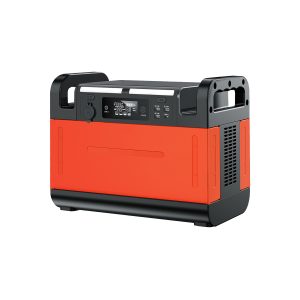
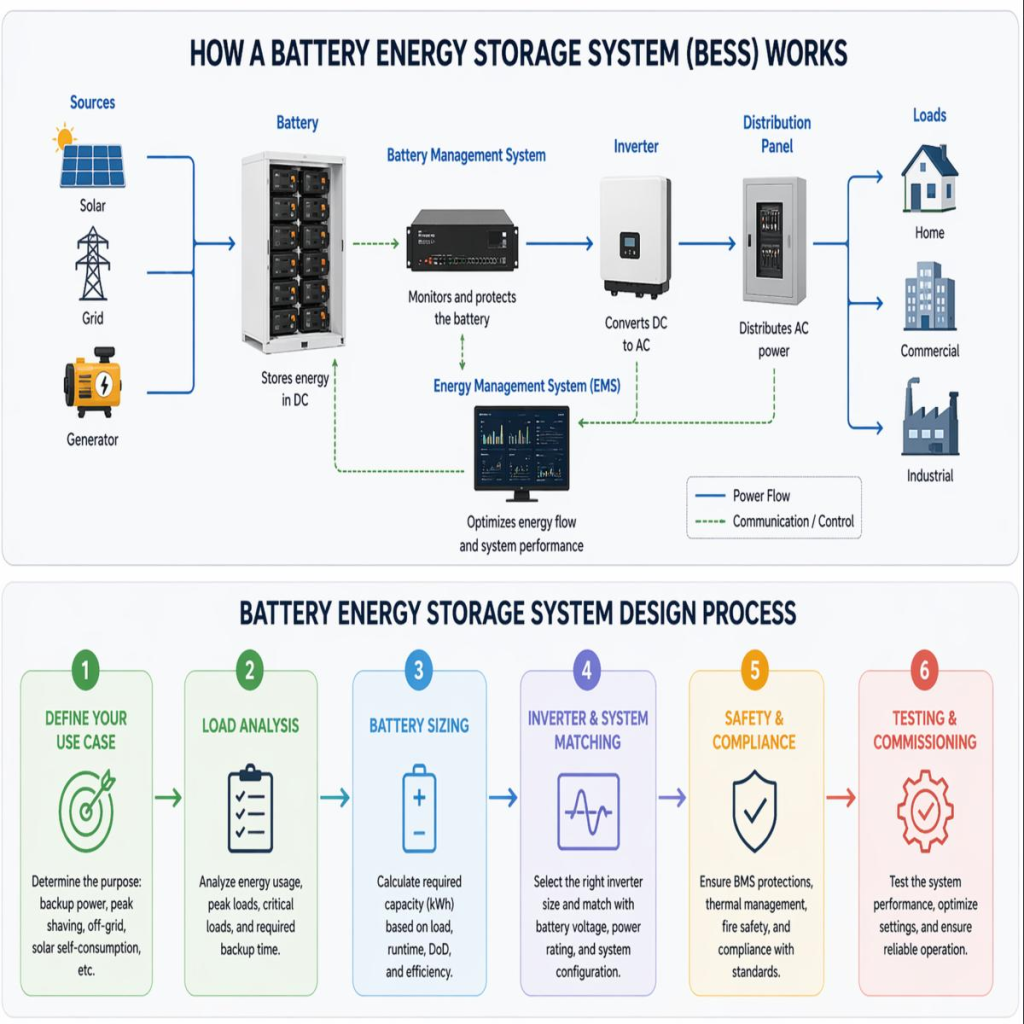
A battery energy storage system is an integrated solution that stores electrical energy in batteries and releases it when needed. It typically consists of battery modules, an inverter, a Battery Management System (BMS), an Energy Management System (EMS), and various safety mechanisms. It can provide stable power for devices in many different scenarios. It is also sometimes referred to as the ESS system.
1.2 types of battery energy storage systems
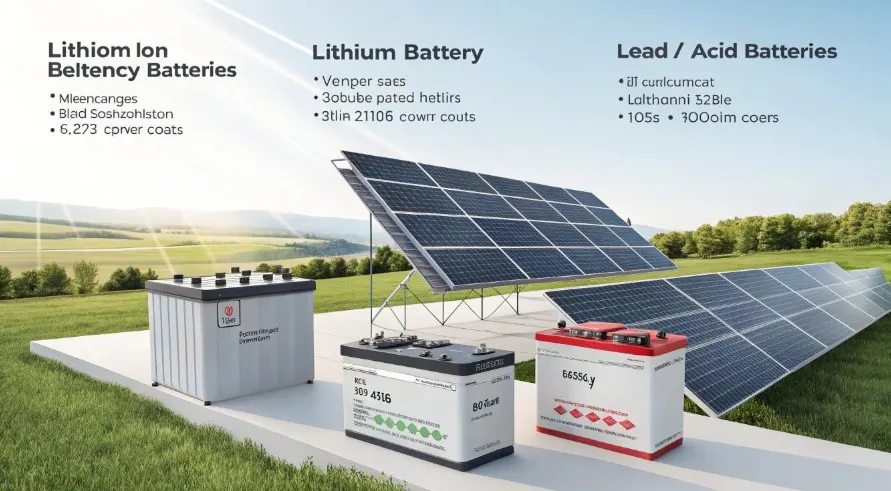
Various types of BESS are used worldwide, including:
- Lithium iron phosphate (LFP) batteries: Known for their stable chemistry, the highest safety, and long cycle life. Widely used in residential and commercial storage.
- Nickel manganese cobalt (NMC) lithium batteries: Offer higher energy density—meaning more energy in the same volume—but require advanced BMS protection due to higher thermal-runaway risk. Often used in EVs and some large-scale BESS projects.
- Lead-acid batteries: Lower upfront cost and low thermal-runaway risk, but shorter life and lower energy density. Suitable for applications sensitive to initial budget and not weight-sensitive.
Choosing the right battery type is a key step in BESS design because each one affects cost, performance, and maintenance requirements.
2. How a Battery Energy Storage System Works
A BESS stores energy when electricity supply is abundant or electricity prices are low, and releases it when demand increases.
The system receives electricity from solar panels or the grid, stores it as DC in the battery, and then the inverter converts the DC into AC for home or industrial loads. The EMS intelligently determines when to charge or discharge based on electricity price, demand, and system priorities.
3.How to design a battery energy storage system?
3.1 Define The Use Case
To have a good battery energy storage system design, it is essential to first define its purpose and the scenarios in which it will be used. Common applications include serving as home backup power, providing electricity to the entire household during grid outages so that daily life can continue normally even when the power goes out. It can also be used during periods of high electricity prices to reduce energy costs in commercial and industrial applications. In addition, it can supply power to remote areas, and because it can operate with solar energy, it enables off-grid regions to achieve continuous electricity supply even without grid access.
3.2 Load Analysis
This step is critical, as it determines how much power the system must deliver and for how long. We need to consider continuous load requirements, which represent the normal operating power of most electrical devices and directly determine the base battery capacity. We must also consider peak load demand, as some devices require a surge of power at startup; this determines the power rating of the inverter and the maximum discharge capability of the battery. In addition, duty cycle must be taken into account, meaning that some loads operate intermittently rather than continuously.
3.3 Battery Sizing
Battery capacity determines the system runtime. A simple formula is:
Battery capacity (kWh) = Load power (kW) × Required backup time (hours).
For example, a 2 kW load running for 10 hours requires 20 kWh of energy. However, designers must also consider factors such as depth of discharge, battery efficiency, and overall system losses.
Determining battery capacity is one of the most critical steps in BESS design because it directly impacts both cost and system performance.
3.4 Inverter & System Matching
After determining battery capacity, we must ensure that the inverter can deliver sufficient rated and peak power, and also consider whether grid connection is required. Key design considerations include ensuring that the inverter power rating is higher than the maximum load demand, and that the input voltage is compatible with the battery configuration. Finally, the system should be designed with appropriate AC or DC coupling depending on the solar system setup.
3.5 Safety & Compliance
A safe battery energy storage system design must include:
- A Battery Management System (BMS) to protect against overcharging, over-discharging, and short circuits
- Proper ventilation
- Fire suppression systems
- Compliance with relevant standards such as UL9540, UL9540A, and IEC 62933
- Isolation and grounding procedures
Safety is the top priority and must never be compromised, so it must be integrated into the design from the very beginning.
4. Hidden Design Challenges Most People Ignore
Even a good battery energy storage system design may overlook certain hidden challenges that affect performance and lifespan.
4.1 Thermal Management
Temperature directly affects battery efficiency and lifespan. Poor ventilation or high temperatures accelerate aging and increase fire risk. Thermal management keeps batteries between 15–35°C using air or liquid cooling. Good design includes active cooling/heating, temperature sensors, and smart thermal controls.
4.2 Battery Degradation & Cycle Life
All batteries degrade over time. Factors include depth of discharge, charge rate, and temperature. Designers must consider end-of-life capacity—typically assuming the battery will retain 70–80% of usable capacity after several years.
4.3 System Losses
Of course, any system in use will experience losses, and a battery energy storage system is no exception. The main sources of system losses include inverter conversion losses, cable resistance losses, EMS control losses, and temperature-related losses. Therefore, when designing a battery system, these factors must not be overlooked to ensure that the system can still meet its energy targets under real operating conditions.
4.4 Safety Risks
Thermal runaway refers to uncontrolled overheating. Although rare in high-quality LFP systems, the risk still exists. Good design includes fire-resistant enclosures, physical cell separation, thermal-runaway detection, and emergency shutdown protocols.
5. Battery Energy Storage System Advantages and Disadvantages
Now that we understand how to design a battery energy storage system and some of the hidden challenges, it is also important to have a complete overview of the system after it has been designed. What are its advantages and disadvantages?
5.1 Advantages
The main advantage of a battery energy storage system is energy independence. It allows users to generate and store electricity without relying on the grid. It can also reduce peak electricity costs and maximize the utilization of solar energy. In addition, it is a renewable energy solution and is environmentally friendly.
5.2 Disadvantages
However, everything has two sides. So what are the disadvantages of BESS?
The main drawbacks include high upfront investment costs, limited energy storage capacity, and performance degradation over time. In addition, if the system is designed independently, it requires engineering expertise and compliance with relevant regulations.
Real-World Applications
The value of BESS is best demonstrated through real-world use cases:
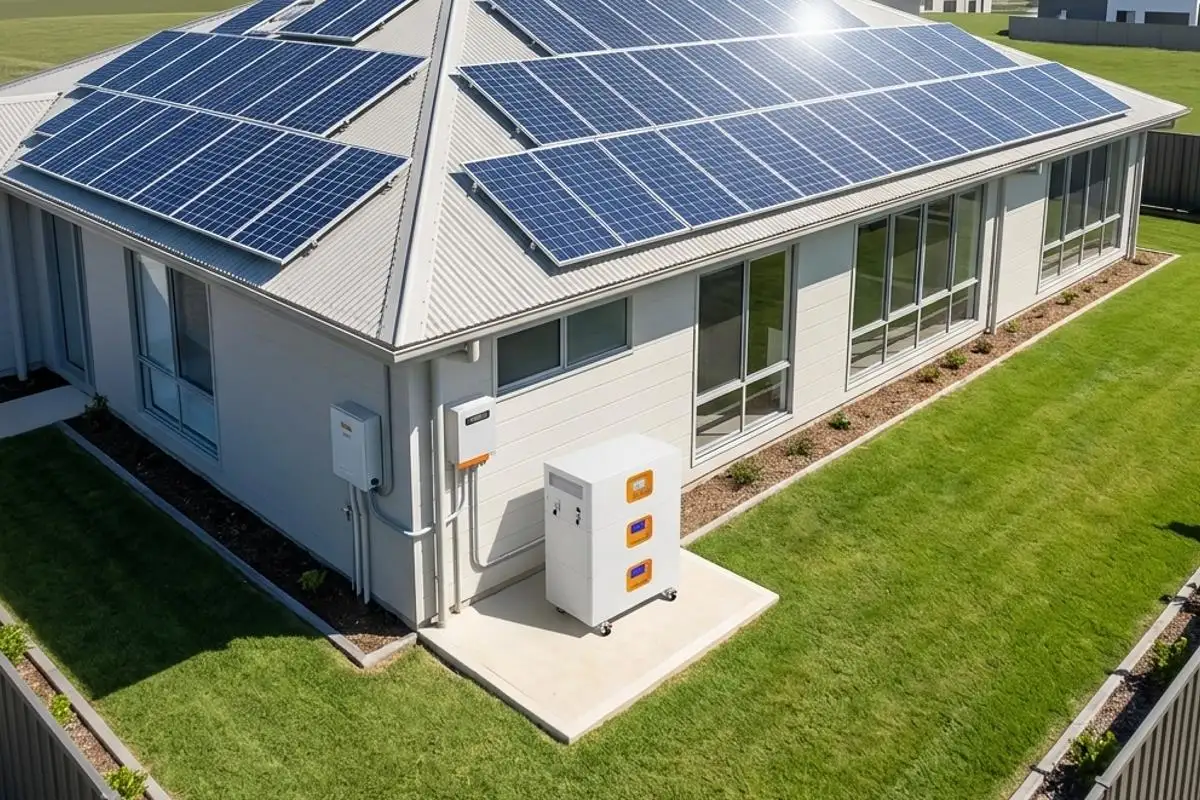
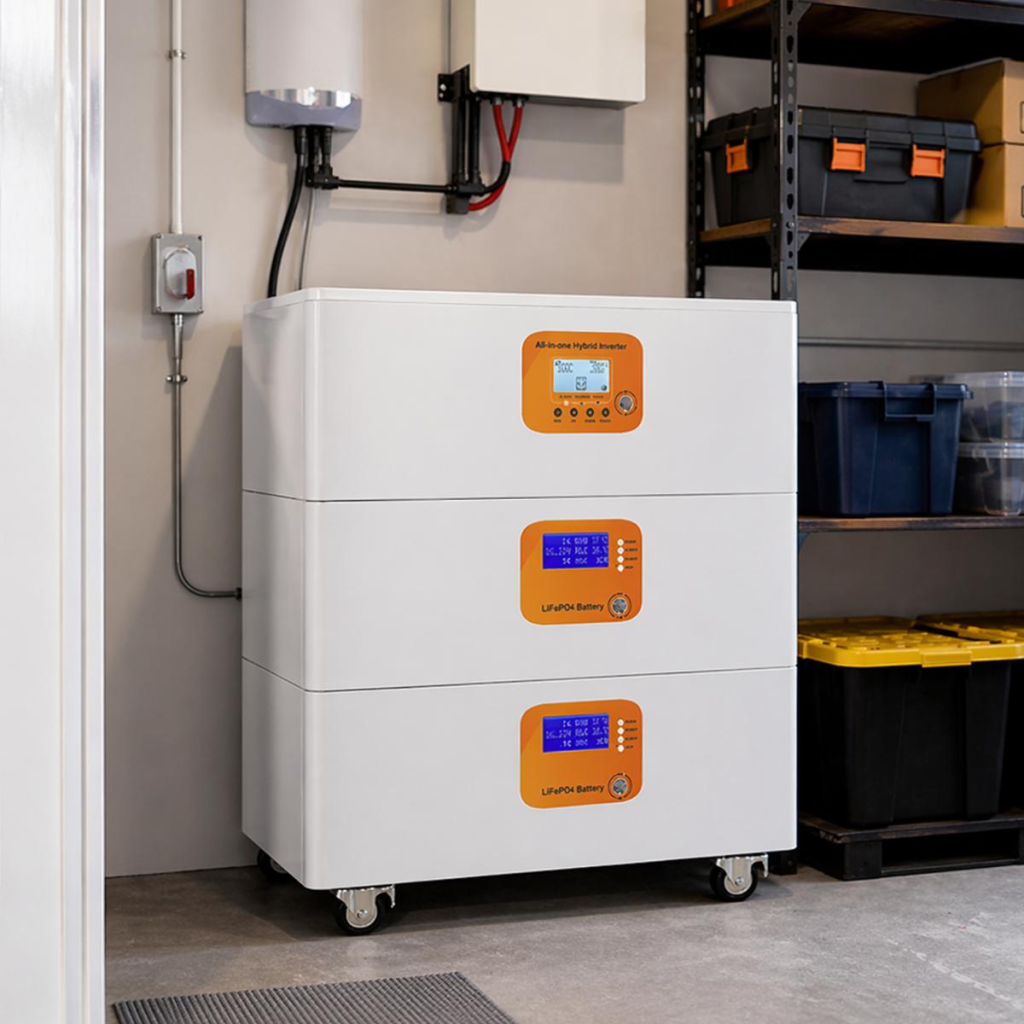
- The most common and practical use case is residential backup power. For typical households, it allows solar energy to be used for self-consumption—storing electricity generated during the day and using it at night, reducing reliance on high-cost grid electricity. In the event of a power outage, the system can automatically switch to backup mode, keeping essential appliances such as refrigerators, routers, and lighting running, ensuring normal daily life is not disrupted.
- In commercial and industrial applications, the main challenge is high electricity costs. With a battery energy storage system, stored energy can be used during large equipment startup or peak demand periods, reducing the load drawn from the grid and significantly lowering monthly electricity bills. It can also help stabilize voltage levels and prevent fluctuations caused by large machinery starting or stopping, which could otherwise impact production lines.
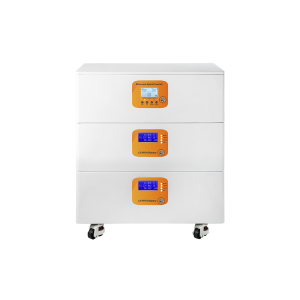
- For off-grid and remote areas, such a system is extremely practical. When combined with solar panels and sufficient battery capacity, and used efficiently, it can largely replace traditional fuel-powered generators. It is not only silent and environmentally friendly, but also capable of energy storage and year-round operation without relying on external fuel supply. In such cases, our energy storage series products are worth considering, as stackable battery systems allow users to expand capacity according to their specific needs.
7.Battery Energy Storage System Business Models
A BESS is not only a technology—it also represents various business models:
Peak shaving and valley filling: Reduce electricity bills by using battery power during high-cost periods. Helps both households and businesses.
Energy arbitrage: Buy/store energy when prices are low and use or sell it when prices increase. This requires grid-tie or hybrid inverters and proper permits. Although our products use off-grid inverters (not VPP-compatible), they are easier to deploy.
Virtual Power Plants (VPP): Individual home systems are too small to participate in grid services. But thousands of systems aggregated via cloud platforms can collectively act as a single power plant. Participation also requires grid-tie or hybrid inverters.
This article has not covered every detail, but it should help readers form a basic understanding of BESS design and make more informed decisions when choosing a system.
8.FAQ
Q: Why are people against BESS?
A: Some worry about safety risks, environmental impact, changes to community aesthetics, or simply lack understanding of the technology. In reality, proper design and compliance measures can address and reduce these concerns.
Q: What is the holy grail of battery technology?
A: Solid-state batteries are widely regarded as the “ultimate goal” in battery technology because they promise higher energy density, faster charging, longer cycle life, and improved safety compared to today’s lithium-ion batteries. However, high cost and manufacturing challenges remain barriers to large-scale commercialization.
Q: Can a BESS power a whole house?
A: Absolutely. A properly sized BESS can power an entire home, including refrigerators, lighting, Wi-Fi, and even HVAC systems.