I still remember when I first got into the home energy storage industry and learned about renewable energy. The picture in my head was always the same: a roof covered with solar panels, a huge battery mounted on the wall, and an oversized wind turbine standing in the backyard. And the moment I thought about a project that could easily cost tens of thousands of dollars, it just felt like far too much hassle.
Now, after five years in the residential battery manufacturing industry, I’ve had the chance to learn about all kinds of renewable energy solutions and design a wide range of systems for customers. The goal of this article is to walk you through the renewable energy options available for your home, with a focus on comparing their costs and helping you figure out which one is the best fit for your needs. That way, you’ll know how to choose the right solution to save money on your household energy bills.
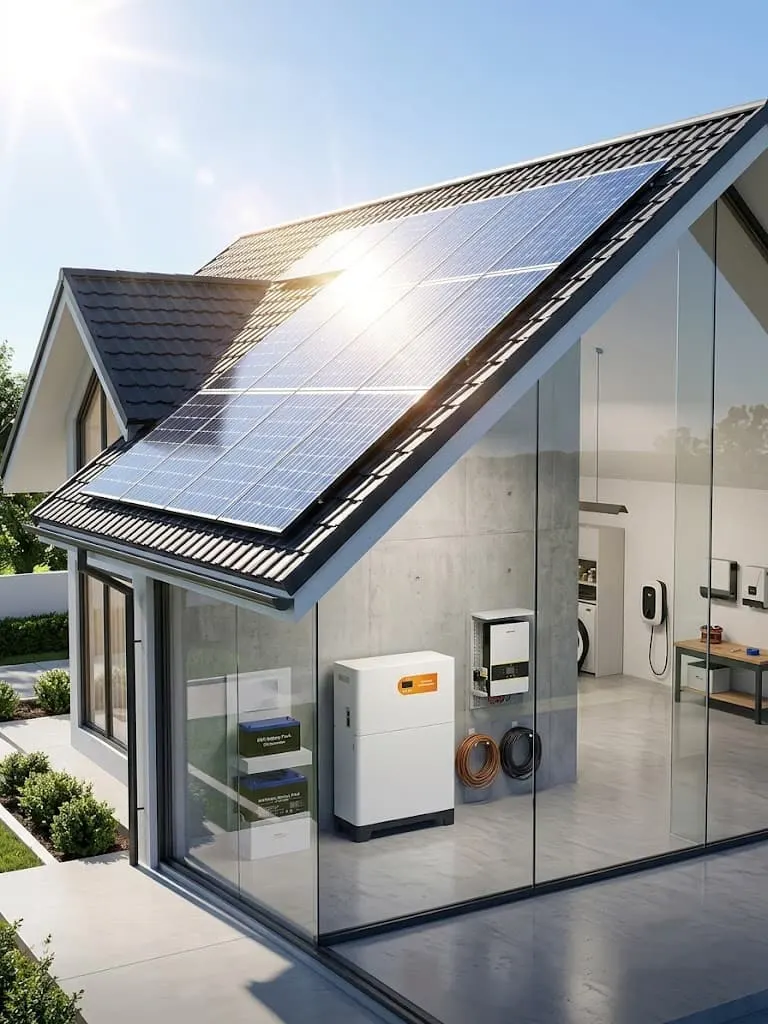
What Are the 8 Main Renewable Energy Options for Your Home?
1. Solar Panels + Battery Storage
Solar panels are one of the most popular upgrades for energy-efficient homes. Sunlight is the most widely available renewable energy source, and once your solar panels are installed, they start generating electricity whenever the sun is shining. That electricity can power everyday household appliances like your refrigerator and washing machine.
However, solar panels only produce electricity during the day when the sun is out. The problem is that this is also when most people are at work or away from home. If no one is there to use the electricity, much of it goes to waste. While some areas allow you to sell excess electricity back to the grid, you’ll end up buying electricity back from the grid at a much higher price when you get home in the evening.
So, how do you break out of this cycle?
The answer is to pair your solar panel system with a battery. A home battery stores the electricity your solar panels generate during the day, so when you get home in the evening and need to turn on the TV or air conditioner, you can simply use the energy you’ve already stored instead of buying it from the grid.
2. Solar Thermal Hot Water
In addition to generating electricity, solar energy’s thermal use is often underestimated—even though its heating efficiency can be more than three times higher than electricity generation.
By installing vacuum tube collectors or flat-plate solar thermal panels on the roof, water can be heated directly when the sun is shining. That means you can use solar-heated water for daily activities like showering and cooking.
After installing a solar water heater, the cost of water heating can typically be reduced by 50%–80% (according to the U.S. Department of Energy article “Estimating the Cost and Energy Efficiency of a Solar Water Heater”). For households with more people and higher hot water usage, this can be a real game-changer.
3. Daylighting Tubes
This system also relies on solar energy, but instead of generating electricity, it captures natural light.
A transparent dome is installed on the roof to collect sunlight. The light is then transferred through a reflective tube into rooms or basements, where it spreads across the ceiling like a powerful built-in light source, illuminating the space.
The entire process uses zero electricity and relies purely on physical light transmission. It is especially useful for windowless areas such as bathrooms, hallways, walk-in closets, basements, and storage rooms—places that would otherwise need artificial lighting even during the day.
Over time, the electricity savings can be quite significant.
However, this system is mainly an auxiliary lighting solution. It cannot function at night or during cloudy/rainy weather, so it is not suitable as a replacement for full-house lighting, but rather a supplement for daytime use.
4. Home Wind Power Generation
Wind power is another way to use renewable energy. But to be honest, it only really makes sense if you live in a very windy area and have enough open space to install a turbine.
Small residential wind turbines don’t generate that much electricity—usually just enough to cover basic needs like lighting or running a refrigerator. It’s more of a supplementary power source. Relying on it alone to consistently run high-demand appliances like air conditioners or washing machines is generally not realistic.
On top of that, wind turbines can create noise pollution and pose a risk to birds. In suburban areas, HOA (Homeowners Association) rules may even prohibit them, so it’s important to check local regulations in advance. In rural areas, coastal regions, or consistently windy locations, wind power can work as a supplement. But for most urban households, it’s usually not necessary—adding a couple more solar panels is often a more practical choice.
5. Biomass Heating
Biomass refers to agricultural and organic waste such as wood chips, sawdust, and crop residues. These materials can be burned to produce heat for home heating systems.
(This also brings to mind the traditional heated beds in Northeast China, where early heating methods relied on burning biomass—often even warmer and more comfortable than electric blankets.)
Biomass fuel and stoves are relatively inexpensive. The main drawback is that you need to transport the fuel yourself and clean out ash regularly. If you don’t mind the physical effort and maintenance, it can be a very cost-effective heating solution.
A note of caution: pellet stoves typically achieve 70%–85% efficiency (especially higher-end models with automatic feed and exhaust systems). However, combustion does produce small amounts of PM2.5 particles. If you live in an area with strict air quality regulations, you should check whether this type of heating is allowed. Also, carrying 50-pound bags of wood pellets can be physically demanding, especially for people with back issues.
6. Kitchen Waste
Kitchen waste fermentation can produce methane gas, which can then be used for cooking and water heating. For example, a company in Israel called HomeBiogas specializes in small-scale household biogas systems. In tropical and subtropical regions such as India, Brazil, and parts of Africa, household biogas systems are actually quite common.
Another simple and practical way to use kitchen waste is composting.
You can place banana peels, apple cores, coffee grounds, vegetable scraps, and similar organic waste into a bin, mix in some dry leaves, and after a few months it turns into a dark, earthy material. Yes, it doesn’t look or smell great—but it’s excellent for gardening and growing plants, and it can save money on fertilizer.
That said, this option is still quite niche and not suitable for everyone. If you have a yard, enjoy hands-on projects, and like experimenting with sustainable living, it can be a very interesting addition to your home energy and waste system.
7. Ground-Source / Air-Source Heat Pumps
Air-source heat pumps extract heat from outdoor air. They are relatively easy to install and more affordable. The downside is that their efficiency drops as the outdoor temperature gets lower.
Ground-source heat pumps, on the other hand, draw heat from the ground, where temperatures remain stable year-round. They require drilling wells or installing underground piping in your yard, so the upfront investment is much higher. The advantage is that, if the underground loop system is well maintained, it can last for decades, and the main unit can typically operate for 15 to 20 years.
However, this option is not suitable for everyone. Ground-source heat pumps are mainly a good fit for new homes or properties undergoing major renovations, where construction work is already underway. Air-source heat pumps, by contrast, have a much lower entry barrier and can be installed in most households—especially in warmer southern regions where they perform more efficiently.
At the system level, efficient heat transfer is also important for getting the most out of heat-based technologies, with heat exchangers commonly used to transfer thermal energy between different circuits.
8. Mini Hydropower
Mini hydropower works by building a small water intake system near a stream, channeling water through pipes, and directing it from a higher elevation to a lower one where a water turbine is installed. The flowing water spins the turbine, converting kinetic energy into mechanical energy, which is then turned into electricity by a generator. The electricity can be stored in a battery system and used whenever needed.
Of course, installation is relatively complex. It requires professional assessment and construction, and in many cases you may also need government permits for water usage and power generation.
But if you don’t have these conditions, there’s no need to feel discouraged. For most households, rooftop solar panels combined with a battery storage system remain the most practical and realistic renewable energy solution available today.
Estimated Costs and Payback Period
Take Texas electricity prices as an example, where the average rate is about 15.41 cents per kWh. (The higher your local electricity price, the shorter the payback period.)
Annual savings = Annual electricity generation × Local electricity price
Payback period = Initial installation cost ÷ Annual savings
To make a more intuitive comparison of the costs and payback periods of these options, I’ve created a simple reference estimate table:
| Renewable Energy Solution | Initial Cost (Estimate) | Annual Savings (Estimate) | Payback Period (Years) |
| Rooftop Solar + Battery Storage | $18,000 – $26,000 | $1,200 – $2,000 | 9 – 22 years |
| Solar Water Heating System | $4,000 – $7,000 | $300 – $450 | 9 – 23 years |
| Daylighting Tubes | $500 – $1,500 | $45 – $75 | 7 – 33 years |
| Small Wind Turbine | $15,000 – $25,000 | $1,000 – $1,500 | 10 – 25 years |
| Biomass Pellet Stove | $1,500 – $4,000 | $600 – $1,000 | 1.5 – 6.7 years |
| Kitchen Waste Composting / Biogas | $100 – $1,500 | $50 – $200 | 2 – 30 years |
| Ground-Source Heat Pump | $20,000 – $35,000 | $1,500 – $2,500 | 8 – 23 years |
| Micro Hydropower | $5,000 – $15,000 | $800 – $1,500 | 3 – 19 years |
| Air-Source Heat Pump | $4,000 – $7,000 | $450 – $1,000 | 4 – 16 years |
At this point, some people may have a question: doesn’t installing a solar system still qualify for the federal tax credit? Can that be included in the cost calculation?
What many people may not realize is that the 30% federal residential solar tax credit for “cash purchase” systems expired on December 31, 2025. In other words, if you install a solar system with a full upfront payment after January 1, 2026, you will no longer be eligible for this federal tax credit.
However, we can still look at current state-level solar incentive policies through the U.S. Energy Incentives Database: Massachusetts has the SMART program, South Carolina offers a 25% credit up to $35,000, and New York has the NYSERDA program. In addition, many states also provide property tax exemptions, sales tax exemptions, and other incentives.
How to Choose the Right Renewable Energy Solution for Your Home
Since every household is different in terms of location and living conditions, we need to evaluate each case individually. Below are my recommendations based on different home environments (for reference only):
| If your home is: | Primary option | Secondary option | Backup option |
| Rural self-built house, open flame allowed | Biomass pellet stove for heating | Balcony solar (for charging phones/fans) | Kitchen waste composting (saves on fertilizer) |
| Urban apartment or rental home | Balcony solar + portable power station | / | Home energy storage battery |
| Standalone house with yard and roof space | Rooftop solar + battery storage | Solar water heater | Daylighting tubes (saves daytime lighting costs) |
| Newly built luxury home | Ground-source heat pump | Rooftop solar | Large-capacity energy storage system (whole-home backup power) |
| Remote standalone home, windy area | Small wind turbine + battery storage | Biomass stove heating | Kitchen waste biogas system |
| Waterfront home with a stream nearby | Micro hydropower system | Battery storage | Rooftop solar |
What is the best renewable energy source for your home?
After we’ve gone through the eight major approaches to residential renewable energy and their costs, you might be wondering: what’s actually the best option? Is there a one-size-fits-all solution you can just copy and use?
From the perspective of the most universally applicable setup, I would say that rooftop solar photovoltaic systems combined with energy storage batteries are the most suitable solution for the majority of households. Here’s why:
- Solar PV technology has been developing for more than 70 years—from the first practical monocrystalline silicon solar cell successfully developed at Bell Labs in the United States in 1954 up to today. The technology is now highly mature, and installers are widely available almost everywhere.
- It has the broadest applicability. As long as your home has a roof suitable for installing solar panels, it can work. Sunlight is available almost everywhere, making solar energy very easy to access and use.
- Costs have been steadily decreasing, especially with the rise of the energy storage industry. Battery performance keeps improving, and the payback period is getting shorter and shorter.
- Energy storage batteries are becoming increasingly integrated with photovoltaic systems. From power generation, to storage, to consumption, household electricity use is becoming much more flexible and independent.
When it comes to energy storage batteries, my professional instincts kick in again. After so many years working in the residential energy storage battery manufacturing industry, I’d like to share some practical advice. No matter which brand you’re planning to buy, when choosing an energy storage battery, don’t just take marketing claims at face value. Instead, you should look closely at these core, hard technical specifications:
1.Whether the battery’s UPS switching time is less than 10 milliseconds:
I believe many households that install solar + energy storage systems do so with the goal of achieving off-grid or semi off-grid operation. In this setup, many home appliances and sensitive devices rely entirely on the system’s power supply. Here’s where a common misconception comes in: some storage battery brands only achieve a UPS switching time of ≤20ms, but their marketing may still claim this is sufficient to keep the entire home running seamlessly during a power outage.
In reality, for devices like lighting fixtures, electric kettles, refrigerators, and air conditioners, a 20ms transfer time is usually acceptable. However, for more delicate electronics such as desktop computers, routers, and home medical devices like CPAP machines, even a brief power interruption can lead to data loss or potential damage. These types of equipment typically require a UPS switching time of less than 10ms to ensure safety and stability.
Before choosing an energy storage battery, you should carefully check the “transfer time” specification in the product manual or technical datasheet, and confirm whether the UPS switching time is under 10 milliseconds.
For example, in the product specifications on our Piforz, it clearly states PC mode: 10ms / appliance mode: 20ms. This means both scenarios are supported—during a power outage, sensitive electronics won’t lose data or get damaged, while general household appliances will continue running without interruption.
2.Batery cycle life:
This concept is actually very simple—the higher the number of charge-discharge cycles a battery can handle, the longer its usable lifespan.
At this point, we have to talk about the most common battery types on the market today: lead-acid batteries, NMC (ternary lithium) batteries, and LiFePO4 (lithium iron phosphate) batteries. There are significant differences in cycle life among these three types.
| Battery type | Cycle life (DOD ≤ 80%) | Estimated service life |
| Lead-acid battery | 300–500 cycles | 2–3 years |
| NMC (ternary lithium) battery | 800–2000 cycles | 5–8 years |
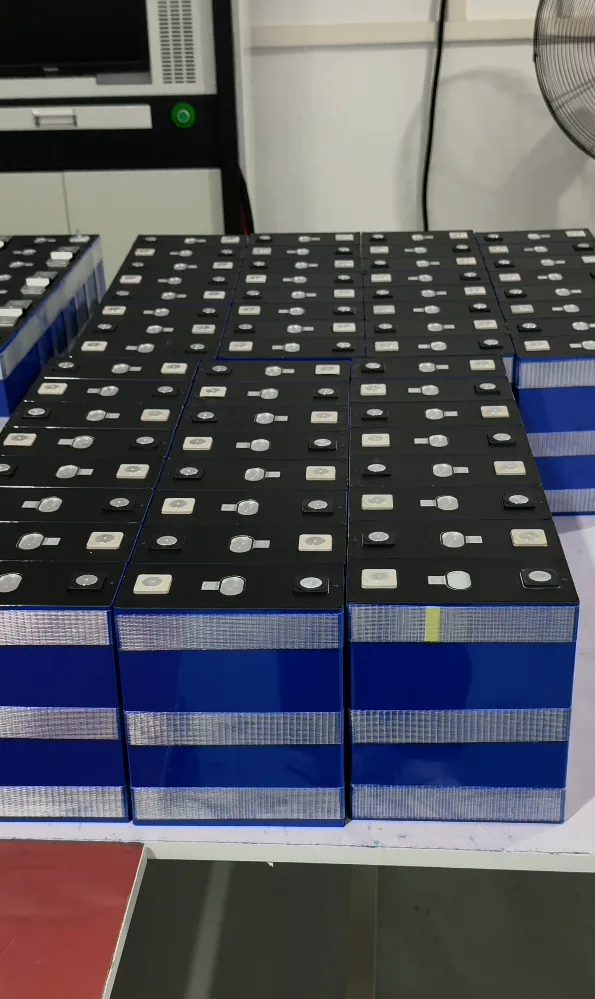
| LiFePO₄ (lithium iron phosphate) battery | 3000–6000+ cycles | 8–10 years, with some reaching up to 15 years |
Among these three battery types, LiFePO₄ (lithium iron phosphate) is now the most widely used in residential energy storage systems. Major brands such as EcoFlow and Jackery mainly use LiFePO₄ cells in their flagship product lines.
It is also worth noting that Piforz residential energy storage batteries offer higher cycle performance. Under a DOD ≤ 80% condition, the cycle life can reach up to 10,000 cycles; even at DOD ≤ 90%, the cycle life can still reach 6,000 cycles.
3.Whether the battery capacity is expandable:
According to our after-sales data, we’ve found through communication with many customers in the Americas that a common concern keeps coming up: buying a battery that’s too large feels wasteful, but buying one that’s too small raises the worry that it may not be able to handle future upgrades when more high-power appliances are added at home.
This is indeed a real issue. Many products on the market are fixed-capacity systems (including some of our Piforz products as well). For example, a system labeled as 10kWh is strictly 10kWh. At the time of purchase, it may be sufficient for a household’s current electricity needs. But later, if you add two air conditioners or a heating system, the power demand and energy consumption can easily increase by more than 50%, and you may suddenly find that the battery drains very quickly—or even cannot support those appliances at all.
At that point, replacing the entire system with a larger one would mean the previous investment is basically wasted.
That’s why my advice here is: when choosing a battery, always check whether it supports future expansion and how complex the installation process is.
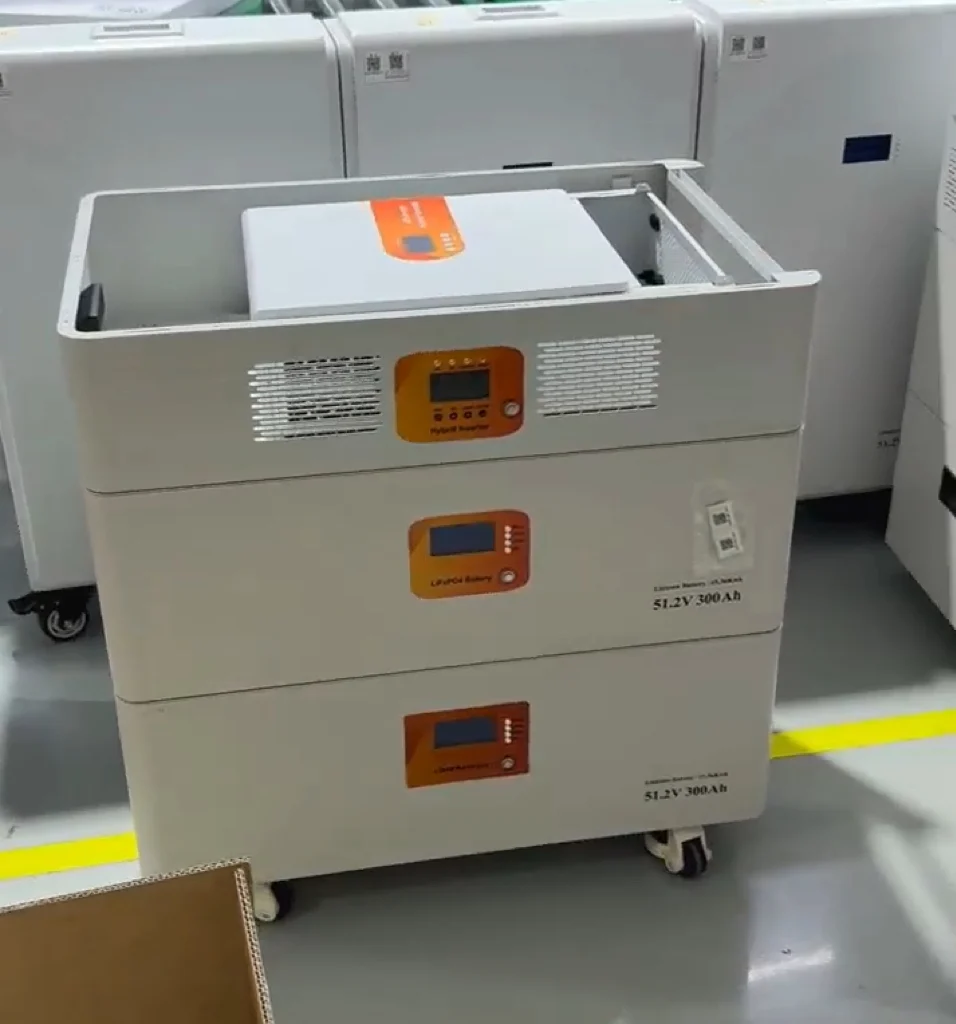
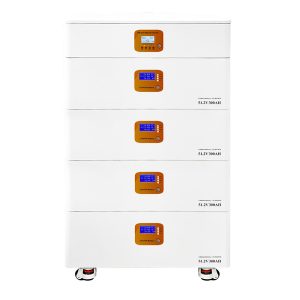
For example, a system like the Piforz ESS 15kWh allows you to start with a single 15kWh unit when your energy demand or budget is limited, which is already enough to cover basic household electricity use. Later, when your home adds more appliances or even an EV increases your electricity consumption, you can simply add another battery module of the same series and stack it on top—the capacity doubles immediately.
No battery replacement. No system reinstallation. No wasted previous investment.
After all, the goal behind every decision you make is the same: a more secure, more convenient life in the future.