If you’re considering installing a solar power system, choosing the right battery will likely be one of the first major decisions you’ll face. In this article, we’ll walk you through everything you need to know about choosing the best battery for a solar system, helping you avoid common mistakes and make a smarter investment.
What Is the Best Battery for Home Solar Backup Systems?
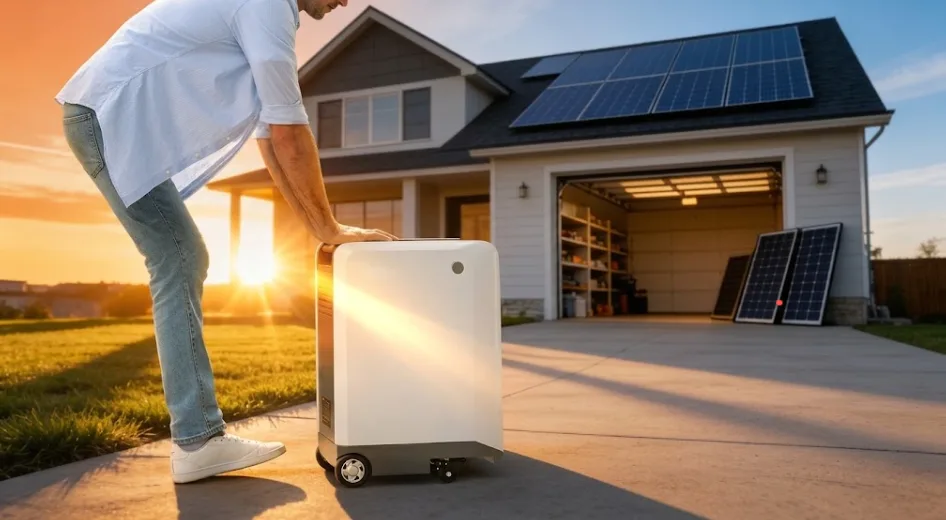
For homeowners, the main reasons for installing a solar battery system are to provide backup power during outages, reduce electricity costs through peak shaving, or store solar energy instead of relying on the grid when electricity prices are high. The best battery for a home solar backup system should have the following features:
Fast Backup Switching
When the grid goes down, your home’s lights should stay on without noticeable flickering, and sensitive devices such as computers should continue running without shutting down.
Deep Cycle Life & High Depth of Discharge (DoD)
In many regions, electricity is significantly more expensive during peak hours. Since a home battery may be charged and discharged every day, it should offer a long cycle life and a high depth of discharge (DoD) to withstand frequent daily use.
Modular Expandability
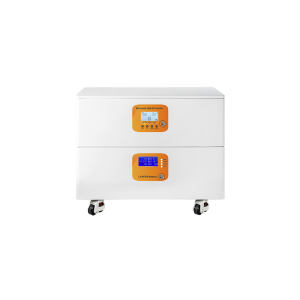
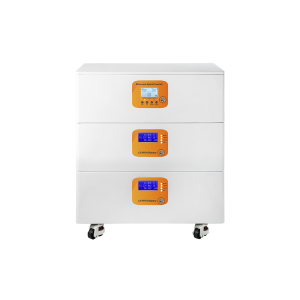
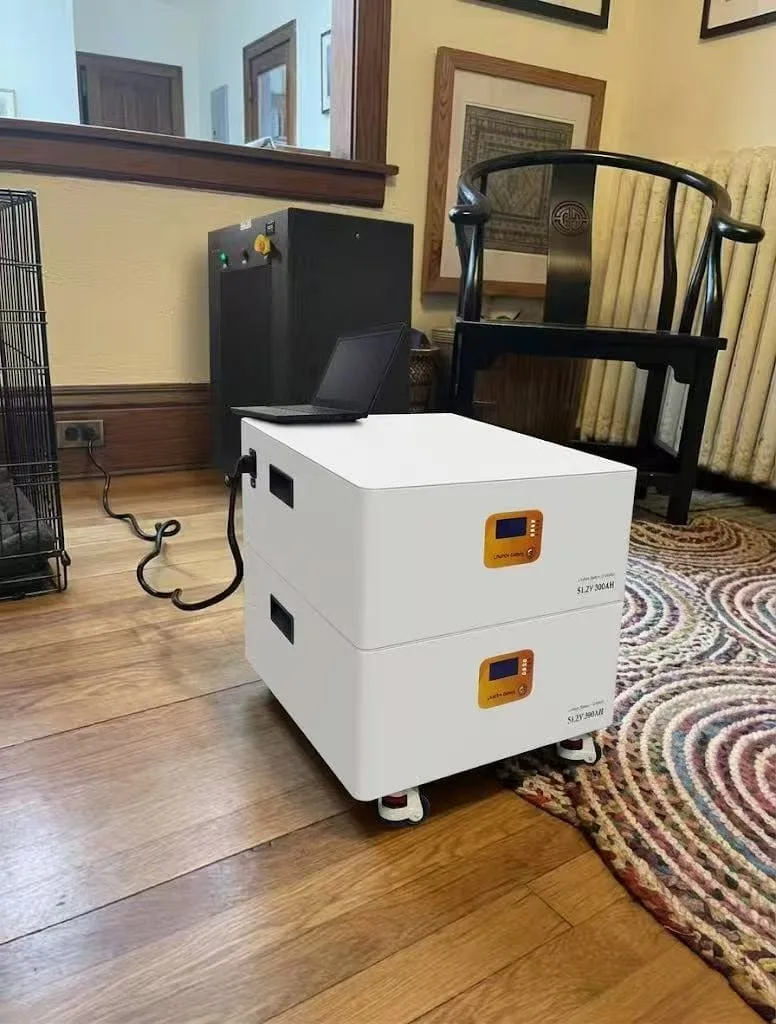
If you’re on a limited budget, you can start with a single battery. As your household electricity demand grows—for example, after purchasing an EV or switching to a heat pump—you can simply add more battery modules. A modular energy storage system provides the flexibility to expand without replacing your existing setup.
Space-Saving & Stackable Design
After all, no one wants their home filled with oversized industrial battery cabinets. A compact, stackable design makes the system much easier to fit into garages, utility rooms, or other residential spaces.
Off Grid Solar System Batteries:How to Choose the Best Batteries for Off-Grid Solar Systems
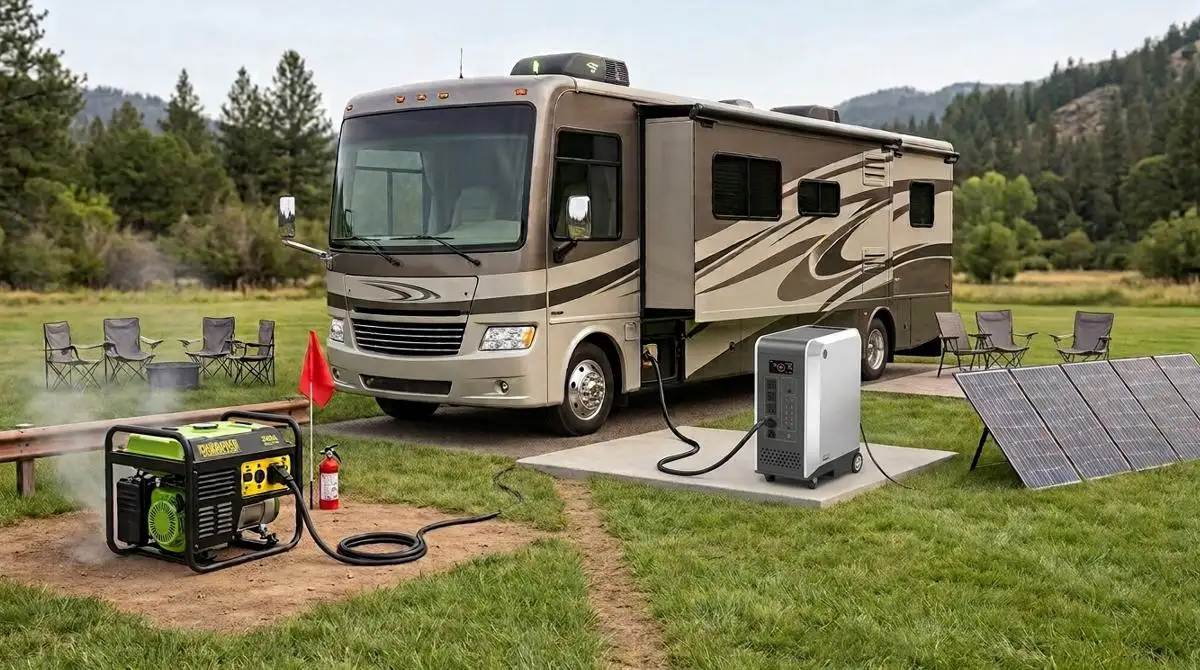
For RV owners, cabins, and remote off-grid homes, solar panels and batteries are the only source of electricity. If the system fails, the consequences can be serious—your home goes dark, food in the refrigerator spoils, and you may even lose your heating during cold weather. So, how should you choose the right off-grid solar battery? The key to whether an off-grid solar system can reliably handle your refrigerator, air conditioner, and water pump running at the same time comes down to several battery specifications—whether the continuous discharge current is high enough, whether it can charge safely in winter, and whether it can withstand occasional deep discharges without failing.
The best battery for an off-grid solar system should have the following characteristics:
High Continuous Discharge Current & Surge Power
One of the biggest mistakes people make when building an off-grid system is focusing only on battery capacity (kWh) while ignoring continuous output power.
For example, you may have a 12kW inverter, but if it’s paired with just a standard 15kWh battery, running a well pump, microwave, and air conditioner at the same time could cause the battery to hit its output limit and shut down to protect itself.
Off-grid batteries should either have a high C-rate (charge/discharge rate) or be connected in parallel with enough battery modules to handle large surge currents safely.
Extreme Weather Resistance & Built-in Low-Temperature Charging Protection
Safety is one of the highest priorities in off-grid living. Battery fire is a risk that cannot be ignored, as it can quickly become a serious emergency.
A quality off-grid battery should provide excellent thermal stability, reliable operation in harsh environments, and built-in low-temperature charging protection to help prevent battery damage in cold weather.
Deep Discharge Recovery with LiFePO4 & Smart BMS
Extended periods of cloudy weather are unavoidable. In some cases, you may go two weeks or more with very little sunshine, making deep battery discharge a real possibility.
With lead-acid batteries, accidentally discharging the battery completely several times can permanently damage the battery bank.
By comparison, LiFePO4 batteries paired with a reliable Battery Management System (BMS) are much more forgiving. Even if the battery is occasionally discharged to a very low level, simply recharging it once sunlight returns generally has little long-term impact.
Low-Temperature Charging Protection:Why Off Grid Solar System Batteries Need Built-in Low-Temperature Protection
In an off-grid system, batteries are often installed in garages, basements, or outdoor storage areas, where temperatures can easily drop below 0°C in winter. One of the biggest physical limitations of LiFePO4 batteries is that they should not be charged below freezing.
Without built-in low-temperature protection, the battery management system (BMS) may not automatically detect unsafe temperatures. If you see that your solar panels are producing power in winter and start charging the battery directly, lithium plating can occur inside the battery as soon as the charging current enters the cells. This can cause permanent capacity loss and, in severe cases, lead to lithium dendrite growth that can penetrate the separator, resulting in an internal short circuit and potentially even a fire.
That is why a reliable off-grid battery should have built-in low-temperature charging protection. When the BMS detects that the cell temperature has dropped below 0°C, it automatically cuts off the charging circuit and only allows charging again once the temperature rises back into a safe range (typically above 5°C).
| Feature / Scenario | Home Solar Backup (Grid-Tied) | Off-Grid Solar Power (Cabin / RV) |
| Primary Goal | Outage protection & Peak shaving | 100% Continuous power independence |
| Typical Capacity | 10kWh – 30kWh+ | 5kWh – 15kWh+ |
| Key Requirement | High cycle life & Sub-10ms UPS | Strong surge output & Weather protection |
| Best Battery Tech | LiFePO4 (Stackable Wall-Mounted) | LiFePO4 (Heavy Duty Battery Packs) |
What Types of Solar Batteries Are There?
We need to understand what types of solar batteries are available, and what their respective advantages and disadvantages are. A clear understanding of how to use these batteries—and their precautions—can help us operate solar power systems more safely and efficiently.
1. Lead-Acid Solar Batteries
Advantages:
Low cost and low initial investment. This technology has been around since the 19th century and is well-established and mature.
Disadvantages:
Short lifespan, heavy weight, large physical size, and not suitable for deep discharge.
Usage Notes:
Avoid deep discharging and prolonged low-charge states. Keep good ventilation and perform regular maintenance, especially for flooded lead-acid batteries. Also be mindful of their heavy weight and sensitivity to high temperatures.
2. Lithium-Ion Solar Batteries
Lithium-ion solar batteries are a broad category, including chemistries such as NMC and LiFePO₄.
Advantages:
High energy density, fast charging, lightweight design, long cycle life, and support for deep discharge.
Disadvantages:
Higher cost and require a Battery Management System (BMS).
Usage Notes:
Must be used with a reliable BMS. Avoid high temperatures, overcharging, over-discharging, and incompatible charging equipment. When connecting multiple custom lithium ion battery modules in parallel,ensure all units have consistent specifications.
3. Flow Batteries
Advantages:
Highly scalable, supports deep discharge, long cycle life, and generates minimal heat during operation.
Disadvantages:
High manufacturing cost, large physical footprint, and the electrolytes can be corrosive and toxic.
Usage Notes:
Due to their large system size and corrosive electrolytes, professional installation and regular maintenance are required. They are better suited for stationary, large-scale energy storage applications.
4. Saltwater Batteries
Advantages:
Environmentally friendly, non-toxic, and non-flammable.
Disadvantages:
Low energy density, bulky size, relatively high cost, and limited market maturity with less research support.
Usage Notes:
Although safe and eco-friendly, they require significant installation space due to low energy density. Compatibility with existing systems and long-term maintenance support should be confirmed in advance.
Off Grid Battery Storage:Which Battery Is Best for Solar Systems?
To help you choose the right energy storage solution, we evaluated the three major battery technologies most commonly used in home solar backup systems and off-grid solar installations: Lead-Acid, NMC (Nickel Manganese Cobalt Lithium), and LiFePO4 (Lithium Iron Phosphate).
| Feature | Lead-Acid | NMC (Nickel Manganese Cobalt) | LiFePO4 (Lithium Iron Phosphate) |
| Typical Form Factor | Large lead-acid battery bank | Compact, portable battery packs | Modular wall-mounted or stackable battery systems |
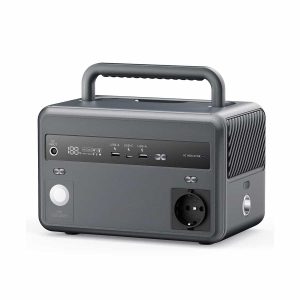
| Cycle Life (80% DoD) | 300-500 cycles | 1,000-2,000 cycles (some NMC cells used in portable power stations may provide only 500-1,000 cycles; always refer to the manufacturer’s tested specifications) | 3,500+ cycles (10+ years of service life) |
| Usable Depth of Discharge (DoD) | About 50% (recommended maximum) | 80-90% | 90-100% |
| High-Temperature Safety (50°C / 122°F) | High temperatures accelerate electrolyte degradation and reduce capacity | Higher risk of thermal runaway under high temperatures | Excellent thermal stability with outstanding fire resistance |
| Low-Temperature Charging Protection | Charging efficiency decreases in cold weather, but lead-acid batteries generally tolerate charging better. The real risk occurs when a deeply discharged battery freezes, which can crack the battery case. | Charging below 0°C (32°F) without BMS protection can cause lithium plating and irreversible capacity loss. Low-temperature charging protection through the BMS is essential. | Same charging limitation as NMC, requiring BMS protection below freezing, but LiFePO4 generally offers a wider operating temperature range (for example, discharging from -20°C to 60°C / -4°F to 140°F). |
| Recovery from Over-Discharge | One or two deep discharges may cause irreversible sulfation damage | After BMS protection is triggered, the battery may require specialized equipment to reactivate | Smart BMS provides excellent recovery capability, making accidental over-discharge much less likely to cause permanent damage |
| Best Applications | Basic off-grid systems with extremely limited budgets where weight and size are not major concerns | Portable energy storage applications where lightweight design is a priority | Home solar energy storage, off-grid systems, and applications requiring daily charge and discharge cycles |
Summary
Lead-acid batteries:
Lead-acid batteries have the lowest upfront cost, but they are heavy and have a relatively short cycle life. They are best suited for basic off-grid systems where weight and space are not important and the budget is extremely limited. In cold weather, the biggest concern is not charging damage, but rather the electrolyte freezing when the battery is left in a deeply discharged state. Keeping the battery adequately charged is one of the best ways to maximize its lifespan.
NMC (Nickel Manganese Cobalt) batteries:
NMC batteries offer high energy density and low weight, making them ideal for portable power applications. However, they generally have a shorter cycle life and lower long-term thermal stability than LiFePO4 batteries. They also age more quickly under frequent deep discharges or prolonged exposure to high temperatures. Like LiFePO4 batteries, they should never be charged below 0°C (32°F) without proper BMS protection.
LiFePO4 batteries:
LiFePO4 is the best overall choice for solar energy storage. With 3,500+ charge cycles, greater usable capacity, excellent thermal stability, and a wider operating temperature range, it is the ideal long-term investment for both home solar backup systems and off-grid solar installations. Although LiFePO4 batteries require the same low-temperature charging precautions as NMC batteries, they generally offer greater durability and a larger safety margin in real-world applications.
2026 Cost Breakdown: Best Solar Battery Backup System for Home Cost
Of course. When considering installing a solar system, it’s important to budget costs in advance. The total cost of a home-optimized solar battery backup system is composed of hardware equipment, installation expenses, and long-term operating costs.
1. Hardware Equipment
Battery pack: Taking lithium iron phosphate (LiFePO4) batteries as an example, a typical household usually requires 5 kWh to 20 kWh of storage capacity. The market price is approximately $300–$700 per kWh (excluding installation).
Energy storage inverter: If adding storage to an existing solar system, an additional AC-coupled inverter may be required. The market price ranges from $1,500 to $3,500.
BMS and MPPT: These are usually built into the battery system. They monitor voltage and current, balance cells, and protect the battery from overcharging or over-discharging.
2. Installation Costs
Installation labor: Costs depend on local labor rates and installation complexity, typically ranging from $1,500 to $3,500.
Permits and grid interconnection: Local building and fire departments often require strict safety inspections for residential solar storage systems. In addition, utility interconnection approval is required for legal grid connection. These fees are usually around $500–$1,500.
3. Long-term Operation
Maintenance costs: Lithium battery systems are essentially maintenance-free. You only need to keep the environment dry, ventilated, and avoid extreme conditions.
Replacement costs: LiFePO4 batteries typically last 10–15 years, meaning a replacement budget may be needed after that period.
Note: The above figures are for reference only. Final budgeting should be based on local regulations and conditions. In some regions, policy incentives are available. For example, in the United States, under the Inflation Reduction Act (IRA), homeowners installing solar battery backup systems can receive a 30% federal tax credit (Residential Clean Energy Credit), which directly reduces the total cost by thousands of dollars. However, this incentive is no longer in effect in 2026. Many utilities also offer “Virtual Power Plant (VPP)” programs, allowing users to sell stored energy back to the grid during peak demand periods.
A few important things are worth pointing out here:
I think it’s necessary to correct a common misconception. You’ll often see this question online: “Which is better, LiFePO₄ or lithium battery?”
First, “lithium battery” is a broad category that includes many different chemistries. Among them, ternary lithium (NMC) batteries and lithium iron phosphate (LiFePO₄) batteries are both part of this family.
So I believe what people are really asking is: “Which is better, ternary lithium or LiFePO₄?”Based on my practical experience, the answer is that LiFePO₄ batteries are more suitable for daily home energy storage, RV off-grid systems, and long-term camping backup power.
If you are unsure which model to choose, you can leave a comment below with your approximate daily electricity consumption (kWh) and your main goal. We are happy to help you.