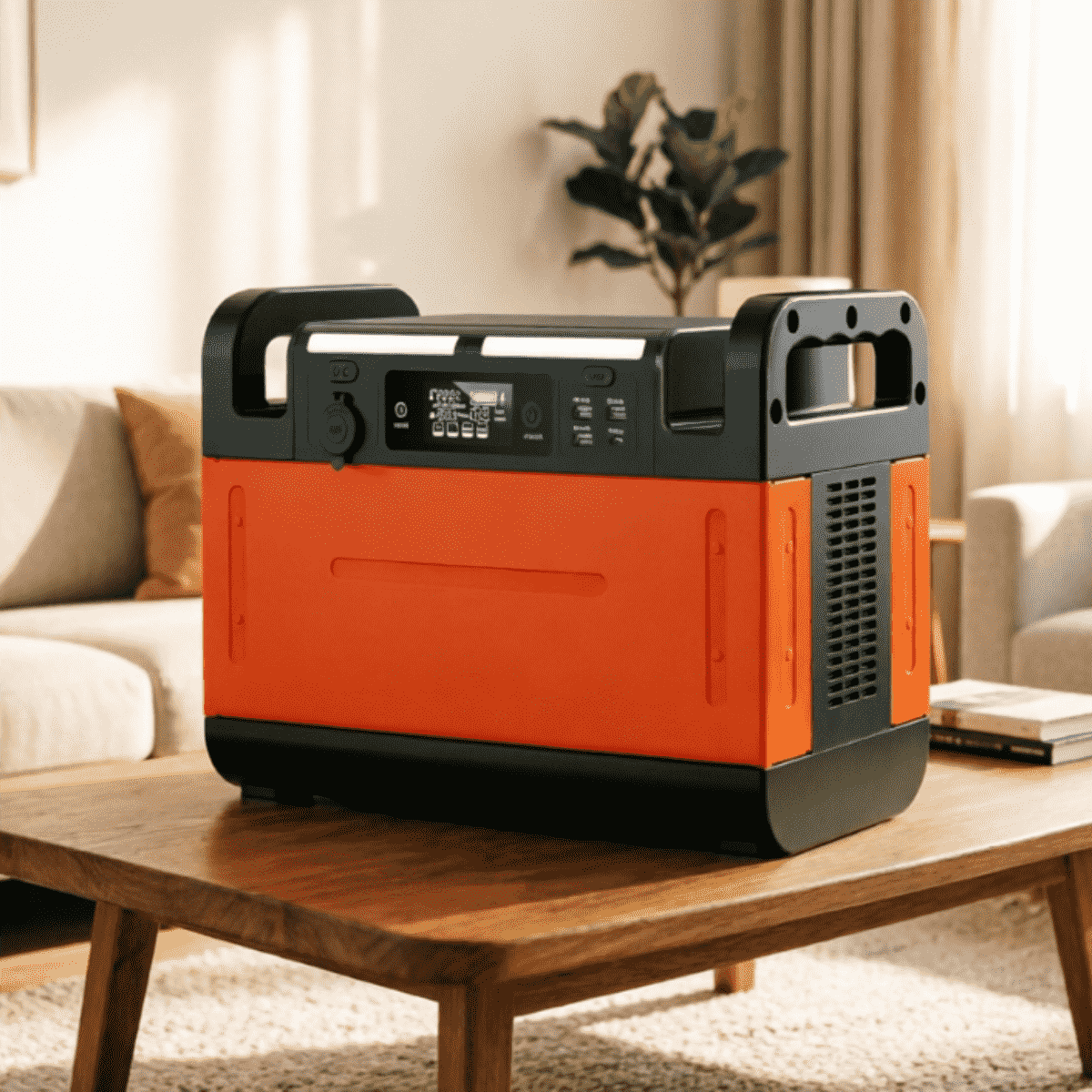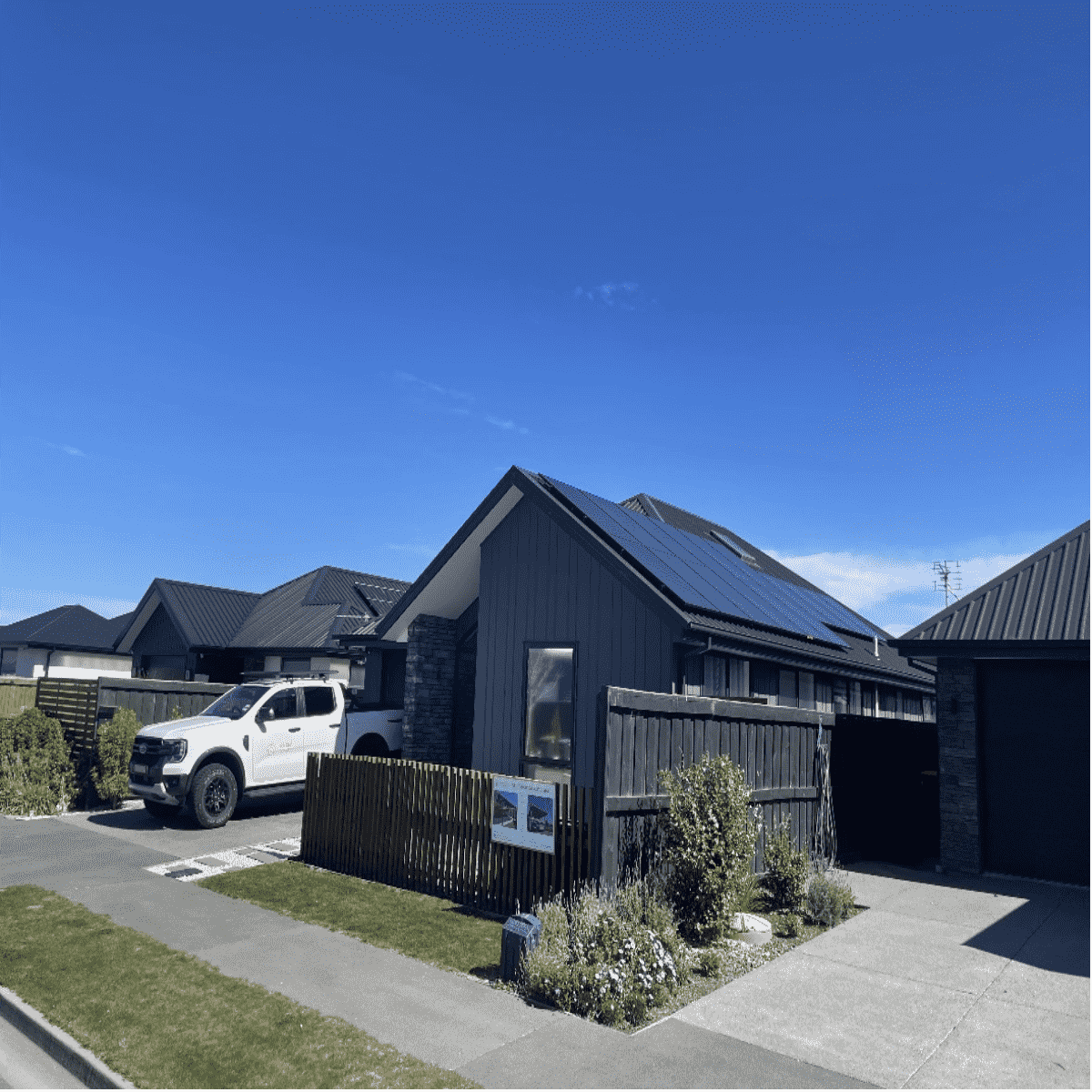

Power outages are becoming more frequent and unpredictable than ever before. Whether it’s extreme weather taking down power lines, grid overloads, or simply aging infrastructure, having a reliable backup power source has shifted from a luxury to a necessity. That’s where the solar emergency generator comes in — the quiet, clean, and infinitely renewable alternative to traditional noisy, exhaust-belching fuel generators.
But is a solar generator really a generator? Can a 5000-watt solar generator power a whole house? Can it survive an EMP? What exactly can a 3000-watt model run? And where do you even begin when choosing one for your home, apartment, or campsite?
In this comprehensive guide, we’ll answer all the most searched questions about solar generators, review the best models tested under Consumer Reports–style standards, and show you where to find top-tier systems, including the rugged LiFePO4 portable power station reviewed right here: the PiForz Portable Power Station & Solar Generator.
Solar Emergency Generators: What They Are and How They Work
Before delving into specific products, it is necessary to first understand exactly what a solar generator is.
Is there really such a thing as a solar power generator?
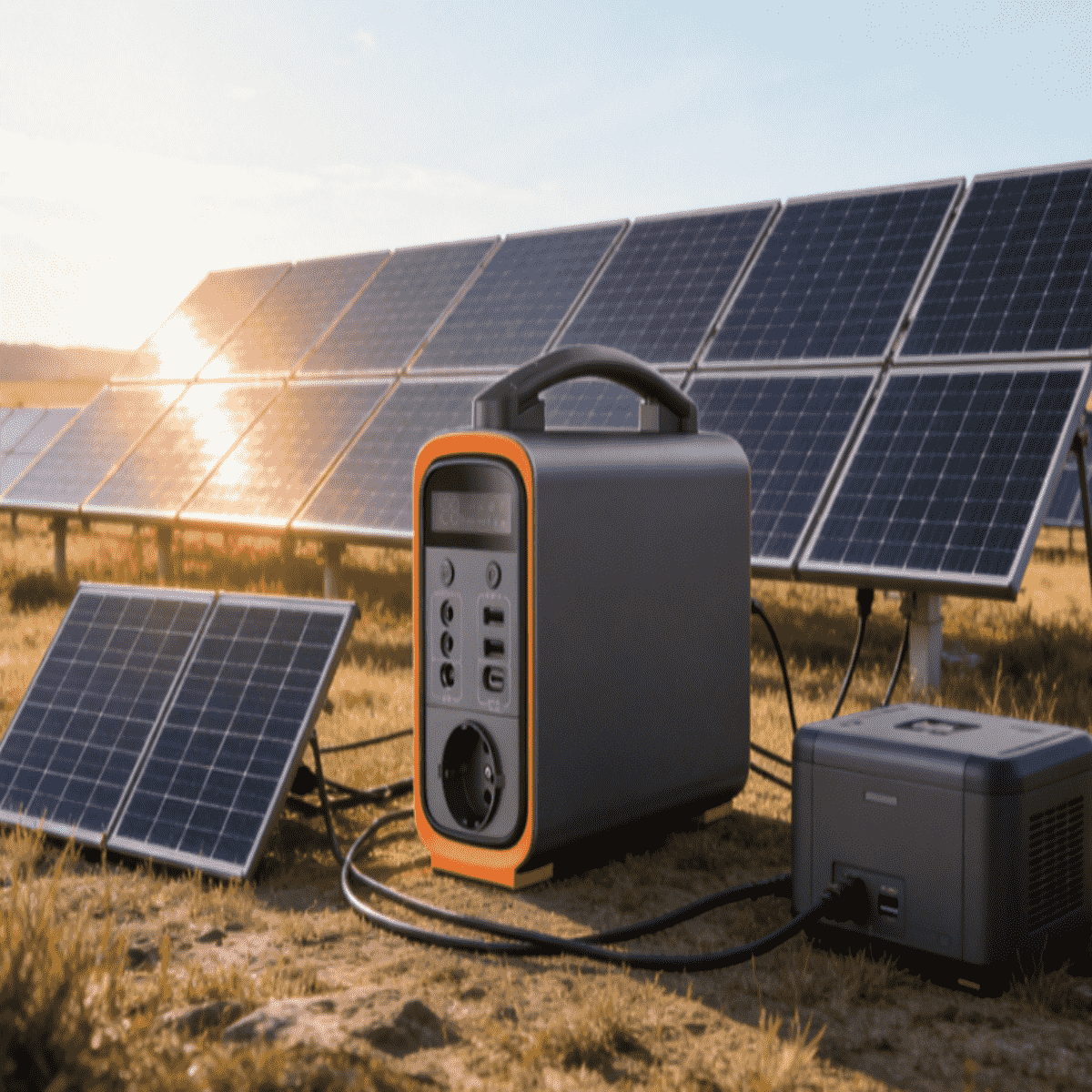
Technically speaking, a “solar generator” is not a generator in the traditional sense. Traditional fuel generators use an internal combustion engine to produce electricity in real time. In contrast, a solar generator is essentially a large rechargeable battery system connected to photovoltaic solar panels. The solar panels capture photons from the sun; semiconductors within them (typically silicon) release electrons, generating direct current (DC) electricity. The power then passes through a charge controller, is stored in a high-capacity battery, and is ultimately converted into alternating current (AC) via an inverter to power your appliances.
Its core components include:
1. Solar Panels – Capture and convert sunlight into DC electricity.
2. Charge Controller – Regulates the voltage and current flowing into the battery to prevent overcharging.
3. Battery – Stores the captured solar energy, typically lithium-ion (NMC) or lithium iron phosphate (LiFePO4).
4. Inverter – Converts the stored DC electricity into AC electricity usable by household appliances.
Modern solar generators, such as those in the PiForz portable power station series, integrate all components except the panels into a single portable unit. Advanced systems like the PiForz PF3600 all-in-one energy storage system (4992Wh LiFePO4, expandable to 30kWh) are even designed as stationary whole-home backup solutions.
This battery-first design means you can charge the unit not only with solar panels but also through a standard wall outlet or a car’s 12V port. And because there is no combustion process, a solar generator operates completely silently, produces zero toxic exhaust emissions, and can be safely used indoors — which is critical in emergencies, as you cannot safely run a fuel generator indoors.
EMP Question: Can a solar generator withstand an electromagnetic pulse?
For those considering worst-case scenarios, electromagnetic pulse protection is a serious concern. An electromagnetic pulse (EMP), whether from a high-altitude nuclear detonation or a severe solar coronal mass ejection, can induce massive voltage surges in electronic circuits, potentially frying unprotected equipment in an instant.
Can a solar generator withstand an electromagnetic pulse?
Not necessarily, unless specific precautions are taken. Civilian solar generators typically do not have electromagnetic pulse hardening. Any device containing microchips, inverters, and charge controllers is vulnerable. The long solar panel cables can also act like antennas, channeling destructive energy into the unit during an EMP event.
However, mitigation is possible. The most effective method is to store your portable power station inside a Faraday cage — a sealed metal container that blocks electromagnetic fields. Some preppers also make Faraday bags for their folding solar panels. If you keep a PiForz portable power station disconnected from the panels and stored in a metal container, its chances of surviving an EMP increase dramatically.
Choosing the Right Capacity Solar Generator: How Much Power Do You Actually Need?
Selecting a solar generator typically starts with two numbers: watts (output power) and watt-hours (storage capacity). These two numbers determine what you can power and for how long.
What can a 3000-watt solar generator power?
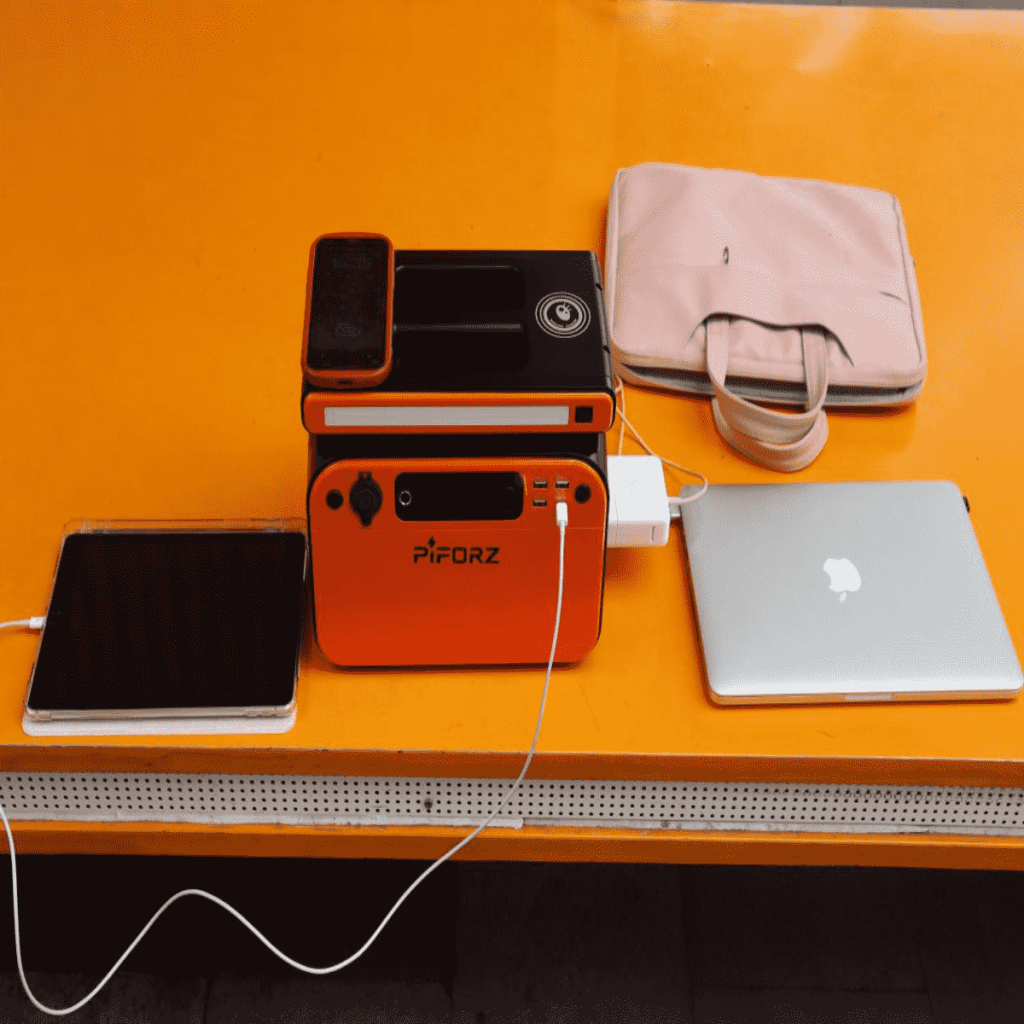
A 3000-watt solar generator is a powerful and versatile device capable of running most standard household appliances and some medium-duty equipment. It’s important to distinguish between continuous power (the power the unit can supply simultaneously) and watt-hour capacity (how long it can supply it). A unit rated for 3000W continuous output can handle loads totaling up to that figure, but its battery capacity (measured in watt-hours, Wh) determines the actual runtime.
A 3000W unit can typically power:
Refrigerator (full-size, running ~150-600W): Can keep a standard household fridge running for about 8.5 hours, longer with high-efficiency models.
Microwave (~1000W): Easily handles short cooking bursts.
Laptops / Router / Modem: Dozens of recharges, keeping you connected during an outage.
Multiple LED lights, fans, phones, and a TV simultaneously.
A small space heater (1500W) or portable electric burner (2000W), provided the unit’s surge rating can handle the startup spike.
A standout performer in this class is the PiForz PF3000 portable power station, featuring 3000W continuous output and a 2160Wh LiFePO4 battery, built for home backup and outdoor use. With multiple AC outlets, USB ports, and fast MPPT solar charging capability, it is a tough choice to beat for anyone seeking reliable emergency power.
For smaller needs, compact units like the PiForz PF200 Pro (320Wh) or PF300 (300Wh) are perfect for charging personal electronics during camping trips or brief blackouts — light enough to carry with you wherever you go.
Is there a solar generator large enough to power an entire house?
Yes, but you need sufficient capacity and the right system design.
A solar generator can power an entire house, but it depends on the generator’s output rating, battery capacity, and your household’s energy consumption. The average American home uses about 30 kilowatt-hours (kWh) per day, but that figure drops dramatically when you limit yourself to critical circuits during an outage. A 2000-watt solar generator can cover basic necessities like a refrigerator, a few lights, and a router; a larger 4000W+ system, combined with a manual transfer switch, can keep an entire household running.
For whole-home backup, experts recommend a battery capacity of at least 5000 watt-hours (Wh) and a solar array capable of producing 500 to 1000 watts of power. For example, the EcoFlow DELTA Pro 3 offers 4096 Wh of storage and up to 2600W of solar input, making it an ideal choice for multi-circuit home backup when paired with a smart home panel.
Other reliable options include:
1. Anker SOLIX F3800: 3840 Wh, 6000W output (120/240V), suitable for RVs and 240V appliances
2. Goal Zero Yeti PRO 4000: 3994 Wh, 3600W continuous, 7200W surge
3. Jackery Explorer 2000 Plus: 2042 Wh, 3000W output, expandable with extra battery packs
If you are looking for a permanently installed home energy storage solution, the PiForz Energy Storage System series includes stackable all-in-one units ranging from 10kW/15kWh to 10kW/60kWh, equipped with hybrid solar inverters for complete residential backup. For those who want both portability and expandable options, the PiForz PF3600 (4992Wh, expandable to 30kWh) bridges the gap between a portable power station and a stationary whole-home backup system.
The Best Solar Generators for Home Backup in 2026
When we talk about the best solar home emergency generators, we are looking for a balance between capacity, output, charging speed, portability, and price. Consumer Reports-style testing from outlets like Popular Mechanics, CNN Underscored, and PowerOutage.us consistently highlights several standout models for 2026.
EcoFlow Smart Generator 4000 and the Delta Series:
EcoFlow dominates the conversation with its modular, fast-charging ecosystem. The EcoFlow DELTA Pro 3 (4096Wh, 4000W output) is often named the best overall portable solar generator for serious home backup. Models like the EcoFlow DELTA Max (2000), with expandable capacity up to around 6kWh and X-Boost technology, can deliver up to 5000W surge for high-power appliances while charging from 0 to 80% via AC in under two hours.
The EcoFlow Smart Generator 4000 adds dual-fuel capability — a fuel generator that integrates into the EcoFlow ecosystem, automatically starting when solar input falls short, ensuring you never lose power.
Jackery Explorer 2000 Plus Portable Power Station:
A household name in portable solar, the Jackery Explorer 2000 Plus remains a top choice. With 2042Wh of LiFePO4 storage, 3000W continuous output, and the ability to connect up to six 200W SolarSaga panels for 1200W solar input (full charge in about 2 hours), it delivers impressive real-world performance.
1. Can run a 600W refrigerator for about 8.5 hours
2. Operating noise under 60 decibels — quieter than a normal conversation
3. Expandable: add extra battery packs to double or triple the capacity
4. Multiple ports: USB-A, USB-C, 12V car port, and a high-power 25A port for RV connection
One note: the Explorer 2000 Plus weighs around 62 lbs (28 kg), but comes with wheels and a retractable handle for easy transport.
Rivals from Bluetti and Anker:
The Bluetti Elite 200 V2 scores highly for its build quality, intuitive interface, and built-in dual handles, making its 53-pound (24 kg) frame easier to manage than competitors. The Anker SOLIX F3000 is praised for its robust 3600W output and the industry’s best companion app, with smooth-rolling wheels and a retractable handle on its 92-pound (42 kg) frame.
Portable Solar Generators for Every Scenario
Portable Solar Generators for Home Use
Portable solar generators for home use need to have enough capacity to handle critical circuit demands during extended outages. Focus on these key points:
1. At least 2000 Wh of storage capacity
2. 2000W+ continuous AC output
3. Fast MPPT solar input
4. Expandability (ability to add extra batteries)
5. Uninterruptible Power Supply (UPS) function for seamless switchover during blackouts
The EcoFlow DELTA Max (2000) (base 2016Wh, expandable to ~6kWh) and the PiForz PF2000PM (1386Wh, 2000W, LiFePO4) both meet these requirements, offering fast charging times, multiple output ports, and enough power to keep critical appliances running during extended outages. The PF2000PM even charges from 0 to 80% in 1.5 hours via AC fast charging.
Solar Generators for Apartments
Apartment dwellers face unique constraints: limited space, no outdoor fuel storage, and sensitivity to noise. The ideal apartment solar generator should be compact, ultra-quiet, and zero-emission — ensuring safe indoor operation.
1. A battery capacity of around 300–1200 Wh is typically sufficient to power phones, laptops, a mini fridge, and a few lights
2. Look for models weighing under 30 lbs (13.6 kg) for easy movement between rooms
3. Solar panels can be mounted on a balcony or placed outside a window
Compact models like the PiForz PF500 (518Wh) and PiForz PF200 Pro (320Wh) offer just the right balance between portability and emergency power. They operate completely silently, use LiFePO4 batteries for safety and long lifespan, and can be charged via a wall outlet or a small folding solar panel.
Solar Generators for Camping
For camping, weight and size are the primary considerations. You need enough power to charge devices, run a portable fridge, or power a CPAP machine through the night — without exhausting yourself carrying it.
1. A 300–1000 Wh capacity is typically sufficient to cover a weekend trip
2. Look for integrated carry handles and rugged, durable construction
3. Multiple charging ports: AC, USB-C, USB-A, and 12V DC
The PiForz PF300 (300Wh, folding solar panel) and PF500 (518Wh) are built for outdoor adventures — lightweight, durable, and capable of recharging via solar while you hike, fish, or rest. For RV use and extended off-grid camping, the Jackery Explorer 2000 Plus and the PiForz PF2000 (2073Wh) provide enough power for several days.
How a 5000-Watt Solar Generator Handles Emergencies
A 5000-watt solar generator represents the top tier of portable power. These powerful units are typically not single-unit portable power stations but rather expandable systems or all-in-one home battery storage solutions equipped with hybrid solar inverters.
What a 5000W system can handle:
1. Central air conditioner (3-ton unit, startup surge handled by peak rating)
2. Electric water heater
3. Deep well pump (240V)
4. Entire kitchen: refrigerator, microwave, electric oven
5. Home office: multiple computers, monitors, networking equipment
6. Medical equipment (CPAP machine, oxygen concentrator)
The PiForz 5kWh–10kWh Energy Storage System is a prime example — stackable all-in-one LiFePO4 batteries with a hybrid solar inverter, designed to integrate directly into your home’s distribution panel. Unlike fuel generators that require expensive fuel and constant maintenance, these systems charge silently via rooftop solar and can cycle daily for over a decade without degradation.
For the most comprehensive range of LiFePO4 portable power stations and expandable home energy storage systems, visit PiForz to explore the full range The product line spans from ultra-portable 240Wh camping batteries to 60kWh whole-home backup systems — all built on the proven safety and long lifespan of LiFePO4 chemistry.
Conclusion: Are Solar Generators Worth the Investment?
Absolutely. A solar emergency generator provides silent, fume-free, renewable backup energy for any scenario — from a brief apartment outage to an extended whole-home blackout. The upfront cost is higher than a fuel generator, but the long-term savings on fuel, maintenance, and the priceless peace of mind make it one of the smartest investments a homeowner or renter can make.
Whether you need a compact 300Wh station for weekend camping, a powerful 3000W unit to keep your fridge and lights running during a storm, or a full-size 10kW/60kWh home battery for complete off-grid living, today’s market has a solution. Brands like EcoFlow, Jackery, Bluetti, and the comprehensive PiForz lineup offer options for every budget and power need.
Visit PiForz to explore the full range — from the ultra-portable PF200 to the expandable whole-home PF3600 system — and take the first step toward energy independence today.