
When it comes to DIY solar, most people envision a mess of loose wires and complicated installations. However, with the latest technology, building these systems has become as simple as stacking building blocks. Especially for modern smart homes, what we pursue is not just saving energy, but a stable, aesthetically pleasing, and easily expandable energy hub—an architectural piece of “energy art” that integrates seamlessly with Scandinavian or Japanese minimalist interior designs. Behind such aesthetic architecture, modular energy storage batteries are increasingly becoming a standard feature of high-end smart homes.
This article will help you clarify your thoughts and understand how to build a modern home energy system step-by-step using modular storage equipment.
What Components Are Included in a Complete Solar Kit?
An efficient complete solar power kits for homes with battery typically consists of three core components:
1.Solar Panels:
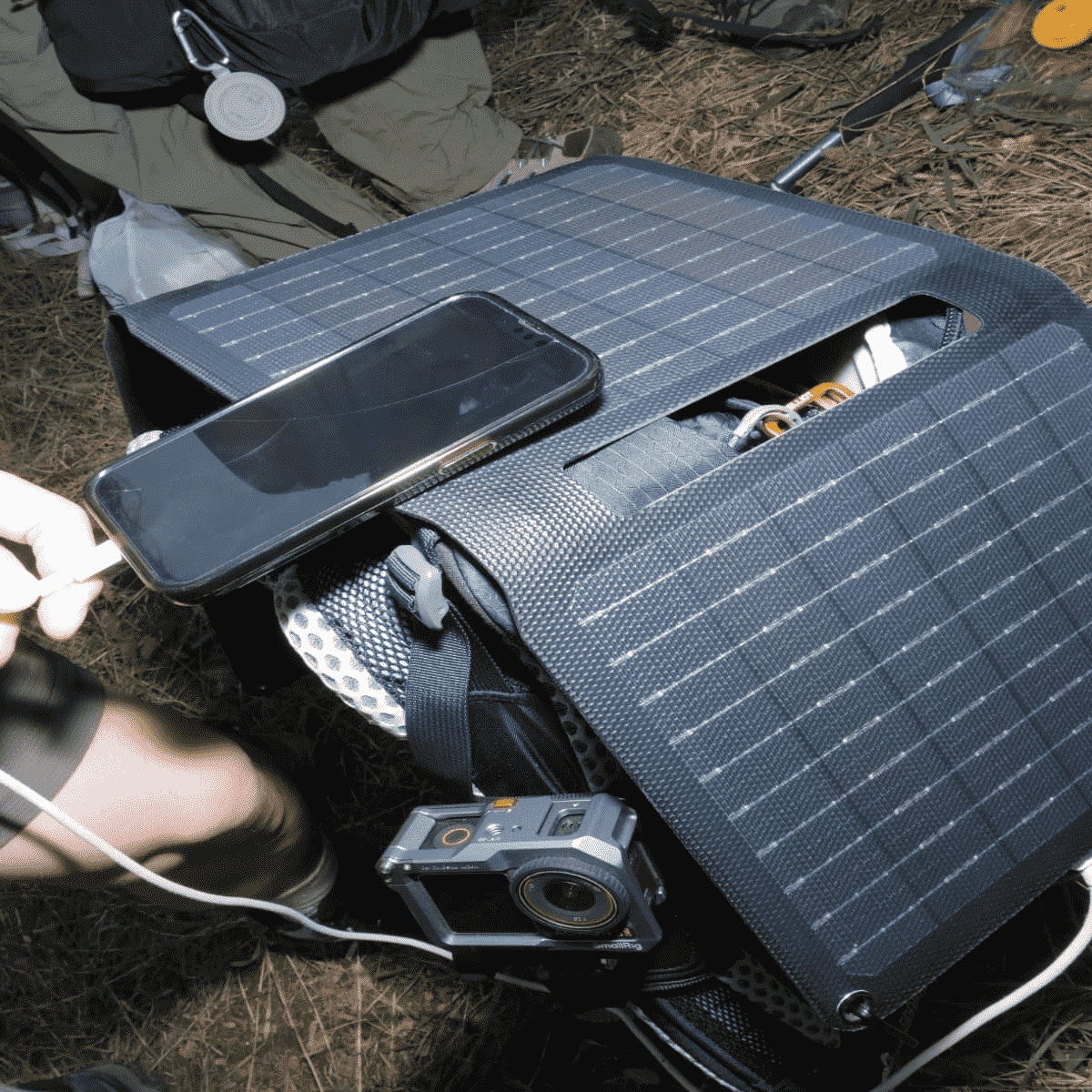
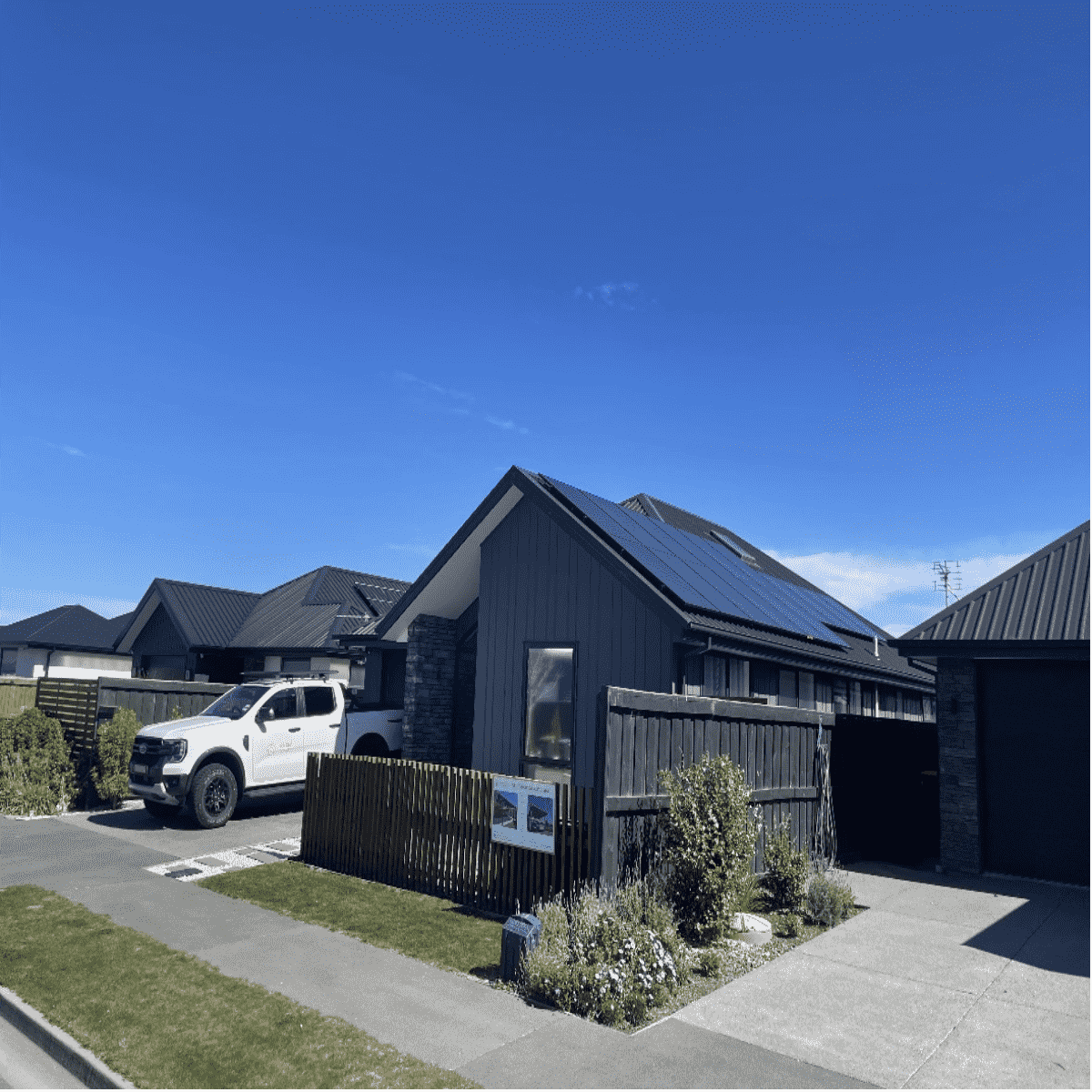
They collect sunlight and are responsible for converting it into DC power. This is particularly crucial for homes with limited rooftop space.
2. Stackable Batteries (Modular Energy Storage)
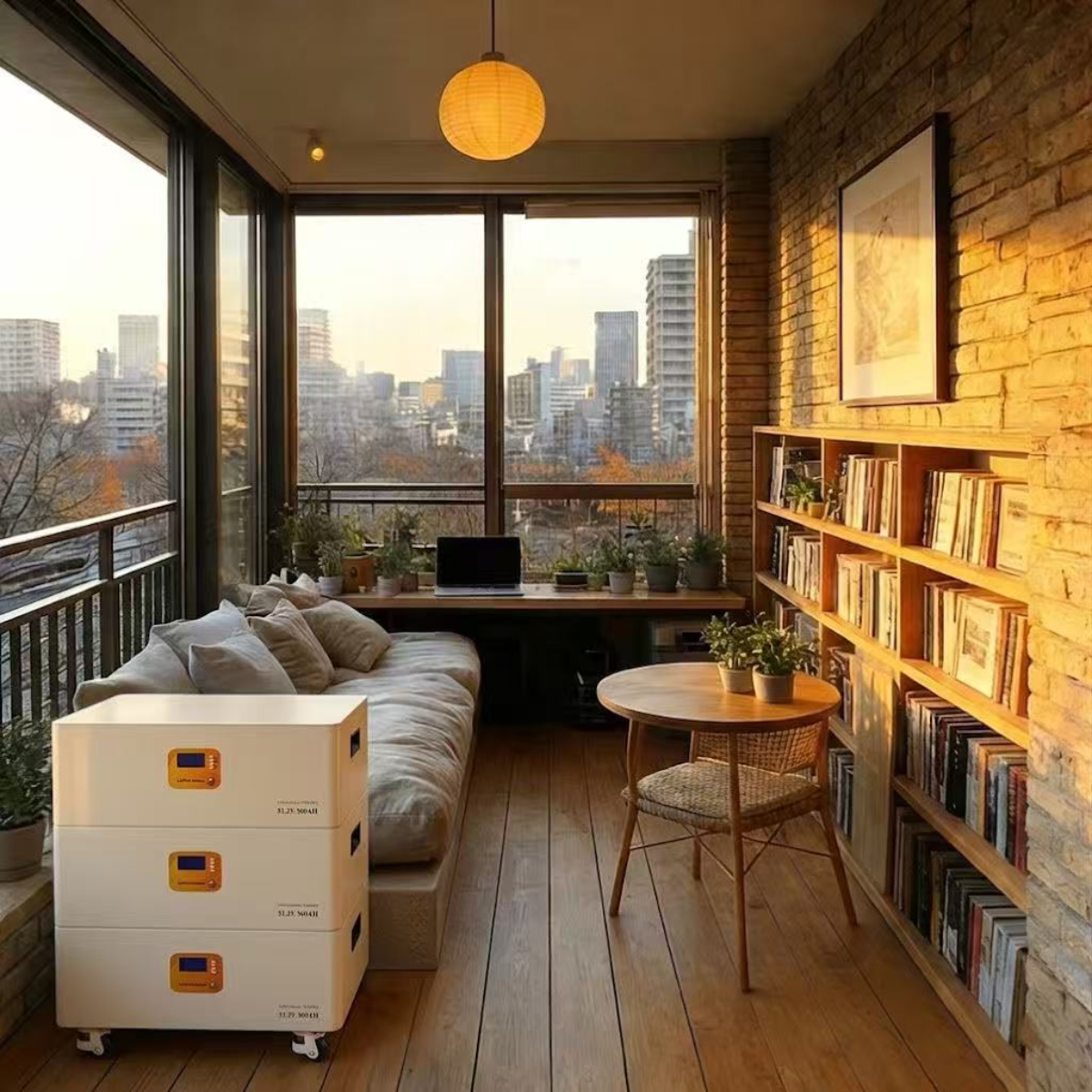
This component integrates the battery cells with the management system, supporting vertical stacking like building blocks to expand capacity whenever needed. This is the central trend for the best diy solar kits for home. Compared to bulk individual batteries, modular stackable battery packs can be layered like drawers, which not only saves space but also features an aesthetic that aligns with high-end residential design. The cycle life of LiFePO4 can exceed 4,000 times, offering safety far superior to traditional lead-acid batteries.
3.Inverter :
Since solar panels and batteries output DC power while household appliances require AC power, the inverter’s role is to perform this conversion. When purchasing, you must look for a solar panel kit with inverter—this complete package approach avoids compatibility issues. It is more “appliance-friendly,” making it especially suitable for inductive load appliances like air conditioners and refrigerators.
Are DIY solar kits worth it?
Many people ask this question before starting their DIY solar journey, and the answer depends on your specific situation. Here is a breakdown of the pros and cons you need to know about DIY solar kits:
The Advantages of DIY Kits:
Significantly Lower Costs: The cost of a complete home solar system kit typically ranges from $5,000 to $15,000 (pre-tax), whereas a professionally installed system of the same caliber can soar to $20,000–$60,000. By doing it yourself, you can save thousands of dollars in labor fees. Furthermore, modern kits are designed so intelligently that they require almost zero daily maintenance.
30% Federal Tax Credit: In 2026, eligible solar systems still qualify for the Federal Residential Clean Energy Tax Credit, which can offset nearly one-third of your total investment.
Complete Control Over Energy Storage: Modern solar kits allow you to start small (for example, a 5kWh portable backup for essential needs) and autonomously add modules as your budget or energy demands grow. This “pay-as-you-go” model of energy independence is something traditional solar contractors almost never offer.
Potential Risks of DIY Kits:
Hidden Costs: Expenses for permit applications, engineering blueprints, and structural assessments can accumulate into a significant overhead.
Component Compatibility Issues: Not all panels, inverters, and monitoring systems work together effectively.
Safety Risks: Traditional DIY wiring involves high-voltage DC components, which carry a risk of fire or electrical hazards.
The Verdict: If you view DIY solar kits as modular energy appliances, they are an exceptionally worthy investment. By choosing high-quality, aesthetically pleasing components—such as modular LiFePO4 battery stacks—you aren’t just saving on labor; you are investing in a customizable energy infrastructure that can evolve alongside your home.
Versatile Application Scenarios for DIY Solar Kits
For RVs and Tiny Houses:
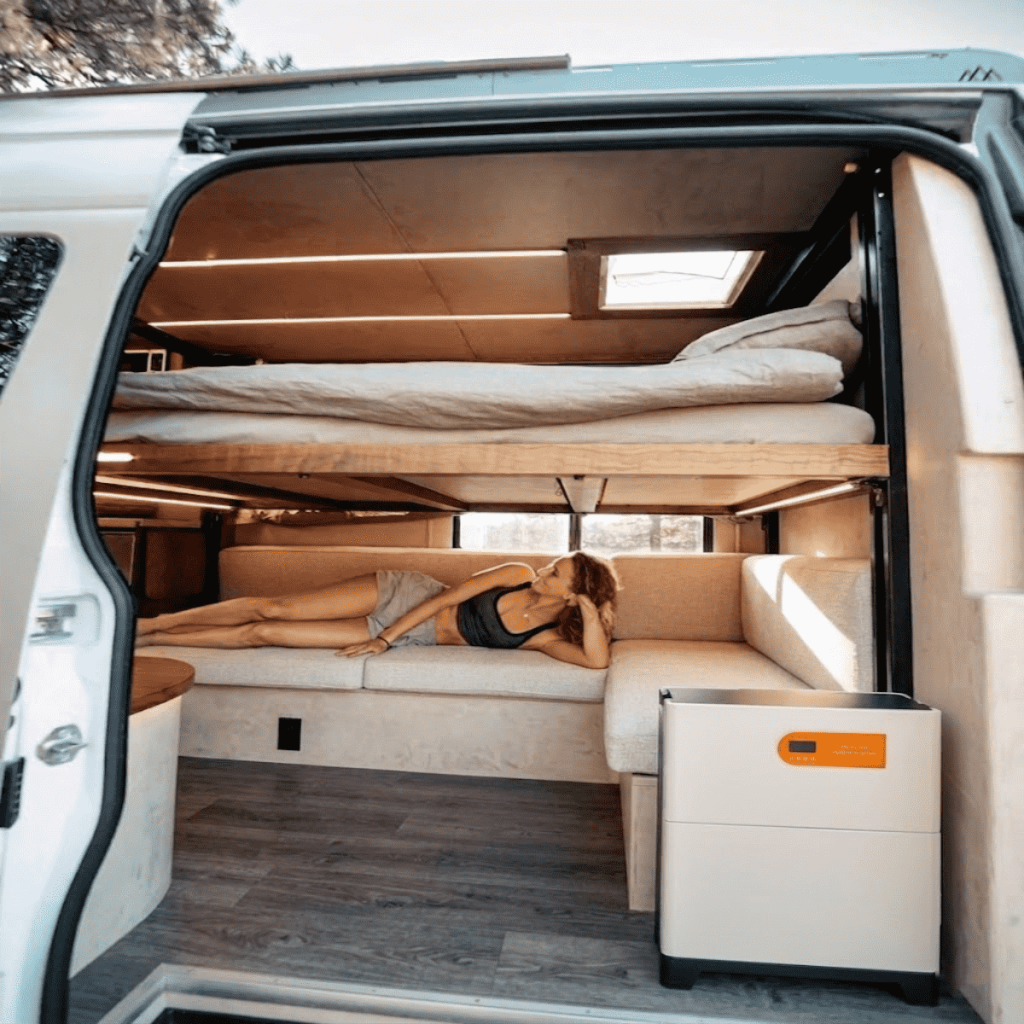
Many users begin their journey with a diy solar kits for rv or a Tiny house solar kit. For those embracing mobile living or micro-residences, the core requirements are portability and compactness. The goal is simple: a system that provides quiet, pollution-free power while remaining flexible to install and vibration-resistant. It must be rugged enough to handle the road while reliably powering essential lighting and basic electronic devices.
For Smart Homes:
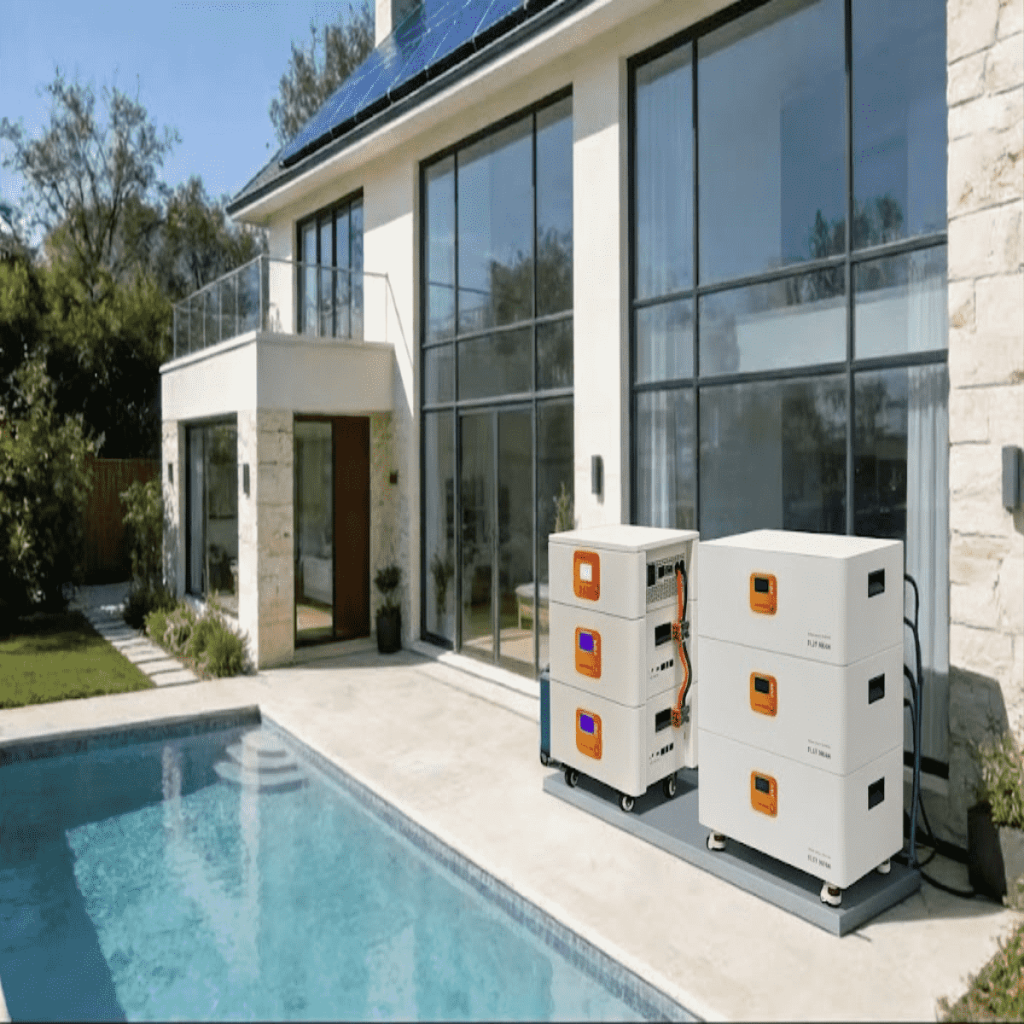
When it comes to the smart home level, the goal is the seamless integration of a home solar kits off-grid system with the entire household’s ecosystem. This is a complete off-grid solar panel kit with battery and inverter designed to blend into your storage room or garage just like a piece of high-end furniture.
The beauty of this system is its scalability: if you find you need more power, you simply buy a new battery module and stack it on top. There is no need to tear out the old setup, nor is there a need to hire someone for rewiring. Unlike traditional fuel-powered generators, you don’t have to visit gas stations to stock up on fuel or perform engine maintenance every few months. Once this off-grid solar panel kit with battery and inverter is installed, it stays quietly in the background, doing its job. Even during a large-scale blackout, it ensures you and your family can continue living your lives normally, just like any other day.
Can I DIY My Own Solar Panels Safely?
This is the most frequently asked question, and the answer is yes—modern modular equipment has reduced safety risks to a minimum. It utilizes Lithium Iron Phosphate (LiFePO4) cells, a battery chemistry that is extremely stable. Combined with an advanced BMS (Battery Management System), it monitors voltage and temperature in real-time. Specifically, if you are searching for Diy solar kits california, you will find that California’s regulations are very strict. Choosing certified modular equipment is not just about ease of installation; it is because it meets the highest safety standards, making it much easier to navigate local approval processes.
Advantages of Modular Equipment: These integrated energy storage units typically pass UL certification or relevant safety testing at the factory. When applying for an installation permit, providing a set of certified system blueprints is far easier than explaining the safety of a collection of loose individual components.
How to Choose the Best DIY Solar Kits for Home
When choosing the best diy solar kits for home, many people’s first reaction is to compare the initial purchase price. However, a low price often implies expensive follow-up costs.
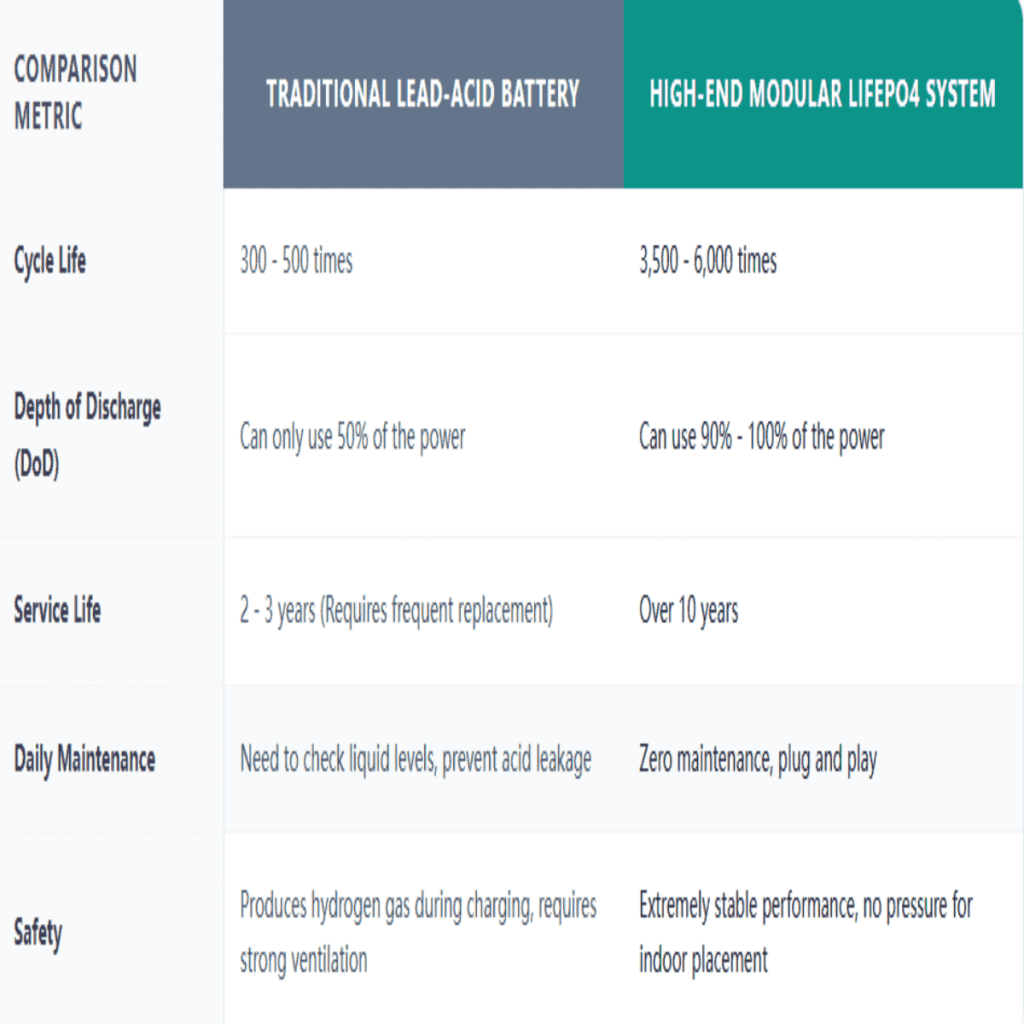
1. Traditional Lead-Acid Batteries vs. High-End Modular LiFePO4 Systems The battery is the most critical component of the entire system and also the part with the highest cost. Cheap kits on the market are typically equipped with traditional lead-acid batteries, while high-end solutions utilize modular Lithium Iron Phosphate (LiFePO4) units. We should focus on the key differences between the two:
2. Long-term Return on Investment (ROI)
The “Hidden Expenses” of Cheap Systems: While a low-cost home solar system kit has a lower initial price, the short lifespan of its batteries may force you to replace the battery pack 3 to 4 times within 10 years. Additionally, the labor and time required for each replacement add up, making the total expenditure far exceed your expectations.
Long-term Value: Choosing a high-quality modular system may result in a higher bill on day one, but when amortized over a 10-year period, its cost per cycle is actually much lower than that of budget products. More importantly, it provides an extremely stable power output, ensuring the system won’t fail during a critical blackout due to battery aging.
3. Why Is Modular Design the Most Popular Choice?
Scalable on Demand: Ensure your solar panel kit with battery and inverter can be expanded at any time. As your family grows or you add an electric vehicle to your home, you simply add battery modules without needing to replace the entire system.
Avoiding Total System Failure: In traditional monolithic systems, if one component fails, the entire system might need to be sent for repair. In a modular system, however, each unit is relatively independent. Upgrading or replacing a single module is incredibly simple and will not affect the normal power supply of the entire house.
Conclusion:
Whether you are pursuing diy solar for a life on the move or building a high-end home solar kits off-grid system for a smart residence, modular energy storage is the inevitable choice for the future. Compared to traditional fuel generators, a high-quality off-grid solar panel kit with battery and inverter allows us to say goodbye to the noise and maintenance headaches, providing a quieter and safer power experience. By choosing LiFePO4 stackable batteries with longer cycle lives and superior safety, we can expand our capacity at any time—just like stacking building blocks—to achieve true energy independence.
FAQ:
1. What will a 400w solar panel run?
A 400W system is sufficient to support daily office loads, basic lighting, mobile phone charging, and router operation.
2. What can a 6000 watt solar panel run?
A high-power 6000W configuration belongs to the whole-house category. It is capable of driving high-power appliances such as air conditioners and heat pumps, meeting the continuous operation needs of a household’s core equipment.
3. Is It Legal to DIY Your Own Solar Kit in California?
In California, it is entirely legal to install a DIY solar kit yourself, but the key lies in the connection method you choose. If you plan to use a grid-tied system to sell excess electricity back to the utility, you will face some of the strictest approval processes in the U.S., including submitting professional blueprints that comply with California Fire Code and the latest electrical regulations; ultimately, a licensed electrician’s signature is usually required to obtain a grid interconnection permit.
Consequently, more and more California homeowners are turning to the smarter “off-grid backup” path. By installing an off-grid solar kit like a modular energy storage system, you can use it as an independent energy hub in your home specifically to power core appliances such as refrigerators and air conditioners. Since this model does not exchange electricity with the public grid, it typically bypasses the utility’s cumbersome interconnection approvals. For DIY enthusiasts, this is the best legal shortcut to bypass complex regulations and quickly achieve energy independence. As long as you choose modular equipment with UL safety certification, this type of installation in California is more akin to configuring a high-end smart appliance than a complex construction project.