
With the global spread of renewable energy and the accelerating progress toward carbon neutrality in power systems worldwide, the share of installed wind, solar, and other new energy capacity continues to rise. As a result, power systems require reliable power support over increasingly longer durations. In recent years, long-duration energy storage has begun to enter the public consciousness, sparking a surge in technology research and capital investment.
What is long-duration energy storage?
Long-duration energy storage refers to energy storage technologies capable of stably storing and releasing electrical energy over extended periods, designed to address the intermittency and variability of renewable energy generation (typically exceeding 4 hours, and even spanning across days, weeks, or seasons).
1. The U.S. Sandia National Laboratories, in its “Long-Duration Energy Storage Briefing,” considers storage technologies with a continuous discharge duration of no less than 4 hours to be classified as long-duration energy storage.
2. The U.S. Department of Energy, on the other hand, defines it as storage technologies with a continuous discharge duration of no less than 10 hours and a service life of 15–20 years.
In China, energy storage systems with a duration of 4 hours or more are generally regarded as long-duration energy storage.
Although there is currently no unified international standard definition for long-duration energy storage, the energy sector holds high expectations for long-duration energy storage and the emerging technologies, with lithium-based solutions playing a leading role.
What are the five main types of energy storage?
1. Electrochemical Energy Storage: Lithium-ion batteries, flow batteries
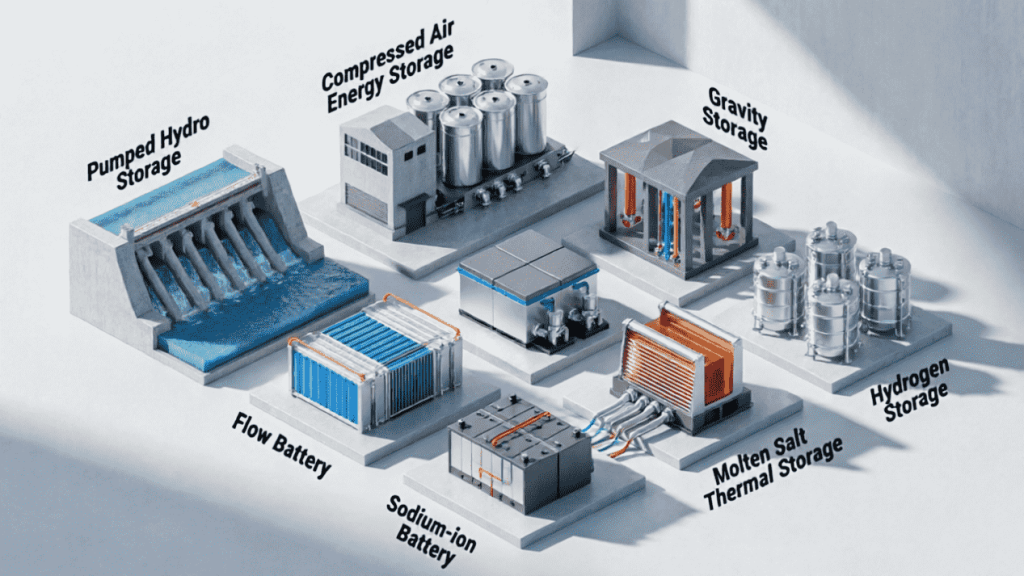
2. Mechanical Energy Storage: Pumped hydro storage, compressed air energy storage, flywheel energy storage
3. Thermal Energy Storage: Molten salt heat storage
4. Chemical Energy Storage: Hydrogen energy
5. Electromagnetic Energy Storage: Supercapacitors
Those technologies are used for long-term energy storage
Mechanical Energy Storage
This category of technology stores energy through physical means. It typically features large scale and long lifespan, making it the most mature form of long-duration energy storage today.
1. Pumped Hydro Storage
Principle: Pumped hydro storage consists of an upper and a lower reservoir. During energy storage, electricity is used to pump water to the upper reservoir, converting electrical energy into gravitational potential energy. During power generation, water is released to the lower reservoir, driving a turbine and converting gravitational potential energy back into electrical energy.
Characteristics: It is the largest installed and most mature energy storage technology globally, offering large storage capacity, low per-kilowatt-hour cost, and a lifespan of over 50 years.
Limitations: Pumped hydro plants require large-scale construction and long construction periods; they function as the “large power banks” of the power system.
2. Compressed Air Energy Storage
Principle: Compressed air energy storage typically uses salt caverns or containers to store high-pressure air. During energy storage, a compressor compresses and stores air, converting electrical energy into the internal energy of the air. During energy release, the high-pressure air drives a turbine to generate electricity, converting the air’s internal energy back into electrical energy.
Characteristics: Large scale and relatively low cost.
3. Gravity Energy Storage
Principle: Surplus electricity is used to lift heavy objects (such as custom-made concrete blocks or blocks made from waste materials) to a height. When needed, the weights are lowered, driving a generator through a mechanical transmission system.
Characteristics: Lower geographical requirements than pumped hydro, easy material sourcing, and virtually no capacity degradation.
Electrochemical Energy Storage
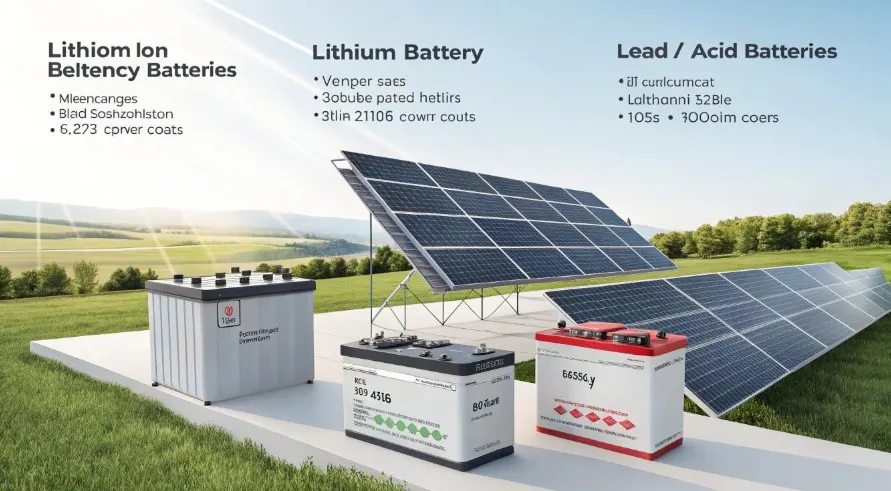
Although traditional lithium-ion batteries dominate the short-duration (2–4 hours) energy storage market, other battery technologies are emerging in the long-duration energy storage sector due to their cost and safety advantages.
1. Flow Batteries
Principle: In flow batteries, the electrolyte and the cell stack are separately arranged. As the positive and negative electrolytes flow through the stack, reversible chemical reactions occur, enabling the mutual conversion between electrical and chemical energy.
Characteristics: Power (determined by the cell stack) and capacity (determined by the size of the storage tanks) are fully decoupled, making them highly suitable for large-scale, long-duration energy storage. They offer an extremely long cycle life (up to tens of thousands of cycles) and very high safety, with no risk of thermal runaway.
2. Sodium-Ion Batteries
Although some are still in the R&D or early commercialization stage, they are seen as strong contenders for 4–12 hour energy storage in the future, thanks to the abundance and low cost of elements such as sodium and zinc, as well as the high safety of aqueous electrolytes.
Thermal Energy Storage
Energy is stored in the form of heat or cold, and can later be used directly as thermal energy or converted back into electricity.
1. Molten Salt Heat Storage
Principle: Molten salt heat storage stores energy by heating molten salt. During energy release, the high-temperature molten salt undergoes heat exchange to produce high-temperature, high-pressure steam, which drives a steam turbine to generate electricity.
Characteristics: High heat storage capacity and low cost. It is the standard configuration for concentrated solar power (CSP) plants and can achieve stable output for over 8–12 hours.
Chemical Energy Storage
This mainly refers to “electricity-to-hydrogen” and related fuel conversion technologies. It is currently the optimal solution for cross-seasonal, ultra-long-duration energy storage.
1. Hydrogen Energy Storage
Principle: Renewable energy is used for electrolysis of water to produce “green hydrogen.” The hydrogen is stored in gas tanks, underground salt caverns, or pipelines. When needed, electricity is generated through hydrogen fuel cells or by directly burning hydrogen in a hydrogen gas turbine.
Characteristics:
High energy storage density, capable of achieving ultra-long-duration energy storage spanning months or seasons. It also has a wide range of application scenarios—it can be used for power generation or directly for industrial decarbonization.
Why Develop Long-Duration Energy Storage?
As mentioned at the beginning, with the global spread of renewable energy and the increasing share of wind, solar, and other such sources, the limitations of traditional short-duration energy storage have become evident. Long-duration storage is needed to address the intermittency of renewable energy and to enable energy shifting across longer time cycles.
1. Addressing Weather-Dependent Generation: Solar and wind power are typical examples of weather-dependent generation—they only produce electricity when there is sunlight or wind, and this power may only be available for a few hours or a single day. If the following day brings continuous cloud, rain, or windless conditions, we would still be left in darkness without a way to ensure continuous power supply. Long-duration storage guarantees that electricity remains available.
2. Replacing Fossil Fuel Plants: To replace traditional fossil fuels and achieve renewable clean energy, long-duration storage is essential. In the past, grid stability relied heavily on coal-fired or natural gas power plants. Now, in order to achieve global carbon neutrality, these carbon-emitting fossil fuel plants must be phased out, and long-duration storage can provide the stability and reliability once offered by these plants.
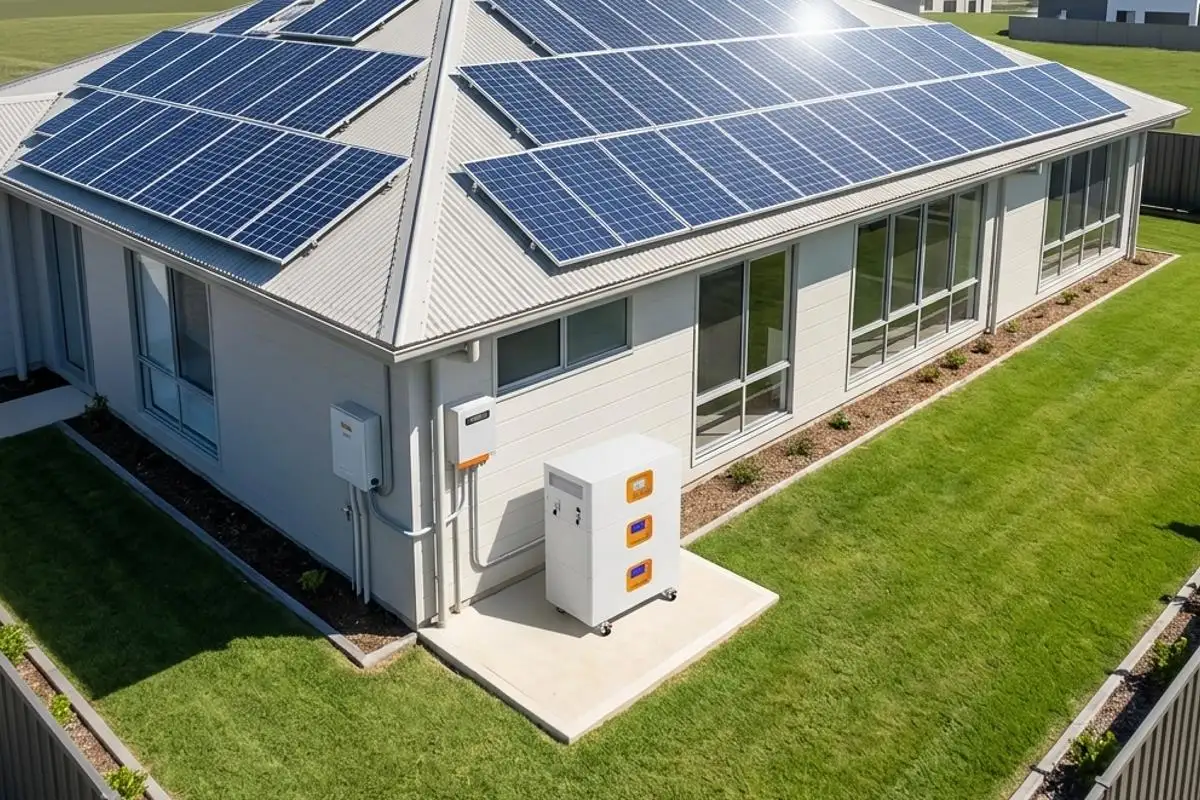
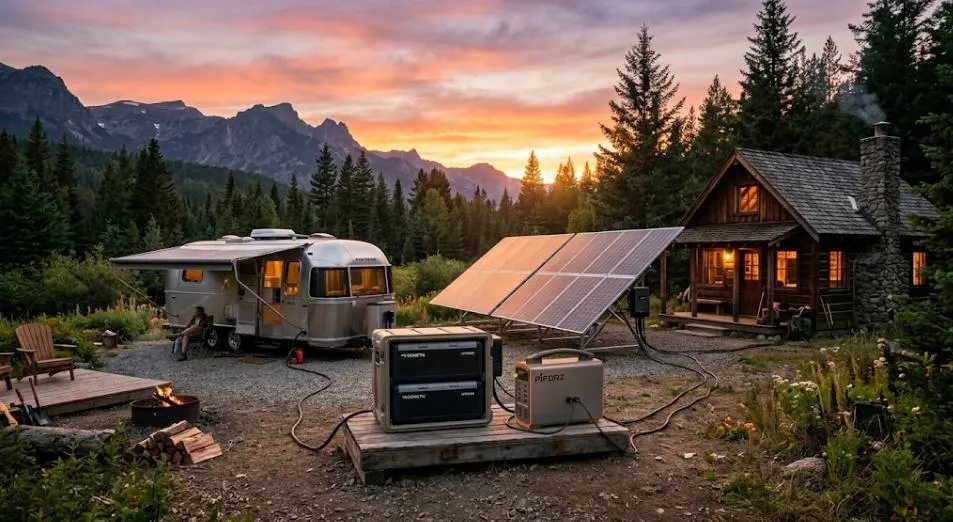
3. Powering Off-Grid and Remote Areas: In remote areas, off-grid systems powered by clean energy sources like solar have become a trend. Long-duration energy storage serves as the heart of these microgrids, ensuring that normal household electricity can be maintained even when disconnected from the main grid.
4. Reducing Curtailment and Energy Waste: In regions with a high density of solar and wind installations, power generation often far exceeds the grid’s capacity to absorb it, leading to the waste of large amounts of clean energy. Long-duration energy storage technologies can absorb and store all this otherwise wasted electricity through large-capacity charging, and then release it when the power supply is insufficient.
Summarize
To achieve carbon neutrality, fossil fuels will be gradually phased out not only in the power system but also in sectors such as industry and transportation. The energy transition has been elevated to a national strategy in many countries, with policy frameworks being continuously refined. The “dual carbon” goals—peaking carbon emissions by 2030 and achieving carbon neutrality by 2060—provide a clear development pathway for the long-duration energy storage industry.