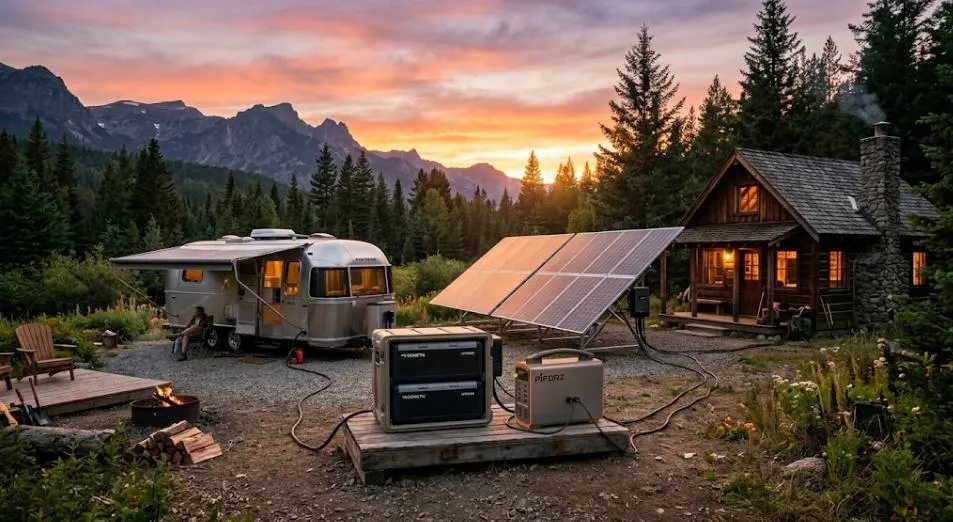

The power goes out after a storm. Within minutes, the noise starts—gas generators rumbling from every other house on the street.
That sound shakes your windows. The smell of gas fills the air, mixed with smoke. You close everything up, but it’s still there. Neighbors cover their noses, but what choice do they have? Food in the fridge is going bad. Grandpa’s oxygen machine needs to run. The kids have online classes tomorrow.
Here’s the thing: we have a cleaner option now. Portable power is changing the game. When the lights go out, it doesn’t have to mean noise and pollution anymore.
What Gas Generators Really Cost
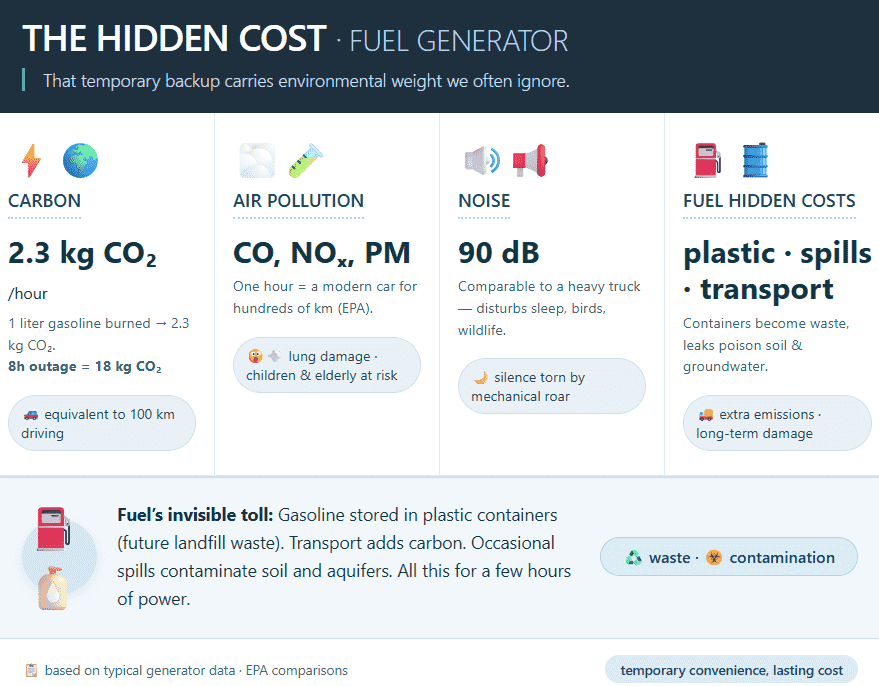
Carbon emissions: One hour of running = about 2.5 pounds of CO₂. An 8-hour outage? That’s like driving a car for 60 miles.
Air pollution: Gas generators pump out carbon monoxide, nitrogen oxides, and tiny particles that mess with your lungs. Kids and older people get hit hardest. The EPA says one hour of generator use can pollute as much as a modern car does in hundreds of miles.
Noise pollution: We’re talking 90 decibels—like a truck idling right outside. It bothers your neighbors, scares off birds and animals, and kills the quiet of the night.
The hidden stuff: All those gas containers? They end up as plastic waste. Transporting fuel creates more emissions. Spills happen, and that poison soaks into the ground.
That’s what we put up with, just to keep the lights on for a few hours.
Portable Power: The Clean Option
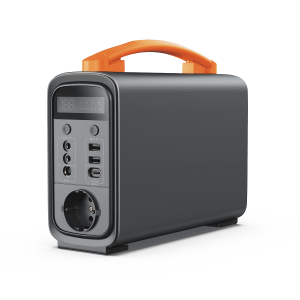
Think of a portable power station as a giant power bank. Same idea, way more powerful. It runs on a big lithium battery and a thing called a pure sine wave inverter (fancy name, simple job—it makes sure your sensitive electronics don’t freak out).
You can charge it a few ways:
Plug it into the wall – store up power from the grid
Charge it in your car – top it off while you drive
Hook it up to solar panels – now you’re running on pure sun power
Different sizes do different jobs:
Under 300 watt-hours: Perfect for phones, laptops, drones, camping lights
500–1000 watt-hours: Can handle a mini-fridge, TV, or a CPAP machine
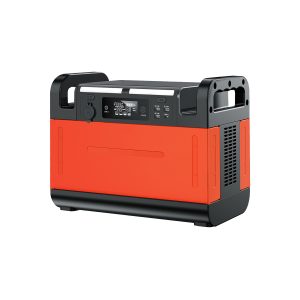
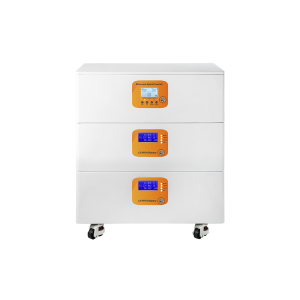
1000+ watt-hours: Runs multiple devices at once. Good for keeping a household going during an outage
The tech is solid now, and prices keep coming down. Best part? It’s dead quiet. Zero emissions. Just charge it up ahead of time, and you’re ready.
Three Ways to Go Zero-Carbon
Path One: Ditch the Gas Generator
This one’s straightforward. Get a portable power station. Keep it charged from the wall. When the power goes out, plug in your fridge, lights, and whatever electronics you need. That’s it. No noise. No fumes. No smell.
For people who love the outdoors, portable power is taking over here too. Camping? It runs your cooler, your speaker, your lights. Living the van life? You can park in a nature spot without annoying every animal within half a mile.
Path Two: Add Solar Panels
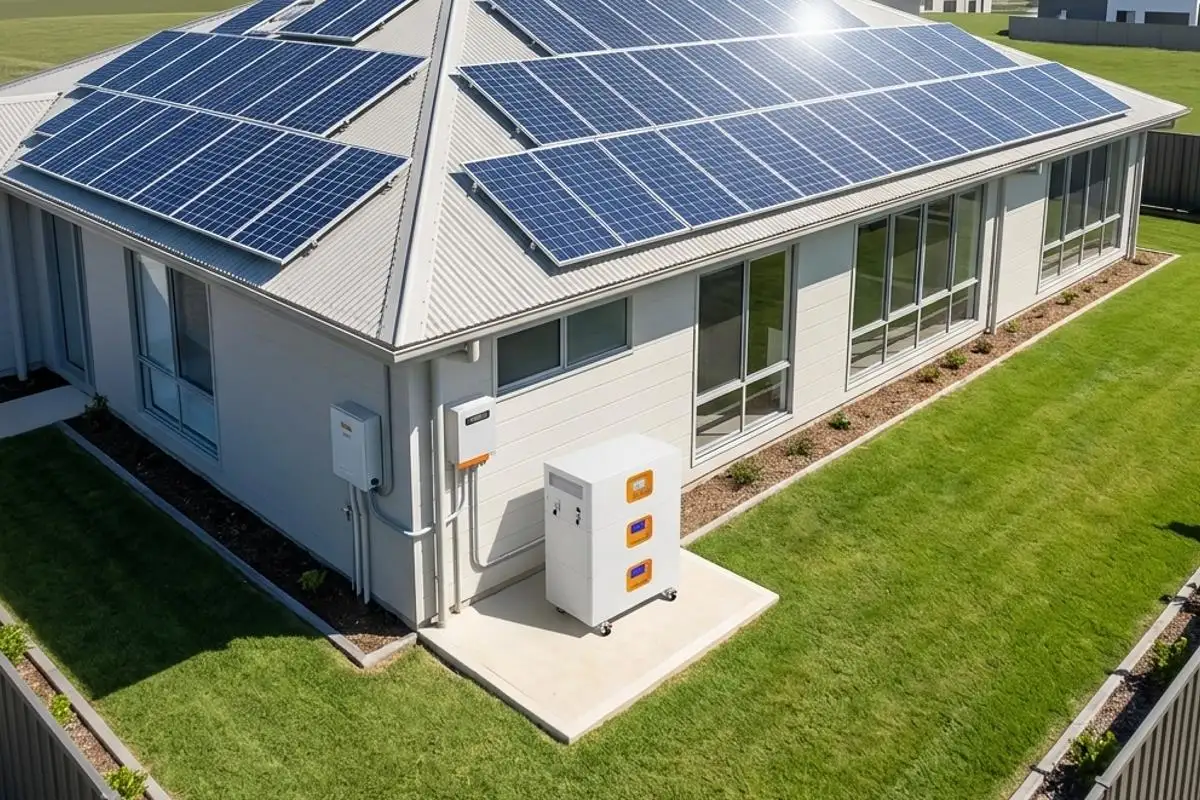
Pair a portable power station with solar panels, and you’ve got something special. The panels charge the battery during the day. The battery powers your stuff at night. Clean energy, full circle.
A simple setup—one small solar panel, one mid-size power station—can cover a whole weekend of camping. No gas. No noise. Just you and the quiet.
Path Three: Rethink Your Daily Habits
Even if you just charge from the wall, you’re still ahead of a gas generator. Sure, the grid isn’t perfect. But power plants run way cleaner than those little backyard generators. They handle pollution better too.
Want to go further? Charge when the grid is greenest—midday when solar is pumping, or overnight when wind farms are spinning. Small move, but it adds up.
How to Pick the Right One
Lots of options out there. Here’s what actually matters.
Match the size to your needs
Under 300Wh: Phones, laptops, a drone. Good for solo camping or keeping connected during short outages.
500–1000Wh:Add a mini-fridge, a TV, or medical gear. Sweet spot for most weekend trips and home backup.
1000Wh and up:Now you’re talking full-size fridge, multiple charges, maybe even a window AC for a few hours. Serious home backup territory.
Check what you can plug into it
AC outlets:Make sure it’s pure sine wave if you’re powering laptops or medical stuff. Cheaper ones use “modified sine wave” that can mess with sensitive devices.
USB-C fast charging:This matters more than you think. Charges phones and laptops directly, no brick needed.
-12V ports: Good for car fridges, camping lights—that kind of thing.
Think about how you’ll charge it
Want to go solar? Make sure the unit supports it. Check the solar input specs—higher number means faster charging. Also nice to have “pass-through charging” so you can use it while it’s filling up.
Consider how you’ll carry it
If you’re hauling it around, weight and handles matter. If it’s staying home, not so much. Taking it outdoors? Look for something that can handle dust and weather.
What People Get Wrong About Portable Power
Every time portable power comes up, you hear the same doubts. Some of them sound reasonable. But most are based on old info or outdated tech.
Myth 1: “They’re too weak to run anything”
This one made sense ten years ago. Back then, portable power meant “juice pack for your phone.” That’s it.
Not anymore.
A decent 1000Wh unit today can:
Keep a fridge cold for 12–18 hours
Charge a laptop 5 or 6 times
Run a CPAP machine all night
Keep your wifi on and lights working
All at once.
So no, it’s not “too weak.” It’s “strong enough for what actually matters.”
Myth 2: “Lithium batteries catch fire”
Say “lithium battery” and people picture phones exploding or e-bikes going up in flames. Yeah, that happens—with cheap junk.
Here’s the deal:
Cheap no-name brands use recycled cells and skip the safety circuits. Those are risky.
But reputable brands now run on LiFePO₄. It’s the safest lithium tech out there. You can poke a hole in it—won’t catch fire. Overcharge it? Still fine. That’s why hospitals in Europe use it. Same for solar storage and medical gear.
Think about it: five gallons of gas in your garage, or a LiFePO₄battery? Gasoline goes up with one spark. A certified power station just sits there, doing its job.
Myth 3: “Too expensive. I’ll just get a generator”
Look at the price tag, and yeah—a gas generator runs a couple hundred bucks. A portable power station? Four, five, sometimes more.
But that’s not the whole picture.
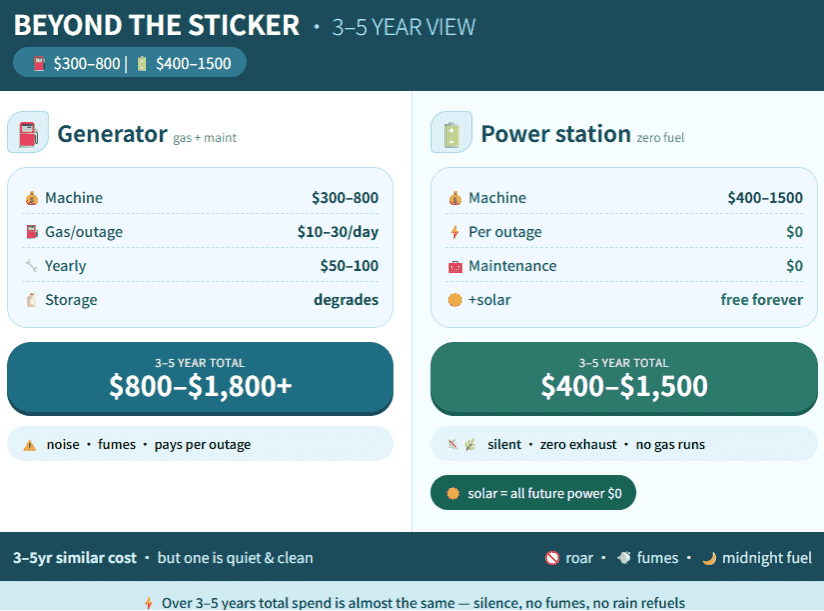
Run the numbers over 3–5 years:
Gas generator:
Upfront cost: $300–$800
Every outage: $10–$30 for gas
Regular maintenance: oil changes, spark plugs, filters—$50–$100 a year
Fuel goes bad if you don’t use it
Portable power station:
Upfront cost: $400–1500
Every outage: $0
Maintenance: $0
Add solar panels? After that, your power is free
Over a few years, the total comes out pretty close. Except one runs on fumes and noise. The other just… works.
Myth 4: “Sits around doing nothing most of the time”
People treat portable power like a fire extinguisher—buy it, stick it in a closet, forget about it until something bad happens.
But you don’t have to.
Take it camping. Now your cooler stays cold. Your lights work. Your speaker plays.
Throw a small solar panel on your balcony. Charge the unit during the day, plug your phone in at night.
Have friends over? Bring it out when the music needs a boost.
If you get one that works with solar, even better. Sun in, power out. All day.
It can sit in a corner. Or it can come along and make stuff better. Your call.
Gas generators have been the default for decades. We got used to “outage = noise + fumes + refueling.” Portable power is different. Clean. Quiet. No babysitting required.
Companies like Piforz build this stuff—reliable power in a box you can take anywhere. Ready when you are.
Portable Power: The Quieter, Cleaner Choice
Gas generators are on the way out. They’re loud. They’re dirty. They’re old tech.
Portable power? The tech is solid. Prices are dropping. More and more homes are switching. It’s quiet. It’s clean. Pair it with solar, and you’re running on pure zero-carbon juice.
Next time the lights go out, you have a choice. Add to the noise. Or try something different.
The tech is ready. A cleaner future starts with the next outage.