
In 2026, as climate change intensifies, frequent extreme storms and fragile aging power grids have rendered power outages no longer a low-probability event occurring ‘once every few years.’ These disruptions lack a predictable timeline and tend to strike unexpectedly during the coldest or hottest periods, or when electricity demand is most critical.
Faced with such uncertainty, many people’s first reaction is: “I’d like to buy a backup power supply too, but those bulky units costing $2,000 to $3,000 rarely get used more than a few times a year – it’s just too expensive to justify.” To be honest, these concerns are entirely valid. If you’d asked me years ago what kind of power supply you’d buy for $500, I might have advised against getting your hopes up. But this year, the landscape has completely transformed.
I.Industry shakeout: $500 used to only buy a ‘large-capacity power bank’ —what about now?
Three years ago, $500 could only buy a 300Wh battery, barely enough to charge a smartphone.
The new standard in 2026: With the same budget, you can now purchase 700Wh or even 1100Wh batteries. The capacity has tripled, sufficient to handle real-world household power outages.
II.Unraveling the parameters’ packaging: With a price tag under $500, what exactly can it achieve?
The purchase of power supply is not about buying numbers, but rather about acquiring “quality of life during power outages.” Let us translate those dry wattage and capacity specifications into tangible scenarios of daily household living. In the event of a standard 12-to-24-hour power outage, what critical “baseline” functions can an excellent $500-level backup power supply safeguard for you?
1. Safeguarding the “lifeline” of information and communication
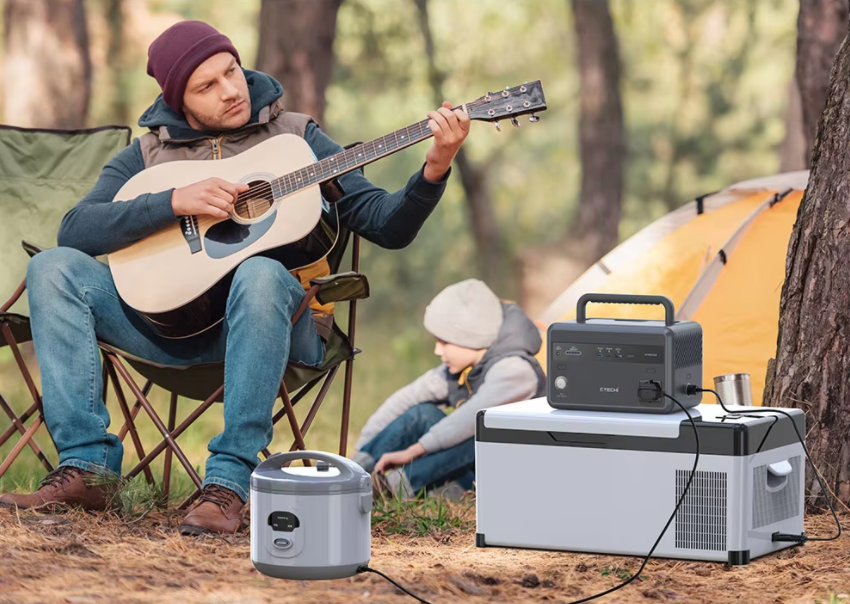
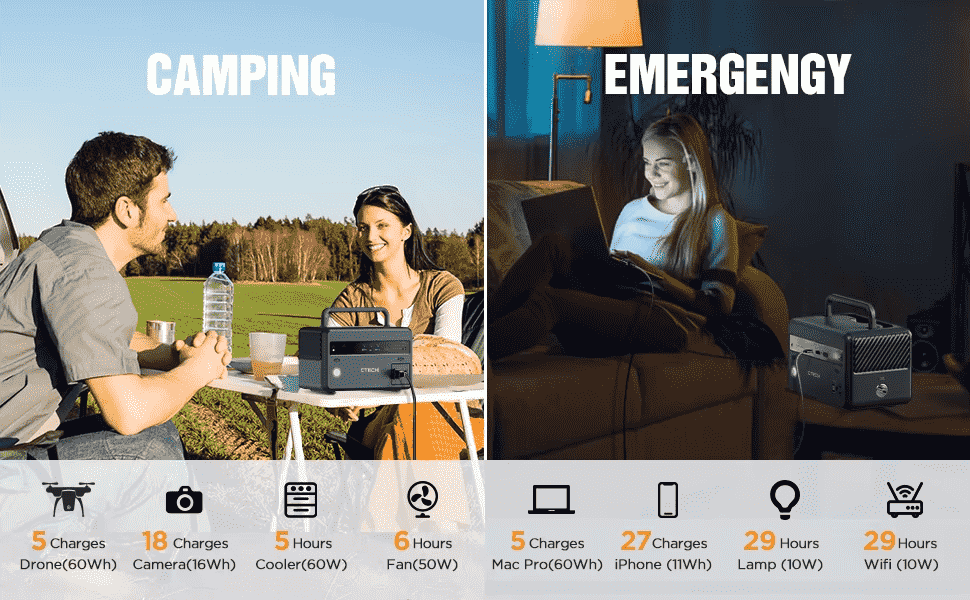
The real nightmare of a power outage isn’t the darkness, but losing all communication. A 700Wh battery pack can keep your home router and optical modem running for over 40 hours. It’s enough to charge three family members’ phones multiple times while fully powering up two laptops. You can comfortably sit on the sofa, either handling work emails or binge-watching videos until the grid recovers.
2. Salvaging hundreds of yuan worth of ingredients from the refrigerator
Three hours after a power outage, the contents of your refrigerator’s freezer start to face serious risks. An economical power station with an output of 800W-1000W can fully power a full-size household refrigerator. While it can’t keep the fridge running nonstop for 24 hours, adopting an “intermittent power supply” approach—plugging it in for two hours to cool down before unplugging to maintain refrigeration—will help you survive long days and preserve your valuable fresh produce and chilled beverages.
3. Critical Health and Medical Security
If you or your family members require the use of a CPAP sleep apnea machine at night, a power outage can be fatal. After disabling the humidifier function, a power supply of several hundred watt-hours is sufficient to ensure the apnea machine operates quietly for 3 to 4 nights.
4. Basic Lighting and Small Household Appliances
It can effortlessly illuminate multiple LED lights in a room, and even allow you to boil several pots of hot water using an electric kettle, brew a cup of coffee, or warm breast milk for infants. During severe outdoor storms, having access to hot water at home provides the greatest comfort.
III.Budget is limited—avoid these four pitfalls!
The affordable power supplies on the market are a mix of high-quality and substandard products, often appearing similar in appearance but concealing significant internal differences. If your budget is under $500, be sure to use the following four criteria for selection:
Key Metric 1: Understanding the Threshold of Capacity (Wh)
Many unscrupulous merchants often confuse ‘output power (W)’ with ‘battery capacity (Wh).’
- If you live in a single apartment and only need internet access, lighting, and a charged phone during power outages, a 700Wh to 800Wh battery is the ideal golden capacity—compact and affordable.
- If you have a family requiring a running refrigerator or multiple computers for simultaneous work, aim to stay within this budget range when considering devices above 1000Wh capacity.
Key Metric 2: The Hidden Weapon – UPS (Uninterruptible Power Supply) Switching Time
Many people overlook this parameter. When a power grid experiences a sudden outage, the power supply must react within milliseconds to resume electricity delivery.
- Poor-quality power supply: Slow response time. During a power outage, your desktop computer may instantly turn black and restart, causing your painstakingly written documents to vanish in an instant.
- Industry pass rate: 20 milliseconds (ms). This speed is sufficient to deceive most televisions, routers, and common electrical appliances, making them unaware of power outages.
- [Your Brand Name]’s Standard: We have achieved 10-millisecond esports-grade switching speed across multiple models. This is critical for protecting precision medical equipment, high-performance PC graphics cards, and NAS data servers.
Core Indicator 3: Safety and Lifespan Threshold – Lithium Iron Phosphate Batteries
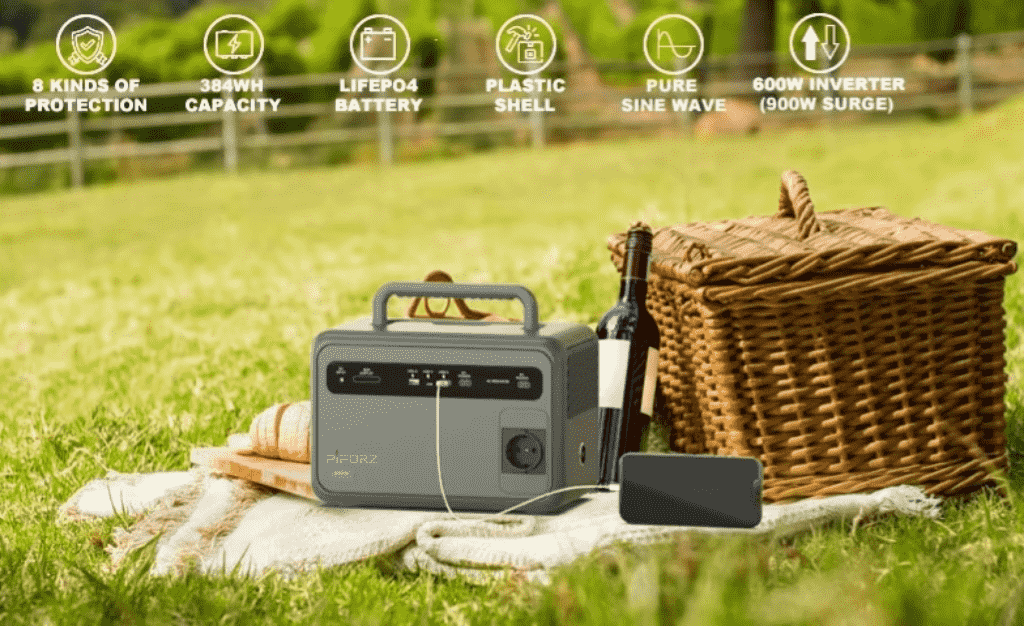
Stop purchasing outdated ternary lithium batteries! Not only are they unsafe, but their capacity degrades significantly within just two to three years. Always opt for LiFePO4 (lithium iron phosphate) cells. These batteries exhibit exceptional thermal runaway resistance, ensuring extreme safety for home use, and typically deliver over 3,000 charge-discharge cycles. This means they can maintain 80% health status even with daily use for a decade. Within a $500 budget, this should be a must-have standard.
Core Indicator 4: Solar Energy “Overcapacity” Potential
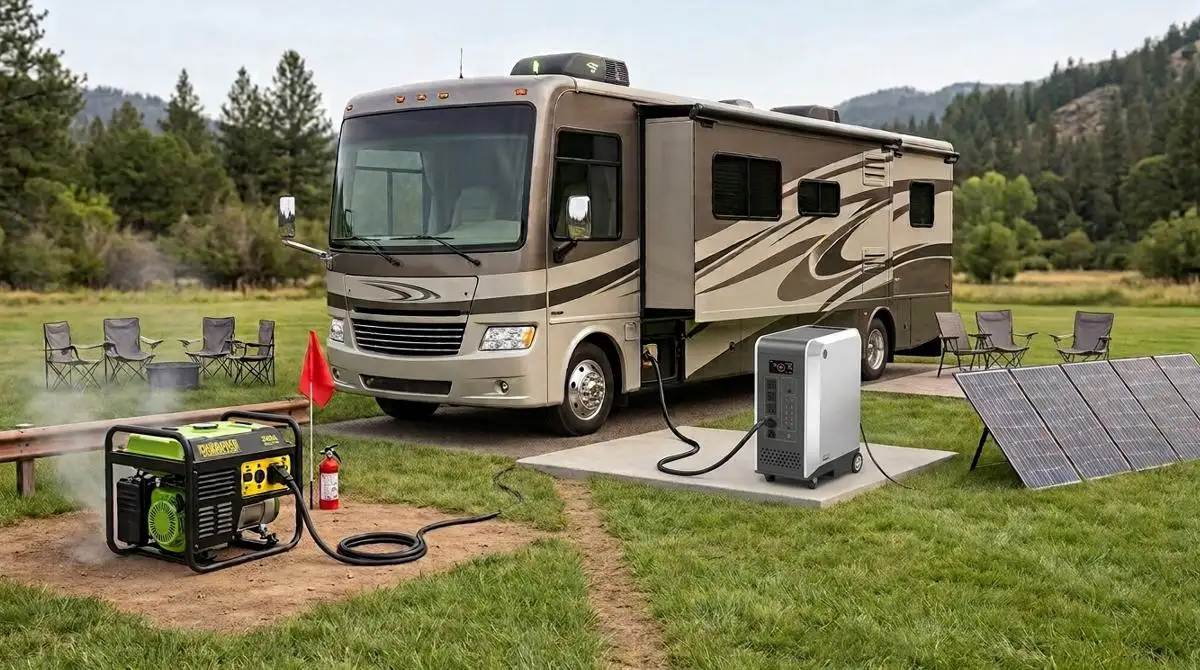
Many users find their solar panels fail to reach full charge, primarily due to natural light conditions (cloudy skies, early/midday/evening hours) that rarely match theoretical maximum output. For off-grid solar systems, a proven strategy is ** “solar overcapacity configuration.” ** For example, when a power supply’s maximum solar input is 150W, we strongly recommend pairing it with a 200W or higher solar panel. Rest assured, this won’t damage your equipment! Devices like our Piforz portable power stations feature advanced MPPT controllers that intelligently intercept excess current. This ensures optimal utilization of the 150W input limit even on cloudy days with limited sunlight, doubling charging efficiency.
IV.Piforz’s’ Nationwide Standard’ Backup Power Solution
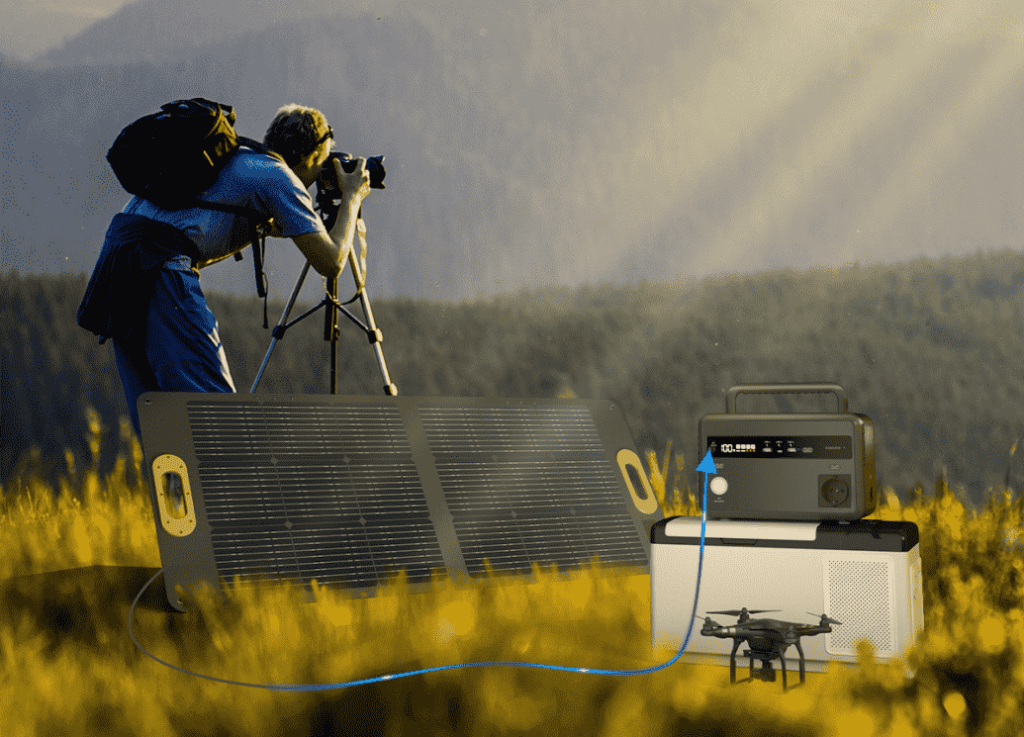
As your trusted energy manager, [Your Brand Name] has developed two foolproof “gatekeeper” products under $500 to meet the daily needs of average households—products you can confidently purchase without hesitation.
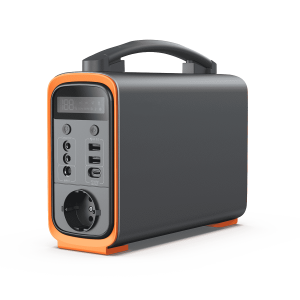
1. Lightweight all-rounder: [Recommended models: Piforz PF200, Piforz PF500]
- Regular price: $100-$200 (always offering great value for money)
- Core specifications: [700+Wh] battery capacity, [800W] pure sine wave output.
- Who it’s suitable for: Renters, small-sized households, or as an auxiliary power source for primary electricity needs.
- Why it’s worth buying: Its compact size and lightweight design allow one-handed portability. Featuring a built-in 15ms ultra-fast UPS function, simply plug it between your computer and wall outlet to prevent game saves or work files from being lost due to power outages.
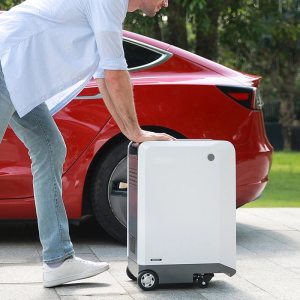
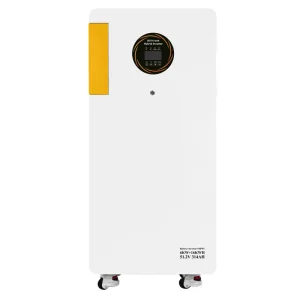
2. High-capacity monster machine: [Recommended models: Piforz PF1500, Piforz PF2000]
- Daily price: Close to the budget line, under $500.
- Core specifications: Breakthrough [1000+Wh] high capacity with [1200W] powerful output.
- Who it is suitable for: Families residing in areas frequently affected by blizzards or hurricanes, and users with high refrigerator freshness requirements.
- Why it’s worth buying: This is the “energy monster” available in this price range. It not only provides prolonged power for high-power electrical appliances but also features exceptionally quiet operation (nearly silent under low load conditions), ensuring it won’t disturb your sleep even when placed beside a bedroom bedside.
V.Conclusion: Do not let waiting become the regret of the next power outage
To be frank, purchasing a backup power supply is akin to buying home insurance. You hardly perceive its existence in daily life, yet the sense of security it provides in the instant of power outage is invaluable.
The era of technological equity has arrived. You don’t need to spend thousands of dollars or master complex electrical circuits. With a budget under $500, you can build a reliable “power defense line” for your family during the 2026 storm season. When your neighbors are plunged into darkness and panic, you can still light a warm lamp, brew a cup of hot tea, and enjoy a peaceful night with ease.