If you live in the United States—particularly in Texas, California, or the northeastern regions prone to hurricanes and blizzards—you’ve likely pondered this question: Is it really necessary to install a backup battery system at home?
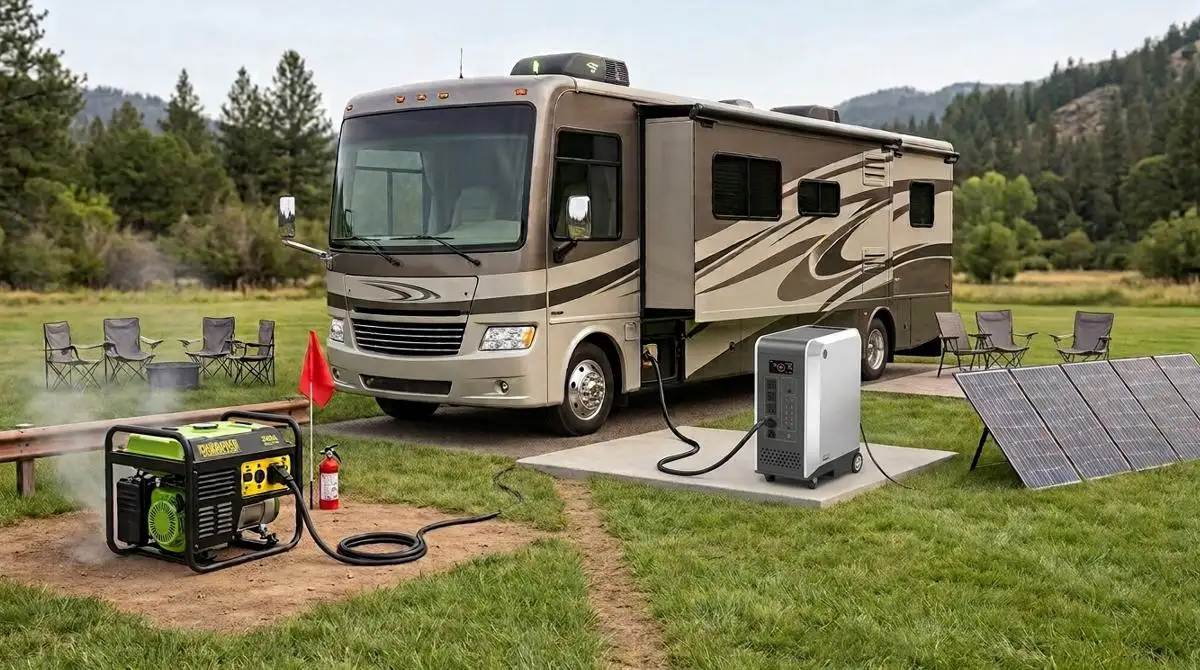
In the past, when people mentioned “home backup power supply,” they often thought of the noisy oil-fired generator in the backyard that would alarm neighbors and emit black smoke. However, by 2026, lithium battery energy storage systems represented by Piforz have completely transformed the industry landscape.

I. Why Use Battery-Powered Equipment? (Advantages Section)
1. It serves as your “last line of defense” against extreme weather conditions.
The aging of the power grid in the United States is no longer news. According to statistics, the duration of power outages experienced by Americans increases annually.
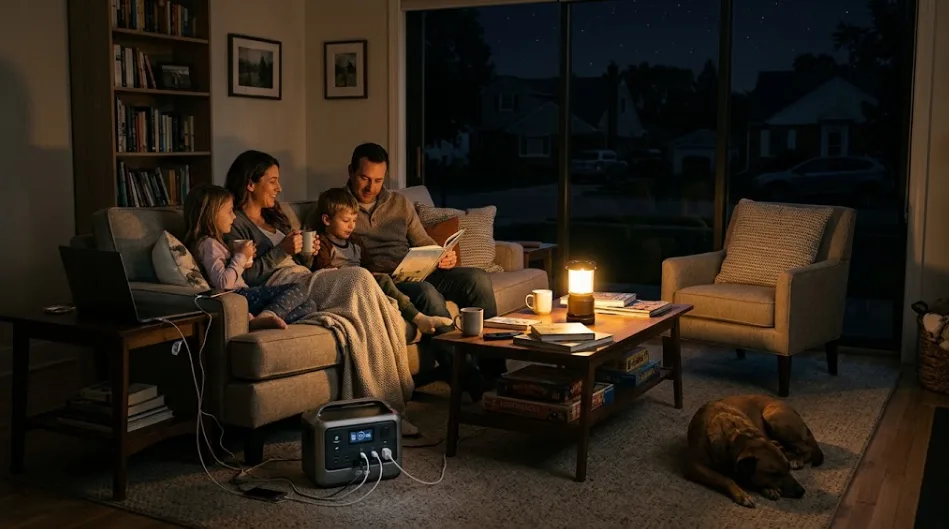
- Instant power restoration: Our [Model A] features 0-millisecond switching capability. This ensures that during sudden grid outages, your computer will not experience black screens, Wi-Fi connections will remain uninterrupted, and even lighting will not flicker. For households with medical equipment (e.g., ventilators) or individuals requiring round-the-clock remote work, this not only provides convenience but also saves lives.
2. It’s a’ financial product’ designed to help you cash in on electricity company discounts.
In many states across the United States, electricity rates are based on Time-of-Use (TOU) pricing. From 4:00 PM to 9:00 PM, electricity costs become prohibitively high.
- Low-buy high-sell strategy: You can configure the system to charge during the early morning when electricity rates are low, and then switch to battery power supply during the evening peak electricity consumption period when rates are highest. Over the course of a year, the savings in electricity costs can significantly offset a substantial portion of equipment expenses.
3. Farewell to Maintenance Nightmares
If you have used a fuel generator, you must remember that ordeal: regular oil changes, carbon buildup cleaning, concerns about gasoline degradation, and the need to pull the starter rope in wind and rain.
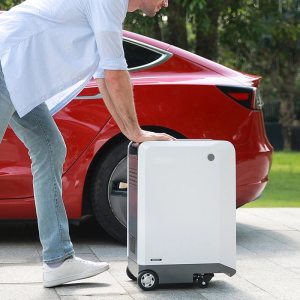
- Zero maintenance: The backup battery system functions like your smartphone—simply plug it in and leave it unattended. It operates silently without generating exhaust emissions, allowing elegant placement in garage corners or even living rooms. This system can remain quietly operational for over ten years without requiring servicing.
II.Practical considerations: Why do some people still hesitate? (Shortcomings section)
1. The initial investment is indeed substantial.
A backup system capable of supporting high-power electrical appliances throughout the entire house may incur an initial purchase cost ranging from several thousand to tens of thousands of dollars. Although the federal government provides a 30% tax credit (ITC), the upfront expense remains a significant financial burden for average households.
2. It is not “unlimited power”
This is a common misconception. The capacity (Wh) of batteries is limited. If you intend to operate central air conditioning and electric dryers during power outages, the majority of small and medium-sized batteries available on the market may only sustain operation for two to three hours.
- Solution: Therefore, we have consistently promoted the concept of “modularity.” For instance, Piforz’s system supports battery pack expansion akin to assembling building blocks, allowing you to scale from 2kWh to 58kWh based on budget constraints.
III. The Unspoken Rules of Selection Known Only to Industry Experts in 2026
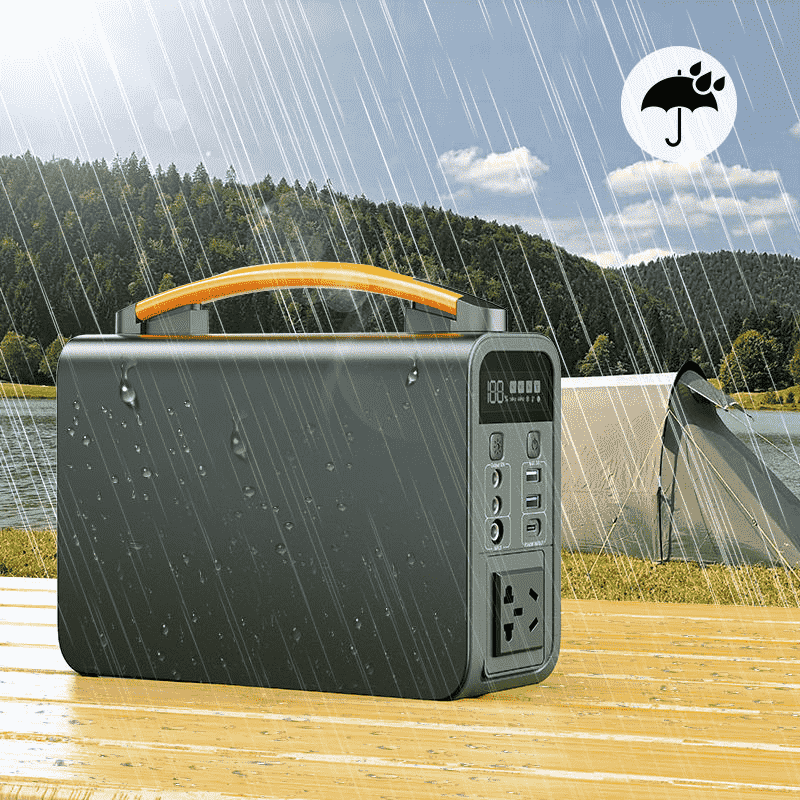
Since you’ve already decided to make a purchase, don’t just focus on price. As a power station manufacturer, I recommend you prioritize two key metrics that most people overlook:
First, assess the lifespan of the battery cell.
Currently, there are two mainstream battery types on the market: ternary lithium and lithium iron phosphate (LiFePO4).
- Industry experts recommend: Lithium iron phosphate (LFP) should be the preferred choice. Although slightly heavier, it offers a cycle life of 3,000–6,000 cycles, compared to 500–800 cycles for ternary lithium batteries. More importantly, LFP exhibits exceptional stability, with no risk of thermal runaway or fire—critical safety parameters for indoor devices.
Second, observe the ‘recharge’ speed during charging
Power outages are often persistent. If the first wave of outages ends and the grid briefly recovers for one hour, how much power can your battery be charged?
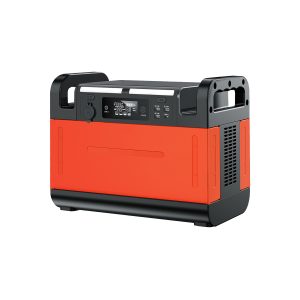
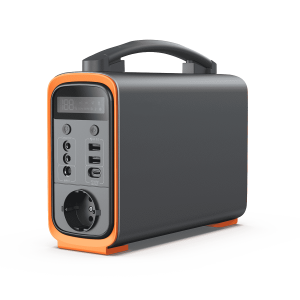
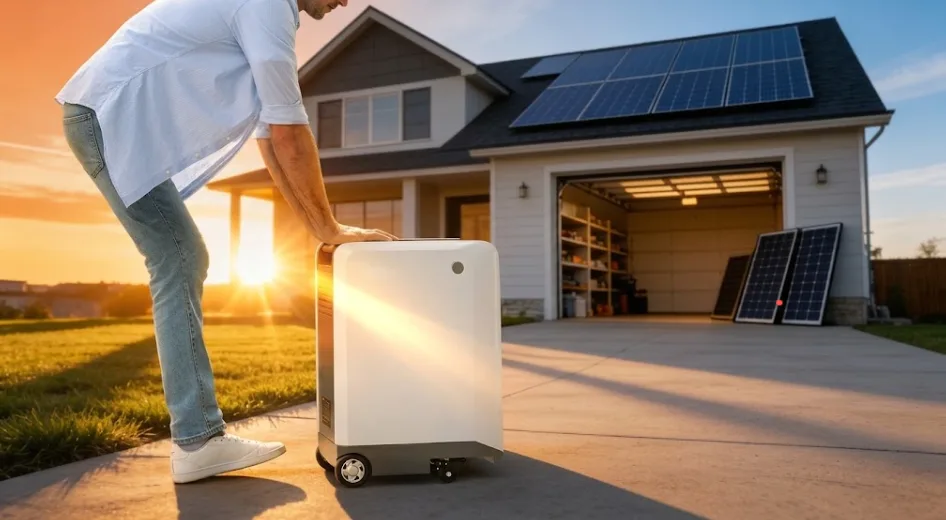
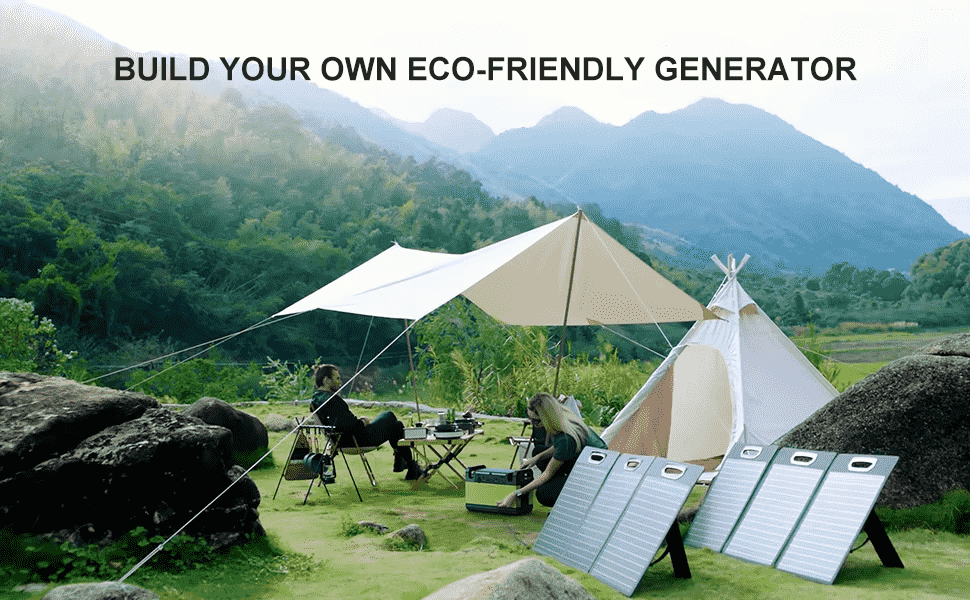
- Bidirectional fast charging: The current top-tier system, the Piforz PF1500 solar generator, can achieve 80% charging within 1 hour. When paired with solar panels, it enables energy self-sufficiency on every sunny day even in the event of complete grid failure.
IV. Conclusion: Is it suitable for you?
- If you prioritize exceptional value for money and are not bothered by noise or annual maintenance, a fuel-powered generator might be a better fit for you.
- But if you value seamless switching, zero maintenance, energy efficiency, cost savings, and that calm feeling of ‘while all your neighbors are out of power, only yours stays lit’ during extreme weather, then a home backup battery system is undoubtedly one of the most worthwhile investments for families in 2026.
At Piforz, we don’t just sell batteries—we’re empowering you with ‘electricity sovereignty’.