
I’ve been organizing my home backup power supplies lately, and I’ve been constantly drawn to the “20:20:20” rhythm. It’s not some manufacturer-mandated, tedious maintenance procedure, but rather a simple and easy-to-implement maintenance approach that ensures the generator remains reliable in critical moments. Frankly, this rule isn’t some high-tech official standard, but it’s incredibly practical for ordinary users like us, helping you extend the generator’s lifespan by several years. Let’s take a look.
I.Why do we need to do this?
When I first started managing the equipment, I didn’t understand either. I thought it would be easier to just leave the generator unused. But I learned my lesson after a few mistakes.
1. Fuel issues are the biggest headache.
Diesel fuel really does “go bad” if left out for too long. We had a backup generator at our factory that sat idle for three months, and when we needed it urgently, it wouldn’t start. When we opened it up, we found a layer of sticky sediment at the bottom of the fuel tank, and the fuel injectors were clogged. The mechanic explained that this was gum and microorganisms that build up from the diesel fuel sitting for so long. Now we strictly adhere to regular maintenance, and our fuel system hasn’t had any problems since.
2. Battery depletion is too common.
Last month, the neighboring factory experienced a power outage, and their backup generator wouldn’t start. Upon inspection, the battery voltage was only 10V. Generator batteries slowly discharge when idle, and if they aren’t recharged for a long time, they’ll definitely fail when needed.
This is where the 20:20:20 rule comes in handy!
II. What is the 20/20/20 rule?
During power outages, homeowners often opt for portable gasoline or diesel generators, neglecting crucial safety procedures. The “20/20/20 rule” is a widely cited guideline for safe generator placement and use:
1. Run the generator for 20 minutes monthly to keep the fuel fresh and the engine running smoothly.
2. Run the generator at at least 20% load to prevent wear and tear from under-loading.3. Perform a quick service every 20 hours of use—check the oil, replace the filter, and perform other basic maintenance.
Since we started maintaining our machine at this pace, we haven’t had to change the spark plugs in four years. Even the repairman praised the machine for looking brand new
III. Detailed Explanation of the 20:20:20 Rule
1.20 minutes: Duration of each run
- What it means: When testing or warming up, run the engine for at least 20 minutes to allow it to heat up.
- Why it’s important: Shorter runs mean the lubricating oil won’t circulate properly, and moisture can easily corrode the exhaust system. 20 minutes is enough to get it working normally and also allows you to check the automatic transfer switch and battery.
- How to do it: Test it once a week or every two weeks in a well-ventilated area. Listen to the sound and check for any unusual smoke from the exhaust. After testing, let it cool down before turning it off. Safety first; carbon monoxide is no joke.
- Note: Some areas have strict regulations; you should seek help from a professional, especially for internal combustion engines.
- 20% load: Output requirement during testing
- What it means: When testing a generator, always give it at least 20% load; don’t just let it idle.
- Why it’s important: Running it idle can easily lead to overheating or incomplete fuel combustion. A 20% load simulates real-world scenarios, such as turning on lights or running the refrigerator during a power outage, keeping both the engine and generator running and maintaining their operational status.
- How to do it: For example, if you have a 10kW generator, connect a 2kW load—a household appliance or a load cell will do. Test it monthly using a power meter. An online report from EGSA (Electrical Generation Systems Association) says this can reduce the failure rate by 30%, which seems reliable.
- My experience: The first time I tested it, I forgot to add a load, and the engine sounded off. After adding a load, it became stable.
3. 20-hour maintenance and inspection cycle
- What it means: Check the basic components every 20 hours of operation. This is suitable for home generators that are used infrequently, such as those tested only a few times a year.
- Why it’s important: Generators have a lifespan measured in hours. Neglecting checks can easily lead to carbon buildup or oil leaks. Diesel engines are particularly prone to “wet buildup,” meaning unburned fuel accumulates inside.
- How to do it: Use the generator’s built-in clock to record the hours. If you don’t have one, buy a cheap digital timer. After 20 hours, change the engine oil, check the coolant, and inspect the belts and air filter. My generator had a small crack found during the last inspection; it was fixed sooner rather than later.
• Tip: If your home is dusty or humid, extend the interval to 15-18 hours to avoid serious problems.
IV. Why is this “20-20-20” so useful?
Personally, I think the good thing about this rule is that it “prevents problems before they occur.”
1. Cost-effective: Addressing minor issues promptly is far more economical than waiting for major problems to arise. Generator maintenance can be a significant expense.
2. Peace of mind: You don’t need to monitor it daily, but following this routine provides peace of mind, knowing it’s always available.
3. Long lifespan: Just like maintaining a healthy lifestyle, a well-maintained generator will last longer. This allows your generator to reach its full potential.
4. Reliable in critical moments: Especially for emergency generators, they are crucial during power outages. Their failure in such situations could have disastrous consequences.
V. Generator placement and carbon monoxide
When using a generator, you must pay special attention to its placement, as this is closely related to the safety of carbon monoxide emissions. Generators produce carbon monoxide, a colorless and odorless but toxic gas. Improper handling can easily lead to poisoning. Below, I will discuss in detail the issues related to the placement of generators.
1.Dangerous placement location::
| Placement | Dangerous reasons |
| Indoors (basement, garage, etc.) | In a confined space, carbon monoxide cannot disperse effectively and will accumulate to a dangerous concentration in a short period of time, leading to poisoning. |
| Near doors, windows, and ventilation openings | The carbon monoxide produced can easily enter the room through these channels, endangering the health of people inside. |
| low-lying areas | Carbon monoxide is slightly lighter than air and does not disperse easily in low-lying areas, so it accumulates continuously. |
2.Safe placement recommendations:
- Outdoor courtyard: Choose a corner in the courtyard that is away from the doors and windows of the house and has good ventilation, such as the edge away from the bedroom window. It is better if the terrain is higher.
- Independent generator room: If conditions permit, an independent generator room can be built with a reasonable ventilation system, such as exhaust fans and ventilation ducts, and a safe distance from other buildings. The door should open outwards.
For your own safety and the safety of others, everyone must pay attention to the placement of generators when using them to avoid the tragedy of carbon monoxide poisoning.
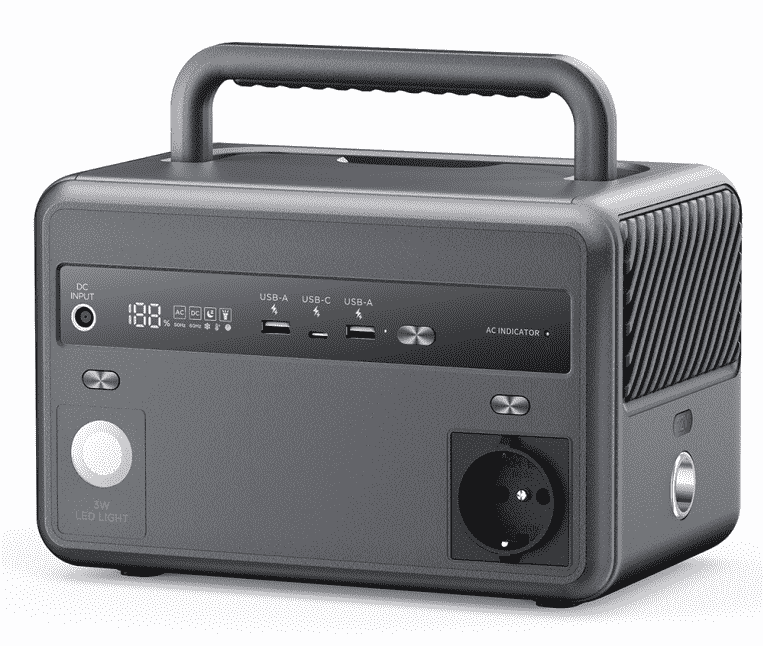
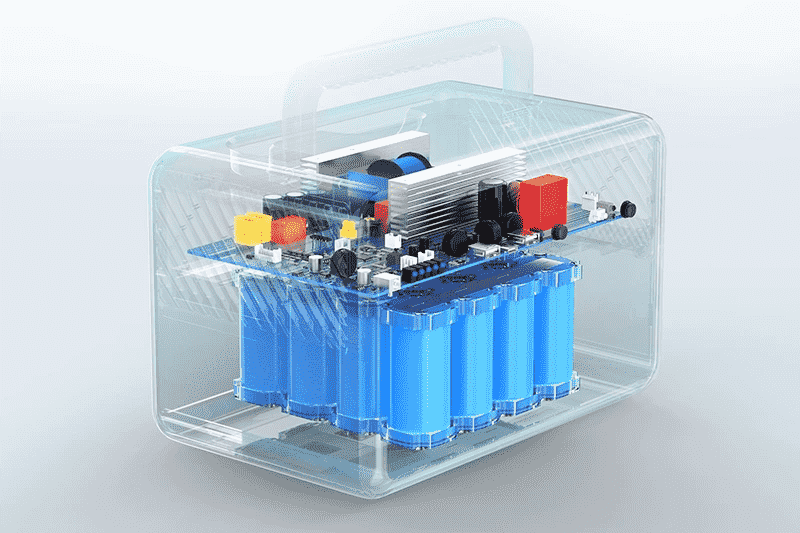
VI. Portable Solar Power Stations: Safer Alternative
For families seeking a safer indoor backup power solution, a high-capacity portable solar power station can eliminate many of the risks associated with internal combustion generators. It produces no exhaust fumes, requires no fuel disposal, poses no risk of carbon monoxide emissions, and is generally quieter and easier to maintain.Brands like Paithfindr offer devices equipped with lithium iron phosphate (LiFePO₄) batteries, which are more stable in cold weather and suitable for winter backup power. Using portable power stations eliminates the need to move heavy equipment outdoors or deal with fuel in extreme weather to power essential home