By Chloe Bai In the rapidly digitising world of 2026, energy is no longer a static utility tied to a wall socket—it is a mobile asset that is redefining the boundaries of our daily lives.
For years, the portable power station was seen as the “rugged interloper”—a heavy grey box dragged into the wilderness once a year for a camping trip. But as we navigate the mid-2020s, a quiet domestic revolution is taking place. The sleek, silent units from manufacturers like piforz.com have migrated from the garage to the living room, the garden, and even the home office.
In 2026, portable energy isn’t just about “surviving” the outdoors; it is about “optimising” the indoors. Here are five surprising ways modern power stations are being woven into the fabric of everyday life.
1. The Birth of the ‘Cordless’ Garden Office
The “Work From Home” era has evolved into the “Work From Anywhere” movement. However, the biggest hurdle to productivity has always been the “tether”—the restrictive reach of an extension lead.
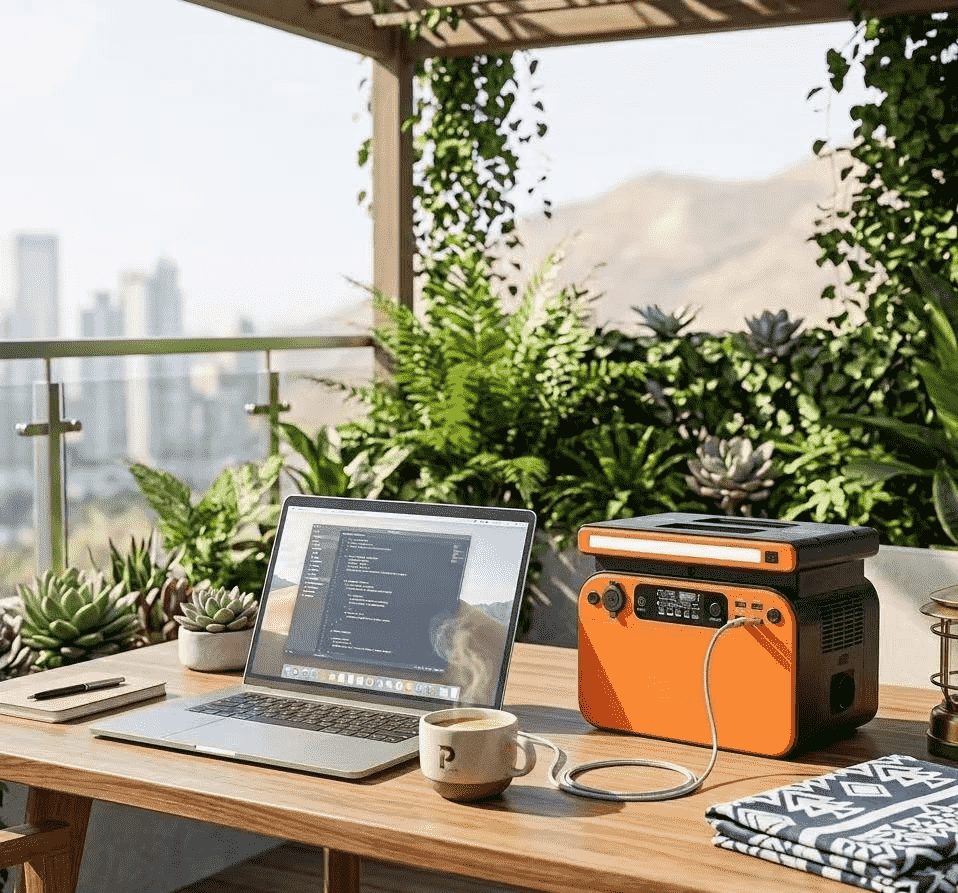
In 2026, professionals are reclaiming their outdoor spaces. By utilizing a portable solar power station, the shaded corner of a garden or a sun-drenched balcony becomes a fully functional executive suite. These units provide more than just a charge; their Pure Sine Wave inverters ensure that sensitive electronics, like high-end OLED monitors and ultra-fast Wi-Fi 7 routers, run without the interference or “hum” associated with cheaper power sources. It is the ultimate luxury: a 9-to-5 day powered entirely by the sun, free from the constraints of indoor architecture.
2. Precision DIY: Freedom from the Extension Cord
The traditional DIY project has often been a battle of cables. Whether you are building a raised garden bed at the far end of your property or repairing a fence post, the logistics of getting high-wattage power to the site are often more exhausting than the work itself.
The 2026 generation of power stations features high-surge capacities that can handle the “start-up” current required by circular saws, electric drills, and even pressure washers. For the modern homeowner, this means zero trips to the fuse box and zero cable-tripping hazards. By using clean energy storage on-site, the DIY enthusiast gains a level of mobility that was previously reserved for professional construction crews with expensive petrol generators—but without the toxic fumes or the deafening noise.
3. The Unseen ‘Safety Net’ for Home Healthcare
One of the most profound, yet least discussed, uses of portable power in 2026 is in the realm of home healthcare. As more medical procedures move from the hospital to the home, the reliability of the local power grid has become a point of anxiety for many.
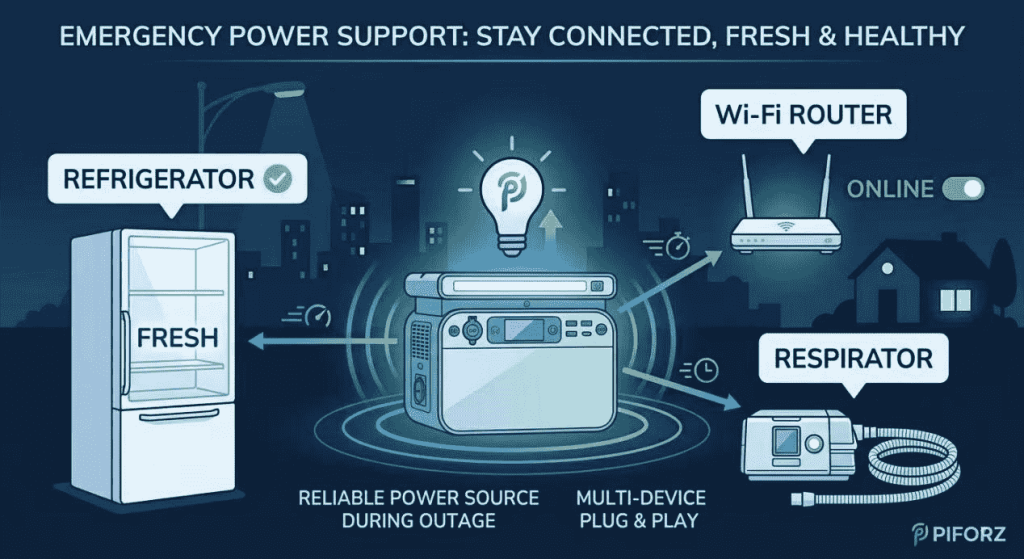
Devices like CPAP machines for sleep apnea, portable oxygen concentrators, and even temperature-controlled medication fridges require 100% uptime. A modern power station acts as an “Active Safety Net.” With UPS (Uninterruptible Power Supply) functionality, units from piforz.com can take over in milliseconds if the main grid fails. This invisible guard provides peace of mind that no wall socket can offer, ensuring that a midnight blackout doesn’t become a medical emergency.
4. Peak Shaving: The Intelligent Way to Lower Utility Bills
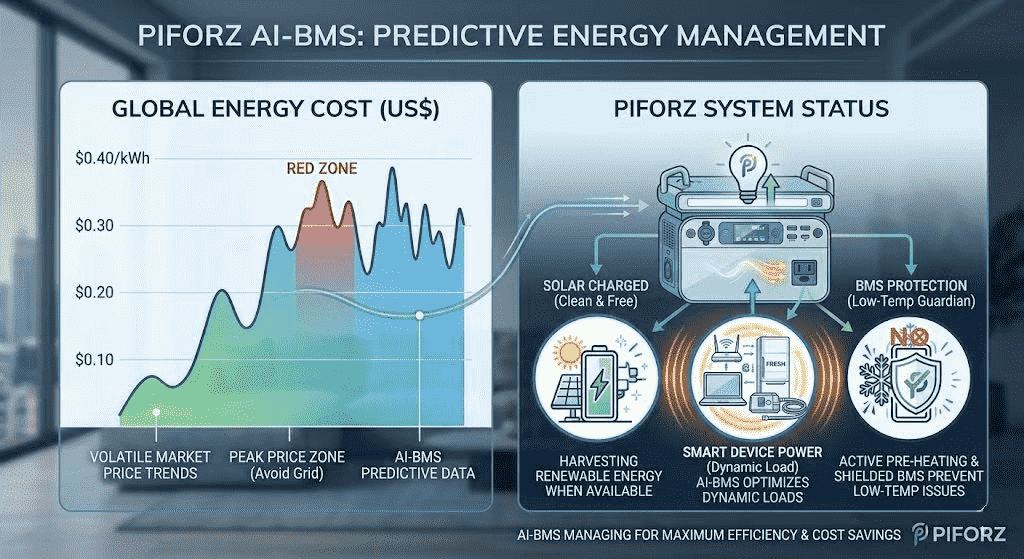
In 2026, electricity prices are increasingly “dynamic,” meaning power costs significantly more during the evening peaks when everyone is cooking and cooling their homes. This has given rise to a clever domestic strategy known as “Peak Shaving.”
Smart homeowners are now using their portable solar setups to store “free” energy from the sun during the afternoon. When the clock hits 6:00 PM and grid prices skyrocket, they switch their home entertainment systems, lamps, and even kitchen appliances to their power station. It is a small, daily act of energy independence that, over a year, results in a measurable reduction in both utility bills and the household’s carbon footprint. It is not just about having power; it is about smart power.
5. Silent Socials: The Zero-Emissions Outdoor Cinema
Finally, the portable power station has become the heart of the modern social gathering. In the summers of 2026, the trend of “Backyard Cinemas” has exploded. Traditional generators were always too loud for a movie night, but the silent operation of a LiFePO4 unit is perfect for powering a high-lumen projector and a multi-channel sound system.
Because there are no exhaust fumes, these units can be placed safely under a table or even inside a tent, making them the silent facilitators of starlit movie nights and unplugged garden parties. It is the pinnacle of the “Quiet Revolution”—high-tech entertainment without the environmental or acoustic cost.
Conclusion: A New Philosophy of Energy
As we look toward the future, the distinction between “home power” and “portable power” is blurring. The units we once bought for emergencies have become the tools we use for everyday excellence.
Whether you are seeking the quiet focus of a garden office, the safety of a medical backup, or the freedom of cordless DIY, the choice of hardware matters. The technical dividend of 2026 belongs to those who view energy as a mobile, personal resource.
Ready to redefine your daily routine? Explore the full 2026 lifestyle range from piforz.com and discover how silent, clean power can transform your world.
FAQ
1. Can a portable power station replace a traditional home UPS?
Answer: In 2026, most high-end portable power stations feature a Bypass Mode or UPS (Uninterruptible Power Supply) function with a switching time of less than 20ms. This is fast enough to keep desktop computers, Wi-Fi routers, and NAS servers running without rebooting during a sudden power outage. While dedicated enterprise UPS units are designed for server rooms, a modern portable station offers the added benefit of high capacity and the ability to be recharged via solar panels if the blackout lasts for days.
2. Is it safe to run medical equipment like a CPAP machine on these units overnight?
Answer: Yes, provided the power station uses a Pure Sine Wave inverter. This technology mimics the clean electricity from a wall outlet, which is essential for sensitive medical motors and electronics. Most 2026 models with LiFePO4 chemistry are preferred for home healthcare because they operate silently and do not emit toxic fumes, making them perfectly safe for use inside a bedroom or a closed tent.
3. How do I calculate how long my appliance will run on a specific power station?
Answer: You can use a simple standard formula:
Running Time = (Capacity in Wh × 0.85) / Power of your appliance in Watts. The “0.85” accounts for the natural energy loss during the DC-to-AC conversion. For example, if you have a 1000Wh station and want to run a 60W laptop, the calculation would be: (1000 × 0.85) / 60 ≈ 14.1 hours. For appliances that cycle on and off, like a refrigerator, the actual runtime is often much longer than a simple continuous calculation suggests.