Why Is My Electric Bill Still So High If I Have Solar Panels?
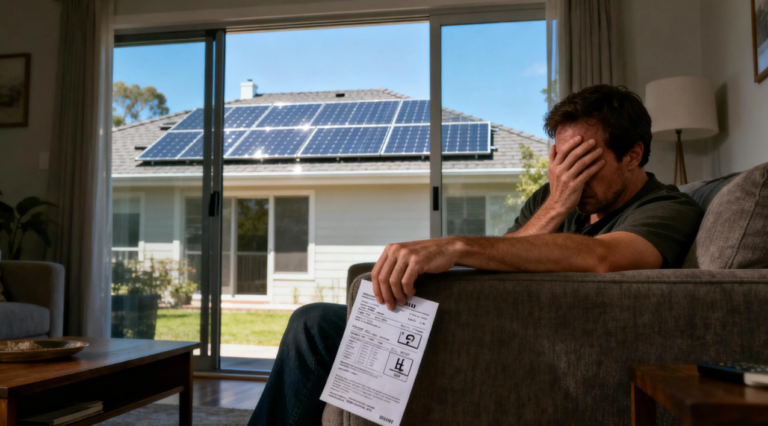
Have you ever wondered why your electric bill didn’t go down after installing solar panels—or even went up?
In general, solar panels do help reduce electricity costs. But if your bill hasn’t dropped as expected, there can be several reasons. With a closer look, the problem is usually easy to identify—and fix.
Solar Panels Can Lower Your Bill, But They Don’t Eliminate It Completely
- Solar Power Is Not Always Predictable
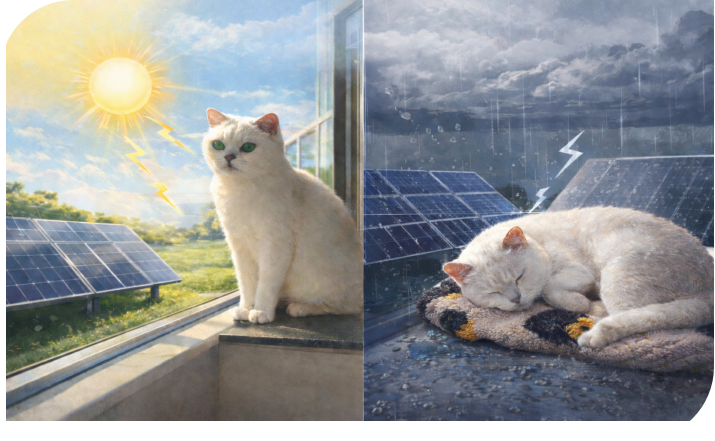
If your goal was to reach a near-zero electric bill, that can be hard to achieve. Solar power depends heavily on sunlight. In winter, days are shorter and solar output drops. Rainy or cloudy weather and extreme conditions can also reduce production.
Because of these factors, solar panels can’t always cover 100% of your electricity needs. Weather and seasons still play a big role.
- Rising Electricity Rates
Electricity prices may be another reason your bill stays high. Solar panels mainly cover daytime usage, but most households use the most power in the evening and at night. If you don’t have a battery, you’ll need to buy electricity from the utility during peak hours, when prices are highest.
That said, without solar panels, your bill would likely be even higher. As long as your system is working properly, it is saving you money. If you want to rely less on the grid, adding a battery can make a big difference.
- Solar Panels or Batteries Not Working Properly
If your bill seems unusually high, check the system itself. Make sure your solar panels are producing power as expected. If you have a battery, check its status too. If something isn’t working correctly, the system won’t deliver the savings you expected.
- Panel Aging and Environmental Changes
Over time, solar panels slowly lose efficiency, usually about 0.5% to 1% per year. This natural aging reduces how much power they produce.
Shading can also become an issue. Trees grow, new buildings appear, or new equipment blocks sunlight. Dust and dirt can reduce performance as well. In these cases, trimming trees, cleaning panels, or adjusting placement can help restore output.
- Increased Electricity Use
After installing solar panels, many homeowners stop paying close attention to energy use. But if you later add an EV, a new HVAC system, or other large appliances, your electricity demand goes up.
If your solar system stays the same while usage increases, it may no longer meet your needs. In that case, adding more panels could help.
- Your Solar System Isn’t enough
When your system was installed, it may have been sized just right for your needs at the time—with little room for growth. Over time, as usage increases and panels age, you’ll need to buy more power from the grid.
Sometimes systems are designed based on ideal conditions that don’t fully match reality, leading to lower-than-expected performance.
- Using Power at the Wrong Time
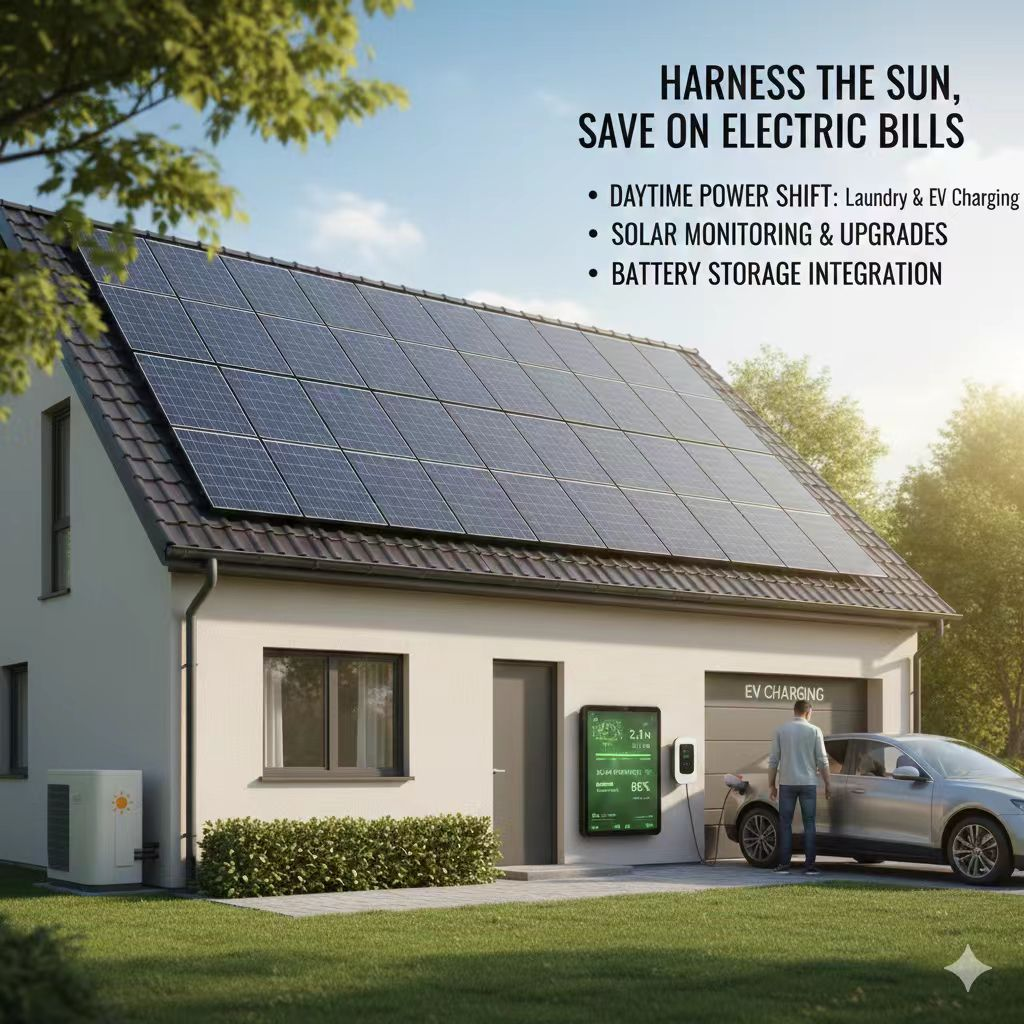
Timing matters. Shifting heavy electricity use to daytime hours can reduce your bill. Run appliances like washers, dryers, dishwashers, water heaters, or EV chargers when the sun is out.
If daytime use isn’t possible, adding a battery lets you store solar energy and use it at night—when electricity is more expensive.
- Changes in Utility Company Rules
Many utilities use Time-of-Use (TOU) pricing. Peak rates can be more than twice as expensive as off-peak rates. Peak hours often run from 4 p.m. to 9 p.m., when people cook, do laundry, and relax at home.
Without a battery, your solar panels aren’t producing power during these hours, so you end up buying expensive electricity.
For customers under NEM 3.0, power sent back to the grid during the day earns very little credit—often covering only about 25% of the cost of electricity bought back at night.
- Hidden Power Drains in Your Home
Some appliances quietly consume electricity even when they’re off or in standby mode. These “energy vampires” can significantly increase your bill.
Common culprits include:
- Central air conditioning systems
- Game consoles (PS5, Xbox)
- TV set-top boxes
- Old appliances (especially refrigerators)
- Desktop computers
- Microwaves
Unplug these devices when not in use. You’ll save money and reduce fire risk at the same time.
How Much Can Solar Really Save You?
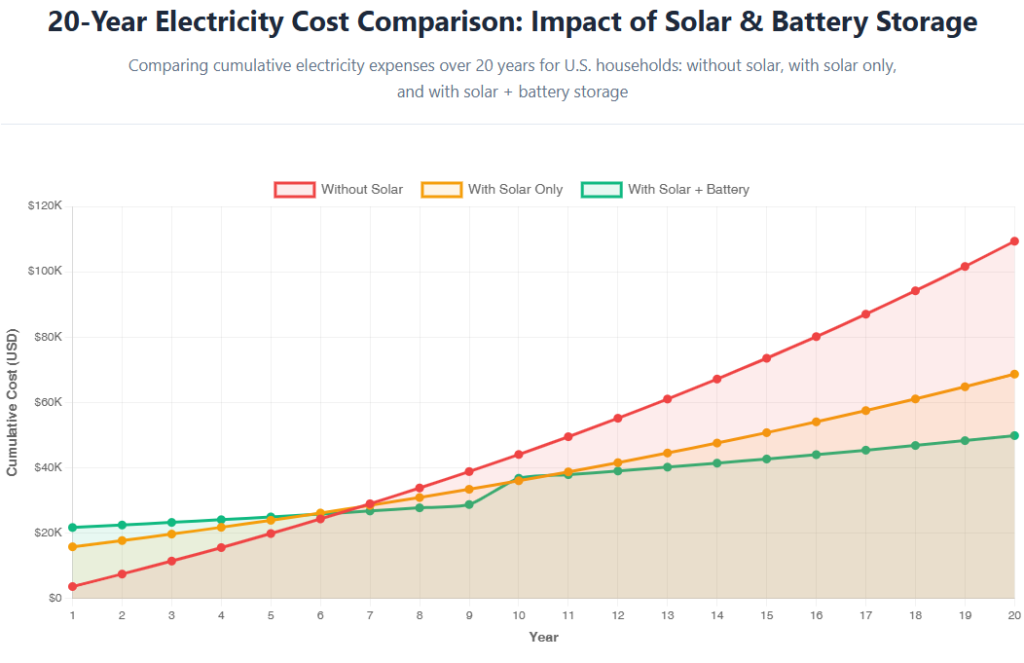
Charts clearly show the difference between homes that rely only on the grid and those using solar—especially when paired with batteries. While savings vary by household, one thing is certain: if your solar system is working properly, it will save you money. And it’s always better than having no solar at all.
How to Use Solar More Effectively to Lower Your Bill
Use High-Power Appliances During the Day
Run power-hungry appliances while your panels are producing energy. This prevents wasted solar power and reduces grid purchases. Good examples include washing machines, dishwashers, electric water heaters, air conditioners, and EV chargers.
Monitor Your Solar System
Most home solar systems come with smart monitoring tools. Through an app or web portal, you can track power generation, household usage, battery levels, and system efficiency.
If you’re on NEM 3.0, also pay attention to export rates and adjust your usage habits accordingly.
Install or Upgrade Solar Panels
If you’re installing new panels or upgrading an existing system, plan based on your household’s real energy use. Solar systems take time to pay for themselves, so sizing matters.
Too small, and it won’t meet your needs. Too large, and excess power is sold back at very low rates. The key is balance—enough capacity to cover your most expensive usage periods.
Add a Battery
As mentioned earlier, much of your electric bill comes from evening usage, when solar panels aren’t producing power and rates are higher.
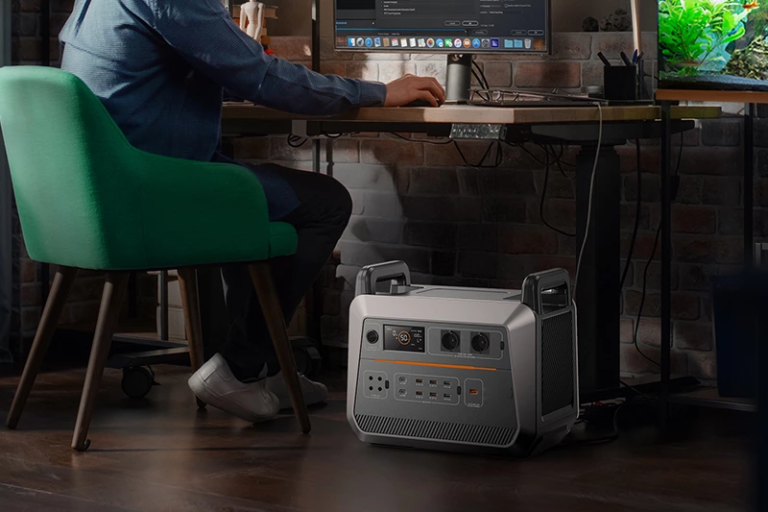
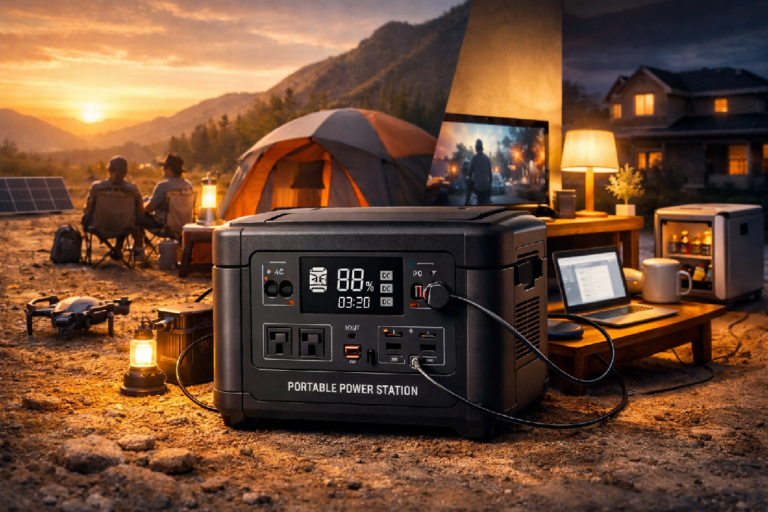
Adding a battery lets you store daytime solar energy and use it at night. This helps you avoid peak rates, provides backup power during outages, and increases the overall value of your solar system.