Which is better,a traditional generator or a portable power station?
When camping outdoors, needing emergency backup, or working temporarily, choosing a reliable power source is crucial. The two main types commonly found on the market are portable power stations (often called “power stations“) and traditional generators. Each has its advantages and disadvantages. We’ll use the simplest and most understandable method to help you choose the best backup power solution based on your needs and actual circumstances.
I.What is a portable power station? What is a traditional generator?
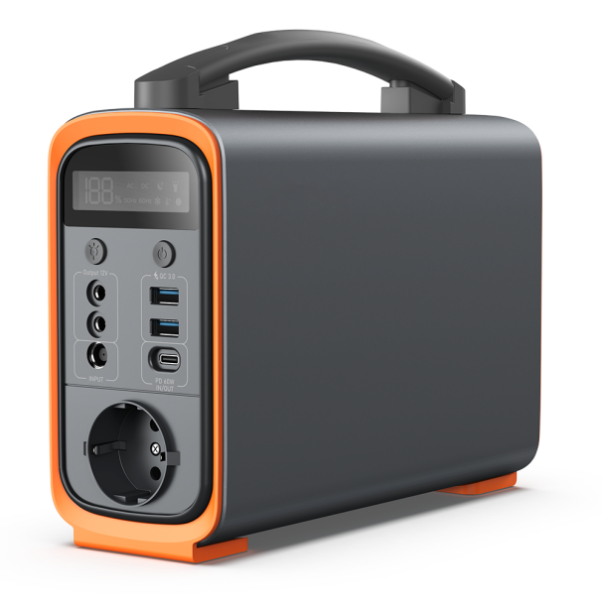
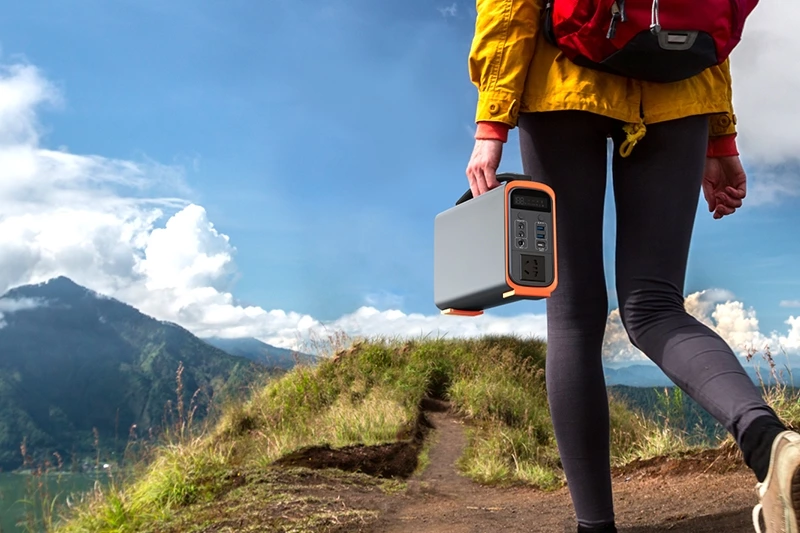
Portable power station is a device that integrates a battery and inverter to store electrical energy and power various electronic devices via a power outlet. It is typically small, lightweight, and easy to carry, making it ideal for outdoor activities and emergency use. Modern power stations support charging via solar power, AC power, and other methods, and can power multiple devices simultaneously.
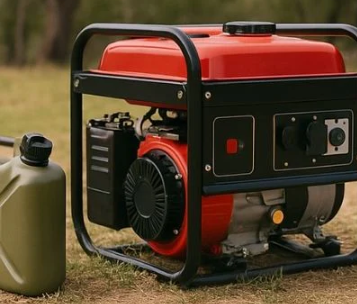
Traditional generators typically use gasoline or diesel fuel and generate electricity through an internal combustion engine. They can provide high power output and are suitable for long-term power supply needs. While traditional generators are very advantageous for high-power applications, they are generally large and heavy, require maintenance and refueling, and produce noise and exhaust fumes during operation.
II.Differences between portable power stations and traditional generators
Feature | Portable Power Station | Generator |
Energy Source | Storing electrical energy (battery) | Combustion of fuel |
Energy Conversion | Charging -> Energy Storage -> Inverter Output | Fuel Combustion -> Mechanical Energy -> Electrical Energy |
Environmental friendliness | High (zero emissions, zero noise) | Low (emissions, noise) |
Noise | Low (very quiet) | High (very noisy) |
Odor | None | Yes (fuel combustion exhaust) |
Portability | High (easy to move) | Medium (heavier for high-power models) |
Operational complexity | Low (plug and play) | Medium (requires startup and connection) |
Output power | Medium (suitable for household appliances, low-power devices) | High (can power high-power devices, even an entire house) |
Running time | Depends on battery capacity, requires charging | Depends on fuel tank capacity and fuel, can run continuously |
Maintenance | Low (virtually none) | (requires regular maintenance) |
Initial cost | High | Medium |
Operating cost | Low (solar)/ electricity cost | Fuel cost |
Main uses | Outdoor activities, emergency, mobile office | Construction sites, remote areas, high-power equipment |
III. Advantages and disadvantages / Application scenarios:
Scenario/Requirement | Traditional generator | Portable power station | Who is more suitable? |
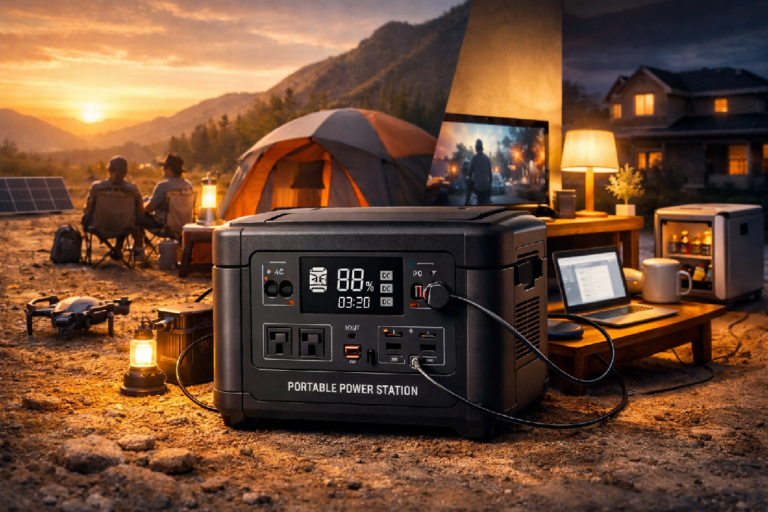
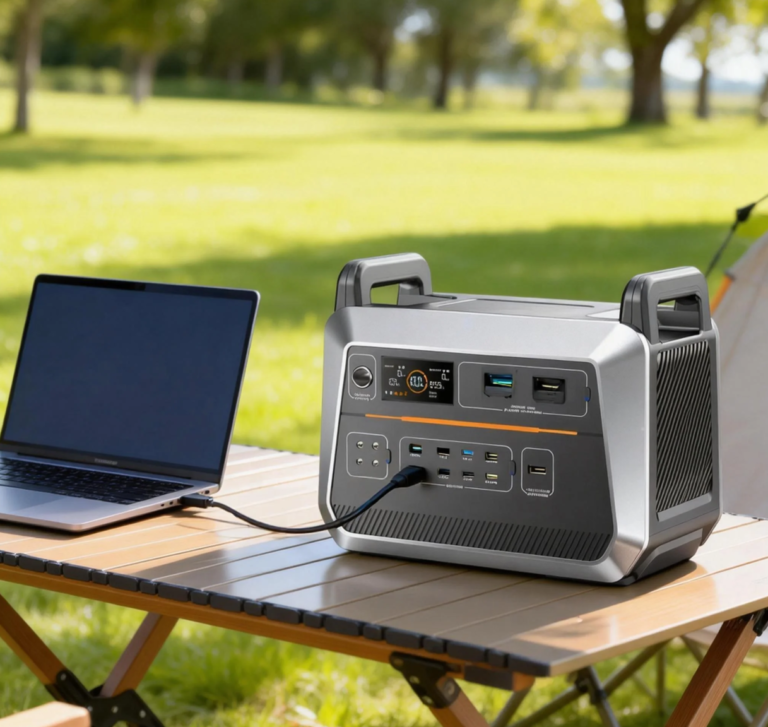
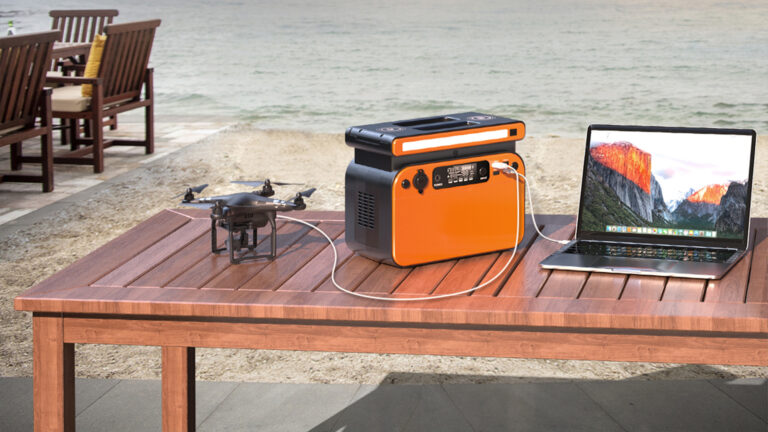
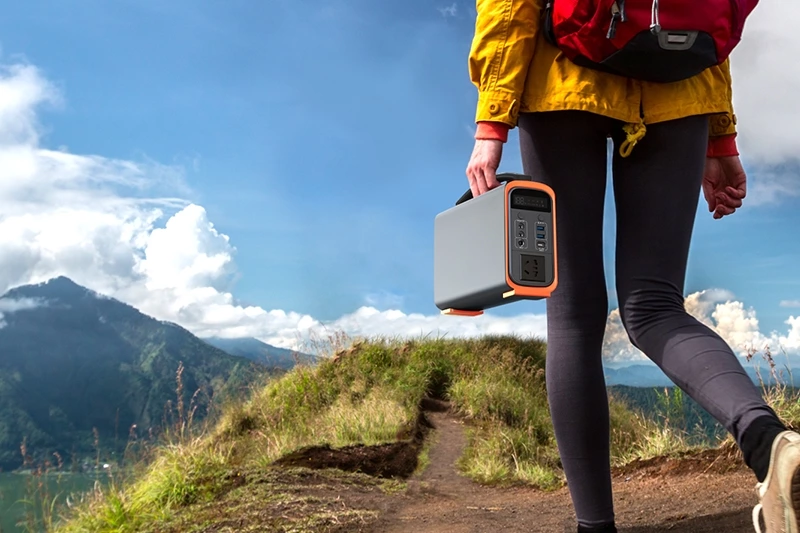
Outdoor camping/picnic | Advantages: Can power induction cookers, refrigerators, etc.; Disadvantages: Noisy and takes up space. | Advantages: Quiet, lightweight, multiple ports (for charging phones and cameras); Disadvantages: Limited power output. | Portable power station (focusing more on user experience and convenience), generators are only considered if high-power appliances are required. |
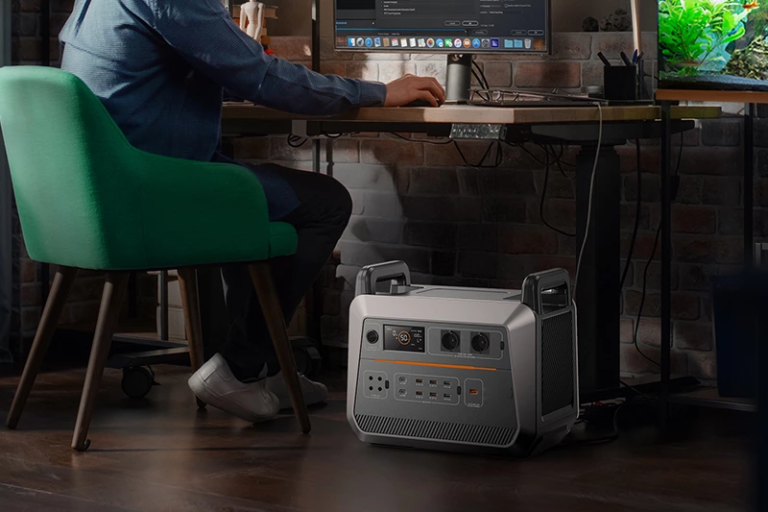
Home backup power | Advantages: Can power refrigerators and lights during major power outages; Disadvantages: Causes pollution and noise. | Advantages: Indoor usability, quiet operation, simple to use; Disadvantages: Limited power and battery life. | It depends on the specific needs: For small-scale power outages, such as main lighting and mobile phone charging, portable power stations are more convenient. |
construction site | Advantages: The first choice for high-powered tools (chainsaws, drills); Disadvantages: Noise, pollution. | Advantages: Some models have sufficient power, and are more portable; Disadvantages: Not suitable for ultra-high power devices. | Traditional generators are generally better suited, but some portable power stations are also sufficient for some small power tools. |
RV/Travel Vehicle | Advantages: Solves high-power requirements; Disadvantages: Installation, noise, fuel consumption. | Advantages: Can be used as an auxiliary power source, quiet operation, easy to integrate; Disadvantages: Charging needs to be considered. | The combination of the two is even better. |
Emergency Rescue | Advantages: High power output, continuous operation; Disadvantages: Requires fuel, generates noise, and requires maintenance. | Advantages: Fast response, multifunctional, and easy to operate; Disadvantages: Limited battery life and power. | Portable power station (fast response, easy to operate) ,Large-scale rescue operations will be combined with generators. |
IV. Key Factors to Consider When Choosing a Power station
- Portable power stationsare the primary power source.
- Advantages: Quiet, convenient, can be used indoors, fuel-free, and easy to operate.。
- Usage scenarios: mobile phones, laptops, lights, small home appliances, outdoor camping, and other daily electricity use.
- In the event of a major power outage, the generator should be started as a backup to avoid the cost and noise of excessive generator use.
- Simultaneously fast charge the portable power stations to ensure they are fully charged before the generator starts, minimizing power outage time.
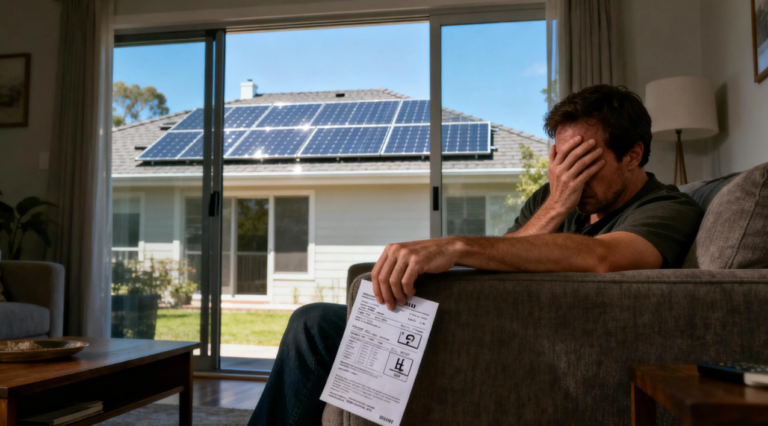
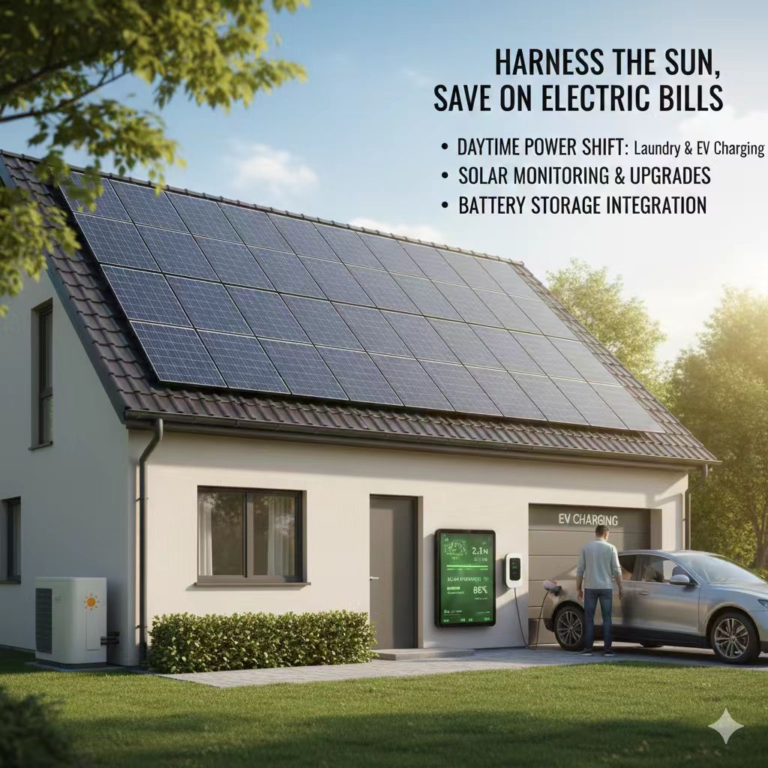
- Install solar panels to charge your devices using sunlight on sunny days, reducing reliance on the traditional power grid.
- The goal is to achieve a “self-sufficiency during the day, use at night” rhythm to the extent possible, thereby increasing independence.
VI.FAQ
Q1: Can I use a portable power station indoors?
Yes, unlike traditional generators, portable power stations can be safely used indoors because they do not produce smoke or noise.
Q2. How long does a portable power station last? How should I maintain the battery?
The lithium-ion batteries in high-quality power stations typically withstand 500 to 3000+ full charge cycles before their capacity drops to 80% of its initial capacity.
Q3: Can I charge a portable station with a solar panel?
Yes, many portable power generators today are designed with solar charging capabilities, allowing them to be converted into solar power systems. This means you can charge it anywhere in the sun, making it ideal for off-grid expeditions or emergencies.
Q4: What is the lifespan of a power station? How should I maintain the battery?
The lifespan of a portable power station is generally 5-10 years, depending on the battery type (e.g., lithium batteries with 1000-2000 cycles) and usage frequency. Routine maintenance can extend its lifespan. To maximize lifespan, avoid letting the battery run completely to 0%; recharge the battery before it is completely depleted. For long-term storage, charge to approximately 50-60% and store in a cool, dry place. Fully charge every 3-6 months during storage. Please use the charging equipment recommended by the manufacturer.
VII. Finally
Choosing between a portable power station and a generator involves more than just cost and capacity; it also requires considering usage plans, convenience needs, and a focus on sustainability. Generators are the preferred choice when power demand is high, operating time is long, fuel is readily available, and ventilation is good.
However, with advancements in battery and solar technology, and the growing awareness of environmental protection, portable power stations are rapidly developing. They offer cleaner, quieter, and more powerful power solutions for a wide range of users, including urban residents and outdoor adventurers.
Ultimately, the choice depends on personal lifestyle. For convenience, sustainability, and low maintenance costs, choose a portable power station; for strong power and long operating times, a traditional generator is more suitable. Wherever you are, a reliable portable power station brings freedom, safety, and peace of mind.