Portable power stations have surged in popularity over the past few years. From camping trips to emergency home backup, they’re often described as a must‑have solution for modern power needs. But before investing a significant amount of money in what is essentially a large battery, it’s worth pausing to ask an important question: will it truly improve your daily life—or will it end up unused on your balcony a few months later?
Before you buy, it’s essential to understand what a portable power station really is, what it can (and can’t) do, and whether it aligns with how you actually use power.
What Is a Portable Power Station?
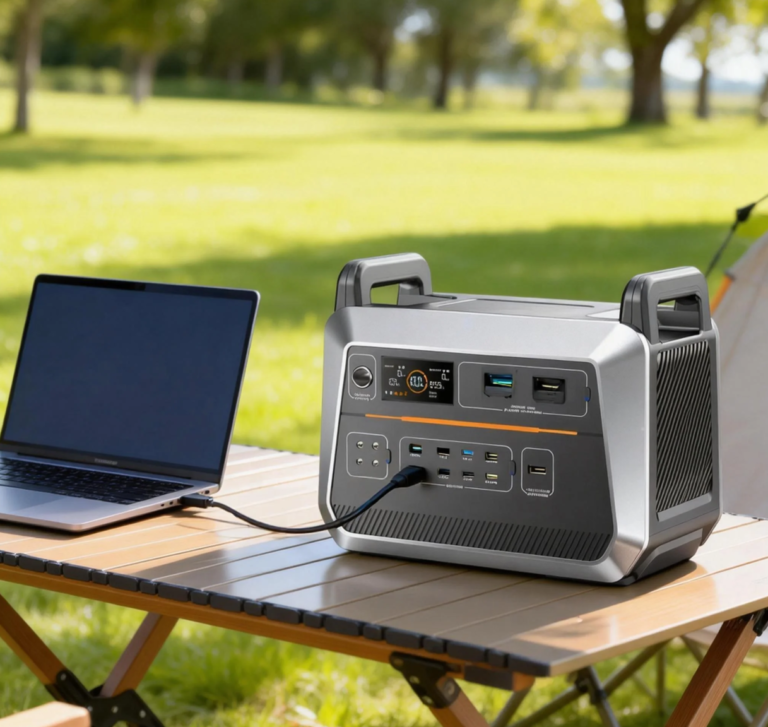
A portable power station is a large‑capacity, rechargeable battery system designed to store electricity and deliver it through multiple output options, such as AC outlets, USB ports, and DC connections. It works as an all‑in‑one mobile energy source for electronics and small appliances.
Unlike traditional gas generators, portable power stations operate silently, produce zero direct emissions, and require no fuel. You can recharge them from a wall outlet, your car, or—when paired with compatible solar panels—directly from the sun. The result is a cleaner, quieter, and far more versatile power solution.
How Can a Portable Power Station Change Your Life?
Power Without Limits—Outdoors
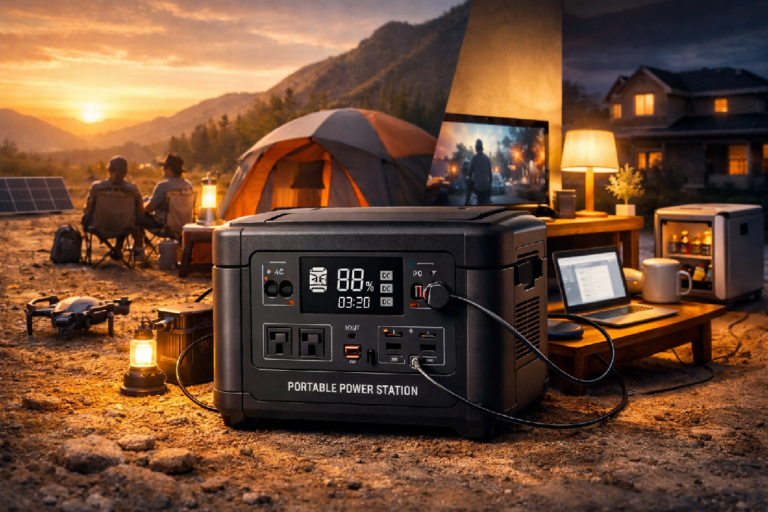
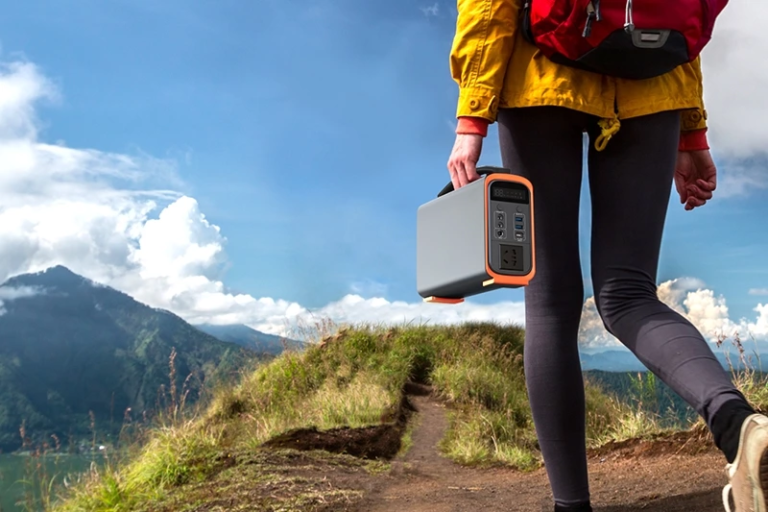
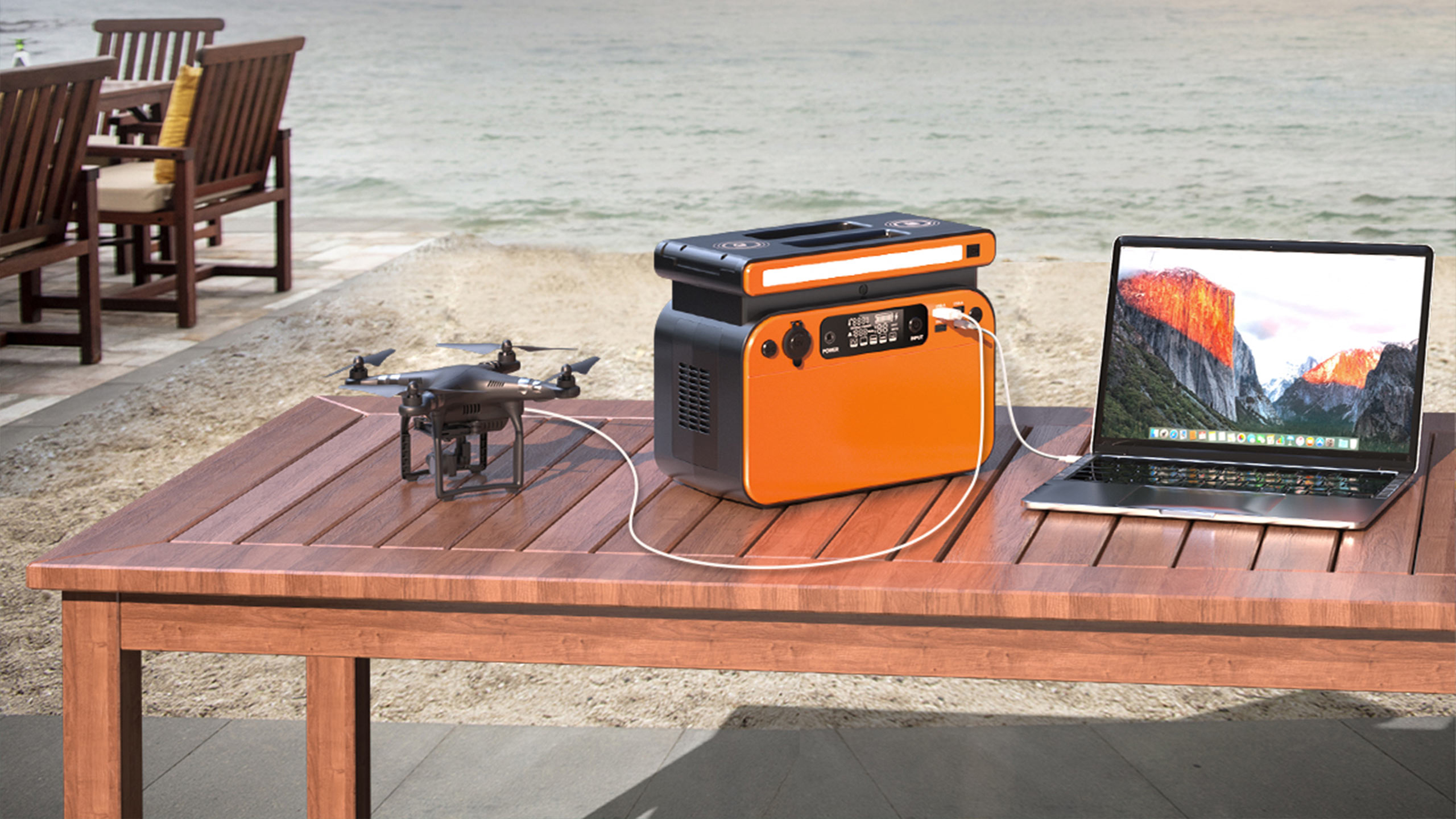
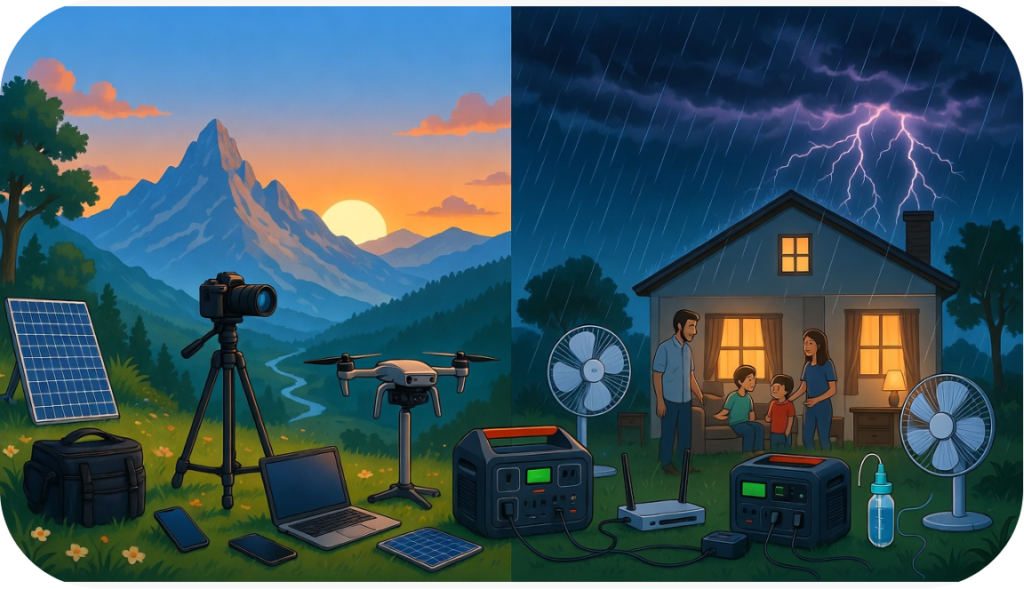
For campers, outdoor photographers, and field professionals, a portable power station acts as a personal energy hub. A photographer waiting for sunrise can keep cameras, drones, and lighting equipment powered without constantly checking battery levels. Campers can cook meals, light up their campsite, or even run a small projector for movie night—no grid required.
For professionals working in remote locations, portable power stations keep laptops, surveying tools, and communication devices running smoothly. Add solar panels, and you unlock true off‑grid independence, where both productivity and leisure are no longer constrained by battery anxiety.
Peace of Mind—At Home
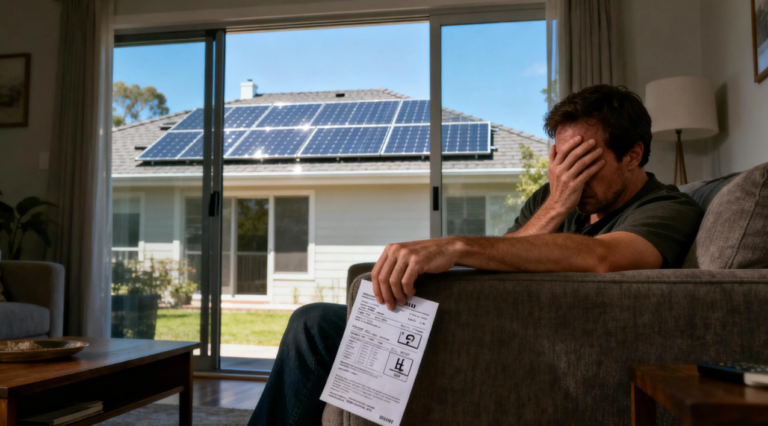
Now imagine a different scenario: a summer storm knocks out power in your neighborhood. The lights go out, the WiFi drops, your phone battery is running low, and a critical medical device needs continuous power. Stress escalates quickly.
With a portable power station, you simply plug in. The router comes back online, the fan starts spinning, phones recharge, and essential devices keep running. In moments like these, a portable power station is more than a backup—it’s peace of mind. It helps maintain comfort, safety, and a sense of control when the grid goes down.

Quiet, Clean, and Designed for Modern Living
Traditional generators are often associated with loud noise, exhaust fumes, and frequent maintenance. In residential areas or campsites, they can be disruptive—or even prohibited.
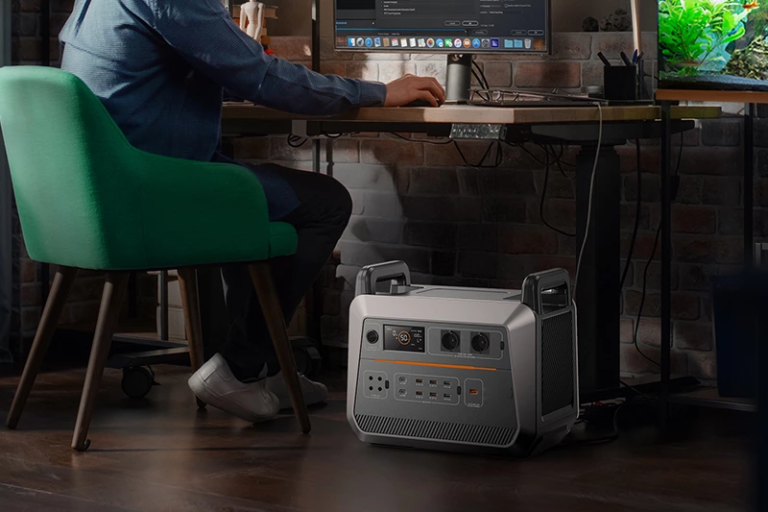
Portable power stations are different. They operate almost silently, making them suitable for indoor use, shared outdoor spaces, and noise‑sensitive environments. You can power a home office, brew coffee at a campsite, or run tools during a DIY project without disturbing others.
Many campgrounds and national parks now restrict or ban fuel generators altogether. Portable power stations, especially when paired with solar charging, meet modern environmental standards while eliminating the need for fuel storage, oil changes, and complex upkeep. What you’re investing in isn’t just electricity—it’s flexibility, convenience, and worry‑free operation.
Key Specifications That Actually Matter
Marketing claims can be confusing. Understanding a few core specifications can help you avoid costly mistakes.
Rated Power vs. Peak Power
A unit labeled “2000W” doesn’t always deliver 2000W continuously. In many cases, that figure refers to peak power, which lasts only a few seconds. What truly matters is rated (continuous) power—the amount of energy the station can supply steadily over time.
Peak power is useful for starting devices like refrigerators or power tools that require a short surge at startup. Once running, these devices draw much less power. Always check the continuous output rating to ensure it matches your real‑world needs.
Battery Chemistry: Safety and Longevity
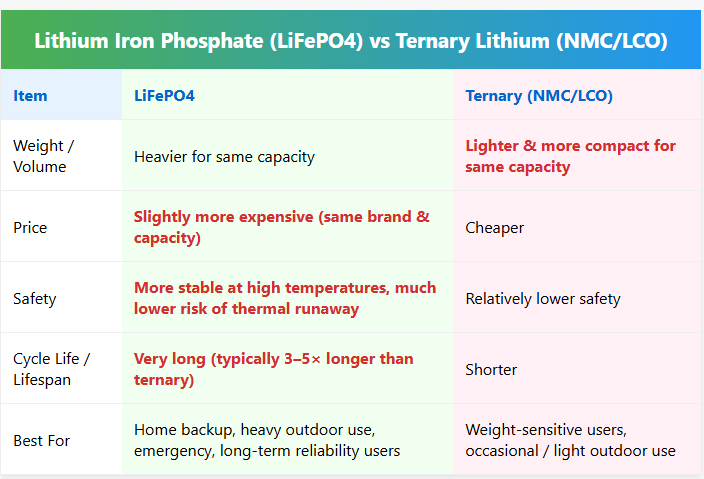
Most portable power stations use either LiFePO₄ (lithium iron phosphate) or ternary lithium batteries (such as NMC or LCO).
- LiFePO₄ batteries are slightly heavier but significantly safer, more thermally stable, and can last three to five times longer. They are ideal for home backup and frequent use.
- Ternary lithium batteries are lighter and more compact, making them suitable for users who prioritize portability and use their power station only occasionally.
If longevity and reliability matter, battery chemistry should be a top consideration.
Cost: Power Station vs. Fuel Generator
At first glance, portable power stations often seem more expensive than traditional generators. But upfront price tells only part of the story.
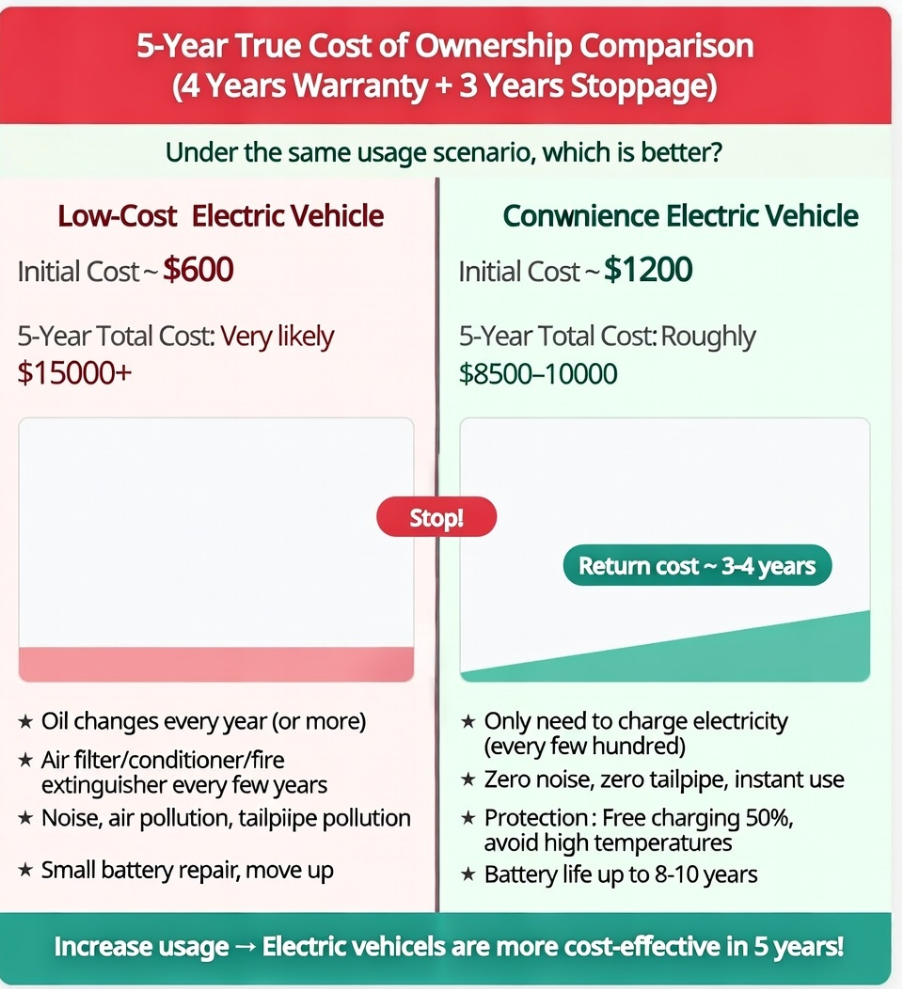
Consider a five‑year period with several camping trips and a few power outages each year. A fuel generator may cost less initially, but fuel, maintenance, and repairs add up over time—especially as fuel prices rise.
A portable power station, by contrast, mainly consumes electricity for charging, often at a minimal cost. For moderate to frequent users, it’s a case of higher upfront investment, lower long‑term expense.
That said, portable power stations still require basic care. Even if used infrequently, they should be recharged every few months and stored away from excessive heat to preserve battery health.
So—Is It Worth Buying One?
The better question might be: what problem are you trying to solve?
If your needs are limited to charging phones, cameras, and laptops, a high‑capacity power bank may be sufficient. But if you want the ability to run higher‑power devices, maintain connectivity during outages, or prepare for emergencies, a portable power station offers a level of security and flexibility that smaller solutions can’t match.
A Simple Self-Check
- List the devices you plan to power
- Note their wattage and daily usage time
If your total demand stays below 200W for a few hours a day, you may not need a full power station. But if you rely on higher‑power appliances or extended off‑grid electricity, a portable power station becomes a practical and worthwhile investment.
Final Thoughts
Portable power stations aren’t essential for everyone—but for the right user, they can be transformative. Whether it’s ensuring comfort during a blackout, enabling off-grid adventures, or preparing your home for unexpected outages, the real value lies in choosing a solution that fits your lifestyle.
In the end, understanding your true needs will always matter more than following the latest trend.