Why Is My Electric Bill Still So High After Installing Solar Panels?
Introduction
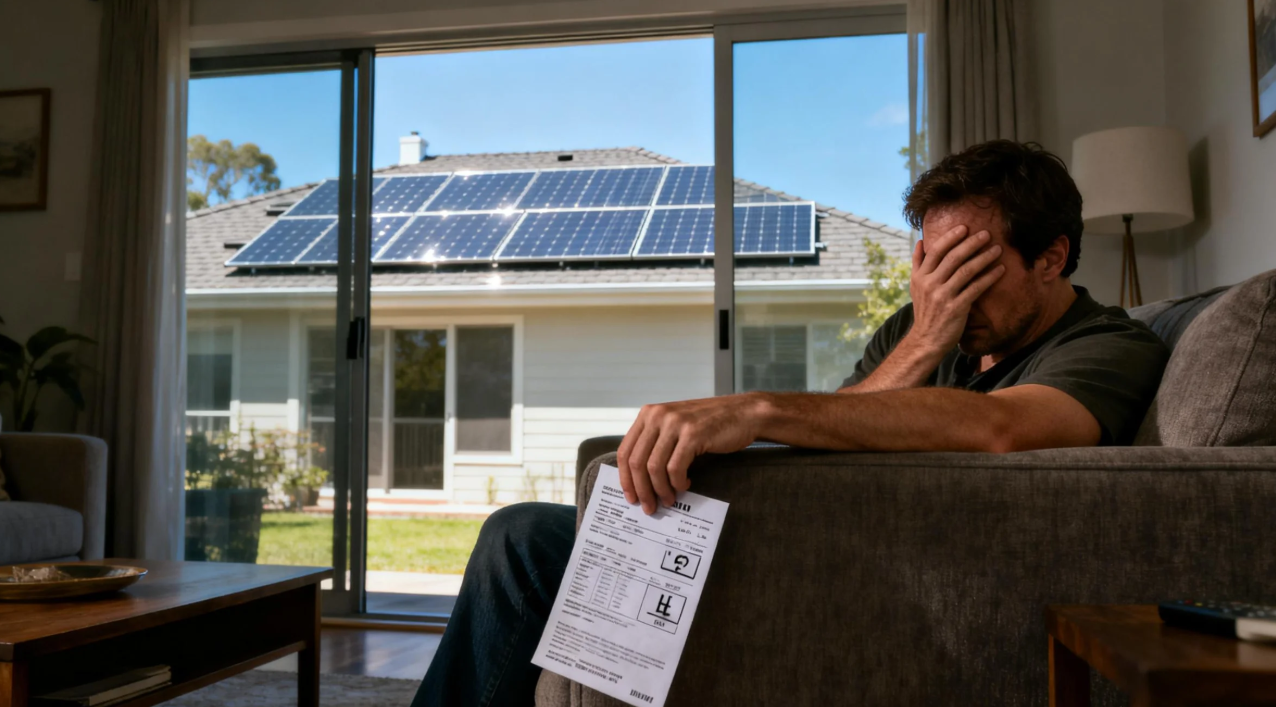
“Why is my electric bill still so high even though I have solar panels?”
This is one of the most common questions homeowners ask when they receive their first few utility bills after going solar.
The truth is, solar isn’t a switch that instantly wipes out your electric bill. Factors like when your system generates power, how your household uses electricity, and local net metering rules all shape the final numbers. Without energy storage, excess daytime solar is often sent back to the grid at a low credit rate—while electricity used at night is still purchased at a higher price.
That’s why more homeowners are starting to look at portable power station solutions as a flexible way to keep more of their solar energy for themselves. By the end of this article, you’ll understand why your bill looks the way it does—and what you can realistically do about it.
Why Your Electric Bill Can Still Be High With Solar Panels
Solar panels don’t eliminate your electric bill—they offset part of your usage.
If you don’t have storage, haven’t changed your usage habits, and rely heavily on high-power appliances, a higher bill isn’t unusual.
Common Real-World Frustrations From Solar Users
Many homeowners share the same questions:
“I installed solar—why is my bill still expensive?”
“I have plenty of panels, but the power still runs out.”
“Aren’t I selling electricity back to the grid?”
“It feels like I’m generating power, but not really saving money.”
In short: solar is working—but your generation timing and usage timing don’t line up.
Your Bill Still Existing Doesn’t Mean Solar Failed
Solar panels aren’t designed to make your bill disappear overnight. They reduce how much electricity you need to buy from the grid. Because most households use more power in the morning and evening—when solar isn’t producing—the bill doesn’t vanish. Add fixed utility charges, and the result looks disappointing even when the system is operating normally.
Why Solar Panels Don’t Instantly Reduce Your Bill to Zero
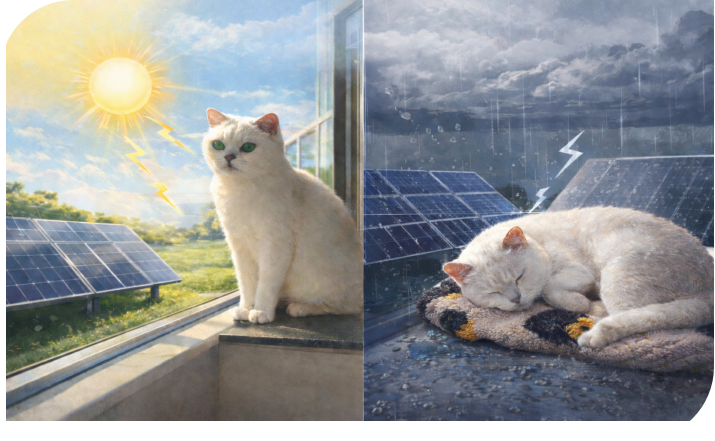
Solar only generates power during daylight hours, while household electricity demand often peaks early in the morning and after sunset. Excess daytime power is either exported at a lower rate or simply unused. Meanwhile, appliances like air conditioners and water heaters continue consuming large amounts of electricity.
On top of that, utility bills include fixed charges and peak pricing. So even with solar installed, a zero bill is rarely realistic.
Fixed and Non-Generation Charges on Your Electric Bill
Your bill includes more than energy consumption:
Basic service fees
Transmission and distribution charges
Time-based pricing
Minimum usage or capacity fees (in some regions)
Solar panels reduce energy usage—but they don’t remove these costs.
How Grid Fees Affect Solar Customers
As long as your home stays connected to the grid, service and infrastructure fees remain. Even solar electricity still travels through utility infrastructure, so transmission charges apply. Solar offsets energy usage—not the entire billing structure.
Why Solar Panels Can’t Fully Cover Household Electricity Use
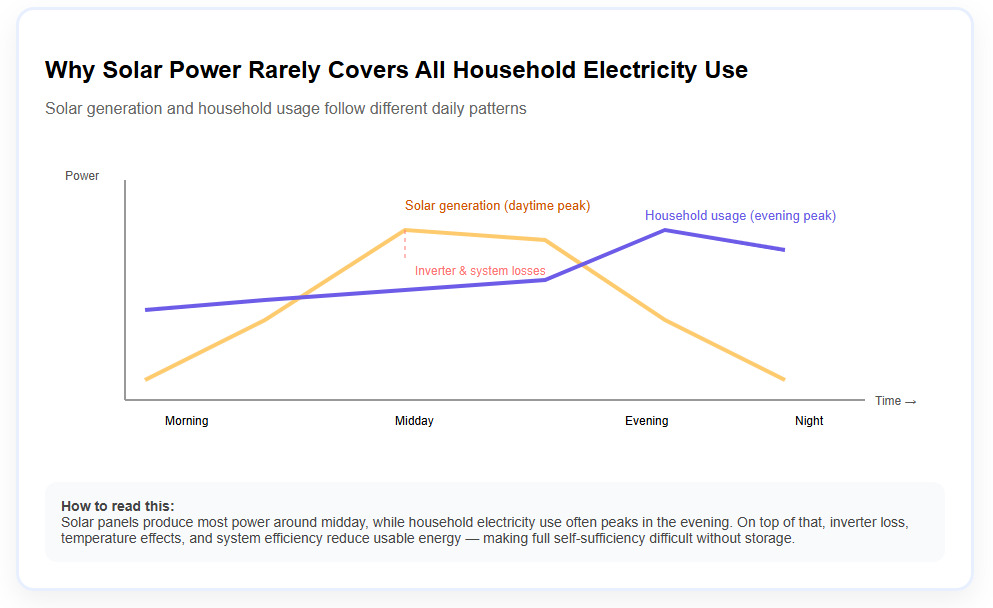
The core issue is simple: solar generation curves and household usage curves don’t overlap.
Add inverter losses, temperature-related efficiency drops, and system limitations, and usable energy is already reduced. That’s why full energy independence is difficult without storage.
Solar Generation Time vs. Household Usage Time
Solar produces the most power around midday. Household usage often spikes in the morning and evening. For example, if no one is home during the day, solar energy is exported. At night—when cooking, heating, and cooling begin—power must be bought from the grid.
Without storage, this mismatch is unavoidable.
System Size Doesn’t Match Peak Demand
Many systems are designed around average usage, not peak demand. When air conditioning, water heaters, and ovens run simultaneously, instantaneous demand can exceed solar output—even at noon. The grid fills the gap.
Weather, Seasons, and Shading Reduce Output
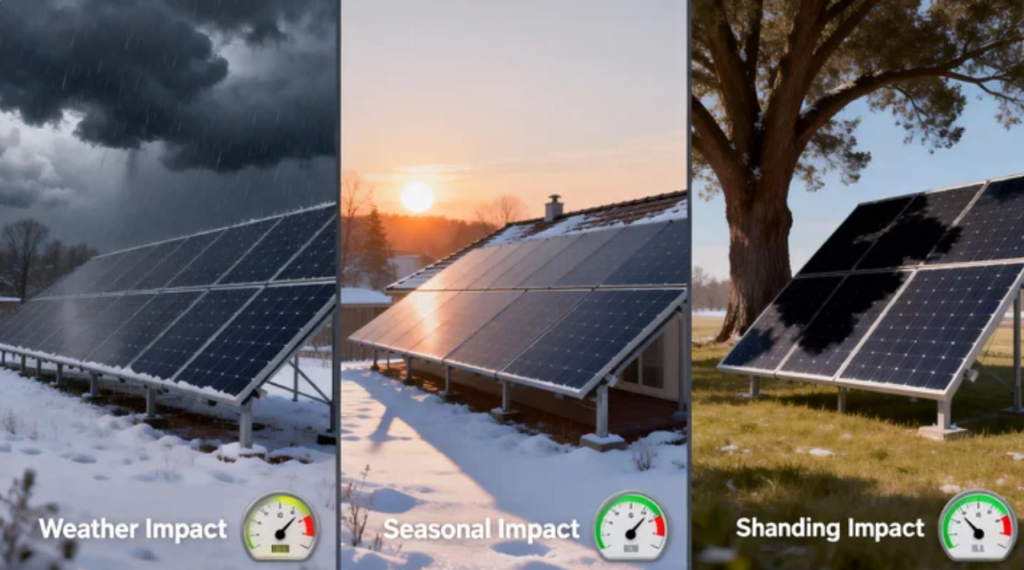
Clouds, haze, and winter sunlight all reduce production. Shorter daylight hours and lower sun angles mean less energy overall. Even partial shading from trees or rooflines can trigger string losses, reducing output across multiple panels.
The system rating remains the same—but real output drops.
How Net Metering and Pricing Policies Raise Solar Bills
Net metering isn’t a trap, but it strongly affects outcomes. In many regions, exported solar electricity is credited at a lower rate than grid electricity is purchased. Add Time-of-Use (TOU) pricing and fixed charges, and bills can stay high even with good annual production.
What Is Net Metering?
Net metering credits excess solar power sent to the grid. However:
Credits are often lower than retail electricity prices
Credits apply only to energy usage, not fixed fees
This limits how much your bill can be reduced.
Reduced Export Rates From Policy Changes
In many regions, exported solar power is now credited at wholesale or avoided-cost rates. One exported kilowatt-hour no longer offsets one purchased kilowatt-hour. Over time, this gap raises bills.
How TOU Pricing Increases Nighttime Costs
Under Time-of-Use pricing, electricity is cheaper during midday and most expensive in the evening. Solar produces power when prices are low—and stops when prices peak. Without storage, this pricing structure works against solar users.
How TOU Pricing Increases Nighttime Costs
Under Time-of-Use pricing, electricity is cheaper during midday and most expensive in the evening. Solar produces power when prices are low—and stops when prices peak. Without storage, this pricing structure works against solar users.
How Household Behavior Cancels Out Solar Savings
Installing solar doesn’t automatically change usage habits. High-power appliances still run during peak hours, requiring expensive grid electricity. Savings disappear quickly.
New Appliances Increase Baseline Usage
Adding air conditioners, electric dryers, or EV chargers raises long-term electricity demand. If system size stays the same, solar covers a smaller percentage of usage.
Example:
Annual usage increases from 8,000 kWh to 11,000 kWh.
Solar production stays at 6,000 kWh.
Coverage drops—and bills rise.
Nighttime Usage Still Requires Grid Power
At night, solar production is zero. High-usage appliances draw electricity at peak rates. The more power used at night, the higher the bill climbs.
Peak Demand Charges
Some utilities charge based on your highest power draw during peak periods. Running multiple appliances simultaneously—even briefly—can increase monthly costs significantly.
System Performance Issues That Increase Bills
Solar systems can lose efficiency without obvious failure. Aging panels, inverter inefficiency, or unnoticed shading reduce output. Missing solar energy is replaced by grid electricity.
Panel Degradation and Equipment Failure
All panels degrade over time. Inverters also lose efficiency. Reduced output means more grid power—and higher bills.
Inverter Efficiency Loss
DC-to-AC conversion isn’t perfect. Efficiency losses reduce usable energy, increasing reliance on grid power.
Why Monitoring Data Doesn’t Match the Bill
Monitoring shows how much your system generated. Your bill shows how much electricity you bought. Fixed fees, TOU pricing, and losses make the numbers different.
Why Solar Without Storage Has Limited Savings
Without storage, solar energy must be used immediately. Excess power is exported cheaply, while nighttime electricity is bought at a premium.
Daytime Energy Can’t Be Used at Night
Without batteries, daytime surplus can’t cover nighttime demand. This time mismatch limits savings.
The Role of a Portable Power Station
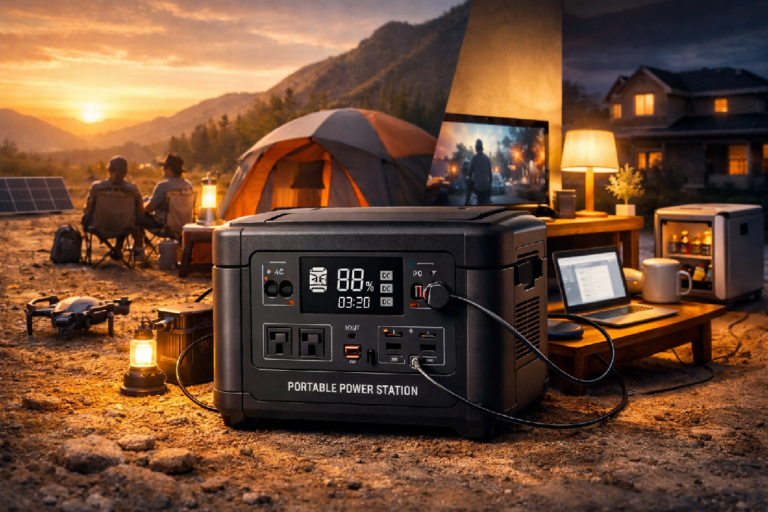
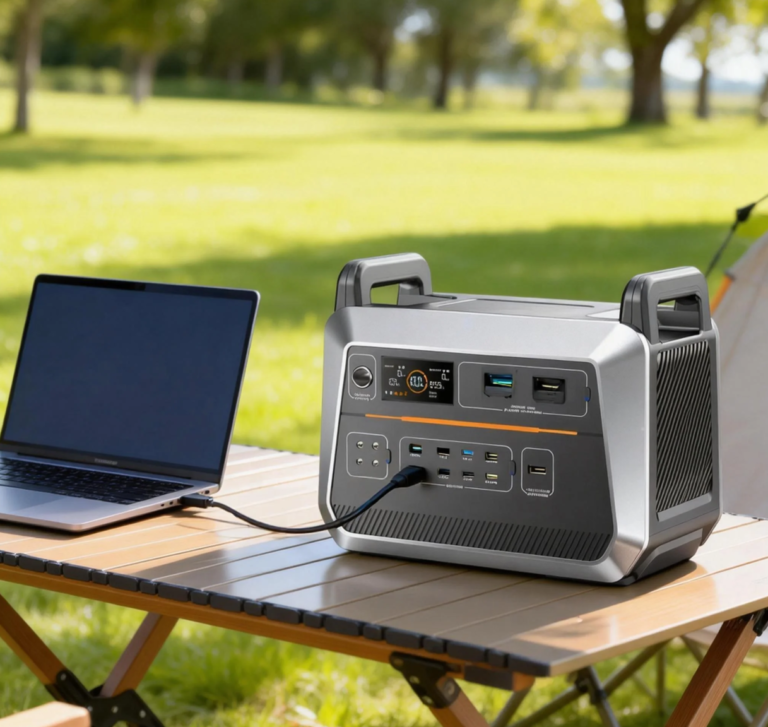
A portable power station stores solar energy for later use. It helps shift energy from daytime to evening, reducing expensive grid purchases. While capacity is limited, it’s a flexible supplement to solar—not a full replacement for home batteries.
How Storage Improves Self-Consumption
Storage increases self-use by capturing excess solar power and releasing it during peak hours. This reduces low-value exports and high-cost purchases.
Common Misconceptions About Solar Bills
“Solar Means No Electric Bill”
As long as you’re grid-connected, some charges remain.
Confusing Generation With Billing
Producing electricity doesn’t equal saving money. Billing follows different rules.
Ignoring Annual Credit Resets
Unused credits may expire or be devalued at annual true-up.
How to Identify the Real Cause of High Bills
Focus on:
1.When electricity is used
2.How much is bought vs. exported
3.Which charges are fixed
Is Your System Still Properly Sized?
Usage changes over time. A system that once fit your needs may no longer be sufficient.
Review Local Net Metering and TOU Rules
Understand export credits, expiration rules, and peak pricing windows. These often explain high bills better than production data.
Do You Need a Portable Power Station?
If timing—not production—is the issue, storage is the solution. A portable power station lets you use low-cost daytime energy at night, even at small scale.
Practical Ways to Lower Solar Bills
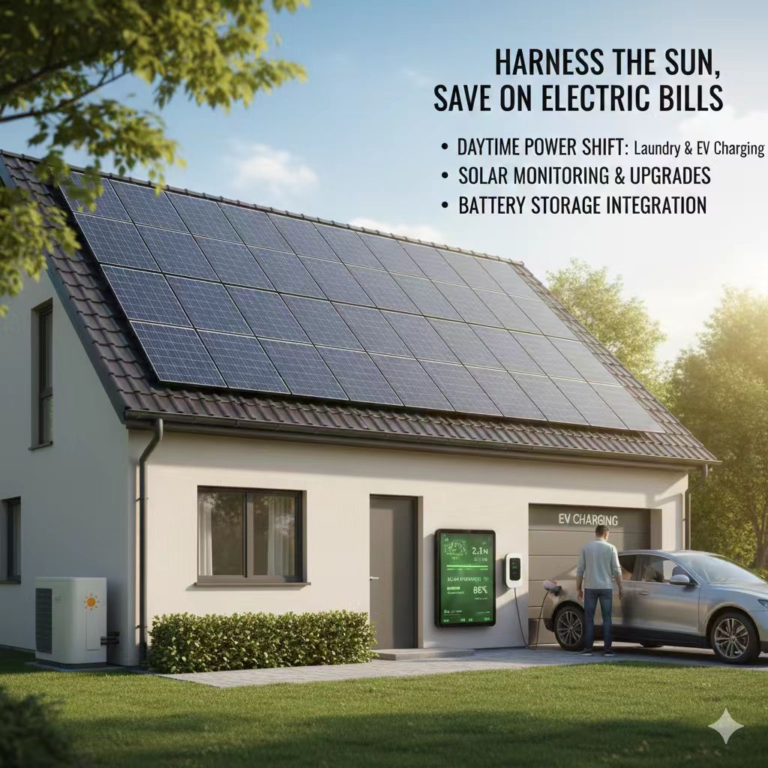
- Shift usage to daytime
- Reduce peak-hour consumption
- Add flexible storage
- Regularly check system performance
Final Thoughts
Solar Panels Help—but Aren’t Magic
Solar lowers generation costs, not every line on your bill.
Understanding Net Metering, Behavior, and Storage Is Key
Real savings depend on how electricity is priced, used, and stored.
Combining Solar Panels With a Portable Power Station
Using solar together with a portable power station keeps more energy at home instead of selling it cheap and buying it back expensive. Compared to full home battery systems, portable solutions are more flexible, affordable, and easier to scale—making them a practical path toward real savings.