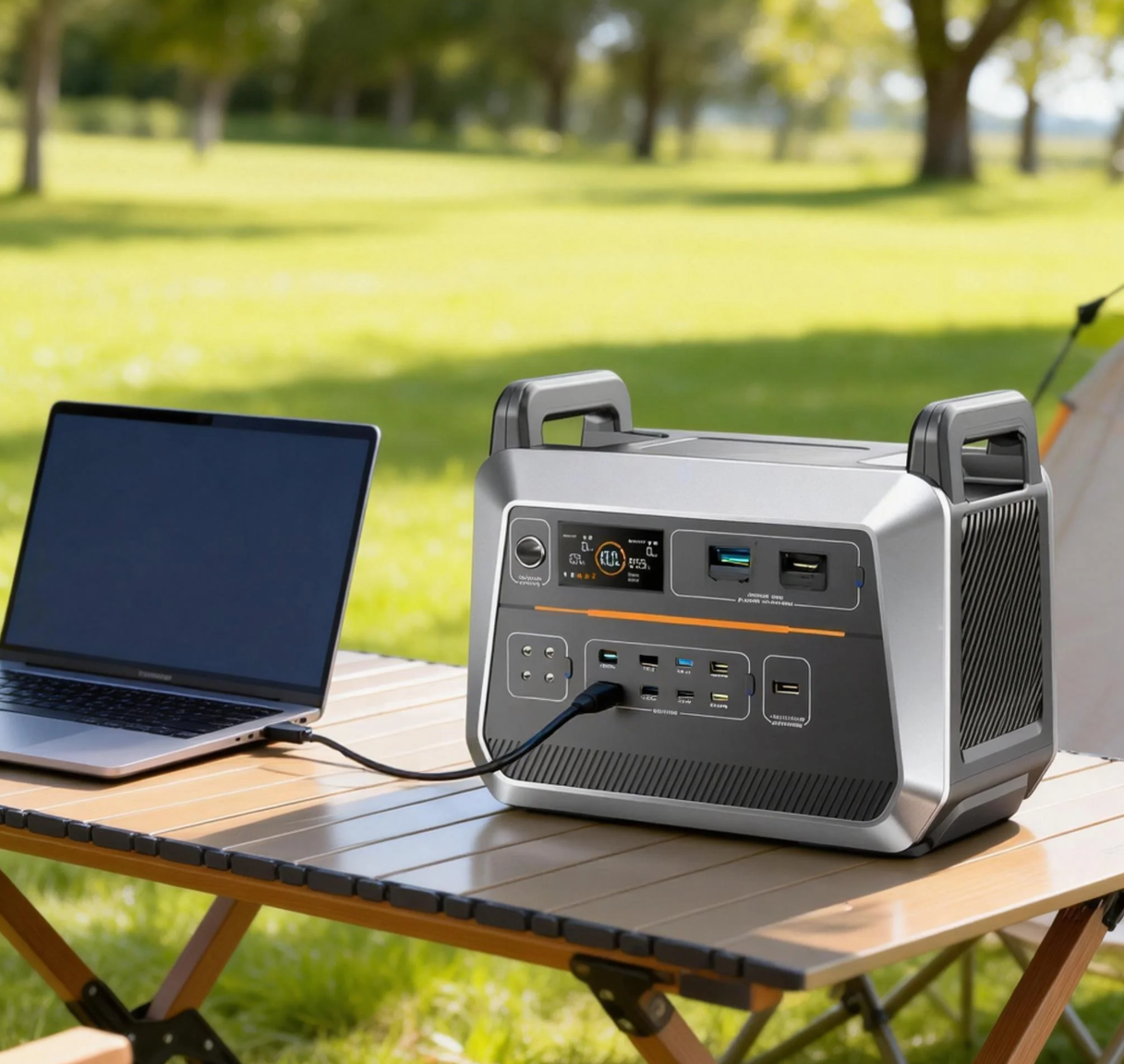
What’s the Difference Between a Power Bank and a Portable Power Station?
In daily life, when we need to charge our phone on the go or outdoors, a power bank is usually the first thing we think of. In recent years, however, portable power stations have become more popular. They can charge not only phones, but also many other devices.
So what’s the difference?
There’s no clear “better” or “worse” option. It really depends on how you plan to use it. In general, power banks are smaller and more portable, designed mainly for phones and small devices. Portable power stations offer much larger capacity while still being mobile, making them ideal for camping, outdoor trips, and even home backup power.
What Is a Portable Power Station?
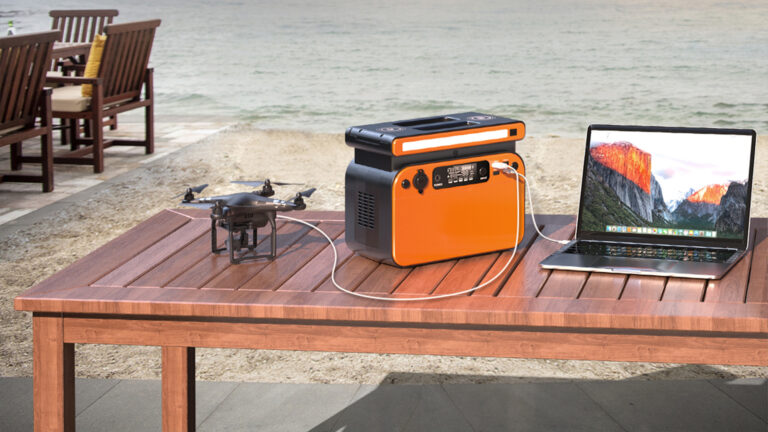
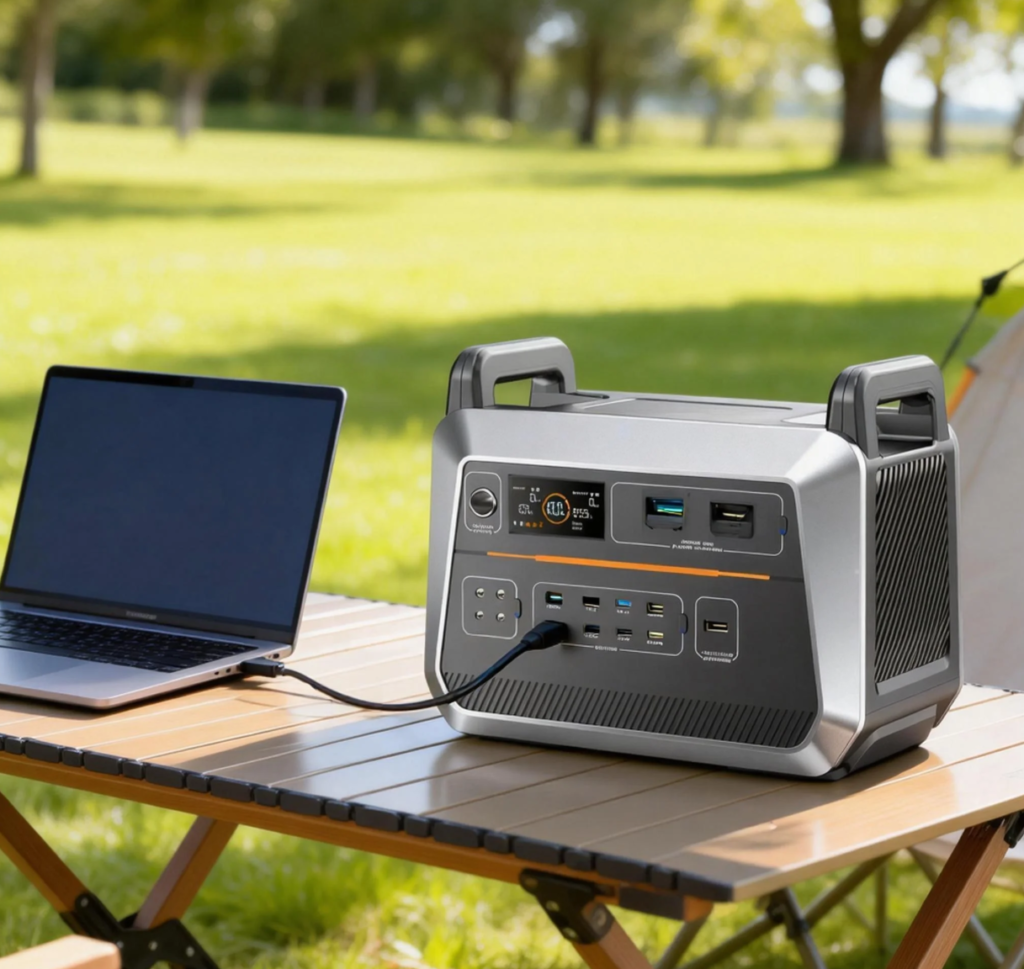
A portable power station is a reusable power supply that can charge devices like refrigerators, freezers, projectors, electric stoves, garden tools, as well as phones and laptops. It’s a great helper for off-grid living and camping.
A typical portable power station includes a battery, an inverter, and a charge controller. Many models also support extra battery packs (to expand capacity) and solar panels (for charging).
- Battery: stores electricity
- Inverter: converts DC power into AC power for household appliances
- Charge controller: manages voltage and current to ensure safe charging
Some models also include a BMS (Battery Management System), which monitors voltage, current, and temperature, balances the cells, and helps extend battery life. This adds an extra layer of safety.
Advantages
- Portable: handles, wheels, and pull-rod designs make it easy to move
- Versatile: can charge multiple devices at the same time with AC, DC, and USB outputs
- Clean and eco-friendly: no fuel, no exhaust, no emissions
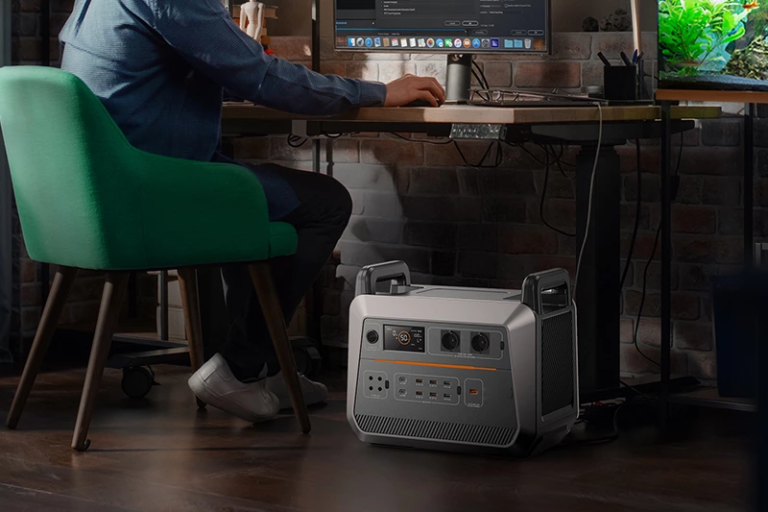
- Quiet: usually runs at 30 dB or less, with almost no noise
- Safe and reliable: most use LFP (LiFePO₄) batteries and pass strict cycle tests
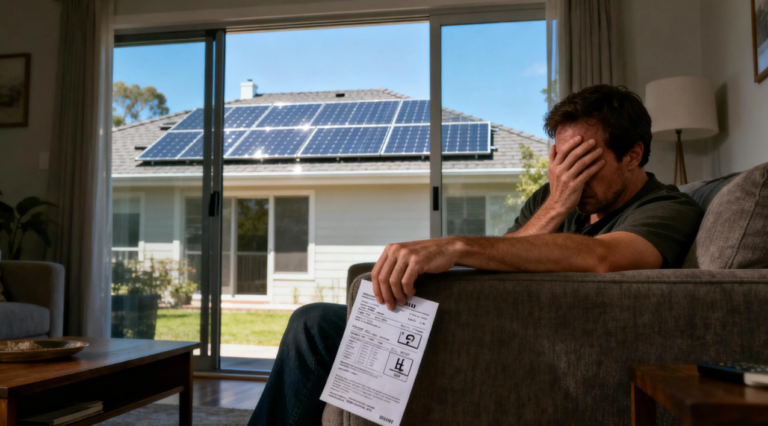
- Lower electricity costs: store power during off-peak hours or charge with solar panels
- Easy to use: no learning curve, plug and play
Disadvantages
- Higher upfront cost: expansion options like extra batteries and solar panels increase the price
- Capacity and power limits: smaller models can’t support long-term high-power devices
- Charging speed: while many reach 80% in about an hour and full charge in around two hours, charging is still slower compared to some alternatives
What Is a Power Bank?
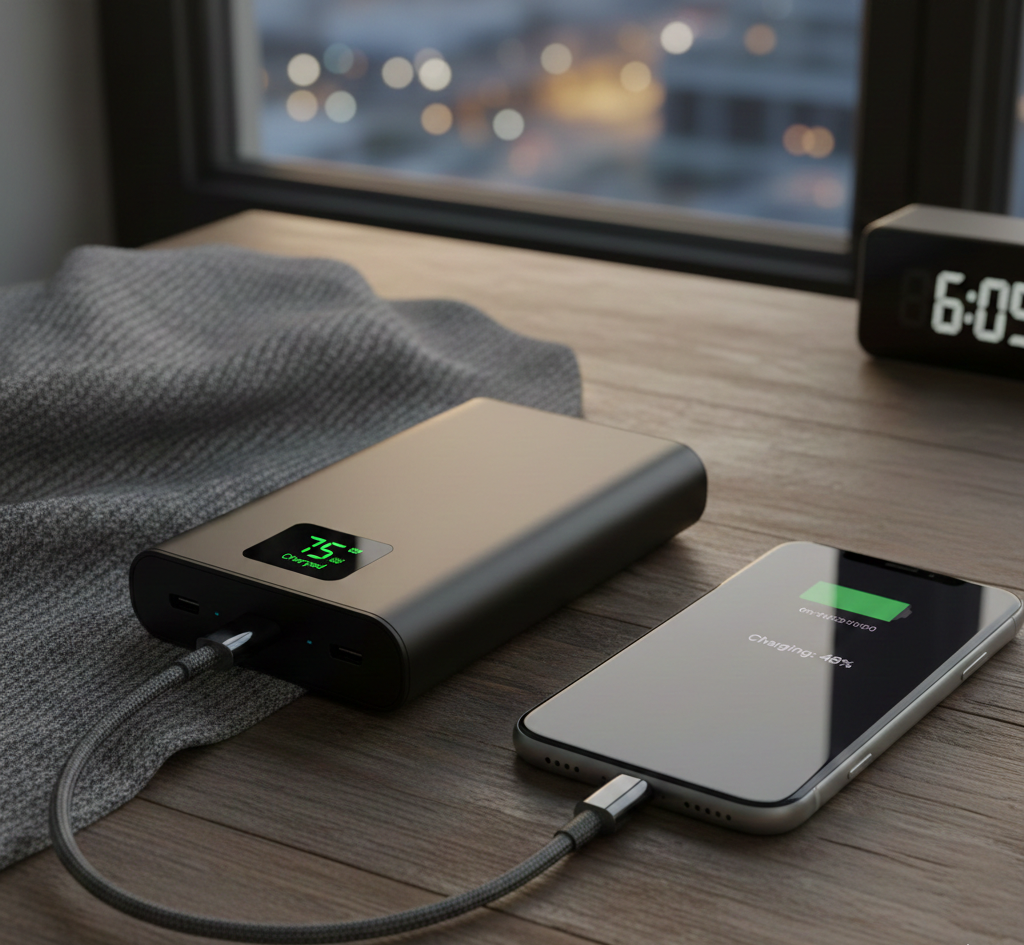
A power bank is mainly used to charge phones and tablets. It’s small, lightweight, and easy to carry, making it ideal for people who spend a lot of time outdoors or commuting.
Most power banks have a capacity between 10,000 mAh and 20,000 mAh, which can charge a phone about 2–4 times. Larger models can reach 50,000 mAh (around 185Wh), which is roughly two-thirds the capacity of a small portable power station.
Power banks usually have multiple output ports, allowing you to charge several devices at once. However, they only support USB or DC output, which means they can’t power household appliances.
Advantages
- Highly portable: easy to carry and use anytime
- Flight-friendly: compliant models can be taken on planes (usually carry-on only, not checked baggage, due to lithium battery safety concerns)
- Affordable: lower price and good value for everyday use
Disadvantages
- Limited capacity: works as a backup or temporary power source only
- Slower self-charging: not all models support fast charging
- Limited use cases: DC output only, no AC power, not suitable for high-power devices
- Compatibility issues: not all devices are supported, so checking before buying is important
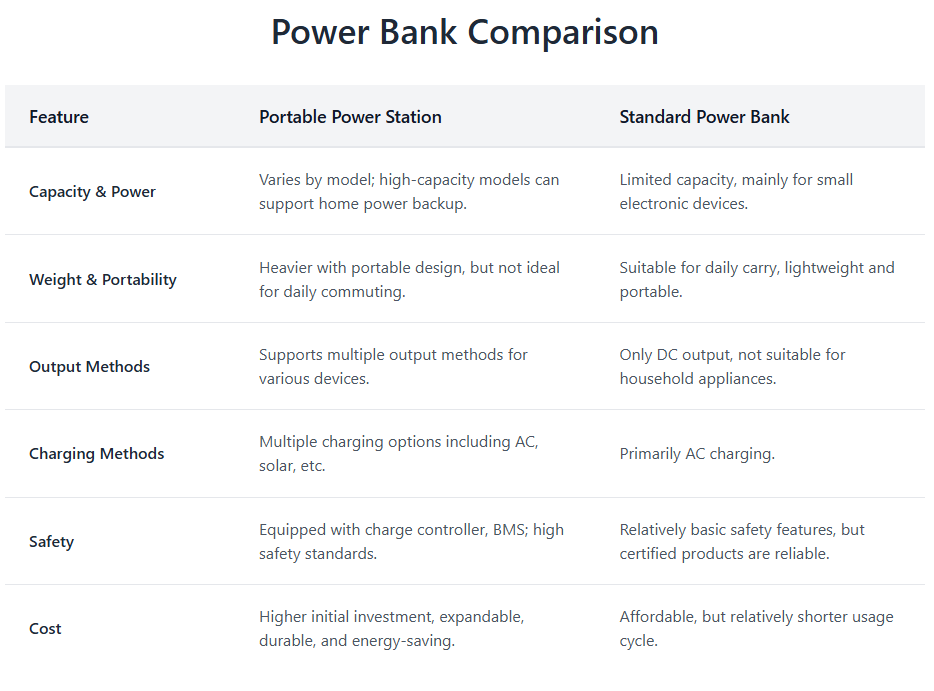
Power Bank vs. Portable Power Station
Here’s a quick comparison table to clearly show the differences between the two.
Which One Is Better?
Neither is “better” overall. The right choice depends on your situation.
Daily Commute or Small Devices
If you only need to charge a phone, earbuds, or other small electronics during daily commutes, a power bank is the better choice. It’s compact, lightweight, and more than enough for this purpose. Even the smallest portable power station is still bulkier than a power bank.
Outdoor Activities or Camping
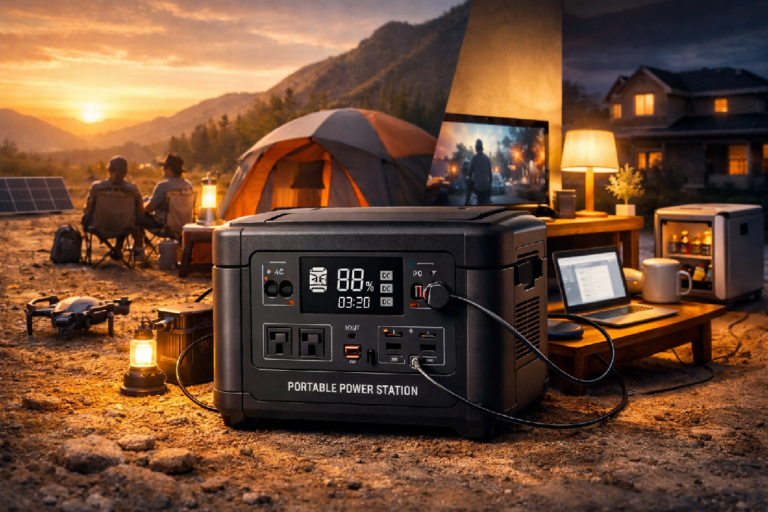
A portable power station can greatly improve your camping experience. It can power multiple devices at once, such as a fridge, lights, projector, or heater. You won’t have to worry about running out of power for your phone or laptop.
A power bank simply can’t handle these mid- to large-size devices. For camping, choose a portable power station based on your power needs.
RV Travel
RVs are perfect for road trips and overnight camping. A portable power station can reduce the load on your RV battery and power onboard devices. Many models support solar charging, so you can recharge while traveling. It’s efficient, clean, and environmentally friendly.
Power Outages or Emergencies
If you live in an area with unstable power, or you experience outages caused by storms or grid failures, a portable power station can be a lifesaver. Even small or mid-capacity models can keep essential devices running, like refrigerators.
Large portable power stations can even support whole-home backup. Many models also include a UPS function, providing stable power during outages or voltage fluctuations to prevent data loss or equipment damage.
Outdoor Work
For outdoor photography, video shoots, small construction projects, or garden work where no outlets are available, a portable power station is an excellent solution. It offers both strong power output and easy mobility.
How to Choose a Portable Power Station
If you’re planning to buy one, focus on these key factors.
Capacity
Capacity determines how long the power station can run and is measured in watt-hours (Wh). Larger capacity means longer usage time. In reality, usable energy is usually about 70%–90% of the rated capacity. Some models allow you to expand capacity with extra battery packs.
Power Output
Power output determines how many devices you can run at the same time. List your devices and calculate their total wattage to make sure it doesn’t exceed the station’s rated power.
Features
Different models offer different features, such as UPS support, BMS protection, smart apps, or system integration. If these matter to you, check them carefully before buying.
Portable Power Station Recommendation
If you ask me which portable power station is the best, my answer is simple: there’s no single best option, only the best one for your needs.
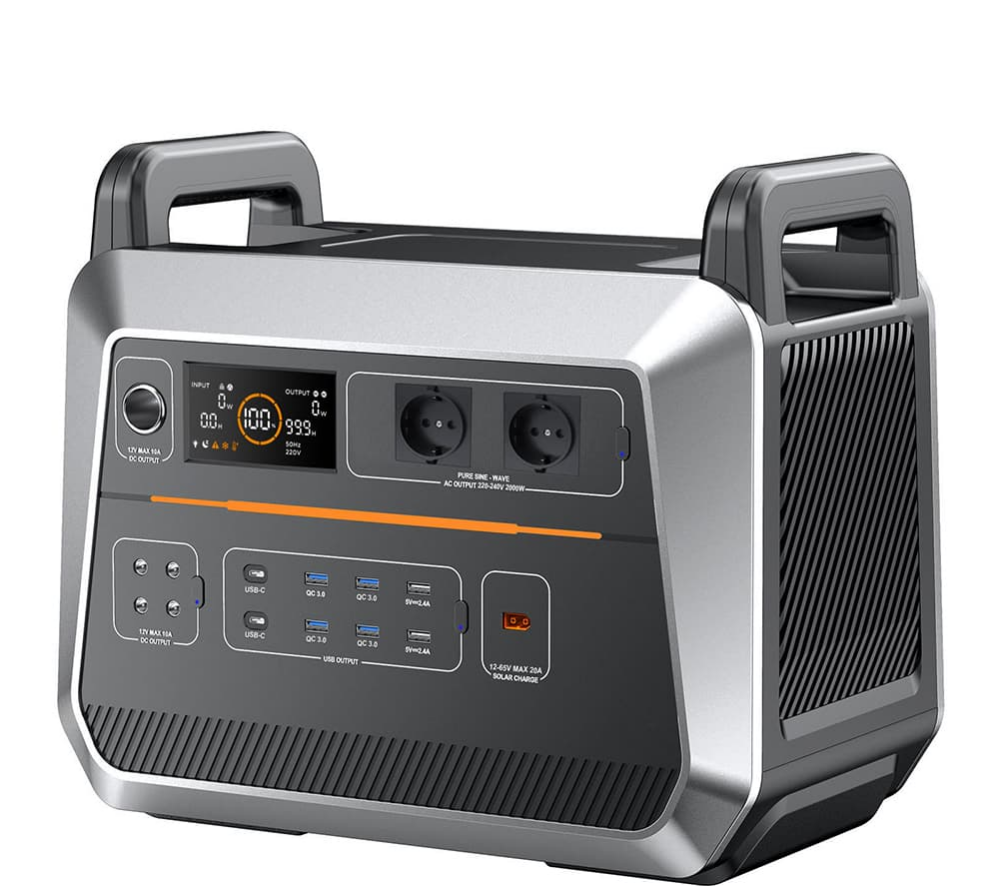
That said, the PF2000 offers excellent value for money. It’s compact yet powerful, with a 2073Wh battery capacity suitable for camping and home backup. Its 2000W rated output and 4000W surge power can run most household appliances.
It also supports solar charging, making it efficient, clean, and eco-friendly. You can even use it as a solar generator to reduce your dependence on the grid.
Portable Power Stations vs. Other Energy Solutions
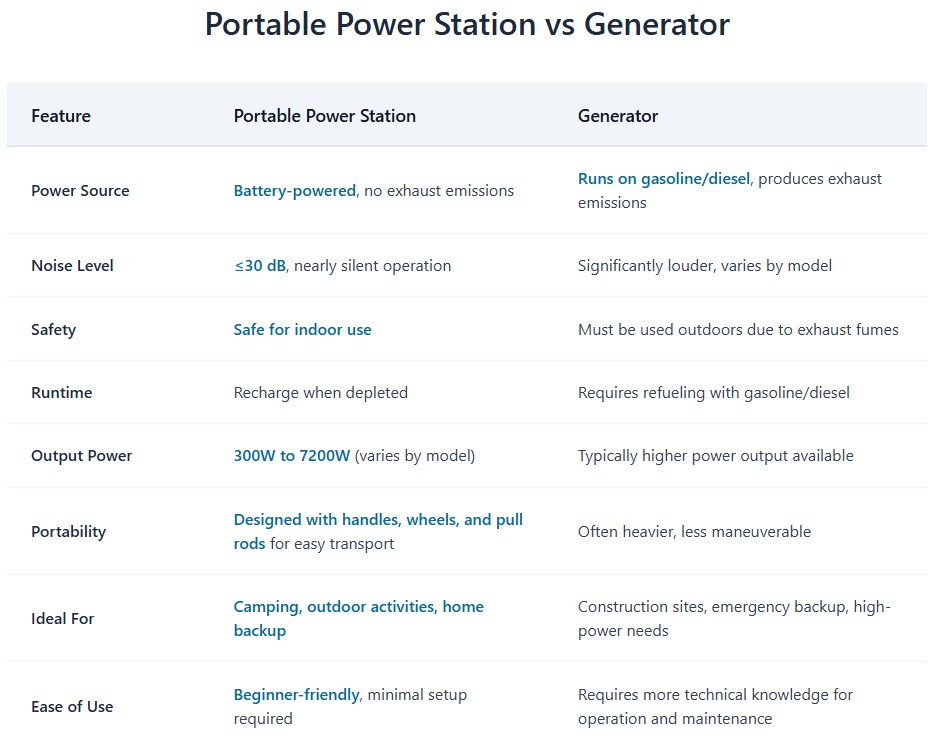
Besides power banks and portable power stations, generators are another common energy solution. Below is a comparison table to quickly show the differences between portable power stations and generators.