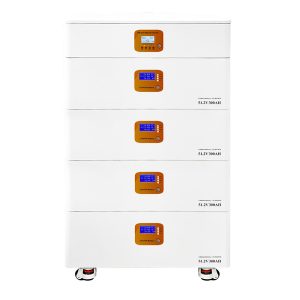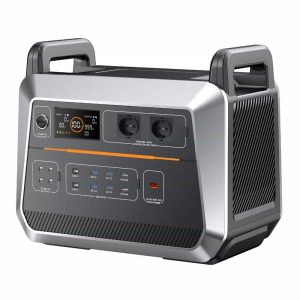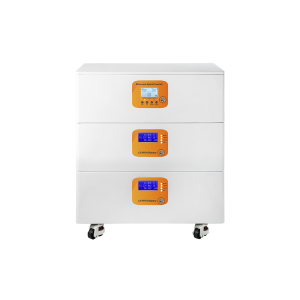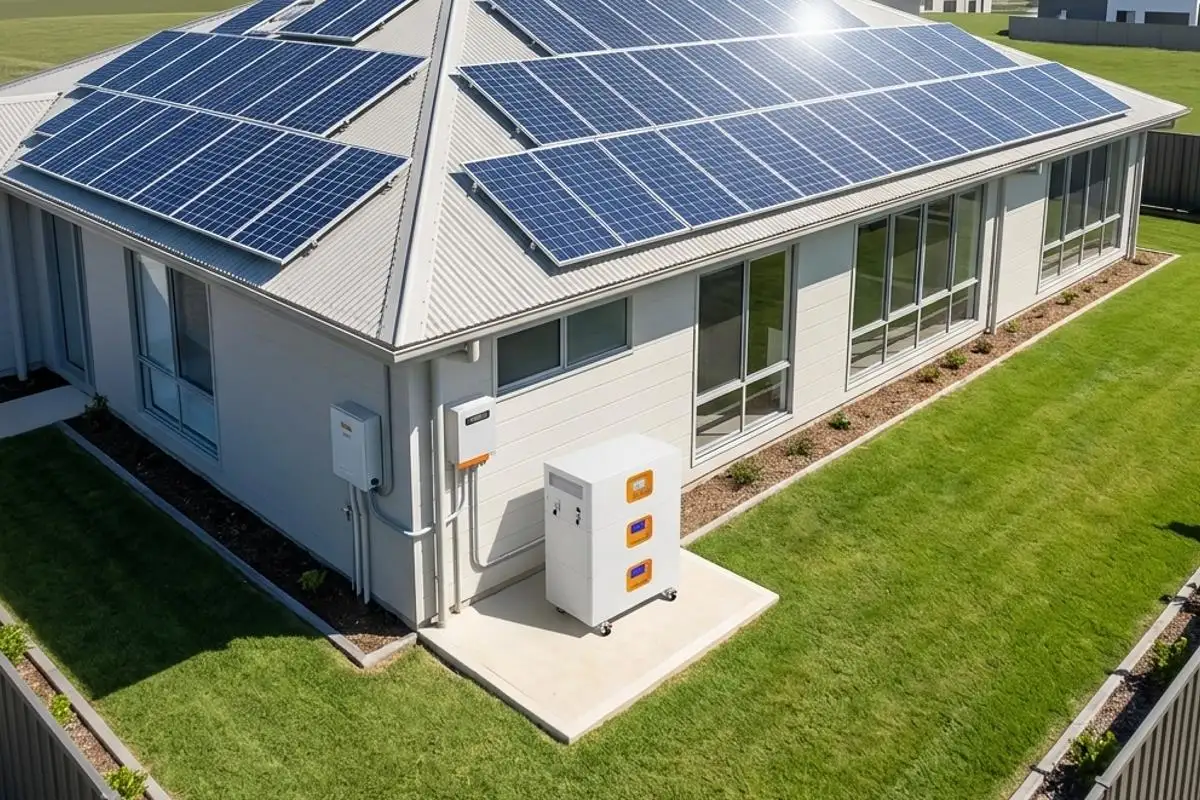
In recent years, we have noticed that many homeowners who already have solar panels are starting to consider adding batteries to make better use of their solar power. Solar power gives homeowners more control over their energy use, but it also creates a practical problem: the time when solar panels generate the most power is often not the time when families use the most electricity. Solar panels generate the most electricity during the day, yet most households use the most electricity in the evening and late at night after sunset. This is where battery storage becomes useful.
But when it comes to choosing a battery, many people quickly realize that the options are not easy to compare. Lead-acid, lithium, LiFePO₄, NMC — prices range from a few thousand to tens of thousands. How do you choose?
This is a common situation we see in real projects. Our team has been working on home storage systems for several years, helping hundreds of families both locally and abroad with their system configurations. In this article, we share some of the practical experience we have gained from real solar storage projects, including common mistakes that are worth avoiding.
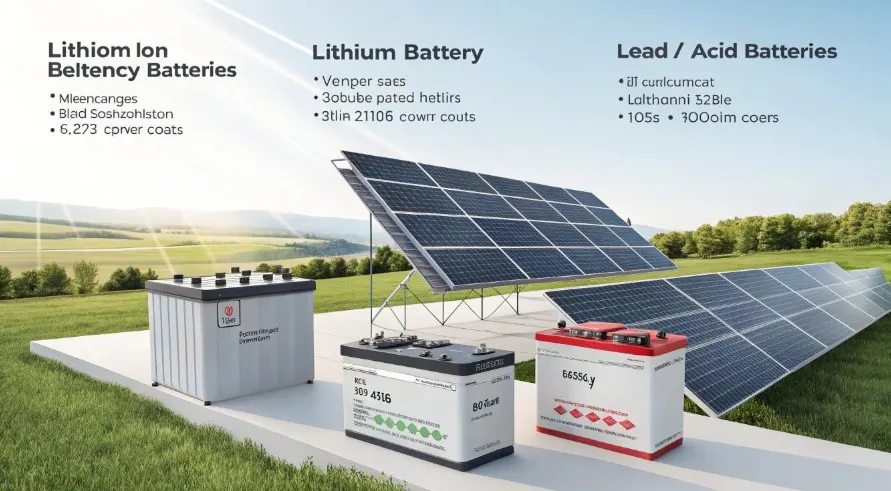
Lead-Acid vs. Li Ion Battery for Solar Energy Storage
In the early days, lead-acid batteries were the mainstream choice. Due to their mature technology and relatively low cost, they were widely used for a long time in remote areas and basic off-grid power scenarios. However, once these batteries are used for daily charging and discharging, their limitations become much easier to notice.
These include short service life (lead-acid batteries do vary by type, but even the deep-cycle lead-acid and AGM/gel batteries used for home energy storage only achieve around 500 cycles), low energy density, long charging times, poor tolerance to temperature changes, inability to deep discharge, and low overall energy efficiency. In actual use, these issues often mean less usable energy, more maintenance, and a shorter replacement cycle.
Later, with the advancement of lithium battery technology, NMC batteries began to enter the solar storage field. Compared with lead-acid batteries, NMC batteries are lighter and store more energy in the same space, so they were once considered a strong upgrade option. The production of NMC batteries relies heavily on precise material engineering, including advanced precursor synthesis equipment such as NMC cathode precursor reactor, which helps manufacturers achieve consistent particle structures and electrochemical performance.However, due to their relatively weaker safety under high temperatures and the risk of thermal runaway — and because home energy storage systems place great emphasis on safety — they never became the mainstream choice.
As the technology became more mature, LiFePO₄batteries gradually became the preferred choice in many modern solar storage systems. They not only offer better safety performance, but also have a longer cycle life, higher charge/discharge efficiency, and support deep discharge.For most home storage and off-grid projects, LiFePO₄ is now usually the first option we consider.
| Lead-Acid Battery | Lithium-Ion Battery | |
| Temperature tolerance | Discharge temperature range is generally -15°C to 50°C, with an optimal operating temperature between 20°C and 25°C. Below this range, capacity drops as temperature decreases, typically by 20%–30% around 0°C. Above 25°C, aging accelerates; for every 10°C rise, lifespan roughly halves. | Discharge temperature range is typically -20°C to 60°C, charging range is 0°C to 45°C. Below 0°C, discharge capacity declines. The optimal performance temperature range is generally 0°C to 40°C. |
| Weight (same capacity) | Due to low energy density, overall weight is high. For example, a 12V 100Ah battery typically weighs 25–30kg. As capacity increases, weight increases significantly. | Higher energy density means significantly lighter weight. A 12V 100Ah lithium battery typically weighs 10–15kg. Overall, for the same storage needs, its weight is usually 1/2 to 1/3 that of a lead-acid battery. |
| Cycle life | 300–800 cycles | 2000–6000 cycles |
| Safety | Mature technology, relatively stable chemistry, low risk of thermal runaway. However, hydrogen gas may be produced during charging. | Higher energy density, requires a good battery management system (BMS). Risk of thermal runaway exists, especially for NMC batteries. LiFePO₄ batteries are more stable, and most systems come with a BMS to improve safety. |
| Depth of discharge | 30%–50%. Exceeding 50% DoD significantly shortens cycle life, so deep discharge is generally not recommended in practice. | Supports 80%–100% DoD. Deep discharge has little impact on cycle life. |
| Energy density | Relatively low, typically 30–50 Wh/kg | Relatively high, typically 120–250 Wh/kg, about 3–5 times that of lead-acid batteries |
At room temperature, the difference may not feel obvious to users. But under extreme temperatures, battery behavior changes a lot, so the installation environment should always be considered before choosing a battery type.
LiFePO₄vs. NMC: Which Is Better for Solar Storage?
From the perspective of choosing a battery for a solar storage system, LiFePO₄is widely recognized as the more suitable choice.
| LiFePO₄ | NMC | Explanation | |
| Thermal stability | High (higher thermal runaway threshold) | Medium (easier to trigger reactions) | Higher energy density means higher thermal management requirements |
| Depth of discharge | Up to 100% | Usually ≤80% | Deep discharging NMC accelerates battery aging |
| Cycle life | 3000–6000+ | 1000–2000 | Determined by material stability |
| Temperature tolerance | More stable at high temperatures | Degrades significantly at high temperatures | Differences are amplified in hot environments |
| Material structure | Olivine structure | Layered structure | Structural stability determines safety and energy density |
| Energy density | 120–160 Wh/kg | 200–250 Wh/kg | Layered structure is more favorable for lithium-ion intercalation |
If you are planning a home solar storage system, choosing the right battery is one of the most important steps. Our home energy storage batteries are designed for residential solar applications, with LiFePO₄ cells, built-in BMS protection, and flexible capacity options for different household needs.
Last year, we helped a family in Germany add a 15 kWh LiFePO₄ battery to their existing solar system. Before the battery was installed, they usually purchased about 430–480 kWh of electricity from the grid each month. After the system started running, this number dropped to around 180–220 kWh per month. According to the first six months of operating data, their grid electricity purchase was reduced by roughly 1,400–1,700 kWh in total, which is about 50%–60% lower than before.
When actually choosing a battery for solar, we also need to consider the following aspects:
- Return on investment and service life
The upfront cost of a solar storage system is high, and it is a long-term investment. Moreover, solar batteries are used daily, charging and discharging frequently. So choosing a battery with a long service life means the cost per kilowatt-hour averaged over time is lower and more cost-effective.
- All-weather environmental adaptability
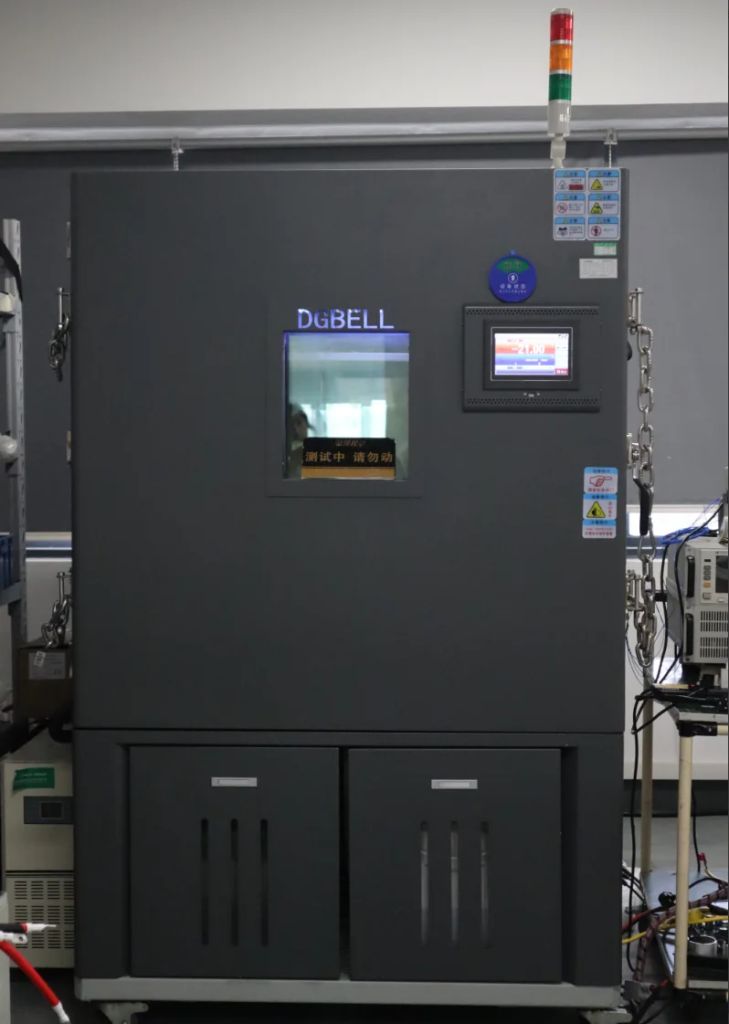
Solar storage batteries are usually placed in garages, basements, or warehouses — places that are hard to protect from temperature and environmental changes. In our actual tests, LiFePO₄ batteries can work normally across a wide temperature range from -20°C to 60°C. However, charging below 0°C becomes problematic because charging many batteries at low temperatures can cause irreversible damage to the cells.
- Safety
Home storage is different from industrial storage. A home storage battery sits inside your house, possibly in the garage or even on the balcony. So when we select a product, the most important factors are the chemical stability of the cells and the thermal management capability. LiFePO₄ excels in this regard, which is why mainstream home storage brands around the world use LiFePO₄cells.
- Space constraints
For fixed installation at home, space is generally not an issue. But for RVs, outdoor projects, or places with limited installation space, weight and volume become key factors. LiFePO₄ is more than half the weight of lead-acid, and NMC can be even lighter and smaller.
Although lithium batteries are much better than lead-acid in many ways, we cannot generalize. Among lithium-ion batteries, LiFePO₄ and NMC are both commonly used. LiFePO₄, with its higher safety, longer cycle life, and cobalt-free environmental benefits, has become the mainstream choice for home storage systems. But that does not mean NMC has been completely replaced. In certain specific situations, it can provide irreplaceable value. Learn more about [LiFePO₄ vs. NMC].
For instance, NMC’s biggest advantage is its high energy density, which allows it to be lighter and smaller for the same amount of power, taking up less space. So when weight and size are extremely sensitive, NMC may be the better choice.
How Does a Solar Lithium Battery Storage System Work Together?
This is a complete, closed-loop system that works in coordination. Its core components include the following:
First, during the day, solar panels convert sunlight into DC electricity. Then the inverter converts the DC electricity from the panels into AC electricity for home use, while distributing it based on demand.
When generation exceeds demand, the excess electricity is stored in the solar battery. At night, or when demand increases, the battery releases its stored energy, which is once again converted by the inverter to power household devices.
The entire system, controlled by an energy management system, automatically creates a harmonious relationship of “generation, storage, and consumption.” This ensures stable power supply while improving energy efficiency and lowering electricity costs.
One very important but easily overlooked detail is that it is best to establish communication between the battery and the inverter.
Communication connection means that the battery and inverter have a data cable and a communication protocol so they can exchange information with each other.
Conversely, if they do not communicate, the inverter can only estimate the battery’s state of charge based on voltage. But the voltage plateau of a LiFePO₄battery is very flat — from 100% down to 20% charge, the voltage change is very small. Relying solely on voltage to estimate charge can easily lead to errors, and may even cause sudden power loss or overcharging/over-discharging of the battery.
When communication works properly, the battery can send real-time status information to the inverter, allowing the inverter to control charging and discharging more accurately.
Before buying a battery or inverter, it is worth confirming whether the two devices support the same communication protocol. Below is a quick reference table we’ve compiled on the compatibility of common brands. You can use it as a reference before buying:
| Inverter Brand | Communication Protocol | Commonly Compatible BMS | Professional Advice |
| Deye / Sol-Ark | CAN / RS485 | Pylontech, Seplos, Pace | Supports mature closed-loop communication, can reliably obtain key parameters such as SOC (data granularity depends on BMS protocol). |
| Growatt | CAN / RS485 | Leadshow, Pace, Custom BMS | DIP switches must be set correctly, otherwise only basic voltage/current limiting control may be achieved. |
| Victron Energy | VE.Can | JK, Seplos, REC | Highly open system, suitable for advanced users; for closed-loop control, a deeply adapted solution is recommended. |
| EG4 / Voltronic | RS485 | Pace, EG4 BMS | Mostly preset protocol matching; priority given to official ecosystem compatibility; third-party compatibility is limited. |
How Much Solar Lithium Battery Capacity Do You Need?
Choosing battery capacity does not mean buying the largest battery you can afford. It should be based on daily electricity use, backup needs, and system voltage.
Step 1: Calculate all the devices you run daily.
Step 2: Decide how many days of backup power you want without sunlight or grid power — typically 1 to 3 days. Multiply your daily usage by that number.
Step 3: Consider the usable capacity of a lithium battery. For example, common LiFePO₄ batteries can typically use about 80% of their rated capacity. So divide the total energy needed by 0.8 to get the actual battery capacity required.
Step 4: Convert this result into common battery specifications, such as how many Ah for a 48V system. This will give you a rough idea of how large a battery you need.
For example, if a family uses about 10 kWh of electricity per day, the battery size can be estimated from that number. If they want 2 days of backup power, that’s a 20 kWh requirement, so a battery around 25 kWh would be reasonable. In a 48V system, that works out to roughly a 500 Ah battery bank.
The following scenarios can serve as a reference, but the specific choice depends on your actual situation.
| Scenario | Recommended Capacity |
| Camping / small devices | 1–2 kWh |
| Home emergency backup | 3–5 kWh |
| Small home storage | 5–10 kWh |
| Fully off-grid | 10 kWh+ |
How to Safely Store and Maintain Solar Lithium Batteries?
For daily storage and maintenance, the most important things to control are temperature, humidity, and battery state of charge.
1.Store lithium batteries in a cool, dry place away from direct sunlight and high temperatures.
2.Try to keep the state of charge at 40–50%, and avoid exposure to moisture or metal contact to prevent hazards.
3.Check the battery regularly, especially if it has not been used for a long time. When the battery is not used for a long time, check it at least once a month. Look for bulging or leaking, and perform a charge/discharge cycle to maintain cell activity.