This reminds me of when I first became a camping enthusiast. I took a 20W solar panel deep into the mountains, and it took me an entire afternoon to charge my phone from 30% to 50%—I nearly lost contact with the world. Over time, as I continued camping, I developed my own set of experiences. Let’s take a look at some common solar camping gear and some tips from my own experience.
13 Common Types of Solar Camping Equipment
I’ve compiled a list of relatively common solar camping gear. As a long-time camping enthusiast, I personally use only a few of these.
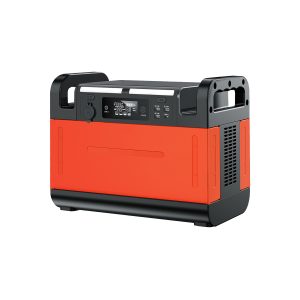
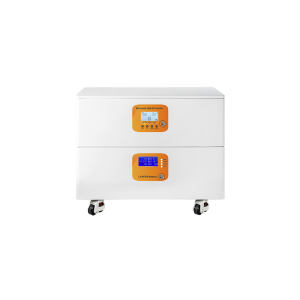
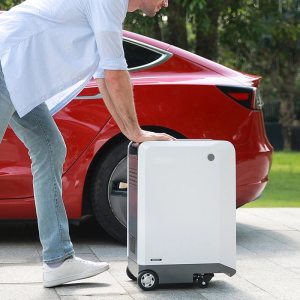
Portable Power Station
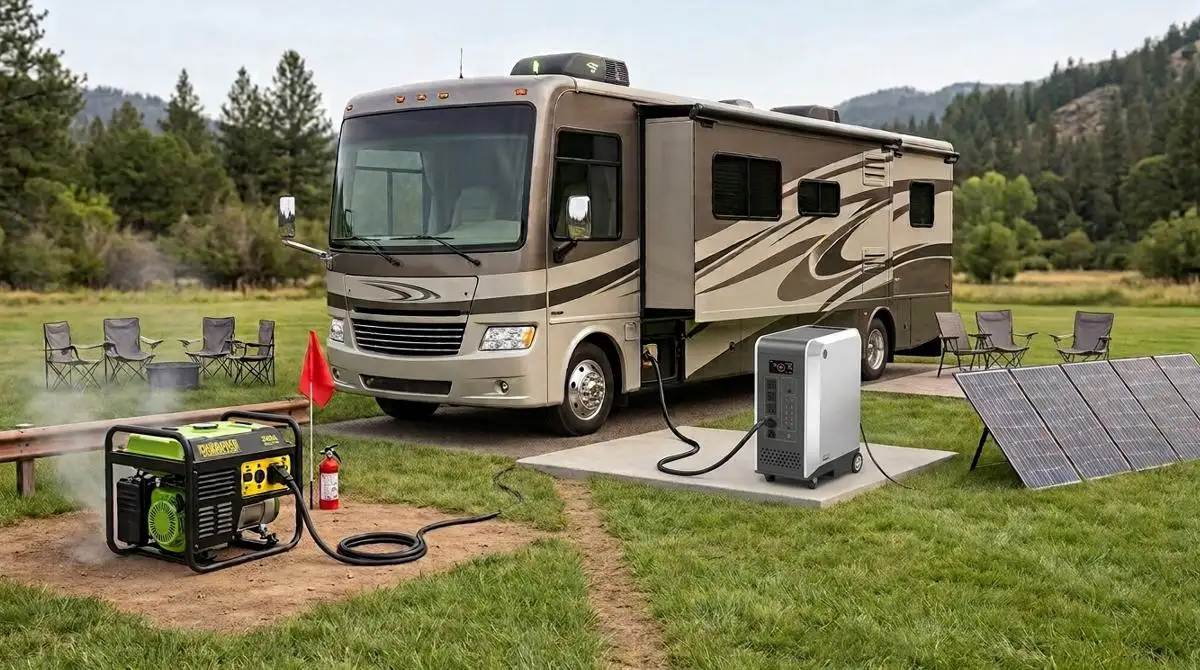
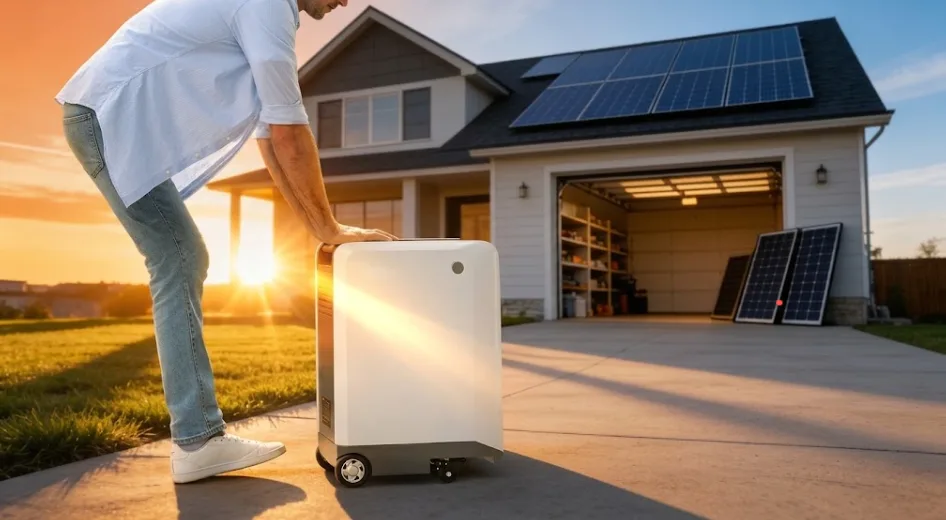
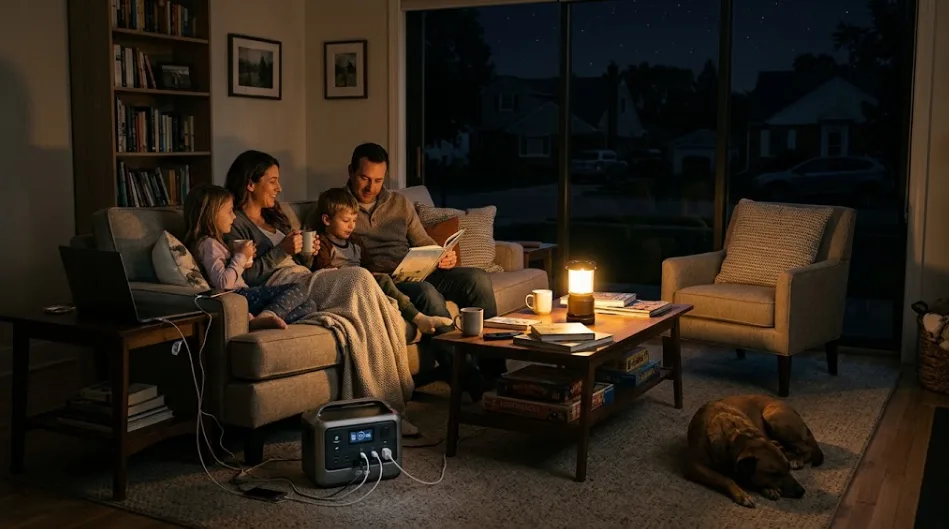
Nowadays, many portable outdoor power supplies can be used with solar panels, allowing the solar panels to generate electricity during the day and store it in the battery, which can then be discharged when needed at night. I prefer a portable outdoor power supply as one of the best options for camping, rather than just a solar charging panel alone.
Solar Charging Panels
Solar charging panels come in two types: one is the foldable solar panel—I prefer this type because it’s easy to carry. The other is the flexible solar panel, which can bend and conform to tents and backpacks.
Solar Tent
This type of tent has photovoltaic film integrated into its top. It can store electricity during the day and provide lighting, USB charging, and even power a small air conditioner at night. If you plan to stay in one place for a long time and have plenty of sunlight, this tent can serve as your charging station. For someone like me, who doesn’t stay in one place for long, it’s not very useful.
Solar Canopy
If you plan to stay in one spot for several days, bringing a solar canopy is an excellent choice. Its large shaded area creates a cool communal space, while the solar panels on top silently power devices like Bluetooth speakers, phones, and portable fans. You can hang out underneath from morning to night without worrying about your devices running out of power.
Solar Parasol
Ideal for solo use. If you’re a hiking or motocamping enthusiast, this serves two purposes—combining a sunshade and a solar charging panel. Stick it next to your tent, and you’ve got a private charging rest area. It’s also quite suitable for places like beaches, park picnics, and fishing spots.
Solar Camping Lantern
As long as there’s sunlight, it can recharge—no need to carry spare batteries. At night, you can hang small solar-powered lanterns at the tent entrance, on a canopy pole, or at a table corner to provide basic lighting, freeing up your hands so you don’t have to keep a flashlight in your mouth. This is one of the solar gear items I always bring camping.
Solar Grill
Because some forests prohibit open flames or have fire bans, a solar grill is the only legal and safe way to enjoy barbecue in such areas. In places with abundant sunlight like plateaus, deserts, or gobi regions, the solar grill’s advantages are maximized. However, one thing to note is that most solar grills have small capacities. If you want a hot meal quickly, you may have to wait a long time. For me, it’s not as practical as a gas or alcohol stove.
Solar Refrigerator
For backpacking or hiking camping, solar refrigerators are too heavy and not suitable. Of course, if you’re staying in one place for several days or car camping, I might bring one, as it keeps food fresh and provides ice-cold drinks.
Solar Shower Bag
For those who choose car camping, this is a perfect match. Just spread it out on the roof or hood during the day, and by evening, you’ll have hot water for a bath. Of course, for hikers or backpackers who want a hot shower while camping, this is also a good option.
Solar Backpack
A good solar backpack lets you charge your devices on the go during the day, so by the time you get to camp, your gadgets are fully powered. It totally takes away that “battery anxiety” — it’s like carrying a charging station on your back. Even after a full day of hiking in the backcountry, as long as there’s decent sunlight, a solar backpack can make sure your phone still has enough juice to call a ride at the end of the trip. That kind of peace of mind is huge. That said, it’s not ideal for wooded or canyon terrain, and solar backpacks don’t handle rough, bouncy conditions very well.
Solar Hat/Apparel
For me, this is completely useless, as I spend long hours in forests where a solar hat is of no use. It’s suitable for fishing enthusiasts who, while focused on fishing, don’t worry about their phone battery and can stay connected without the risk of dropping a power bank into the water.
Solar Projector
One type is decorative projection lights—laser projectors that cast star patterns onto tents or the ground. If you want this kind of atmosphere, you can buy one. Another type is a movie projector, but this requires pairing with solar panels and a power station.
Solar Fan
Useful in summer and while cooking over a fire to blow away smoke. As an experienced camper, I’d say a solar fan is optional—it really comes down to personal preference.
My Camping Gear and Equipment Checklist
Below are some of my personal experiences with hiking camping. I hope they help.
Hiking Camping
Basic Gear
1. Backpack: I choose a lightweight backpack with a capacity suited to the length of my trip: 30–40L for 1–3 days, 50–60L for 7+ days. The backpack needs a good suspension system to relieve pressure on your shoulders.
2. Tent: If you’re alone, I recommend an ultralight tent or a single-person four-season tent. If you plan to camp long-term, a two-person tent adds comfort.
3. Sleeping Bag: Choose based on the season (15°C down bag for summer, -10°C or lower for winter).
4. Sleeping Pad: You can choose an inflatable pad or self-inflating pad with an R-value of 3.0 or higher.
5. Cookware and Water Containers: For cookware, choose something that heats water quickly and is lightweight, preferably compatible with a titanium cup. For water: I typically use a 2L soft water bag or hard-shell bottle, plus a filter to ensure water safety.
6. Lighting: A headlamp or camping lantern.
7. Navigation: A compass or GPS device—this ensures you don’t lose your way.
Solar Gear
1. Solar Charging Panels: For short trips, I bring a 50–100W foldable solar panel. For long trips, I choose 200W or more, and I can hang it on my backpack to charge while walking.
2. Power Bank: I usually choose a high-capacity, lightweight option, like the Piforz PF200 (240Wh). For long-term camping, you’ll need 1kWh or more to support devices like a refrigerator.
3. Charging Cables: Bring multi-port charging cables (compatible with USB-C, Lightning, DC ports) to ensure your phone, headlamp, and GPS can all charge.
Other Tools
You’ll also need multi-functional tools like a folding saw, flint striker, first aid kit, trash bags, etc.
Preparation for Different Trip Lengths
(1) 1–3 days: Pack lightweight food (energy bars, freeze-dried meals), bring 1–2 days’ worth of water, and choose quick-dry + windproof clothing.
(2) 4–7 days: Add more food variety (e.g., dehydrated rice, nuts), bring a water filtration system, and pack extra base layers.
(3) 1 month or more: Bring a solar refrigerator, more repair tools (shoe glue, sewing kit), spare battery packs, and even a foldable chair and Bluetooth speaker for comfort.
A lesson I learned: When hiking, all gear must be foldable and compressible. I once had a hard-shell water bottle that threw off my backpack’s balance—switching to a soft water bag made things much easier. It’s also a good idea to choose solar panels with a waterproof layer; they can still generate power on rainy days (though very little).
Car Camping
For car camping, I take a different approach, focusing on comfort and energy independence.
Basic Gear
1. Vehicle Modifications: First, I install a rooftop tent, roof rack, and storage boxes to provide extra storage space.
2. Solar Rooftop Hard Panel: You can mount solar panels directly on the roof.
3. Tent and Mattress: Choose a cotton tent (e.g., Springbar 6-person tent for a luxurious feel) and add a canopy to expand the shaded area. A double inflatable mattress (e.g., Intex air mattress) or a camper-specific mattress.
4. Cooking Gear: Butane stove, cast iron pot, portable refrigerator, titanium cookware set, folding table, folding chairs.
5. Entertainment: Projector, Bluetooth speaker, binoculars, etc. Also prepare a tool kit: wrenches, jack, tire repair kit, fire extinguisher, traction boards, etc.
6. Portable water jug, water filter, shower.
Solar Gear
1. Solar Power Station: I usually choose one with 2kWh or more to support high-power devices like induction cooktops and projectors.
2. Solar Panels: Fixed solar panels on the roof (400W or more), or bring additional foldable panels. Be sure to choose pure sine wave inverters to ensure stable operation of home appliances.
Preparation for Different Trip Lengths
(1) 1–3 days: Lightweight ingredients (prepared meals, salads) and basic tools.
(2) 4–7 days: Refrigerated meat and vegetables, camp cookware (e.g., oven).
(3) 1 month or more: Set up a “mobile kitchen” (with dual burners), a solar-powered refrigerated area, and even bring foldable bikes to explore the surroundings.
A lesson I learned: When car camping, a solar rooftop panel is key. I once used a 300W rooftop panel to power my refrigerator, keeping food fresh for a 7-day trip. But remember to park facing the sun and avoid tree shade.
Three Most Important Core Issues
Device Power Consumption
Before heading out, I list all the electronic devices I need to bring and calculate my total power consumption.
Formula: Daily energy consumption per device (Wh) = Device power (W) × Estimated daily usage hours (h)
Example:
| Camping Device | Estimated Power (W) | Assumed Average Daily Usage Hours | Daily Power Consumption (Wh) |
| Phone charging | 10W – 20W | 2 hours | 20 – 40 Wh |
| LED camping light | 5W – 10W | 6 hours (all night) | 30 – 60 Wh |
| Car refrigerator | 40W – 60W | 8 hours (intermittent operation) | 320 – 480 Wh |
| Laptop | 60W | 4 hours | 240 Wh |
| Electric fan | 20W – 40W | 5 hours | 100 – 200 Wh |
| Coffee maker/kettle | 800W – 1300W | 0.2 hours (boil once) | 160 – 260 Wh |
Add up the daily consumption of all your devices, then multiply by the number of days you’ll be camping to get your total power requirement.
Solar Panel Power Generation
This is a theoretical value:
Formula: Daily power generation (Wh) ≈ Solar panel power (W) × Local effective sunlight hours (h) × System loss factor (0.7–0.8)
Because in actual camping, power generation efficiency varies greatly with weather, I usually add an extra 20–30% margin to the total power consumption.
Comprehensive Comparison
Compare your power consumption with your power generation to see if your gear is sufficient.
Advice for Hiking and Car Camping
(1) Seal all electronic devices in waterproof bags; store solar panels with protective covers.
(2) Use packing cubes to organize gear (e.g., clothing bag, cookware bag) for efficient access.
(3) When hiking, place heavy items in the middle of the backpack. When car camping, place heavy items low to prevent rollovers.
(4) Bring non-solar charging options (e.g., hand crank generator) for cloudy/rainy days.
(5) Bring biodegradable utensils and a fire pan to minimize vegetation damage from direct fire.
If you’re a camper just getting started, I recommend beginning with short trips, gradually upgrading your gear, and each time noting what you brought but didn’t use and what you wished you had—so you can gradually optimize your solar equipment list.
Common Questions About Solar Camping Equipment
Can a 200-watt solar panel run a refrigerator?
Yes, a 200W solar panel can power a small car refrigerator, but it would struggle to directly run a standard home refrigerator. You’ll need a battery and charge controller for stable operation. A 12V car refrigerator uses about 40–60W and consumes 0.5–1.2 kWh per day. A 200W solar panel generates about 700–1000 Wh under ideal sunlight, which is enough to run a 12V car refrigerator. For 24-hour stable power, use a setup of solar panel → power station/battery → pure sine wave inverter → 12V DC car refrigerator.
Is using a solar panel for camping worth it?
That depends on your camping style and power needs. If you’re an occasional short-term hiker or camper, a portable power station pre-charged at home might be a better choice. If you’re a long-distance hiker, vanlife enthusiast, or love backcountry camping and want longer, quieter off-grid power and don’t mind planning power use around the weather, then a solar panel is a worthwhile investment.
Do solar panels work on cloudy days?
Yes, solar panels still work on cloudy days, but efficiency drops—typically to 10–50% of sunny-day output. When choosing a solar panel, prioritize monocrystalline, N-type TOPCon, or perovskite technology, as they perform better in low light. Even slow charging is precious in the wilderness.
Which parts of the article discussed today did you find helpful? If you have any better suggestions, please feel free to leave a comment and share your thoughts.