No matter whether you live in a city that occasionally experiences power outages or in a remote area without grid coverage, every home needs a backup power source. We know that due to their high-capacity lithium batteries, quiet operation, cleanliness, and safety, these systems are better suited for home backup power than fuel generators. Therefore, choosing the right home power solution is important.
This article will introduce several home power solutions, including portable power stations and solar or non-solar energy storage systems. By breaking down how they work, their suitable use cases, and their typical runtime, this guide will help you find the home power solution that best meets your household needs.
What Is the Best Home Power Backup Solution?
The best solution is always the one that fits your own needs. To choose the most suitable home backup power system, you first need to understand your actual electricity usage during daily life and power outages. This depends on three major factors: how severe the outage impact is, what types of devices need to be powered, and your budget and installation conditions.
Mild outage impact — urban users
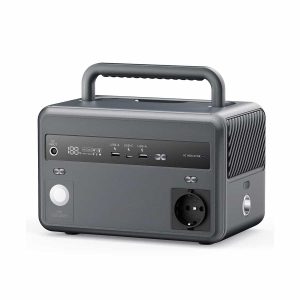
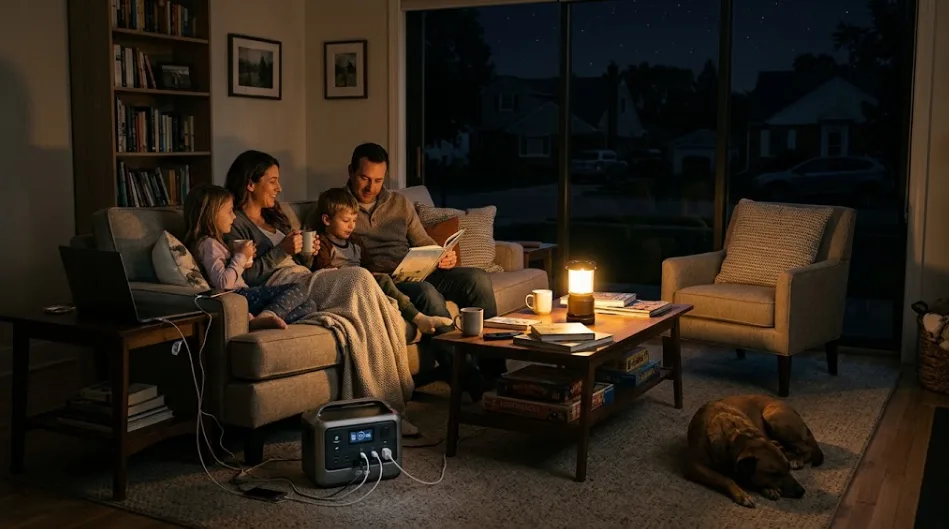
A typical case is city residents who experience one or two outages a year, each lasting only a few hours. If all you need is to keep your phone charged, the lights on, the router running, the fan spinning, and to prevent food in a small fridge from melting, then you don’t need anything complicated. A 500–2000W portable power station is sufficient. You can leave it in a corner, take it out during outages for plug-and-play use, and even bring it along when camping.
Moderate outage impact
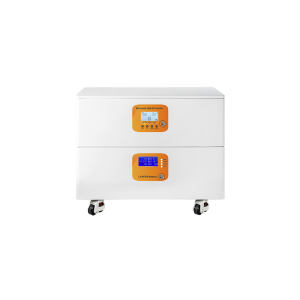
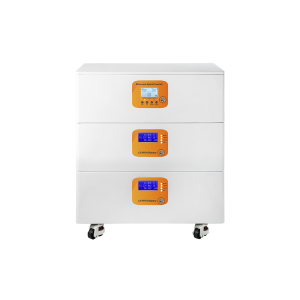
In this case, you need the refrigerator running, the microwave heating food, the TV working, and your computer powered without interruption. A portable power station’s battery capacity won’t be enough. What you need is a 5–10KW high-capacity home battery backup system. It can connect to your electrical panel and automatically switch on during outages to power all essential loads in your home. It works even without solar panels—charged during off-peak hours and capable of supporting your home for one to two days during outages.
Frequent outages
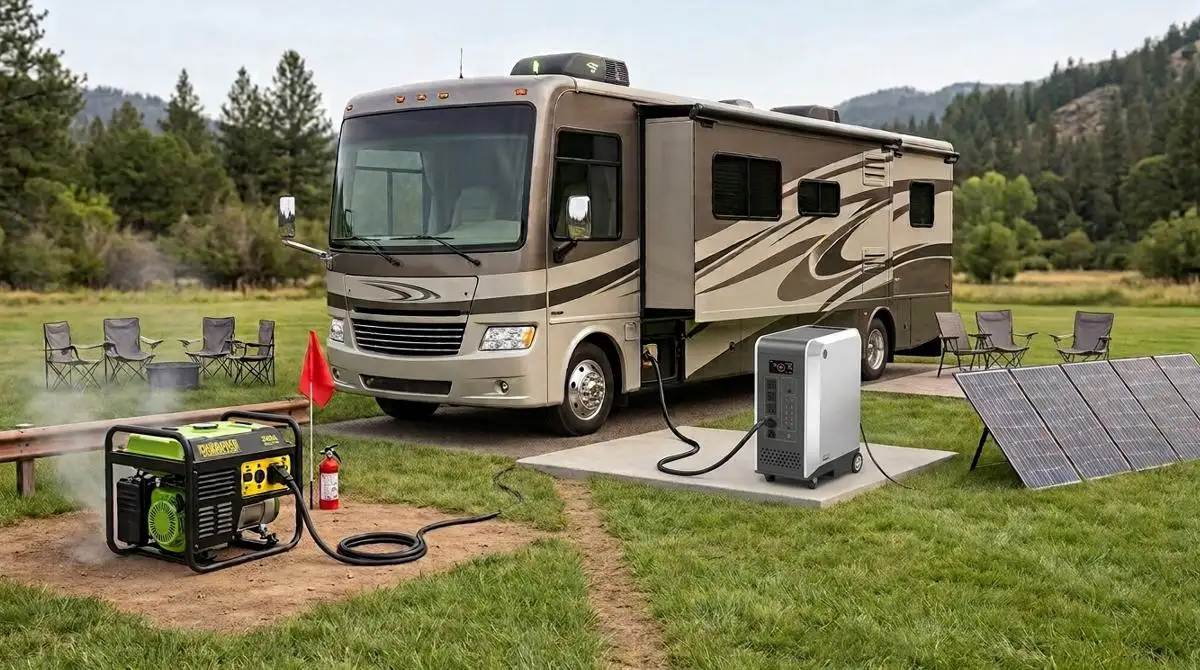
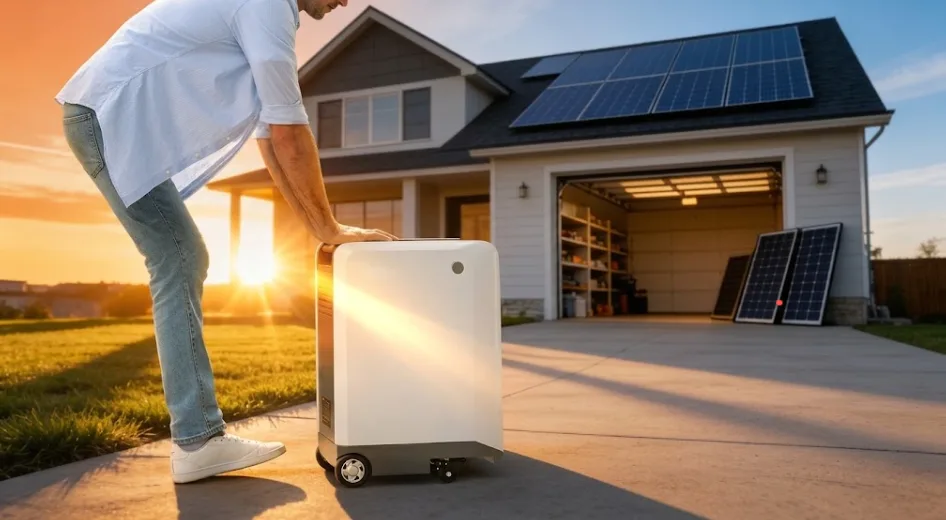
If you live on a farm, in a rural area, or in a backyard cabin where the grid is unreliable—or doesn’t exist at all—and you need 24/7 continuous power without depending on when the grid comes back, then you must opt for a solar panels + energy storage system setup. Solar panels generate electricity, the batteries store it, and you use stored energy during the night.
How well the battery capacity, output power, and usage scenarios match your needs ultimately determines which home backup power solution is the best fit for your household.
Portable Home Power Station
A portable power station is a compact and easy-to-carry power system that mainly includes an inverter, a battery pack, a BMS, and multiple types of output ports. Its ability to run appliances depends on two factors:
Power (W) = how many devices it can run at the same time
Capacity (Wh) = how long it can run them
Because of its portability and stability, it has gradually become one of the most popular alternative power solutions in recent years.
Its key advantages are plug-and-play convenience and no wiring needed. Many customers say they not only keep a portable power station at home as a backup power source, but also take it camping. It’s truly convenient and the weight is just right.
However, because portability is a priority, the battery capacity of portable power stations is usually not very large.
Below are some examples of common devices that Piforz models can power (for reference only):
GT200: car refrigerator, electric fan, camera, drone, laptop, and projector
GT1500: all of the above plus LCD TVs, vacuum cleaners, air fryers, and coffee makers
ST2000: all of the above plus air conditioners, ovens, and induction cooktops
Home Battery Backup Without Solar
A home battery energy storage system is, simply put, a larger-power inverter paired with a higher-capacity battery, but it uses a modular battery pack—which means the battery capacity can be expanded.
Even without connecting solar panels, it is very easy to use. Once it’s connected to your home’s electrical system, it will supply power to all your household appliances during an outage. Because its battery capacity is large enough, it can run high-power appliances simultaneously and maintain operation for a relatively long period.
You can choose the right storage system based on your expected runtime and your budget.
Solar Panel Battery Storage for Home
A solar panel + battery system is currently the most mainstream solution for long-term power supply.
Although the initial cost is higher, a one-time investment provides years of power generation, and the operating cost is almost zero. It can continuously supply power during outages or in off-grid areas—as long as there is sunlight, it can generate electricity, so you never have to worry about running out of stored power.
In off-grid locations, this system can also serve as the main source of electricity. For example, one of my customers shared that they installed a solar panel + backup battery system in their backyard shed. When relatives visit, they can stay there, and when he needs a creative workspace, he also uses that shed.
Quick Comparison: Solar vs Non-Solar vs Portable And Disadvantages
| Type | Portable Power Station | Non-Solar Battery Backup | Solar + Battery System |
| Initial Cost | Low | Medium | High |
| Portability | Yes | No | No |
| Power Duration | Short | Medium | Long / Continuous |
| Operating Cost | Low | Medium | Very Low |
| Best Use Case | Urban emergency backup | Whole-home backup | Off-grid / long-term power supply |
We have now understood the advantages of the three solutions above. Of course, nothing is perfect—everything has its drawbacks.
Although portable power stations are lightweight, this also means their batteries and inverters are smaller, so both capacity and output power are relatively limited. They are not able to support high-power appliances and are simply not designed for heavy-duty use.
Backup batteries without solar panels still rely on the grid as their power source. They only store a portion of electricity for use during outages. If the grid does not come back for a long time, the battery will eventually run out. In other words, it is not an energy source, but rather an energy transporter.
Batteries with solar panels have a relatively high initial cost. A complete system costing several thousand or even over ten thousand dollars is very common. However, this needs to be evaluated from a long-term perspective. For example, a $5,000 solar + storage system, in a situation with about 50 hours of power outages per year, can roughly pay for itself in 7–8 years. The lifespan of LiFePO4 batteries is generally around 10 years, but this does not mean they stop working afterward. After 10 years, the battery capacity typically drops to about 80% of its original level, but it can still be used normally.
What is the biggest downside to solar electricity?
Of course, solar panels also have drawbacks. They are still affected by weather, which means they cannot generate electricity continuously. The Australian Department of Energy mentioned when explaining solar panels that most electricity is generated on sunny days when sunlight directly hits the panels.
The reason solar panels generate less power on cloudy or rainy days is that the silicon cells inside the panels rely on photons striking them to excite electrons and produce electricity. When the sky is cloudy, the thick cloud layer scatters and absorbs a large amount of photons, so far fewer photons reach the panel surface. With fewer photons, fewer electrons are excited, and naturally the current becomes smaller.
The reason no power is generated at night is that there is no sunlight, and therefore no photons. Without photons, it is impossible to generate electricity.
Additionally, roof area, angle, and shading can all affect system performance.
Below is the power output of solar panels under different weather conditions:
| Condition | Power Generation Level | Output Range (for a 1000W system) |
| ☀️ Sunny Day (Daytime) | Highest (Optimal Performance) | 800W–1000W |
| 🌤️ Cloudy / Overcast | Medium to Low | 100W–500W |
| 🌧️ Rainy / Stormy Weather | Very Low | 50W–200W |
| 🌙 Night Time | No Generation | 0W |
How long do common home power solutions last?
The runtime of different products is affected by three main factors: battery capacity, device power, and system losses. The formula is:
Runtime ≈ Battery capacity × 0.85 ÷ Device power
The inverter efficiency is approximately 85%–92%.
Next, let’s use some common product specifications as examples:
A 3000W portable power station, such as the ST2000 with a capacity of 2160Wh.
A typical set of essential household loads includes:
- 200W refrigerator
- 20W router
- 50W LED light
- 60W laptop
- Total load: 330W
Estimated runtime:
2160 × 0.85 ÷ 330 ≈ 5.5 hours
A 10KW home energy storage system, such as Piforz 10KW + 30KWh, has a battery capacity of 30KWh. Using the same 330W essential load, the estimated runtime: 30,000 × 0.85 ÷ 330 ≈ 77.2 hours
Therefore, this formula can also be used to estimate how long your existing product can operate under different loads.
Final Recommendation: Which System Should You Choose?
Choosing the right option for your situation is crucial. Here are a few scenarios that can help readers clarify their decision-making:
- If you’re renting, a portable power station is your best choice. It requires no wiring—just turn it on and use it. You can easily take it with you when you move, and it keeps essentials like your phone, laptop, and lights running during an outage.
- If you own a home but live in a rainy area where the roof doesn’t get much direct sunlight, a home battery without solar panels will be more practical. It typically charges at night when electricity rates are lower, and in most outage situations, it can power all your household appliances—unless the outage lasts for several days.
- If you own a home, have strong sunlight in your region, and your budget allows, then a home battery paired with solar panels is the ideal option. This setup provides a continuous power source, supports all your appliances, helps reduce your electricity bill, and keeps your home powered even during long outages.
- If you live completely off-grid, a solar-powered home battery system is essentially your only choice. With no grid access, solar becomes your primary power source—charging during the day and supplying your energy needs at night.
- If you want whole-home backup but also camp or travel frequently, a portable power station may suit you better. The key is to use it only for essential loads during outages and only when the outage isn’t too long. The benefit of portability inevitably comes with a trade-off: smaller battery capacity.
I hope these scenarios help you decide whether a portable power station, a solar storage system, or a non-solar home backup solution is the best fit for your needs.