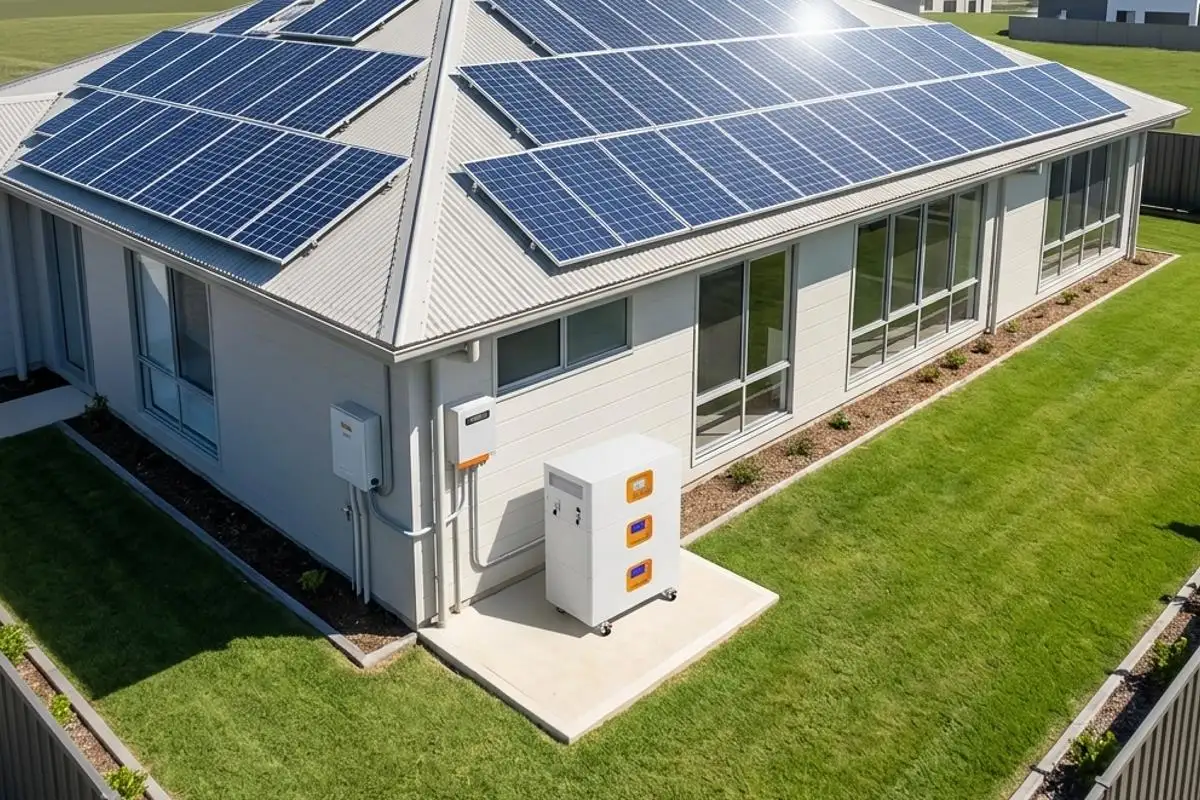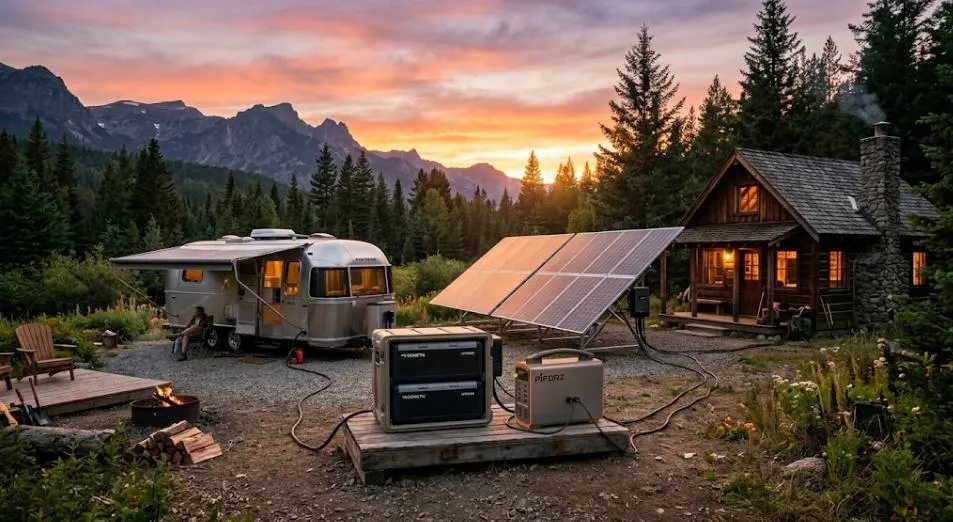
Solar energy is a renewable resource that works by absorbing light through solar panels and converting it into electricity via an inverter. As solar adoption continues to grow, people are increasingly curious about how solar energy is stored and what happens after it’s stored. Let’s dig in.
How to Preserve Solar Energy
How Does Solar Energy Work?
Before understanding how solar energy is stored, you need to know how it works in the first place.
Solar panels absorb sunlight and produce DC electricity. An inverter then converts that DC into AC power, which is what your appliances actually use. If you want a more detailed breakdown, check out How Do Solar Powered Batteries Work? A Comprehensive Guide
Methods of Storing Solar Energy
1. Electrochemical storage
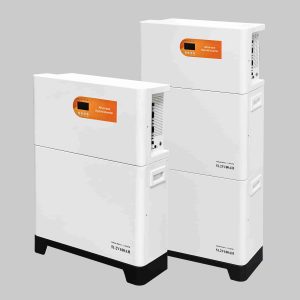
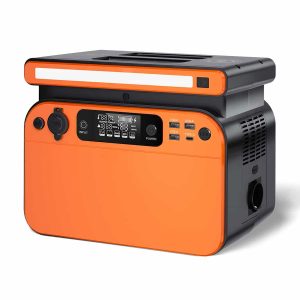
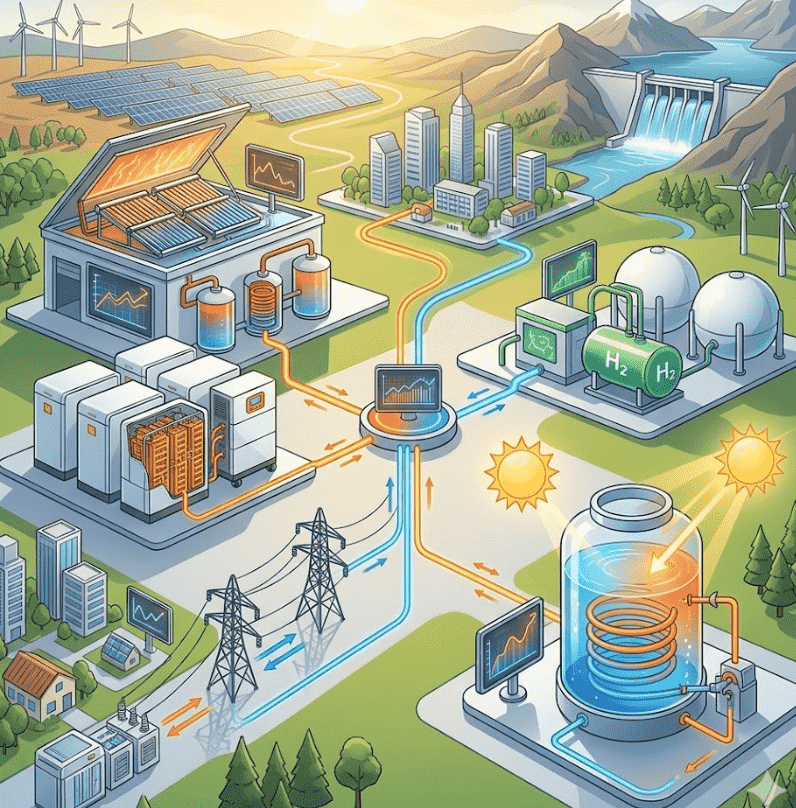
This is the most common storage method for homes and portable devices, and it’s done primarily through batteries. Solar panels absorb light during the day, convert it to electricity, and store it in batteries—creating a healthy cycle of daytime generation and nighttime discharge. The leading battery technologies include lithium iron phosphate (LFP), ternary lithium (NMC), and solid-state batteries. Among these, LiFePO₄ has become the workhorse of this category thanks to its outstanding safety profile and exceptionally long cycle life, making it ideal for long-term charge-discharge use.
2. Thermal storage
Also known as solar thermal conversion, this stores solar energy directly as heat. That might sound abstract, but if I say “solar water heater,” it probably clicks right away—those angled panels you saw on rooftops as a kid. These systems use solar collectors to absorb sunlight, heat water or another thermal medium, and store it in insulated tanks for later use in bathing or space heating.
3. Mechanical storage
Mechanical storage is typically used for grid-scale physical storage solutions. The main types include pumped hydro, compressed air energy storage, and flywheel storage. If you’d like to learn more about different storage technologies, take a look at An Off-Grid Guide to Choosing Alternative Power Sources for Home Electricity
4. Chemical storage
This mainly refers to solar-powered hydrogen production—using excess daytime solar energy to electrolyze water and produce green hydrogen. Hydrogen can be stored long-term and later reconverted to electricity through fuel cells, or used as an industrial feedstock.
5. Grid-tied virtual storage
In a grid-tied setup, the system is connected directly to the public grid, so there’s generally no need to buy a separate physical battery. During the day, solar panels prioritize powering your devices, and any surplus is exported to the grid. At night or during peak demand, you draw power back from the grid. In some areas, utilities track what you export versus what you consume and apply credits to your electricity bill, reducing your overall costs.
6. Molecular solar thermal energy storage
This is a emerging technology that could upend conventional thinking: liquid solar battery technology. The leading academic journal Science recently reported on a breakthrough that can lock sunlight inside molecular structures—storing energy like a compressed spring for years at a time. When needed, a catalyst triggers an instant release of concentrated heat, enough to boil water. Not only does this last far longer than traditional thermal storage, its energy density even surpasses today’s lithium batteries.
Benefits of Storing Solar Energy
The core benefit of storing solar energy is energy freedom—no more worrying about blackouts or whether the sun will show up tomorrow.
1. Lower electricity bills
The most immediate benefit is saving money on your power bill. Solar panels generate the most surplus electricity during the day. If you store that energy and use it during peak-rate hours, you can largely avoid buying expensive grid power, cutting your bills significantly.
2. Energy independence and emergency backup
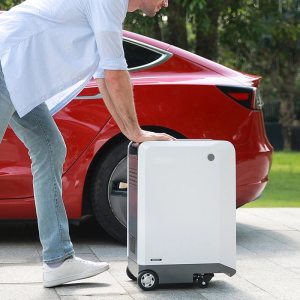
The real heart of energy storage is achieving energy independence—freedom from worrying about outages, natural disasters, or grid failures. Take Piforz’s 6kW 16kWh Movable All-in-One Home Battery Storage as an example: it can switch over computer loads in 10ms and household appliances in 20ms, keeping critical equipment like refrigerators, medical devices, and lighting running without interruption.
3. Clean and green
Using stored solar energy to power your devices is far more environmentally friendly than running a gas or diesel generator. It produces zero emissions and zero noise, making it more effective at improving air quality and combating climate change—and much better suited for indoor residential use.
What’s the Best Way to Store Solar Energy?
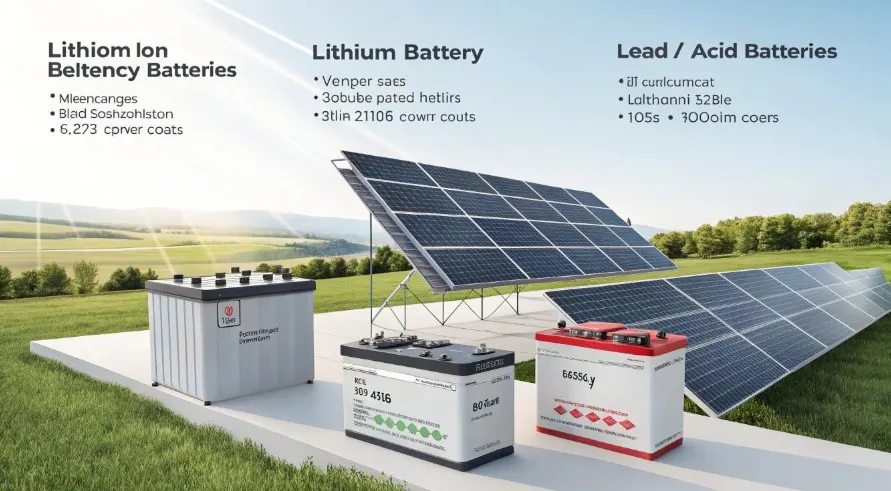
There are many ways to store solar energy, as we’ve covered above. But if we’re talking about the single best method for a residential setting, battery storage wins—specifically lithium iron phosphate batteries. Of course, there’s no one-size-fits-all answer; it ultimately depends on your use case and scale.
For residential applications, LFP offers superior thermal stability—and the last thing you want in a home battery is thermal runaway leading to a fire hazard. At the molecular level, the P–O bonds in lithium iron phosphate are extremely strong, giving it a very high thermal decomposition temperature. Even under extreme abuse conditions like nail penetration, crushing, or short circuits, it releases gas so slowly that combustion is virtually impossible. Compared to conventional NMC lithium batteries, this thermal stability provides a natural safety barrier for indoor or vehicle-mounted environments.
The return on investment is also compelling. LiFePO₄ handles aggressive deep cycling with ease—after more than 3,000 daily cycles, capacity degradation remains remarkably slow. That translates to reliable service for over 10 years. When you spread the cost across each day of use, it actually works out cheaper than lead-acid or standard lithium batteries.
What Happens to Extra Solar Energy When the Battery Is Full?
Generally speaking, once the battery is full, excess electricity simply stops flowing into it.
In a grid-tied system, where the solar setup is connected to the local grid, the inverter automatically exports surplus power back to the grid once the battery is topped off. Under net metering agreements, your meter effectively runs backward, earning you credits or compensation that reduce your electricity bill.
In an off-grid system, solar power first feeds your connected devices, with the surplus flowing into the battery. Once the battery is also full, the battery management system and charge controller stop drawing energy from the solar panels. With the circuit effectively disconnected, the panels stop producing excess electricity. Whatever energy goes uncollected simply dissipates as negligible, harmless heat on the panel surface.