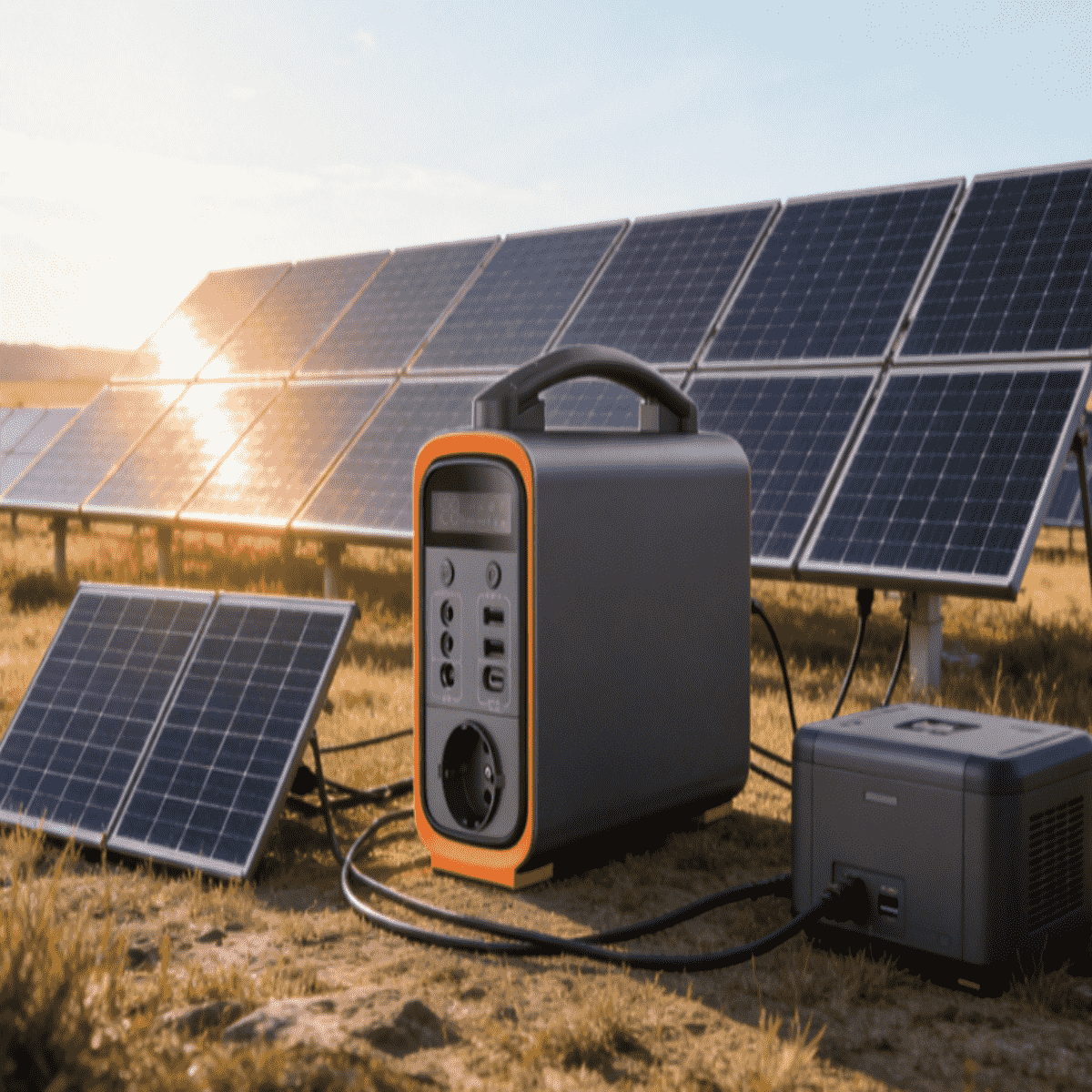

In most parts of the United States, people may have to deal with extreme weather or frequent power outages caused by an aging power grid every year. In such situations, having a backup battery to provide power becomes especially important. However, many people believe that solar panels must be installed first before a home battery can be set up. This article will tell you that there are now many backup batteries that can be charged directly from the grid. It will also explain how they work, whether they are worth buying, what your usage scenarios are, and address some common questions.
Can I install a home battery without solar panels?
Let me first tell you, of course you can. Because not everyone has the right conditions for installing solar panels, such as living in an apartment, having an unsuitable roof, renting a home, and so on.
How does a standalone battery system work without solar power?
1. When the power supply is normal: The battery charges itself through the grid and then remains on standby.
2. During a power outage: The battery system detects the outage and automatically switches over within milliseconds. This switch is so fast that your computer won’t even restart, keeping your home’s electricity running as normal.
Are home batteries worth buying without solar power?
First of all, let me tell you — of course it’s worth buying. A complete “solar + battery system” often requires an investment of tens of thousands of dollars. If your budget is limited, or if you’re only looking to deal with occasional power outages, and you don’t have adequate space to install solar panels, then buying a standalone battery system (a whole-home backup system or a high-capacity portable power station) is your best choice.
1. It provides seamless switching during a power outage, and compared to traditional gas generators, it is much quieter and more environmentally friendly.
2. You can take advantage of time-of-use electricity pricing by using an app to charge the battery during off-peak hours when rates are low and use the stored power during peak hours when rates are high, helping you save on electricity bills.
For a home battery system without solar integration, which parameters should I look out for?
1. Power output and capacity: This determines how many appliances in your home can be powered simultaneously and how long they can run.
2. Seamless switching (UPS function): The switchover speed during a power outage needs to be fast (<20ms) to ensure your computer doesn’t restart.
3. Time-of-use pricing compatibility: Whether the app allows flexible settings for charging and discharging time periods.
4. Expandability: This determines whether you can add extra battery modules in the future, or whether solar panels can be connected to the system later on.
What is your use case?
Before you decide to make a purchase, the most important thing is to understand your own needs. Do you just want to keep the food in your refrigerator from spoiling during a power outage, or do you want your entire home to keep running as if nothing ever happened? Based on different needs, we’ve broken it down into three usage scenarios.
Whole-Home Backup Battery System
If you want to ensure that your entire home keeps running as if nothing ever happened during a power outage, then a whole-home backup battery system is your best choice. This type of system requires a professional electrician to wire it directly to your home’s electrical panel. When the grid goes down, the system automatically takes over the power supply for the entire house. If the capacity is large enough, the system can support the operation of high-power appliances such as central air conditioning, electric water heaters, and more. The excellent standalone whole-home batteries currently on the market all come with a built-in hybrid inverter. Of course, you can start by purchasing just the battery now to solve your immediate power outage problems, and later on, when you have the budget, you can connect solar panels at any time to upgrade to a renewable energy home. For standalone whole-home battery systems, feel free to check out our PIFORZ energy storage systems.
Portable Backup Power Supply for Power Outages
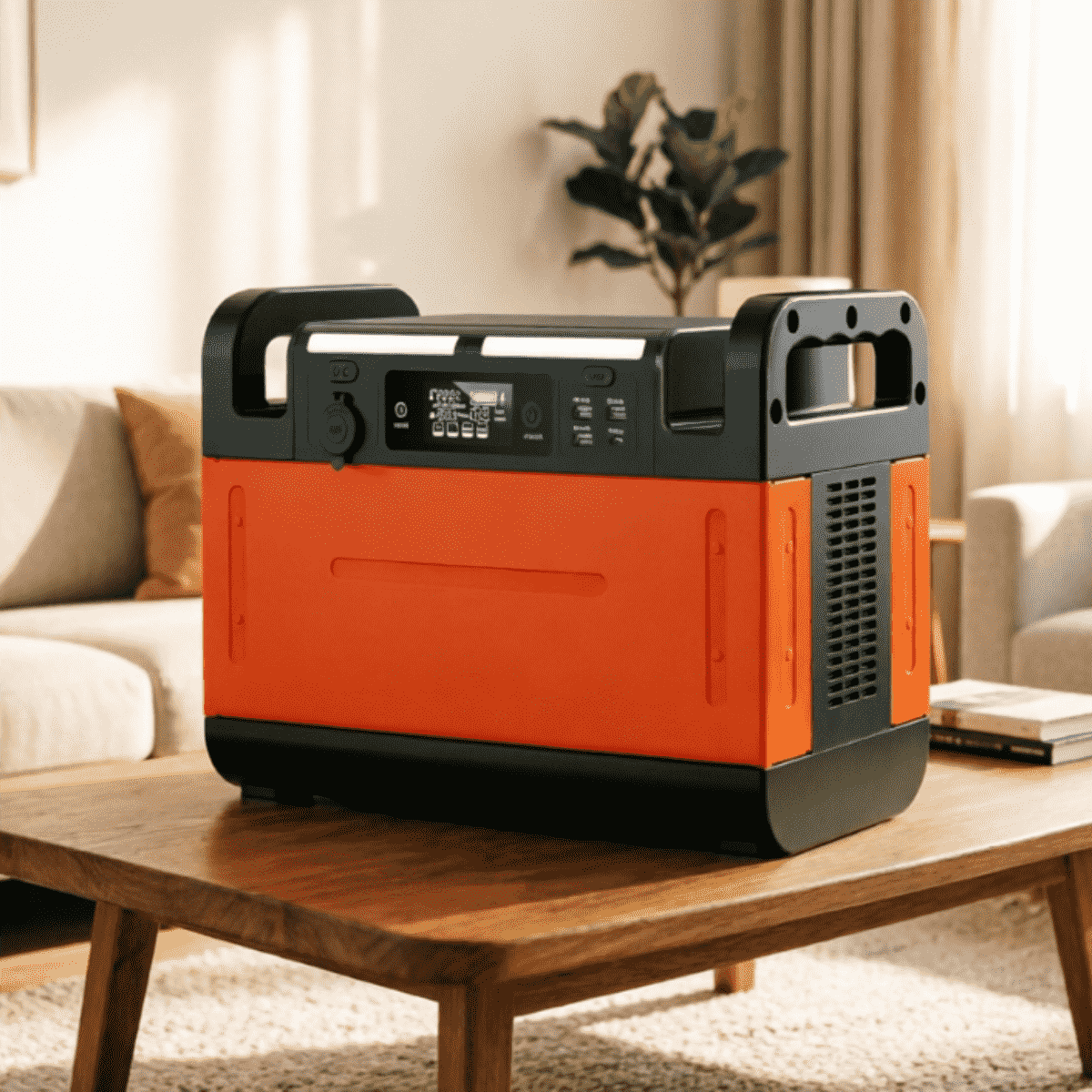
Not everyone is in a position to afford the high cost of professional electrician installation, so a high-capacity portable backup power station becomes the best choice.
1. Plug and play: Unlike the complex installation required for whole-home backup batteries, portable power stations are all about “plug and play.” During a power outage, you simply move the unit to wherever you need it and plug appliances like refrigerators and ovens directly into the outlets on the power station.
- Versatility and flexibility: Take the PF1500, for example — a portable power station with 1500W of output power, built with ultra-safe lithium iron phosphate (LiFePO4) battery cells. It not only meets your emergency needs during extended indoor power outages, but can also be loaded into your car on weekends to provide power support for RV trips or outdoor camping. One device, multiple uses.
Battery Backup for Home Appliances & Computer
If the area you live in doesn’t experience frequent power outages or extreme weather, and you just want to protect a few essential devices at home, then a targeted partial backup solution would be more economical and practical.
1. Refrigerator and CPAP machines: Simply assess the power consumption of these specific appliances and choose a power station with the corresponding capacity to get through the crisis with peace of mind.
- Computer data protection: Choose a UPS (Uninterruptible Power Supply). Compact outdoor power stations like the PF300 or PF500 can not only provide extended battery life for your laptop and WiFi router, but also prevent data loss caused by sudden power outages.
FAQ
Who makes the best whole house battery backup system?
There is no single “best” option — it all depends on your budget, your home’s structure, and your needs for smart features.
Currently, when it comes to home batteries, the first brand most people think of is Tesla.
1. The industry benchmark: Tesla Powerwall 3
2. The rising star among professional installers: FranklinWH
3. The plug-and-play disruptors: EcoFlow & Anker SOLIX
4. The flexible and cost-effective game changer: PIFORZ
If you have a sufficient budget and own your home, and you’re looking for 100% fully automatic seamless switching, Tesla or FranklinWH are great choices. However, if you’re a renter, want the convenience of plug-and-play, or simply want to spend less than one-tenth of the price to protect the essential devices in your home (refrigerator, computer), then PIFORZ is undoubtedly the most cost-effective and practical choice available today.
Can you buy Powerwall without solar?
Of course you can. For a period of time in 2021, Tesla had a policy that required the Powerwall to be bundled with Tesla’s Solar Roof or solar panels, and standalone battery installation services were no longer offered. This left many households who simply wanted to solve their power outage problems feeling frustrated. But the good news is that Tesla later lifted this restriction. Now (especially with the widespread adoption of the latest generation Tesla Powerwall), you can absolutely purchase and install a Powerwall independently through Tesla’s official channels or its certified third-party installers, without having to buy or install any solar equipment.